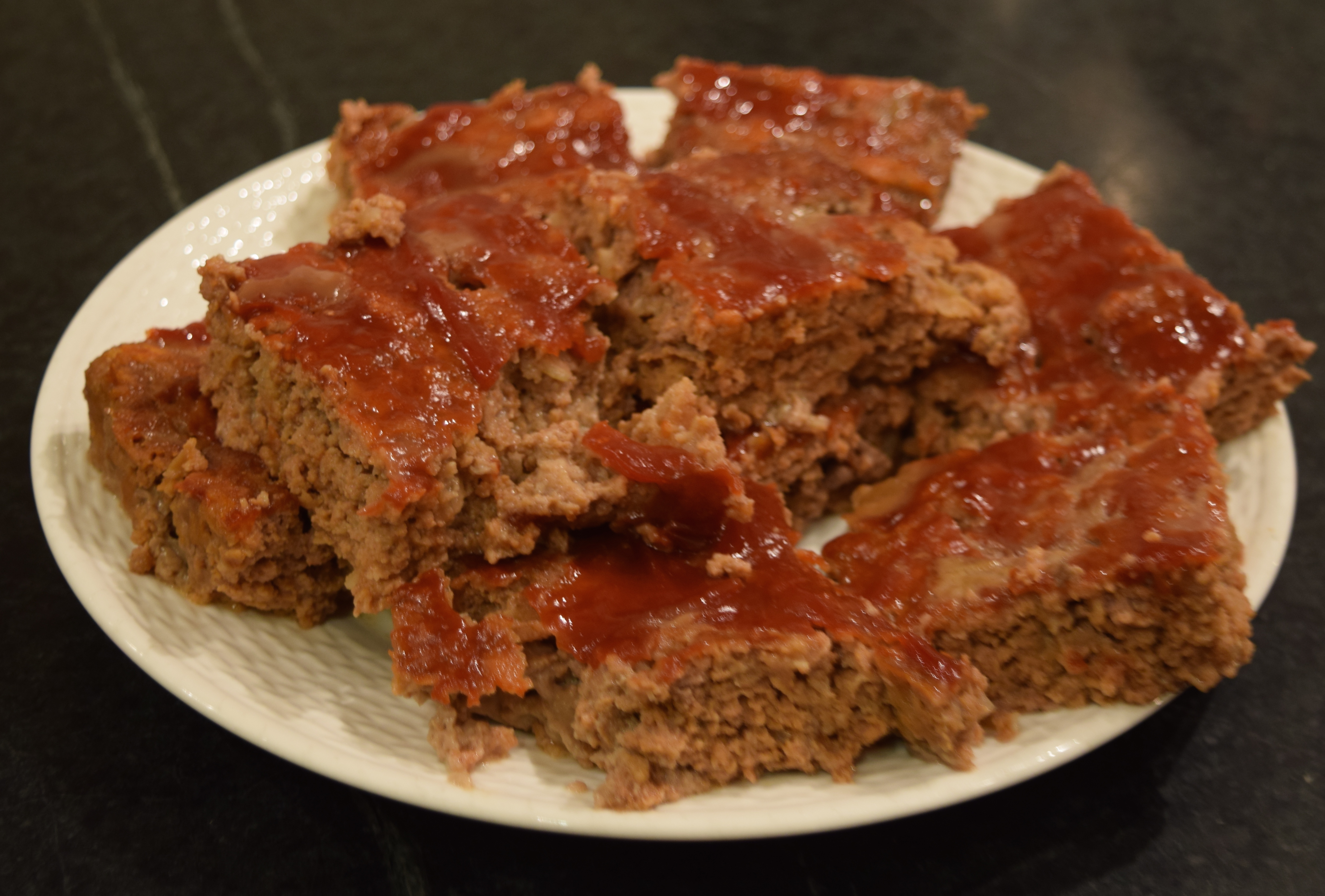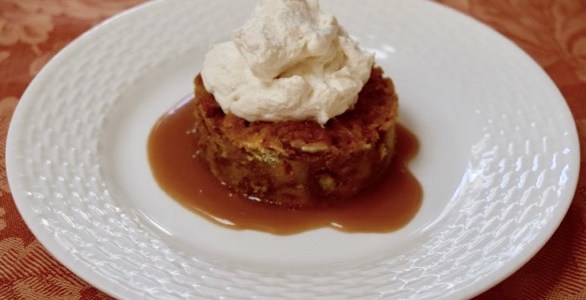
TNFP Pumpkin Bread Pudding

The first time I had warm pumpkin bread pudding was at The Nashville Food Project. The bread pudding had just come out of the oven, and one of the staff members had spooned some of it into a bowl for us volunteers to taste. We all stood around the stainless steel countertop sinking our spoons into the warm bowl of dessert and gushed about how delicious it was. I mean it was warm, and the vanilla glaze was dripping down the sides. You can find TNFP’s recipe for bread pudding along with many other crowd-pleasing recipes in the Cook for a Crowd section of their website.

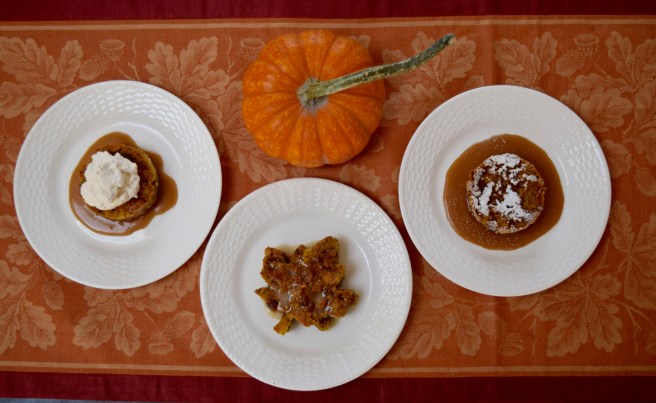
The title of the recipe on the website is Banana Bread Pudding, but you can substitute almost any fruit for the bananas. In addition to making it with pumpkin purée, I’ve made it with fresh-cut peaches, with chopped apples, and with mixed berries. They all work. I’ve made it to serve 12 people for a dinner party, 25 people for a summer cookout and 50 students for a school gathering. I’ve served bread pudding with a simple vanilla glaze drizzled over the top of cut squares, and I’ve served it all dolled up with caramel sauce and whipped cream for a special family dinner. You can’t go wrong with this dessert once you get comfortable making it.
DSC_0401

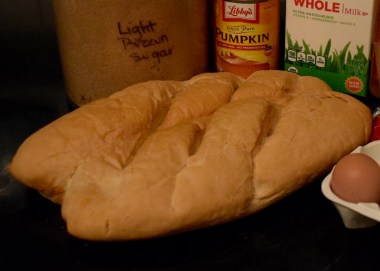
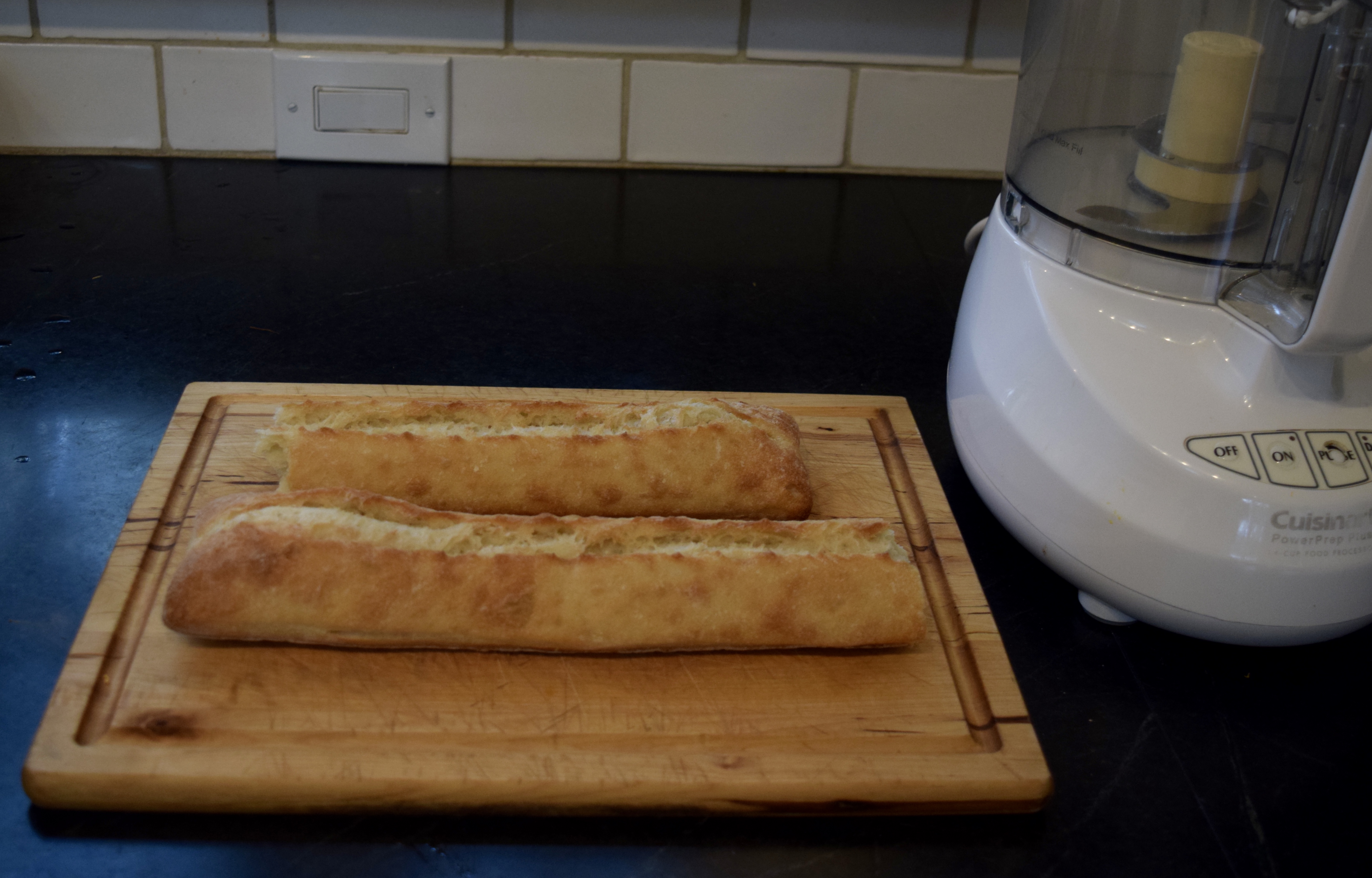
A note on bread choices. Some people like to use sweet bread like stale croissants or challah, but I prefer a more chewy texture, so I use a crusty white bread. I would stay away from soft “Italian” loaves like this one from a local grocery store:
DSC_0041

It looked to be a crusty Italian loaf, but it was very soft,and light and the bread pudding I made with it looked soupy before I cooked it. Once baked, it was flat and rubbery. I fed it to the chickens.

At the end of this recipe, I have provided recipes for three different toppings for your bread pudding: Vanilla Glaze, Caramel Sauce, and Homemade Whipped Cream

Yield: Serves 12-15

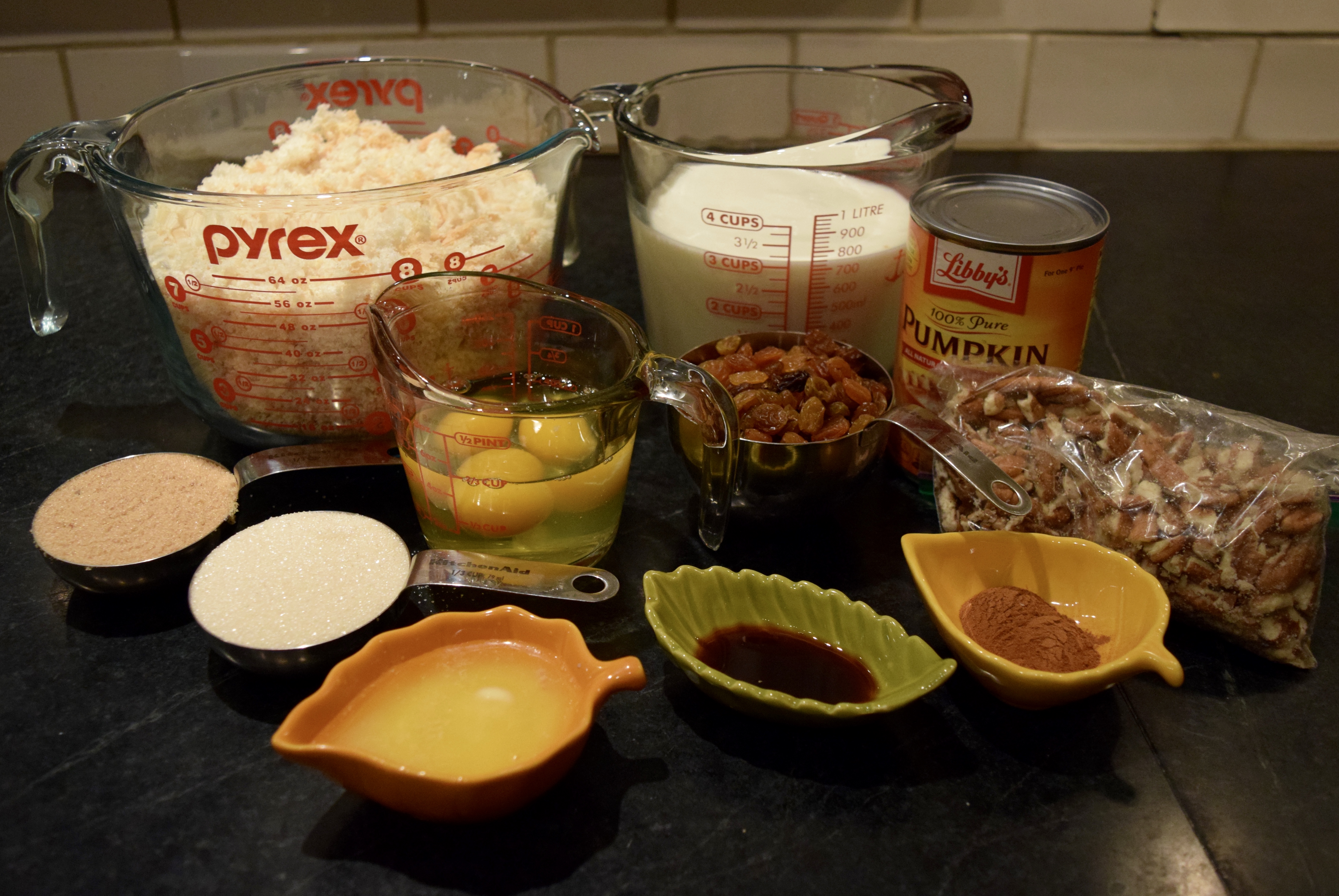
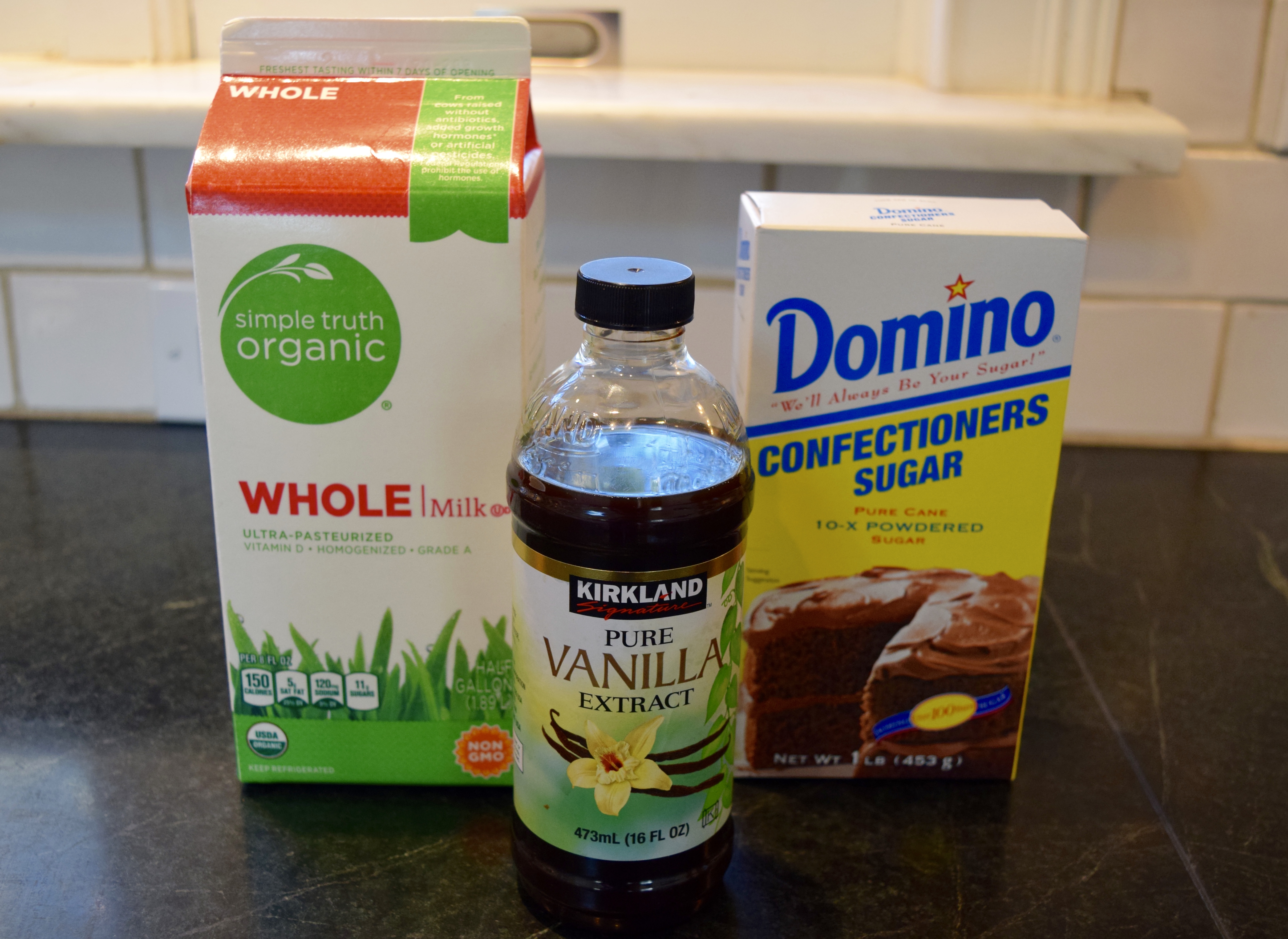
Ingredients:
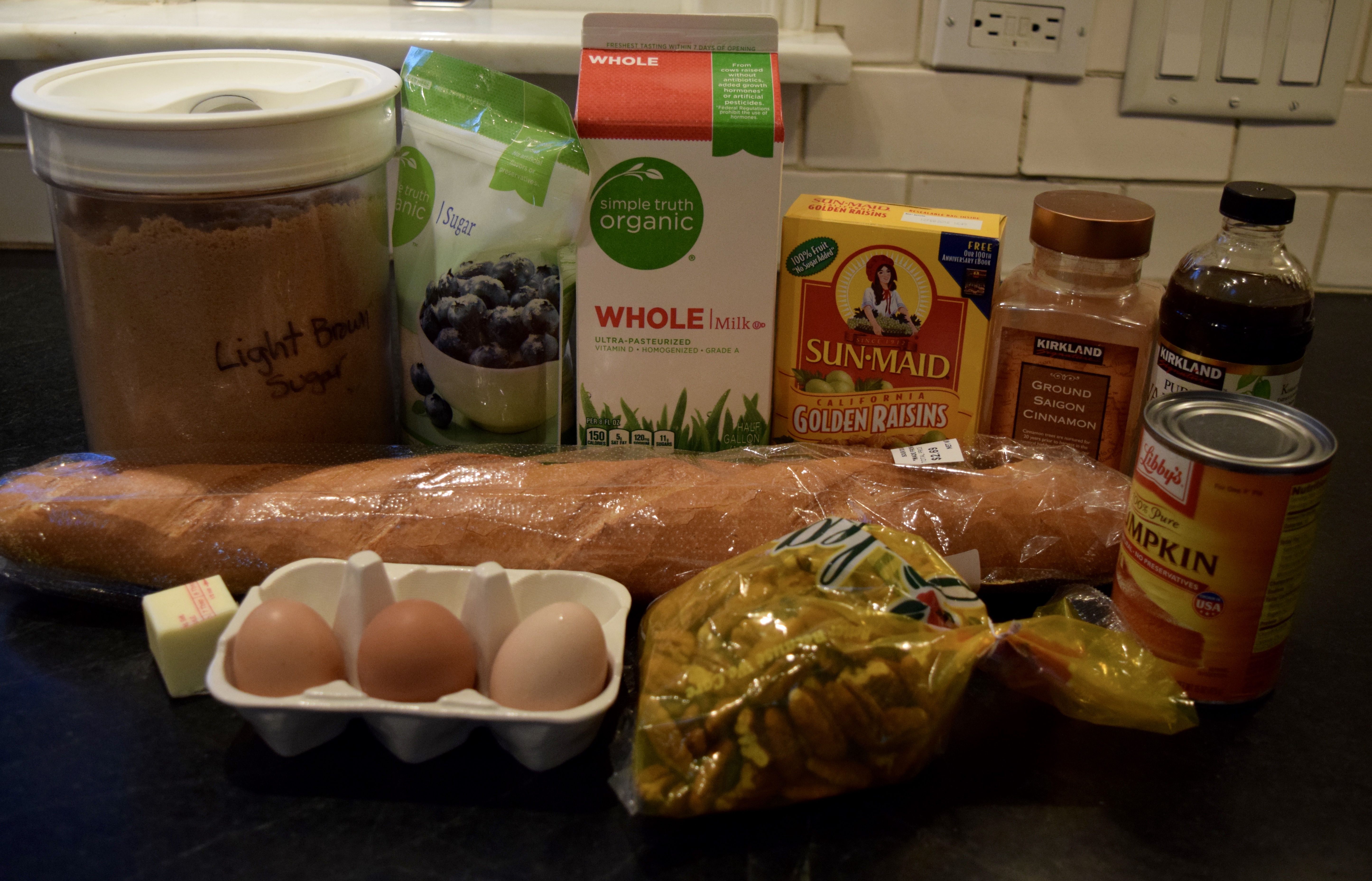
DSC_0083

Mise en Place:

DSC_0054

8-9 cups crusty, stale bread, roughly chopped or cubed into 1-inch squares
3 large eggs
2½ cups whole milk, at room temperature
½ cup granulated sugar
½ cup brown sugar
2 tablespoons butter, melted
2 teaspoons vanilla extract
2 teaspoons ground cinnamon
1¾ cups pumpkin purée (one 15 oz can or purée from a small pie pumpkin)
1 cup golden raisins
1 cup pecans, roughly chopped

Directions:
Preheat oven to 350º.

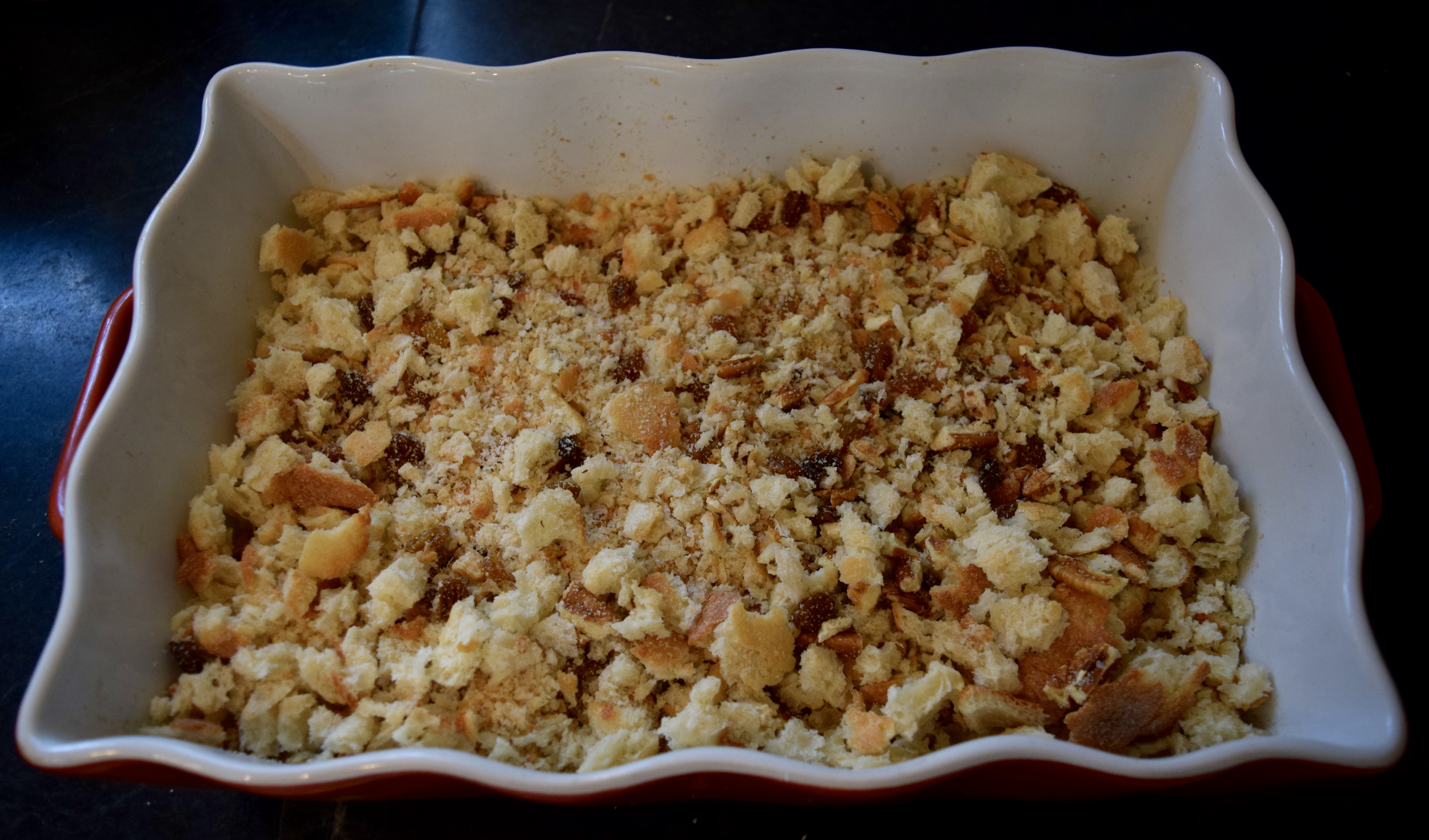
Butter a 9 x 12-inch baking pan or a similarly sized ceramic casserole dish.

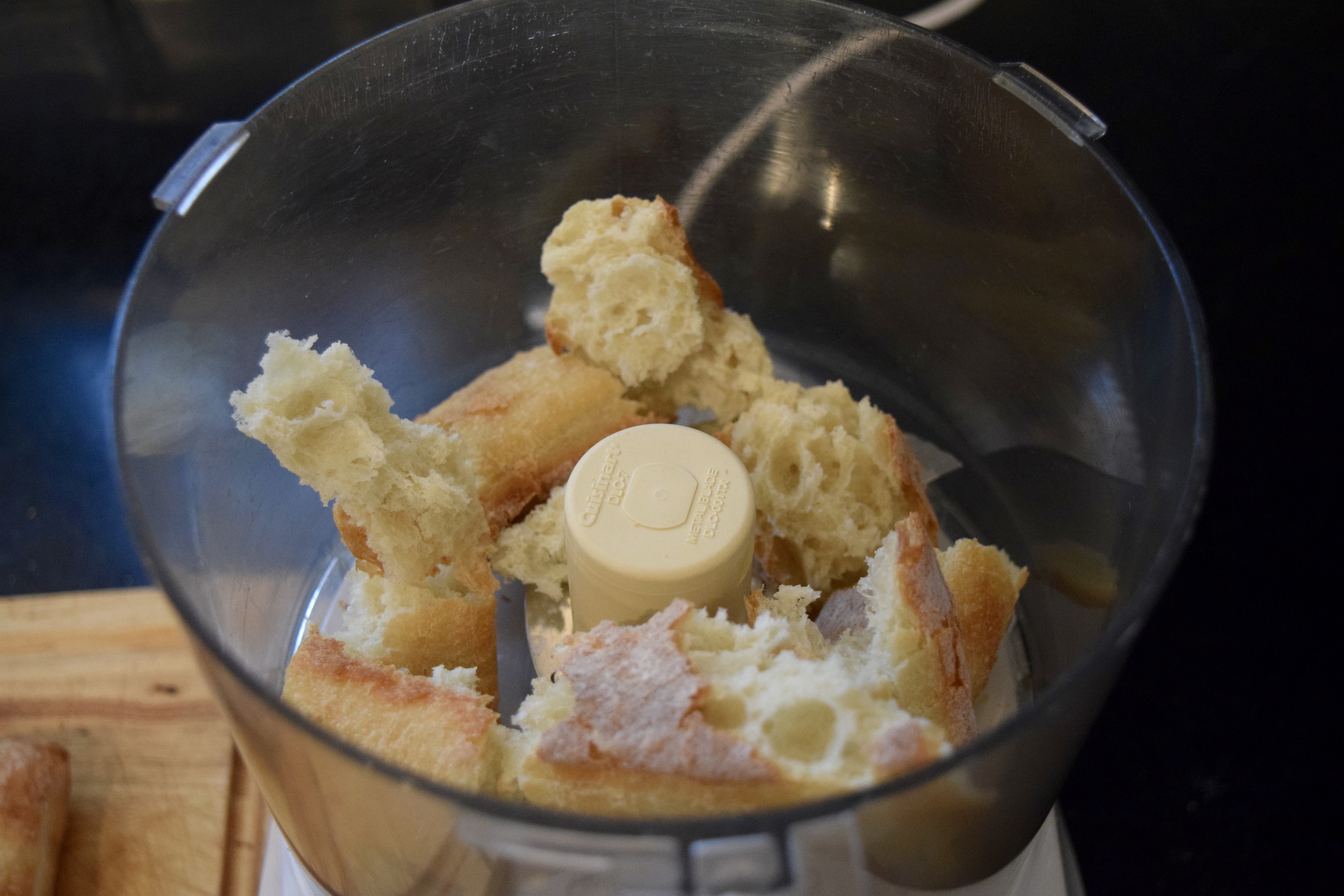
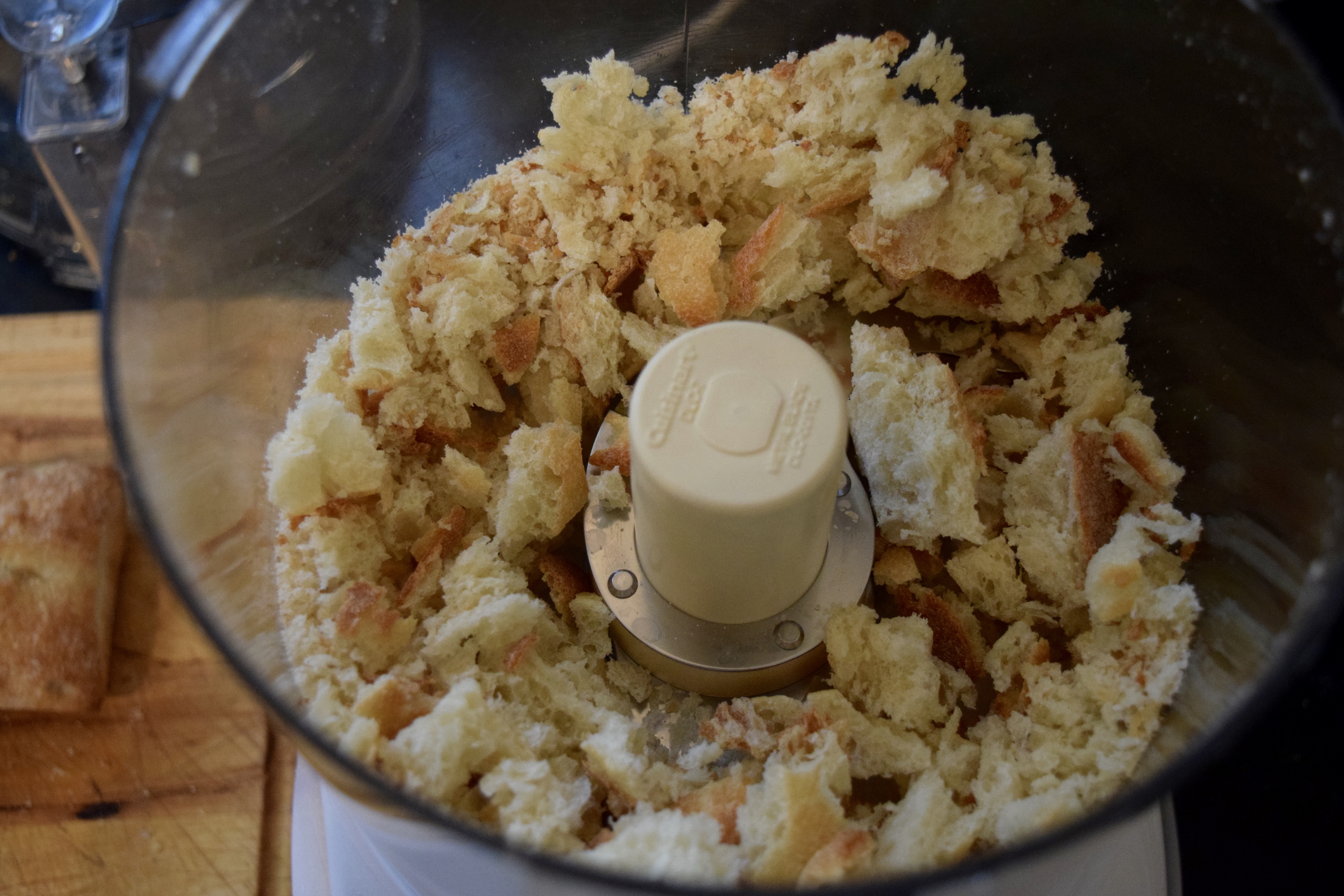
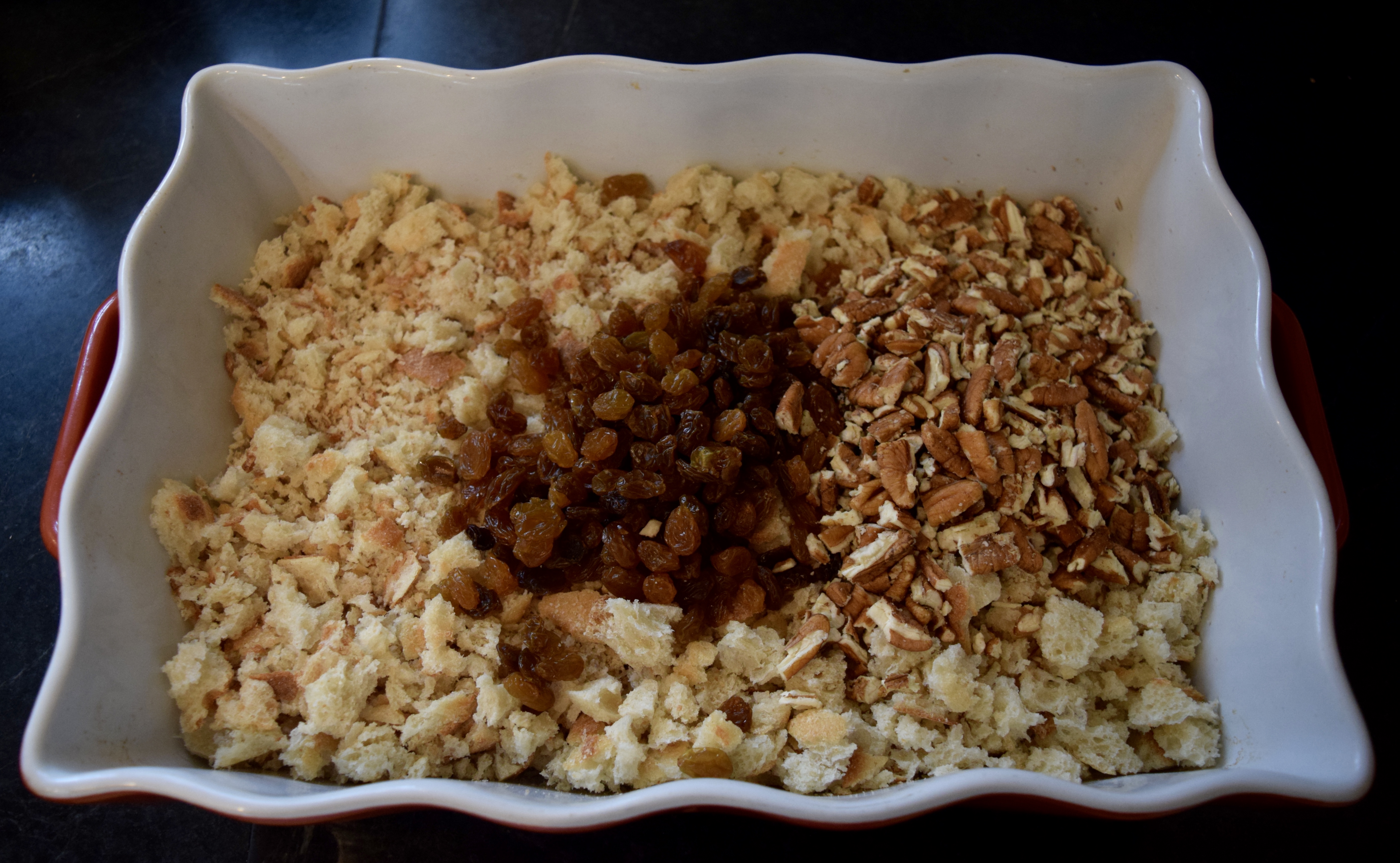
Prepare bread crumbs and arrange in baking pan.
DSC_0440 DSC_0442 DSC_0444

Add raisins and chopped nuts to and mix well.
DSC_0469 DSC_0470

Add eggs to mixing bowl and beat on medium speed until blended.DSC_0055
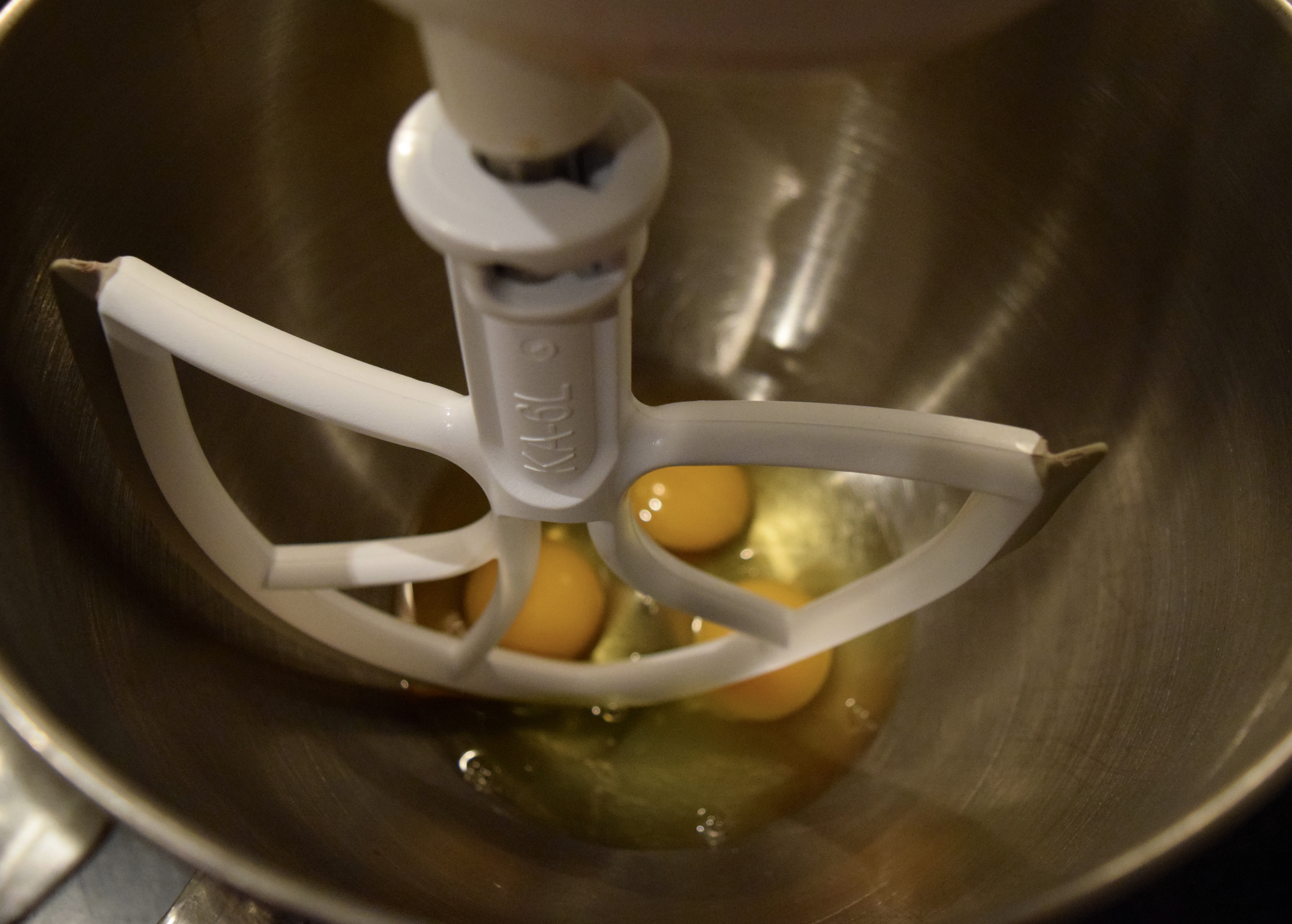
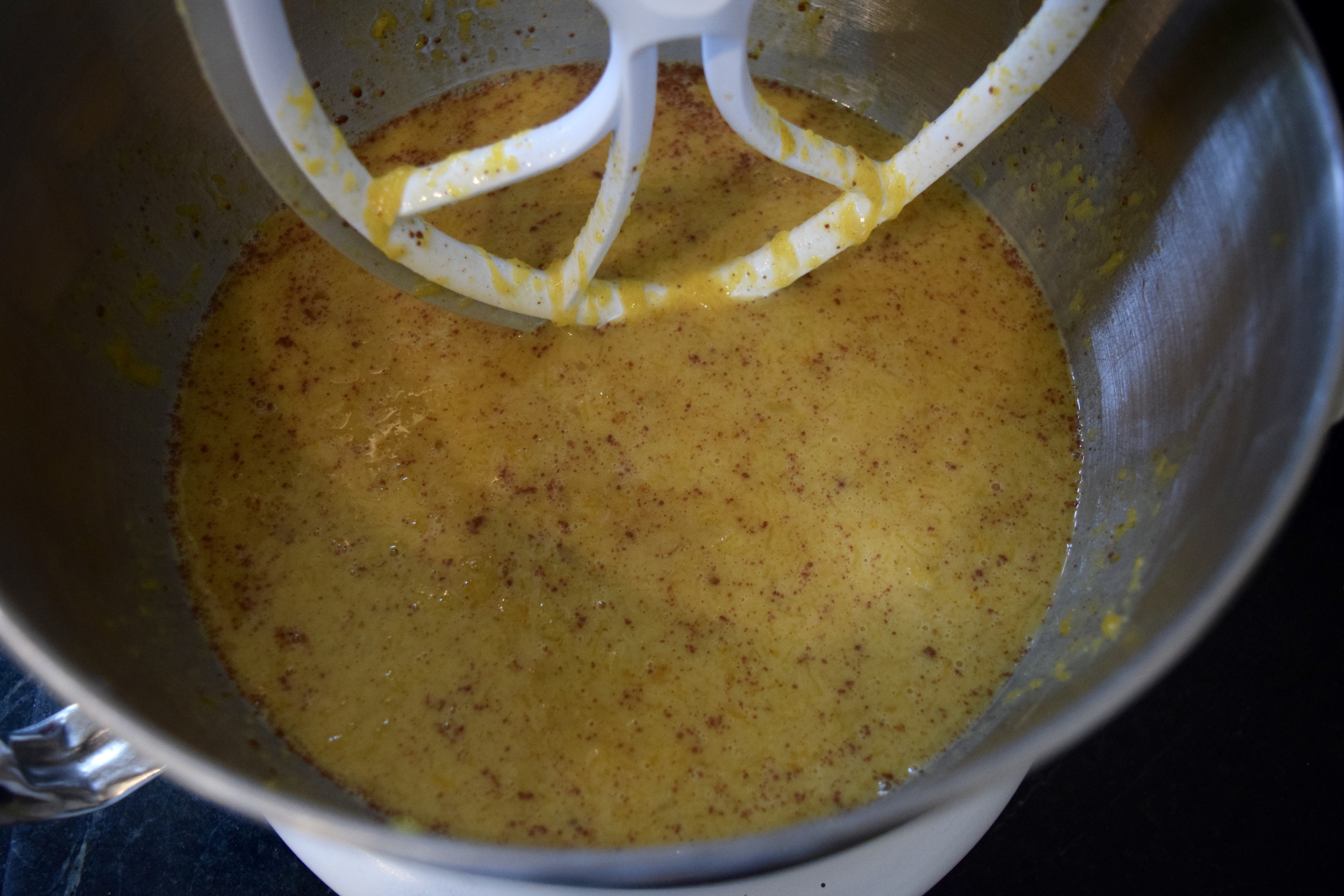
Add milk, sugars, butter, vanilla, cinnamon, and pumpkin purée. Mix well for about 30 seconds.
DSC_0474

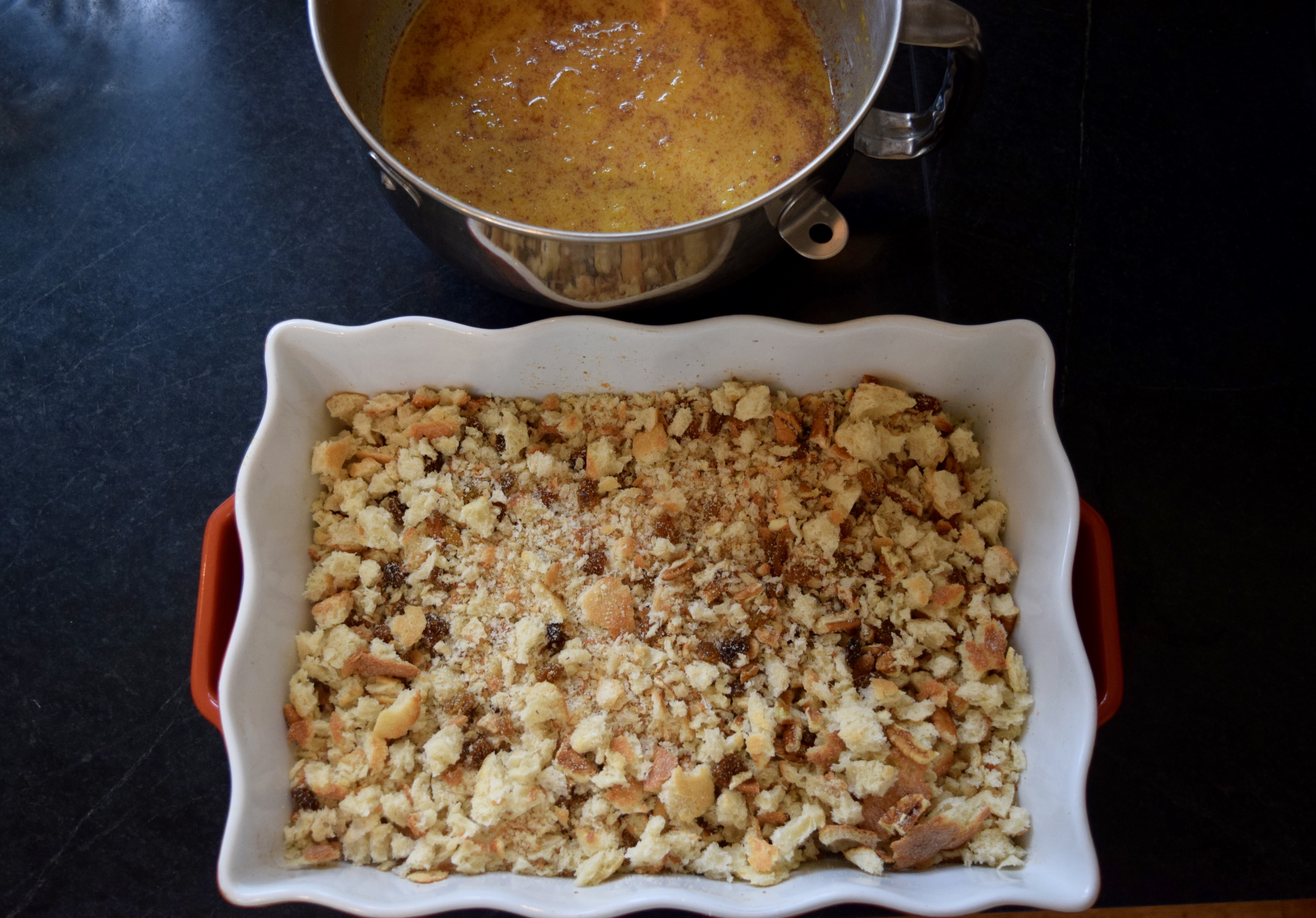
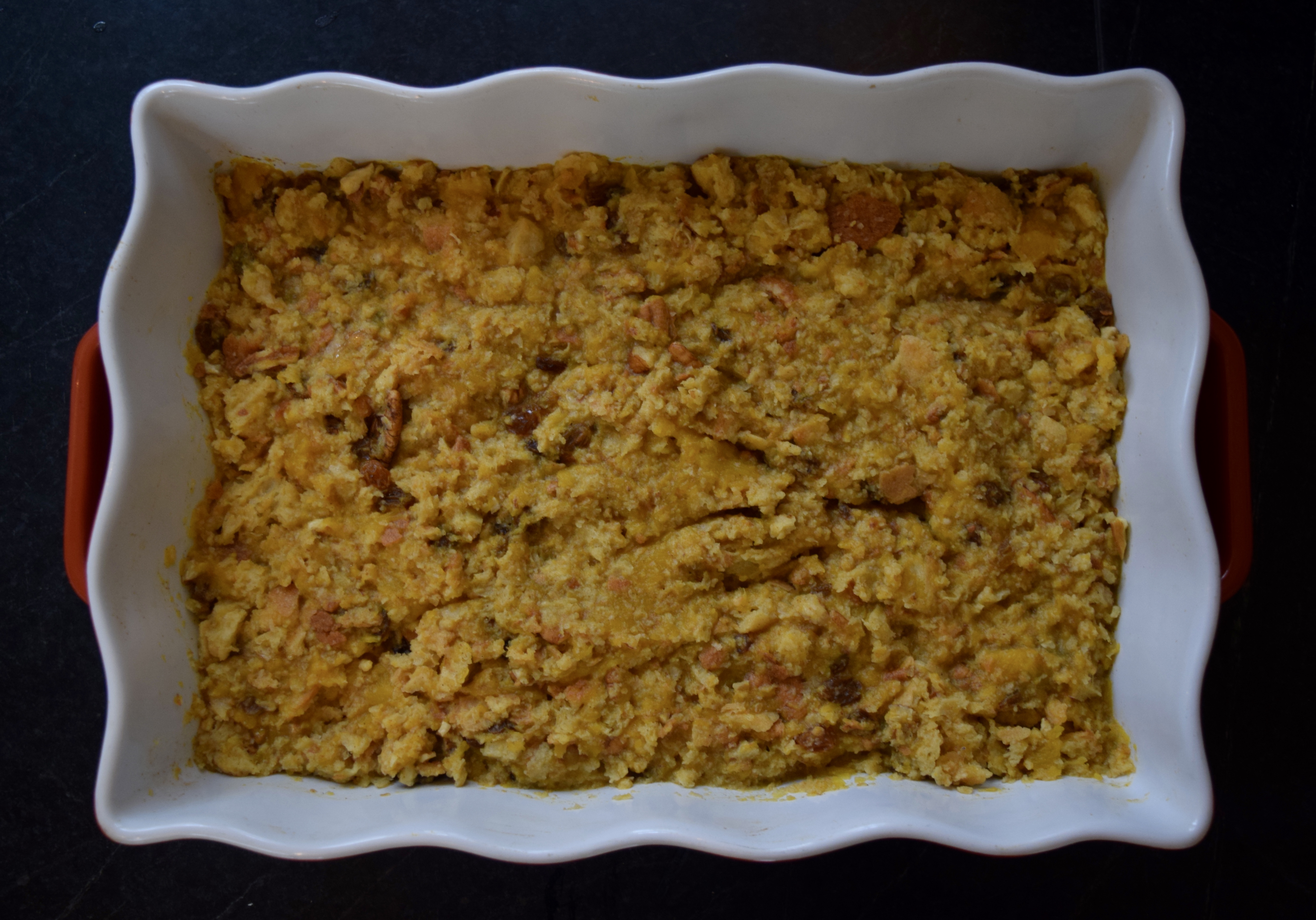
Pour pudding on top of bread and let liquid seep into the breadcrumb mixture. Lightly press down, so all the bread is submerged in the custard. Let set for about 20 minutes. Use a fork to check that all the breadcrumbs are moist.
DSC_0476

The overall consistency should be like that of thick oatmeal. If it appears to be soupy, add more diced bread.
DSC_0482

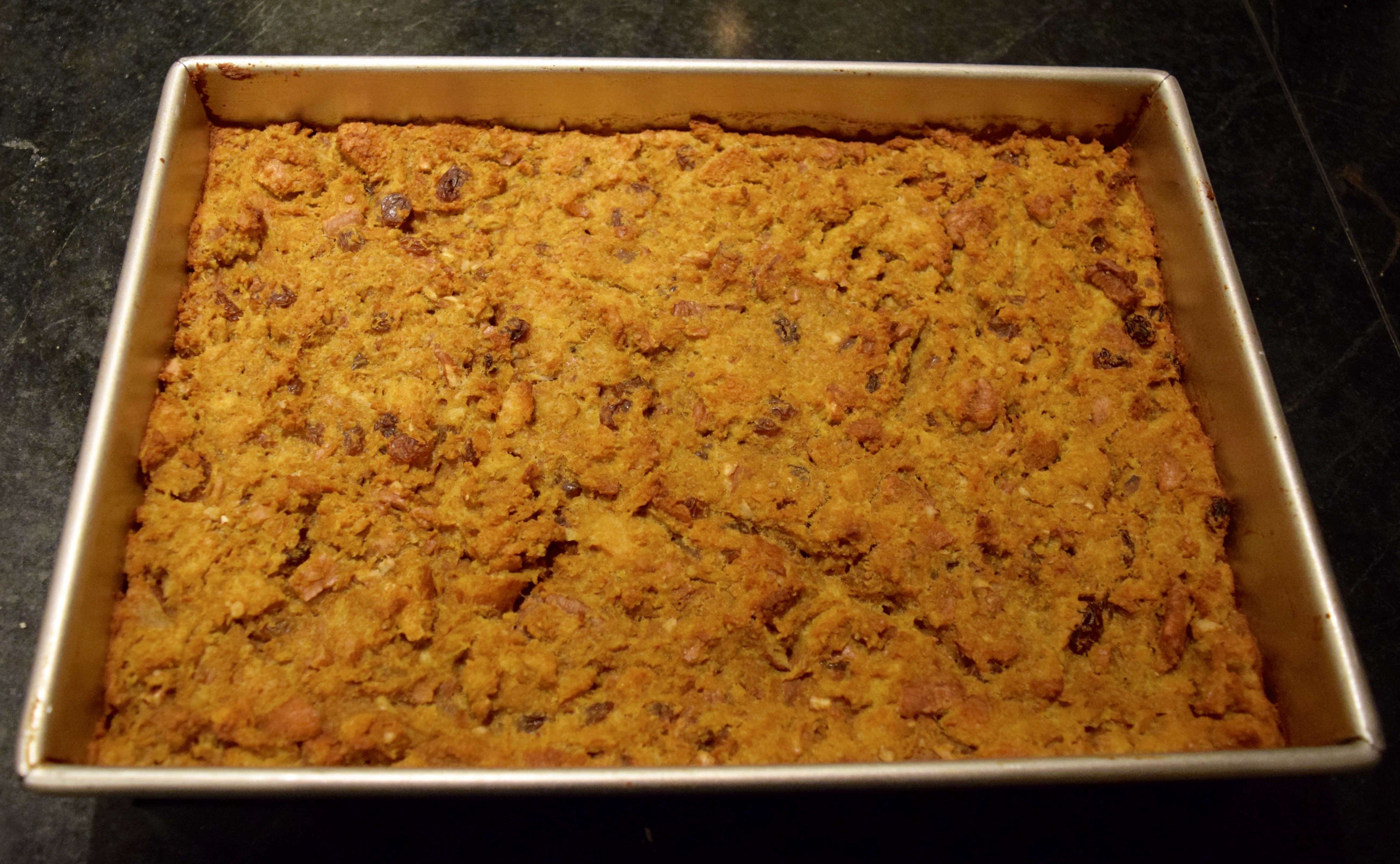
Bake for about 50-60 minutes on the middle shelf of the oven. It’s ready when the crust just starts to turn color to a light brown.
DSC_0088

To Serve:

How to Make Vanilla Glaze:

DSC_0264

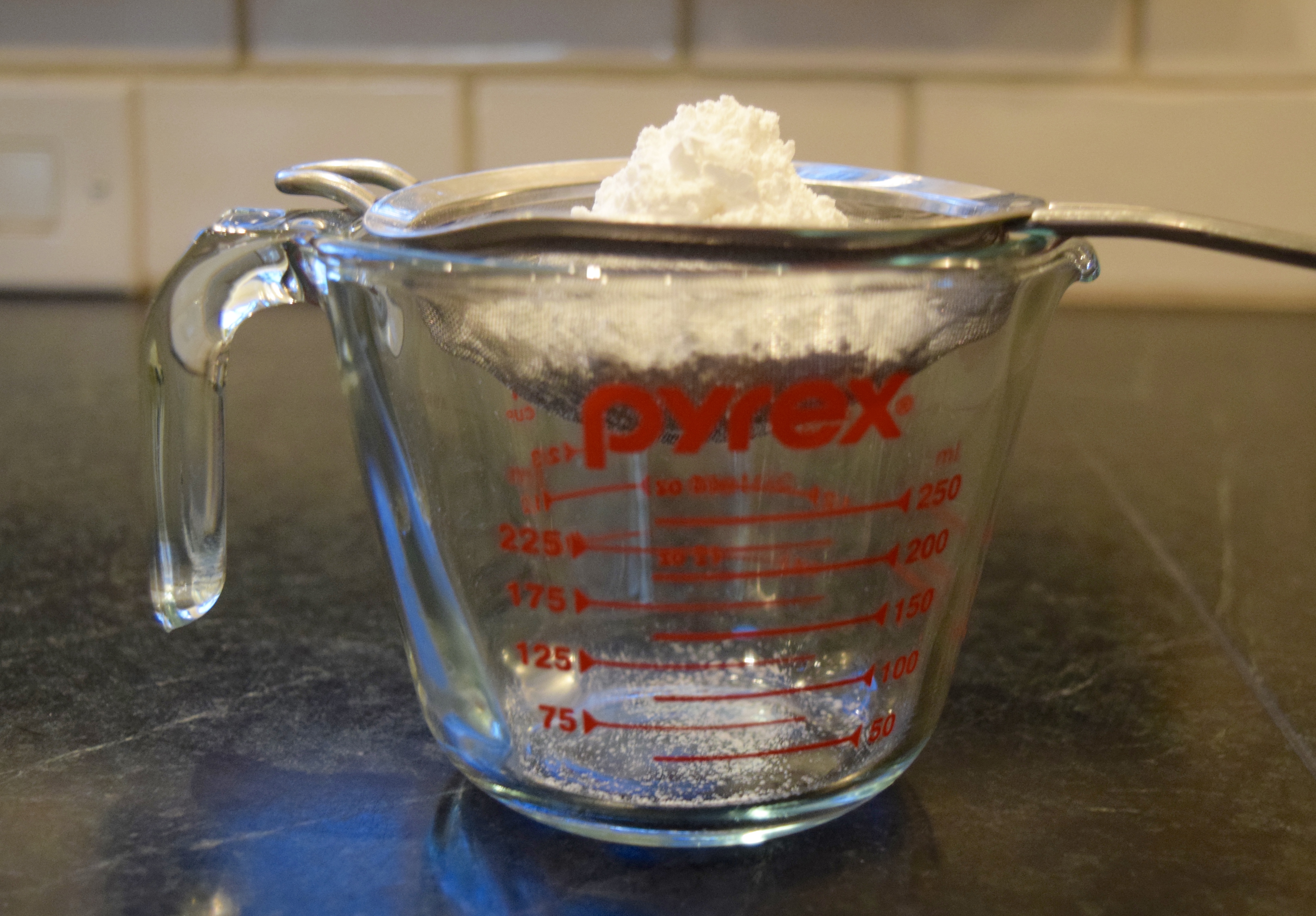
1 cup powdered confectioner’s sugar (aka 10x sugar), sifted
1 tablespoons milk
1/2 teaspoon vanilla extract

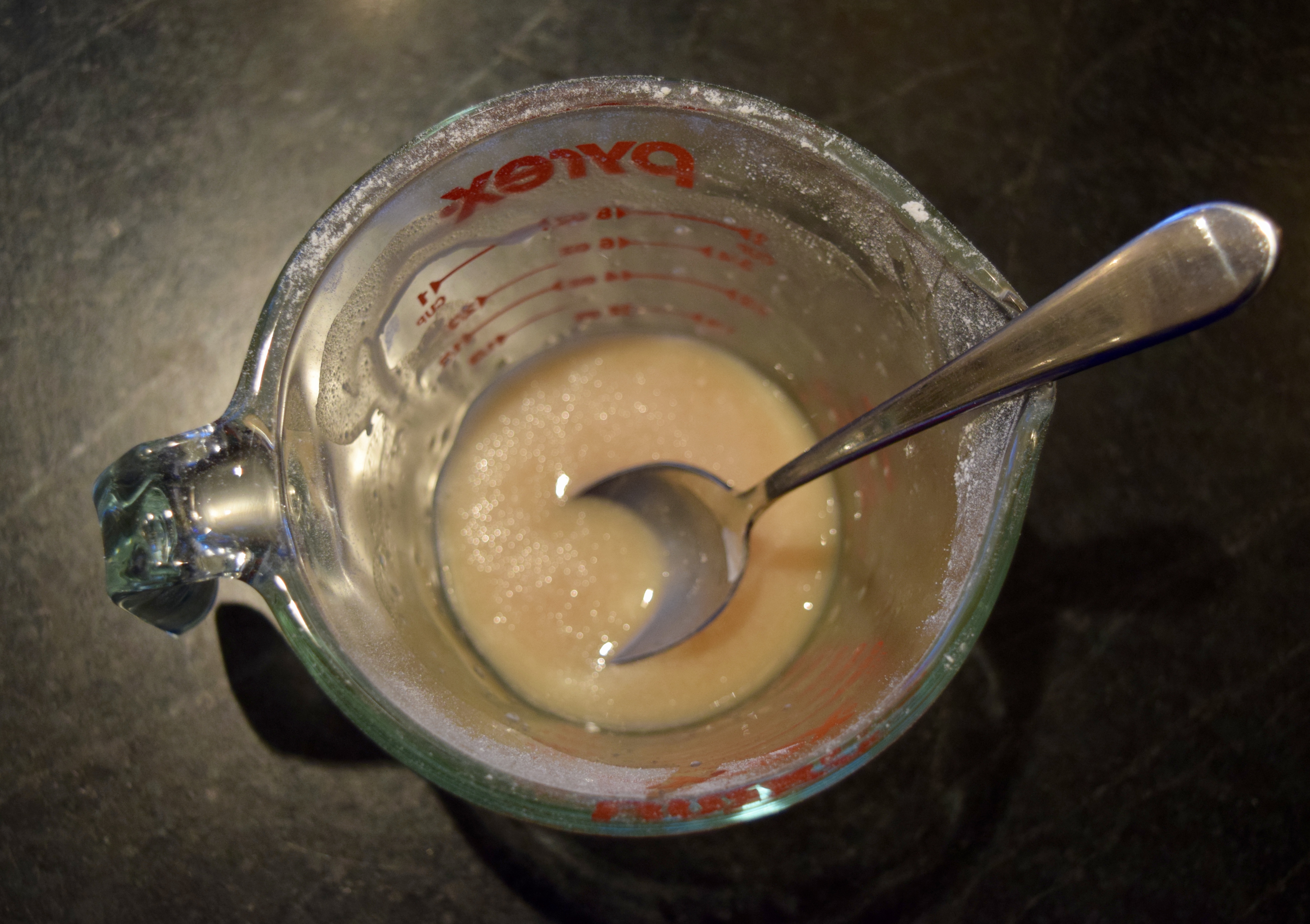
Be sure to sift the sugar, so it isn’t lumpy. Mix ingredients together. Usually, when using this glaze, I pour it over the whole dessert and then cut squares and place them on plates to serve.
DSC_0338 DSC_0342

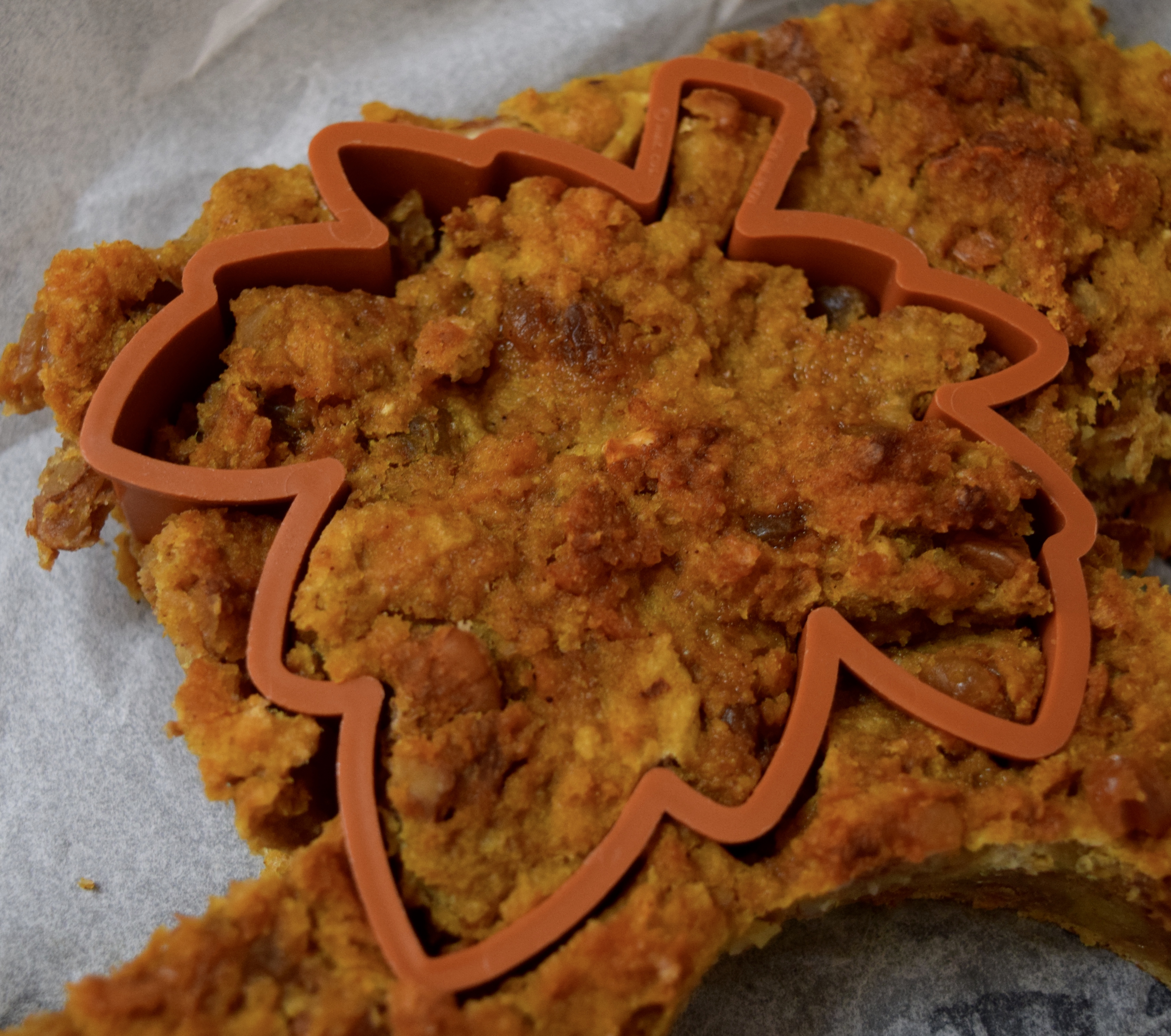
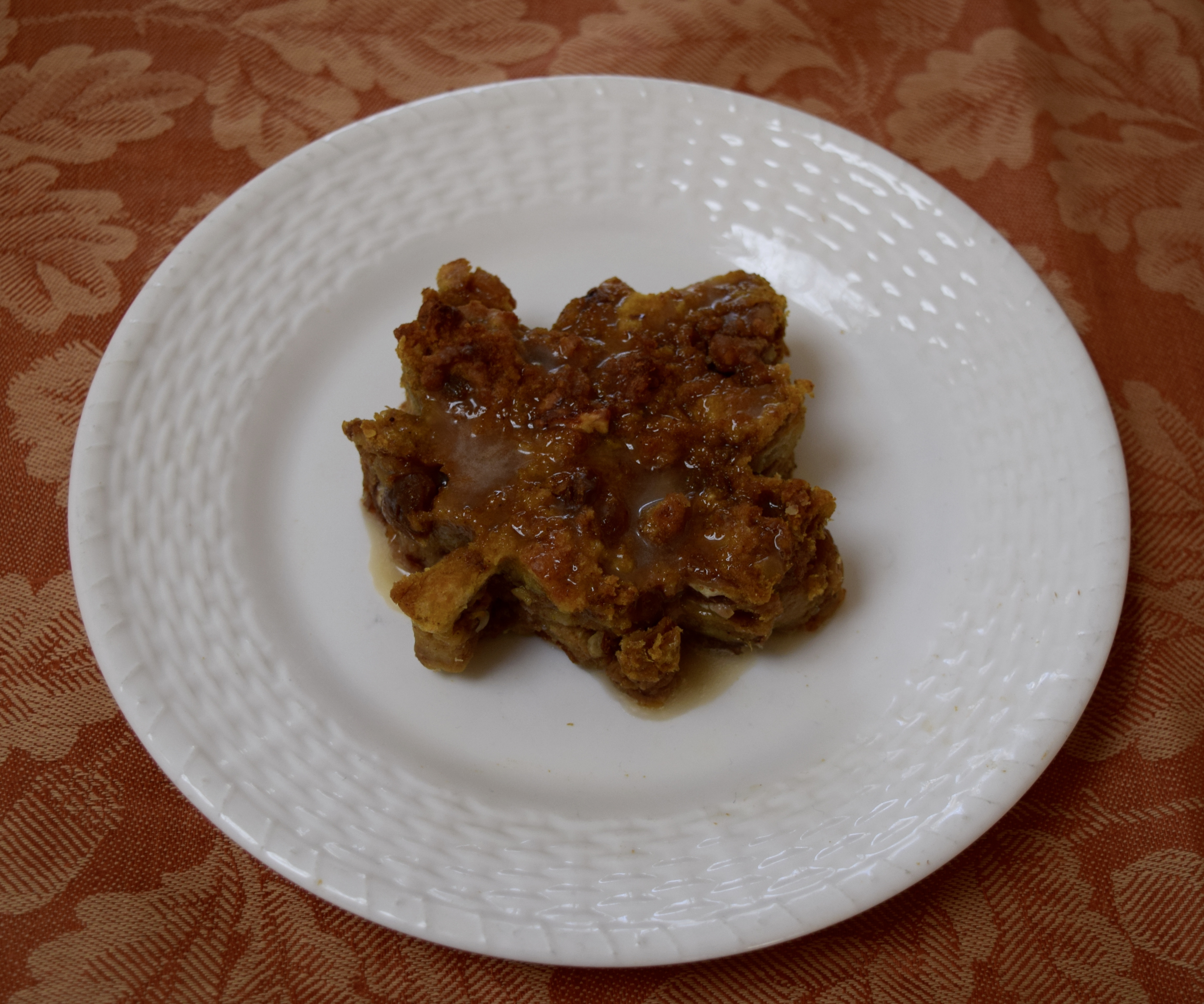
I had some bread pudding leftovers in the refrigerator and decided to play around with it. After cutting out the leaf shape with a cookie cutter, I warmed it in the microwave and then drizzled the Vanilla Glaze over it. It was good.
DSC_0350 DSC_0413

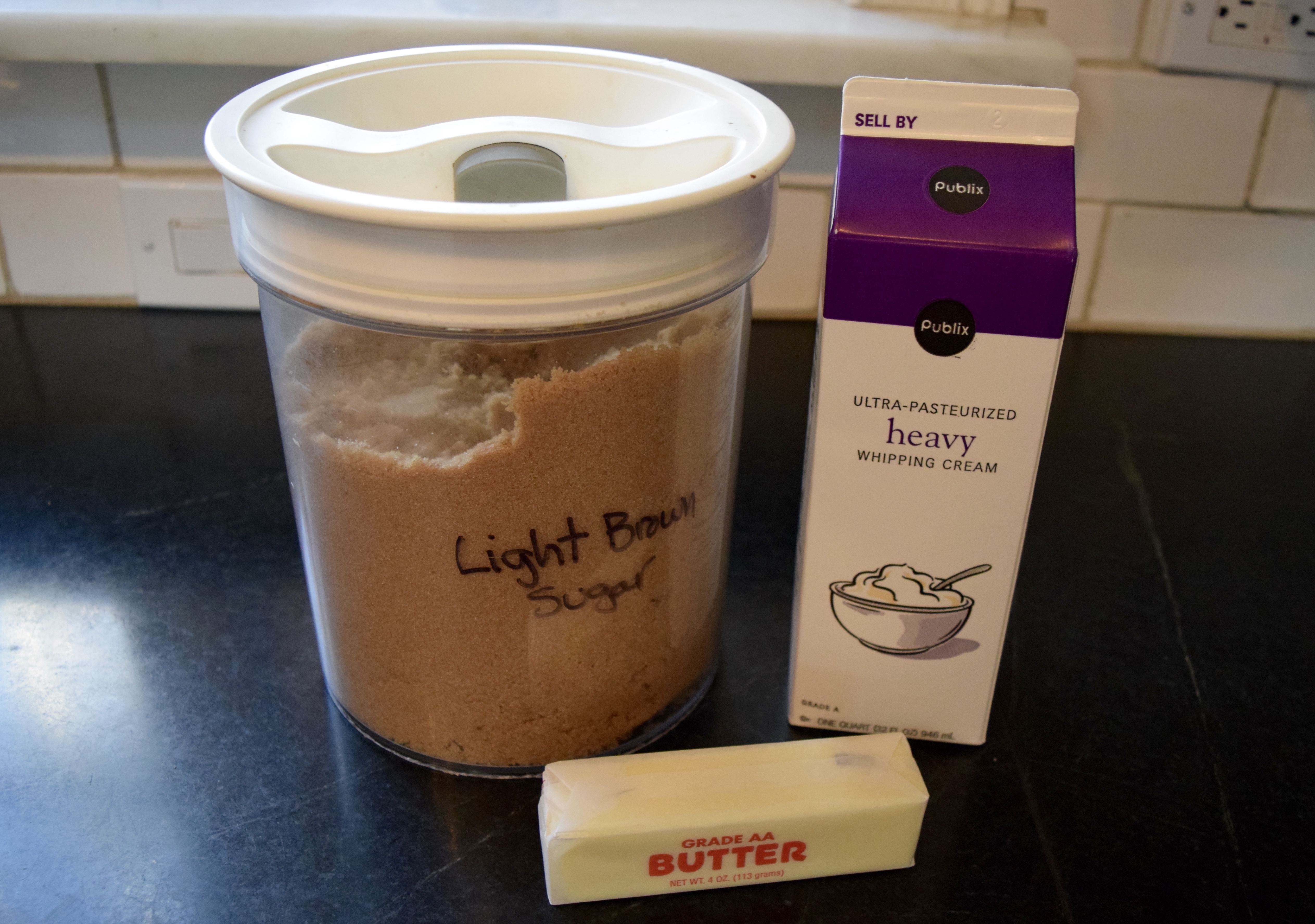
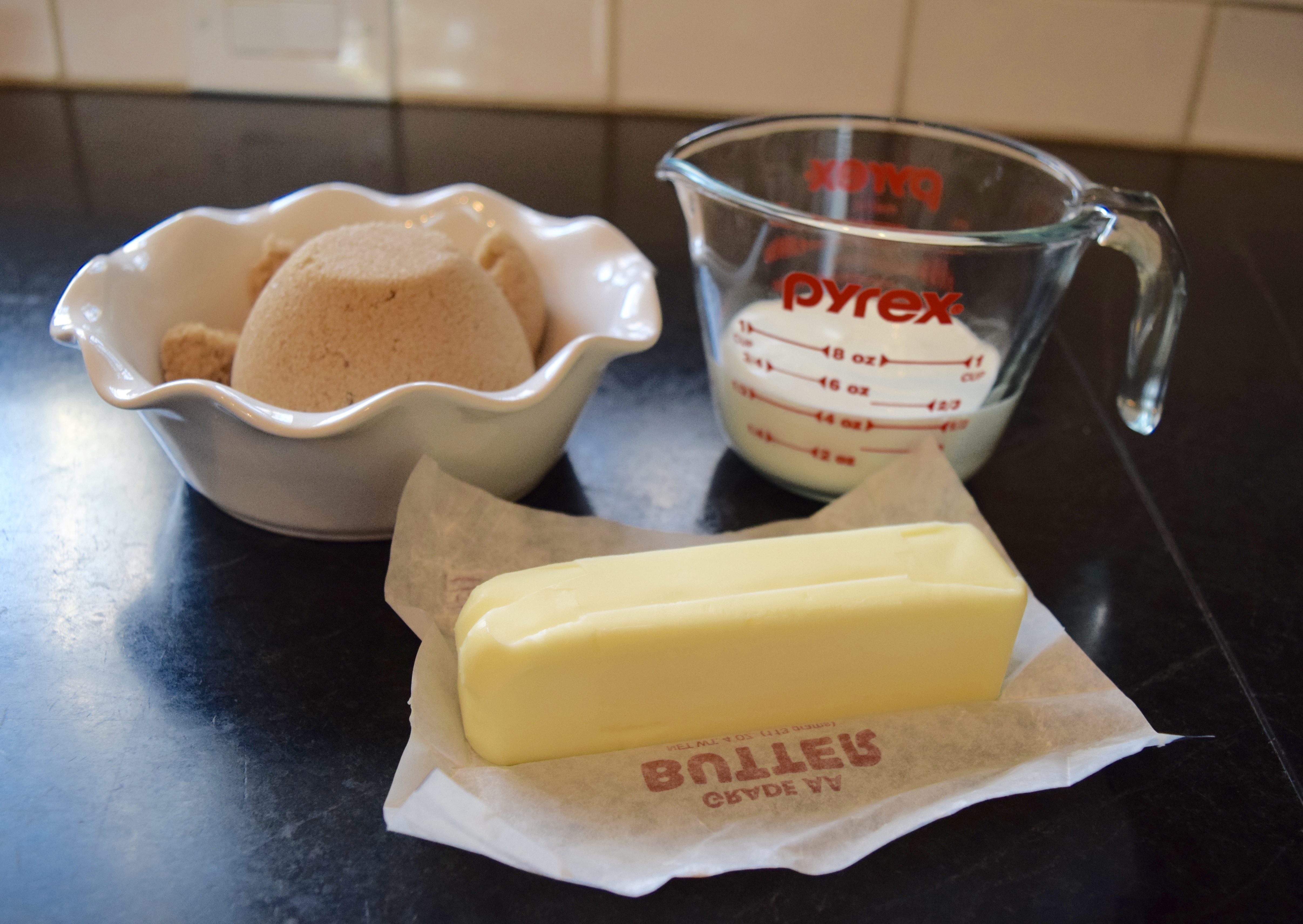
How to Make Caramel Sauce:

DSC_0100 DSC_0102

1¼ cups packed brown sugar
½ cup (1 stick) butter
½ cup whipping cream or heavy cream
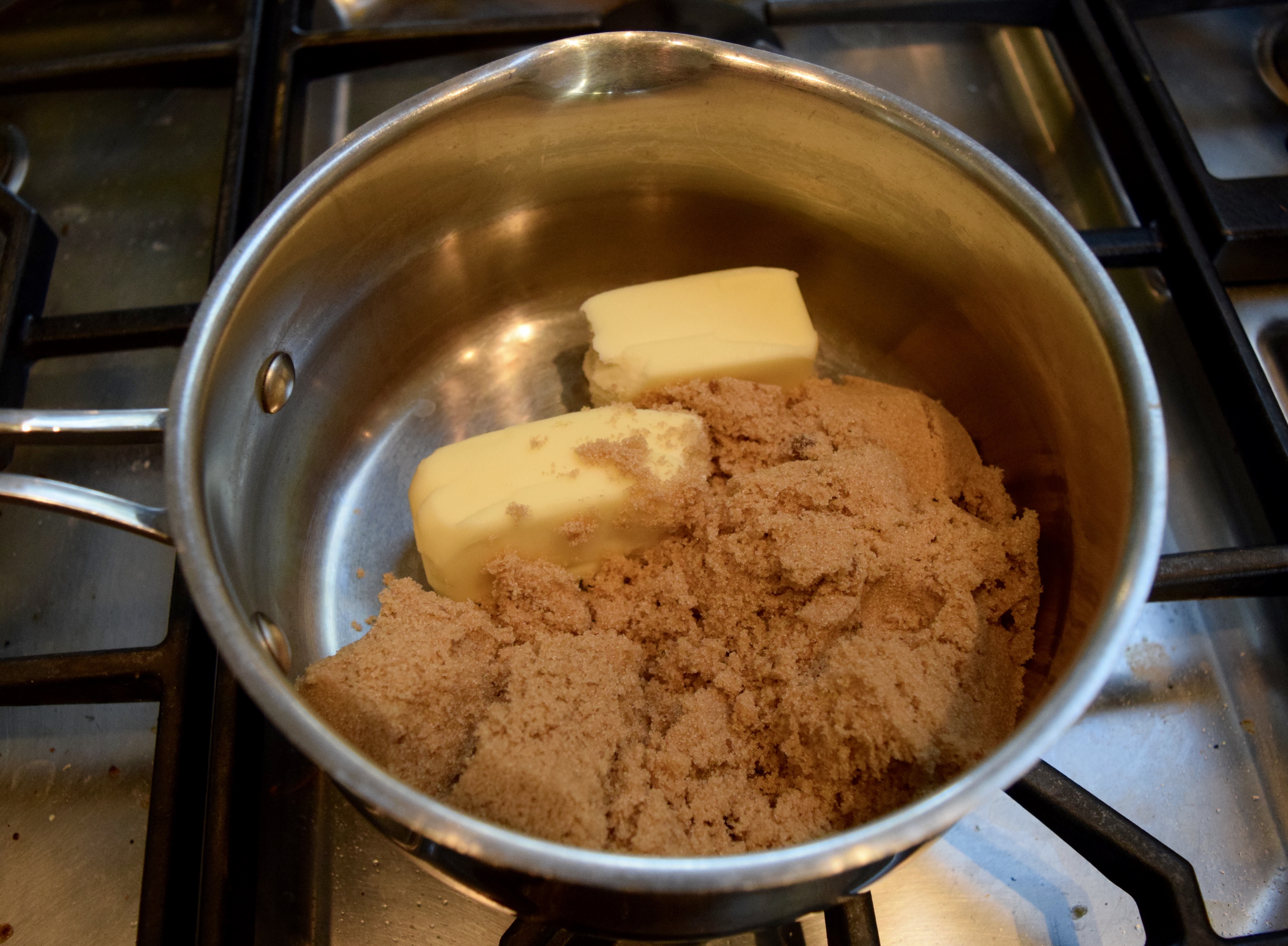
Add brown sugar and butter into a small heavy skillet and cook over medium-high heat.
DSC_0104

Whisk until butter is melted and the mixture is smooth.DSC_0107  DSC_0109
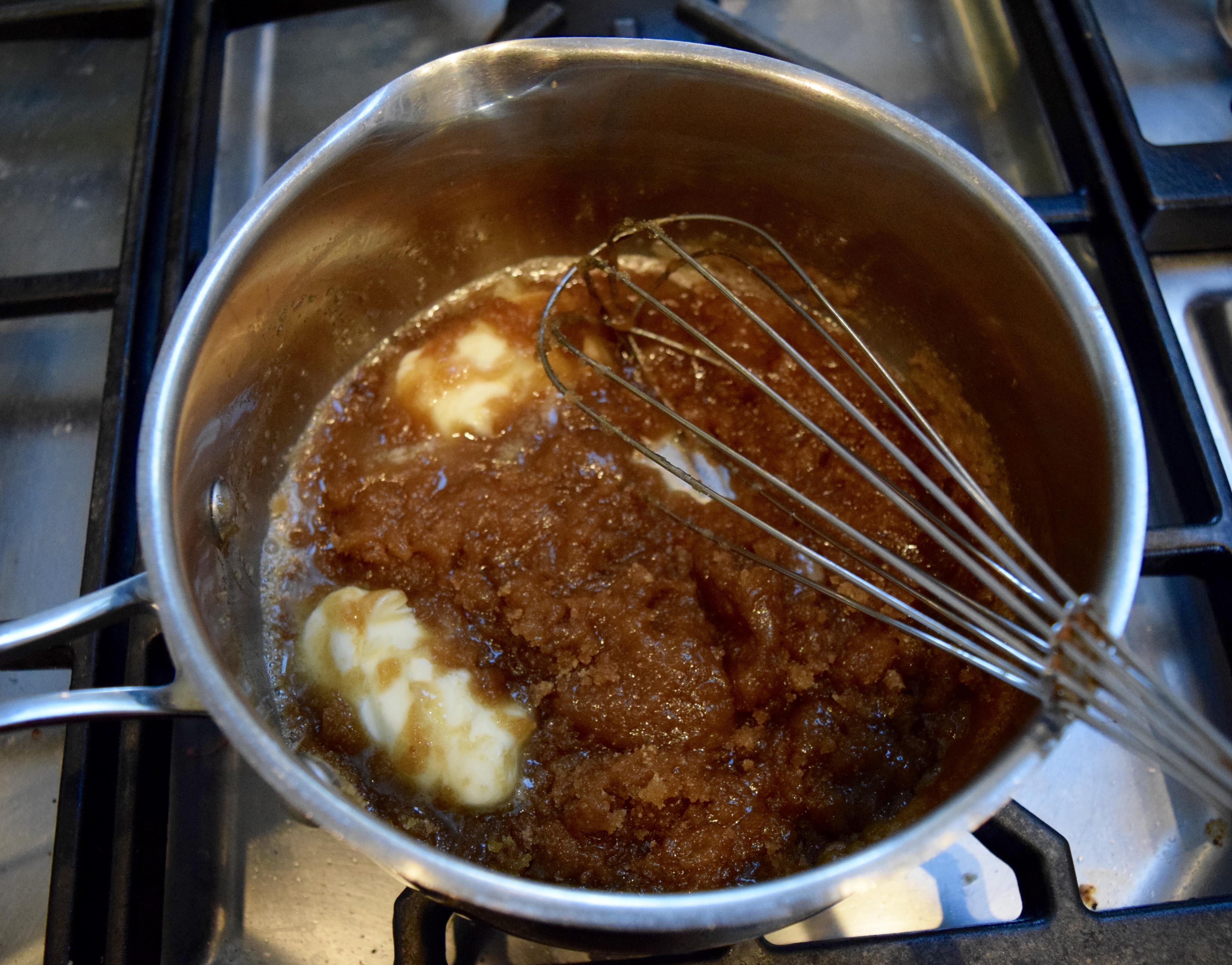
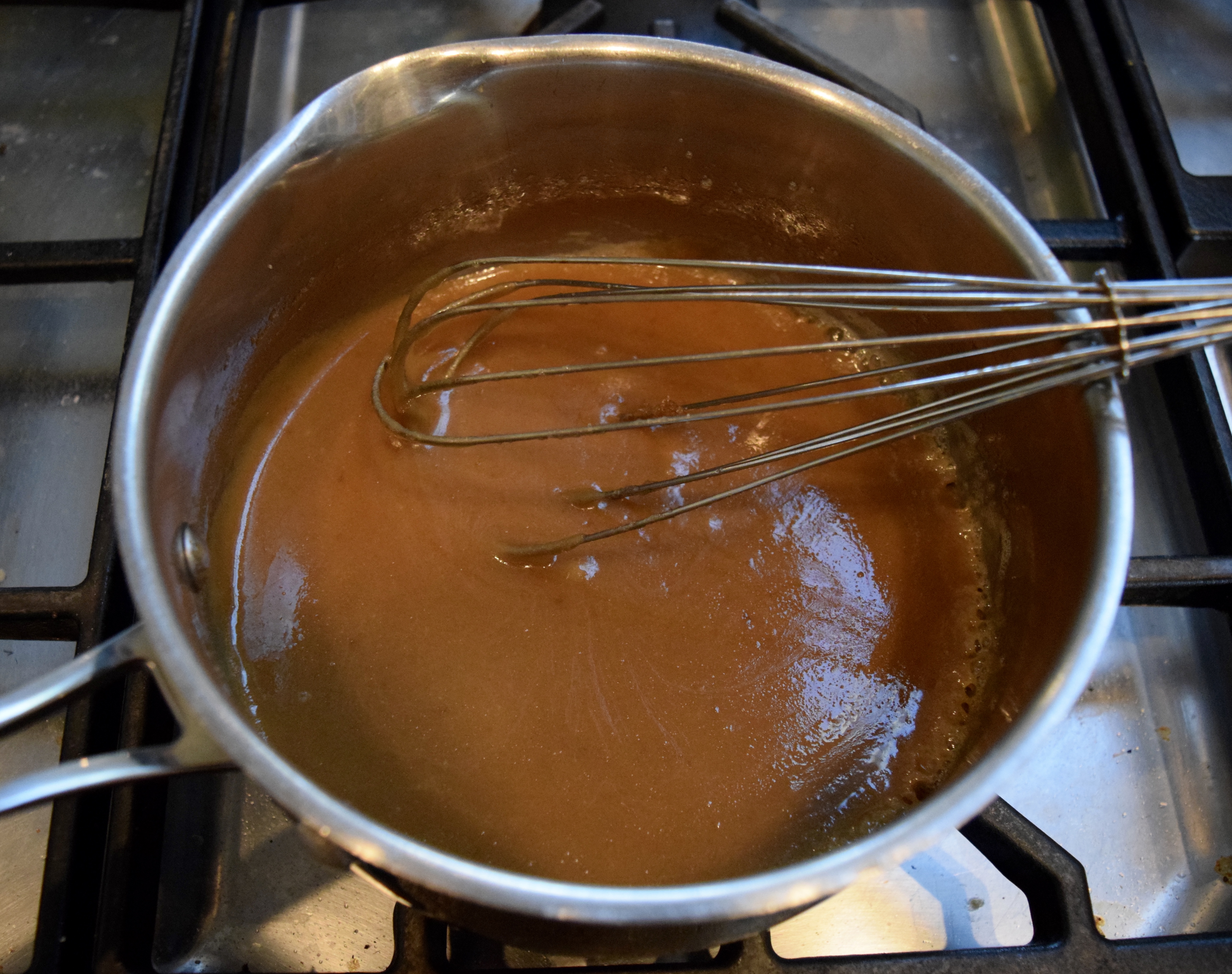
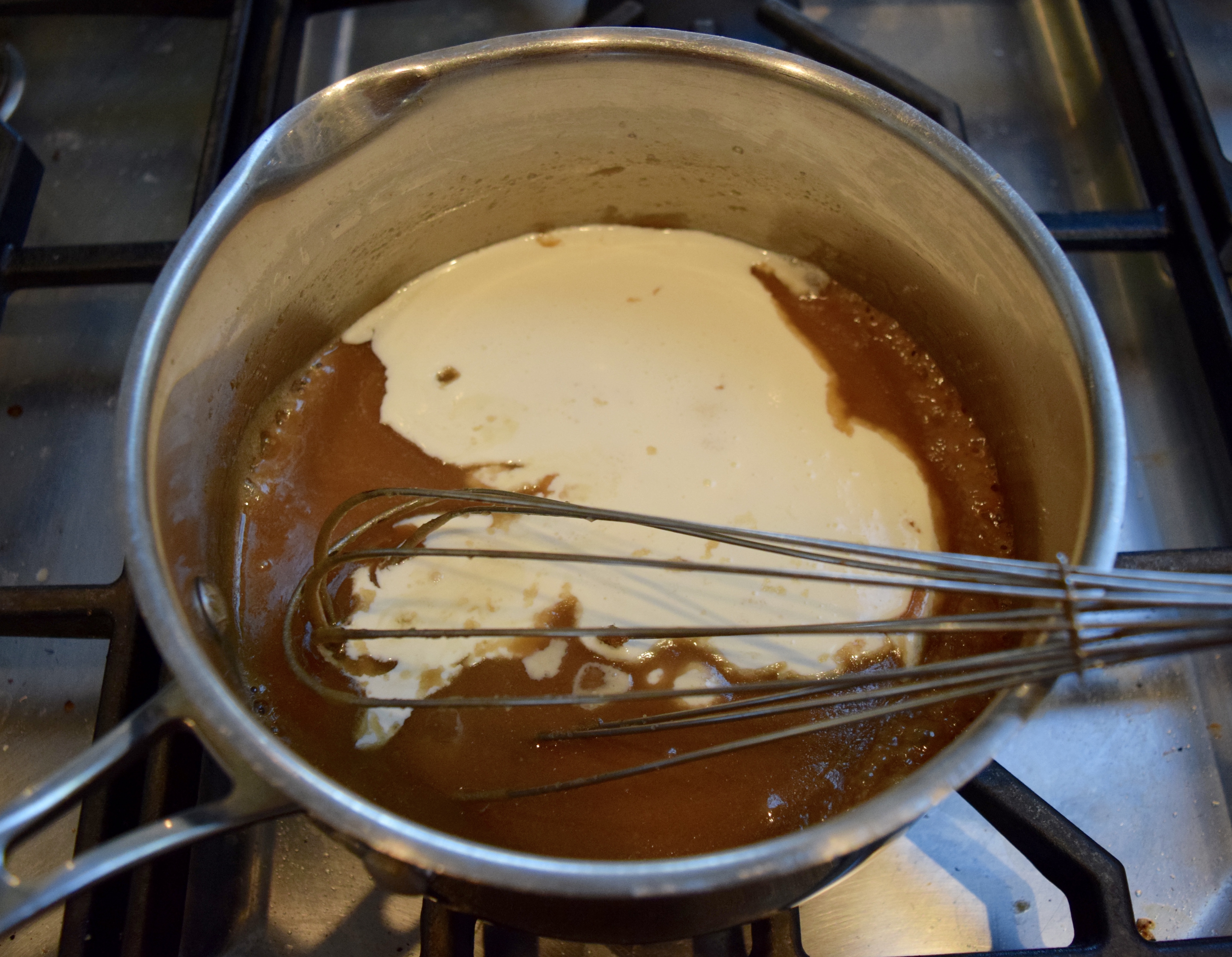
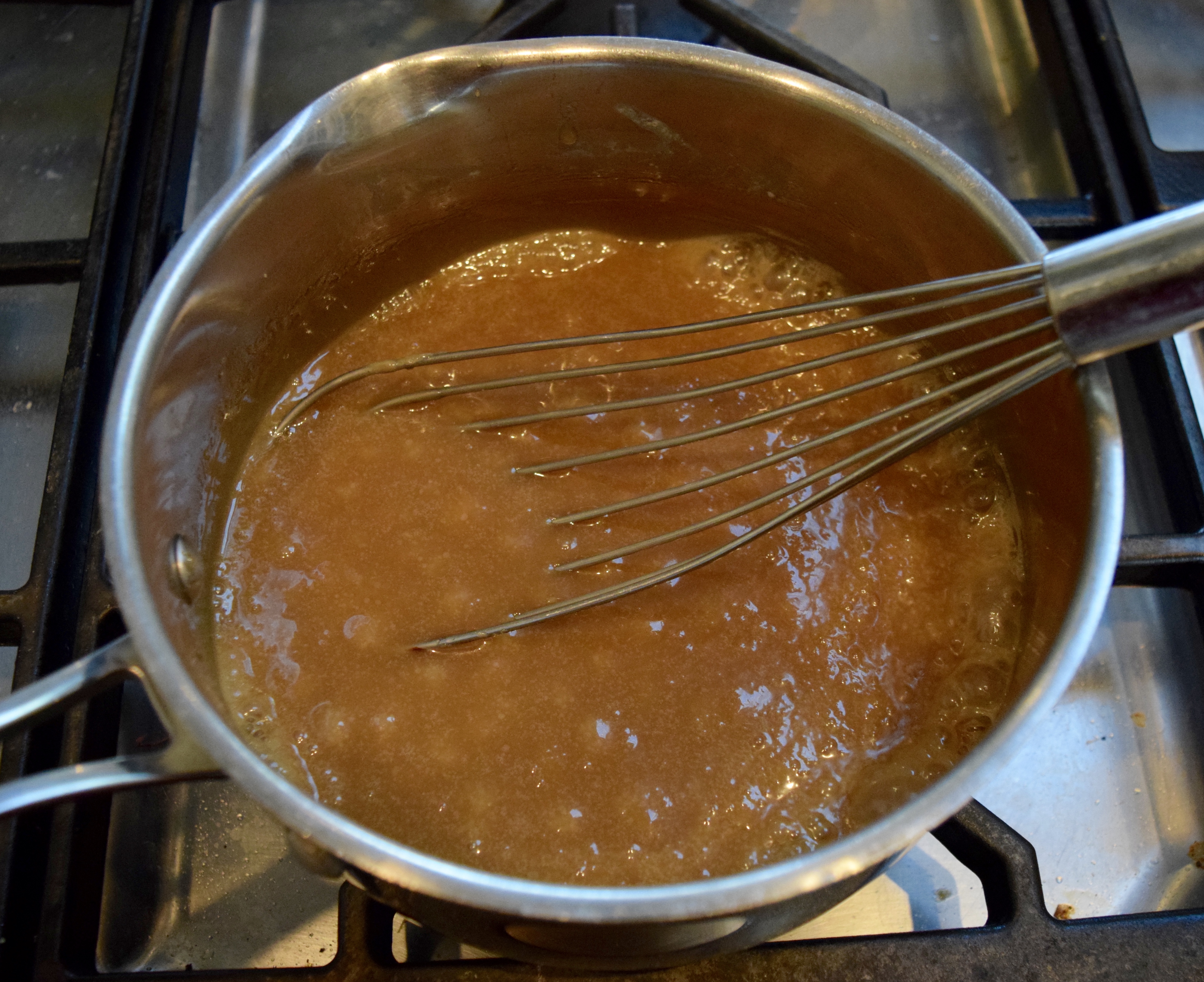
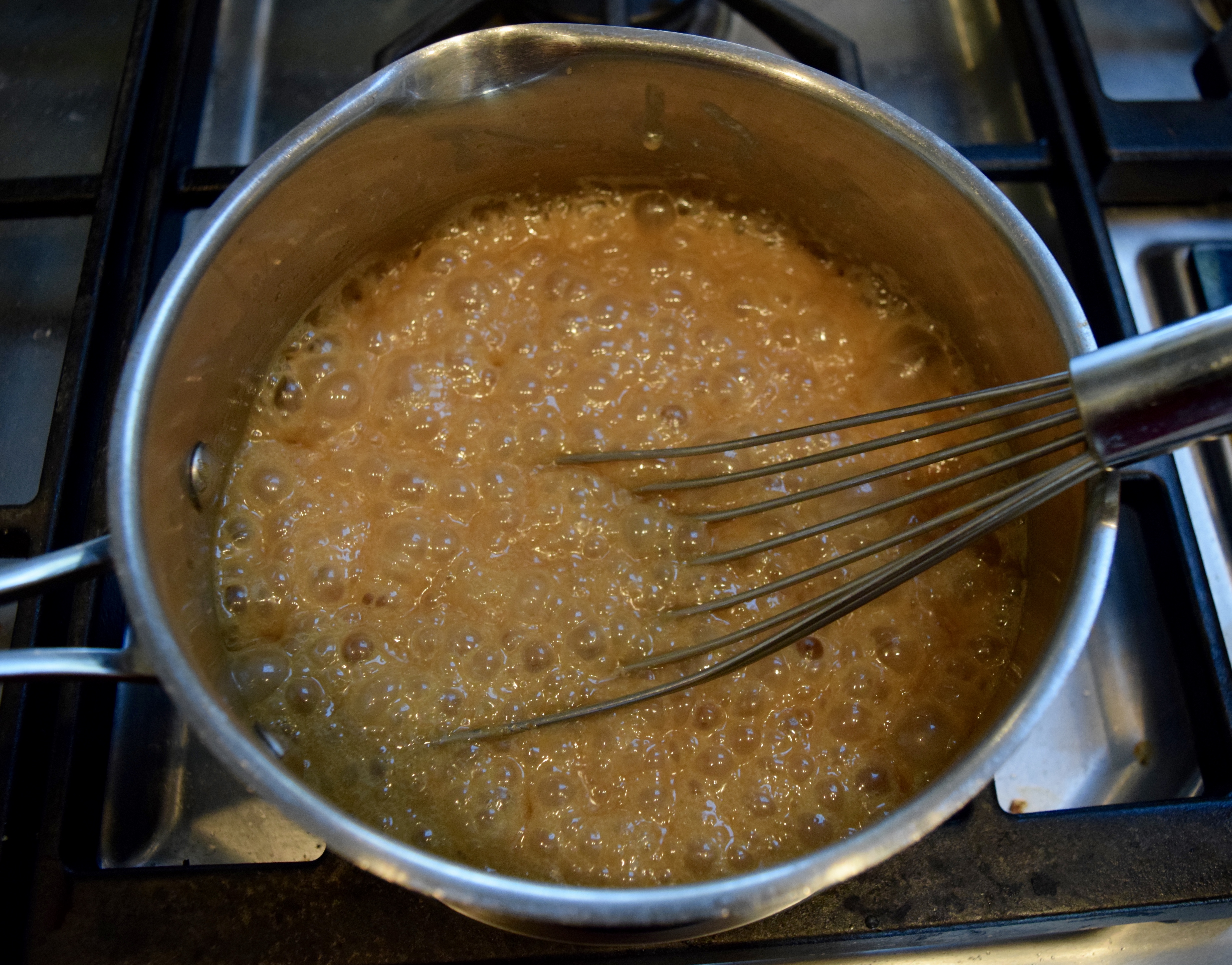
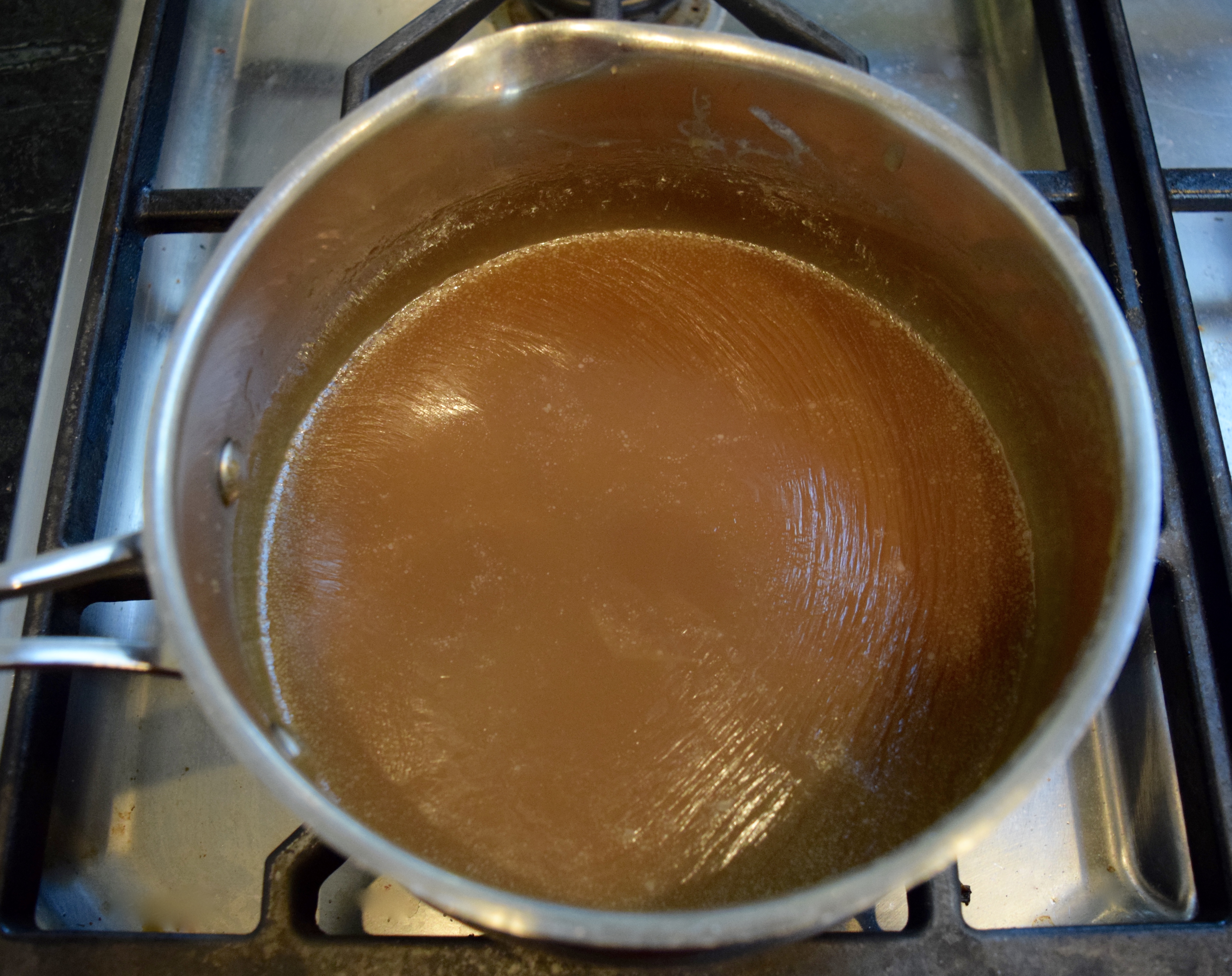
Add cream and whisk until well blended. Set your timer for three minutes and continue to cook and whisk until sugar dissolves. The caramel will come to a nice rolling boil and darken in color.
Note: the handle of the first wire whisk got very hot while I was stirring, so I switched to one with a tubular handle and it stayed cool. Something to think about when buying whisks.
DSC_0111 DSC_0113 DSC_0114 DSC_0152
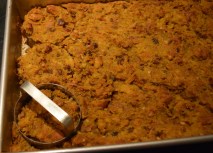
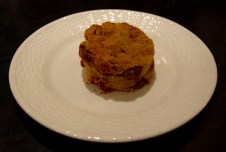
For this version of the dessert, I used a large round biscuit cutter to cut circular portions of bread pudding.
DSC_0090 DSC_0074 DSC_0076
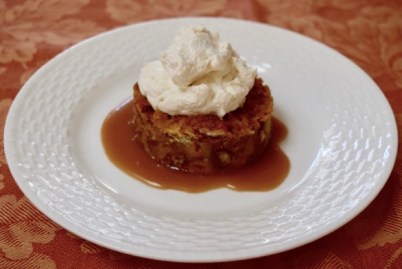
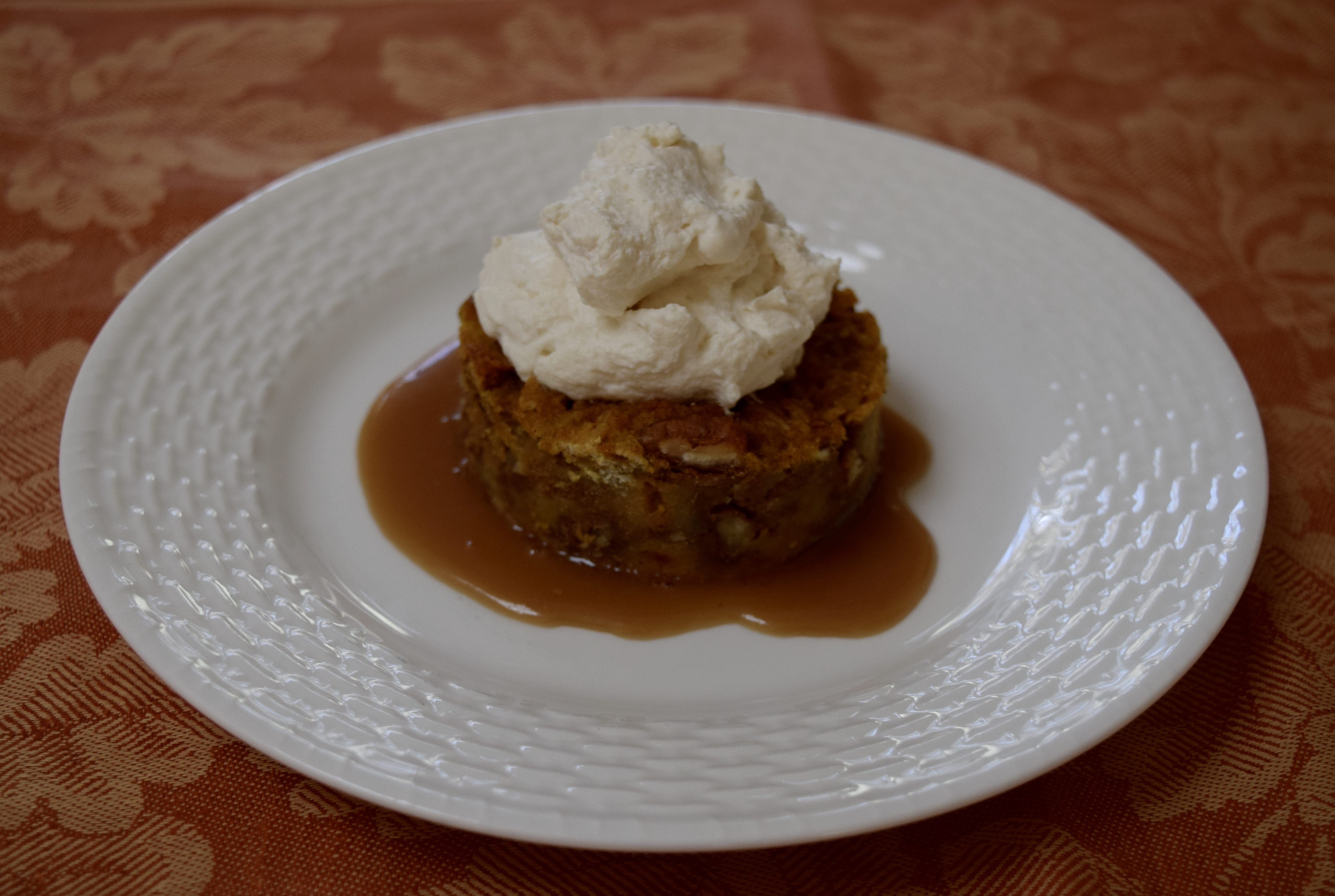
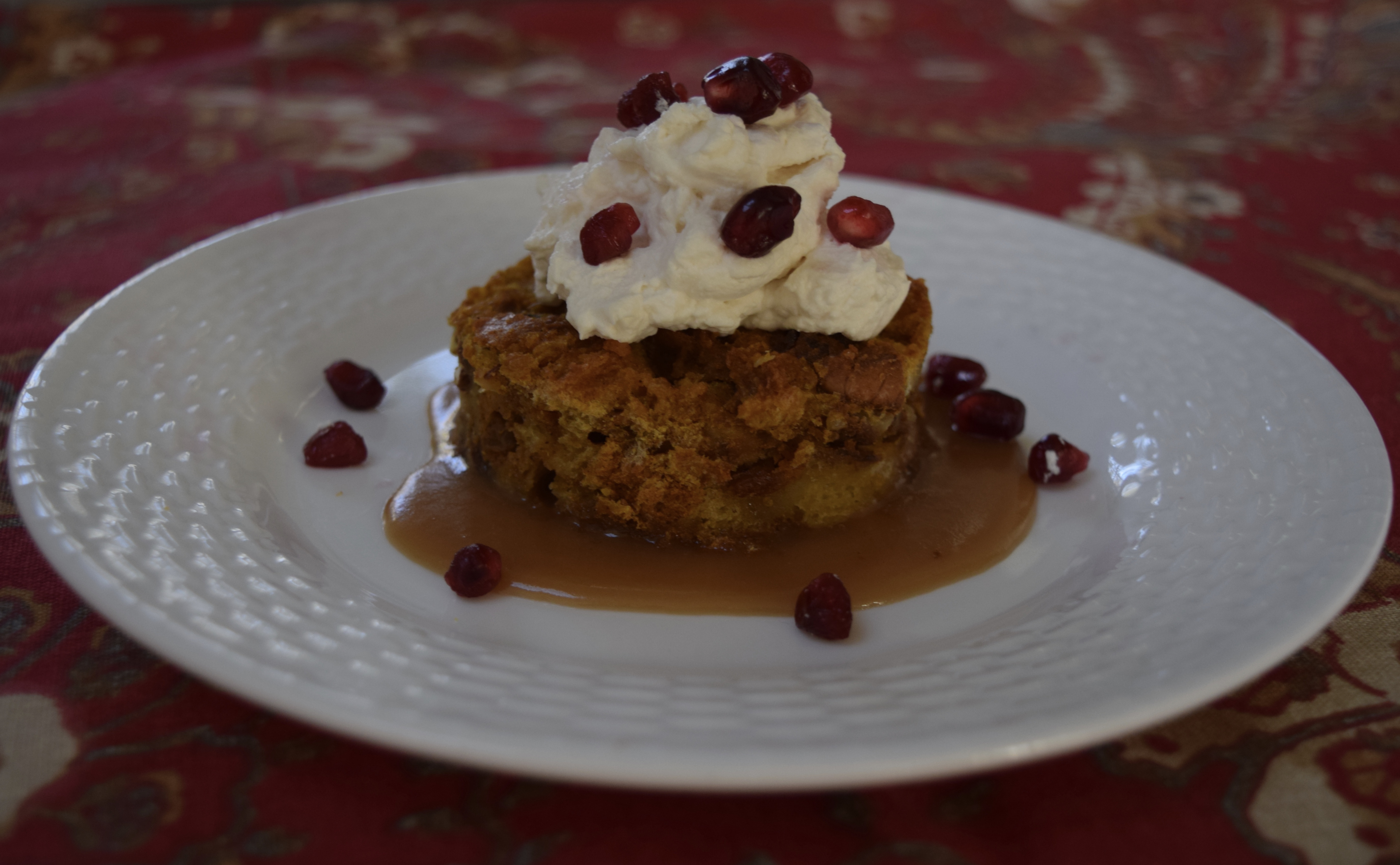
To plate the dessert: I poured a small amount of warm caramel sauce on a  dessert plate. Next, I placed the round disc of warm bread pudding onto the caramel sauce and then lightly pressed it into the sauce and topped it whipped cream.
fullsizeoutput_1ce6
How to Make Whipped Cream:
Pumpkin bread pudding DSC_0124
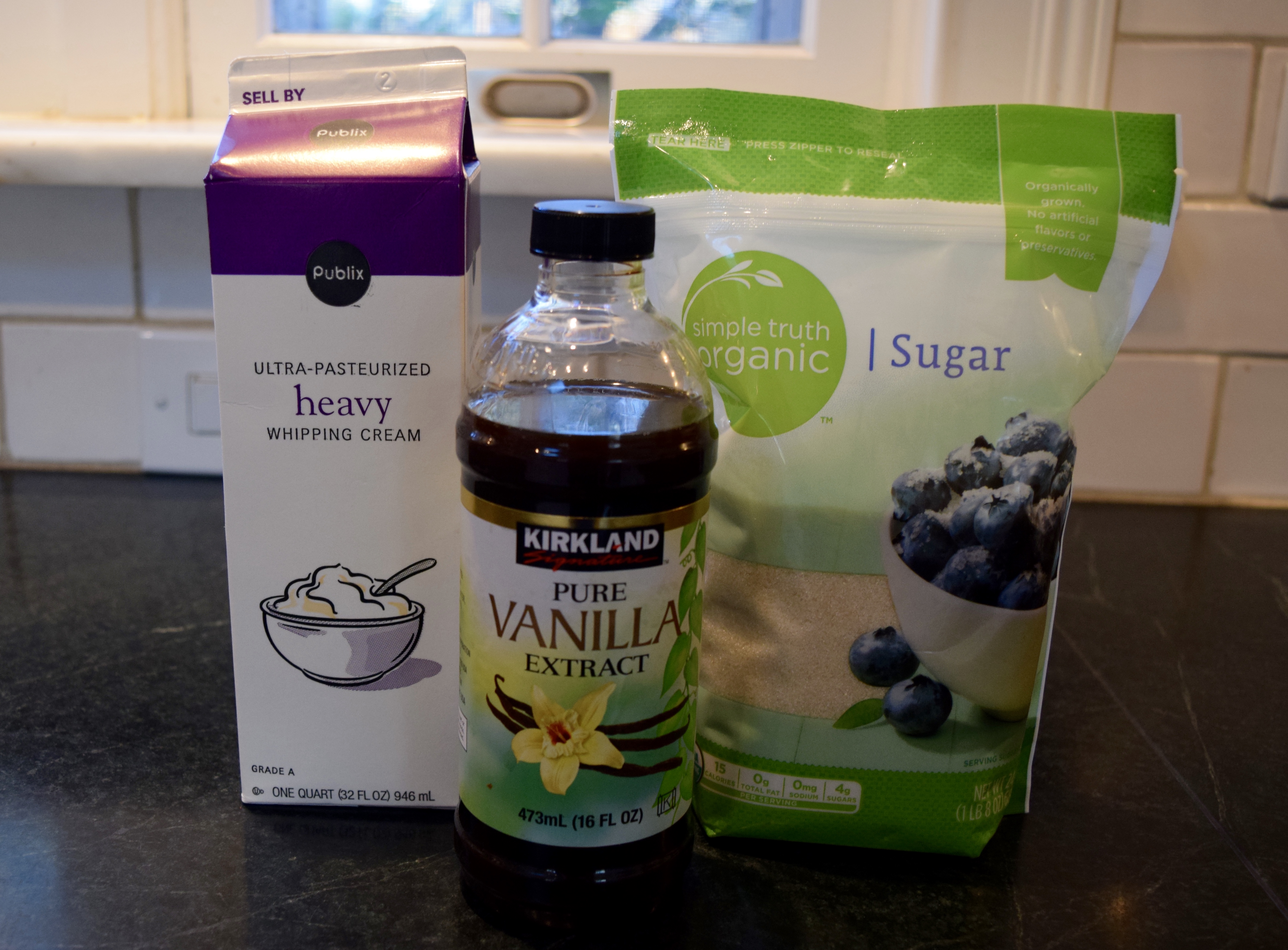
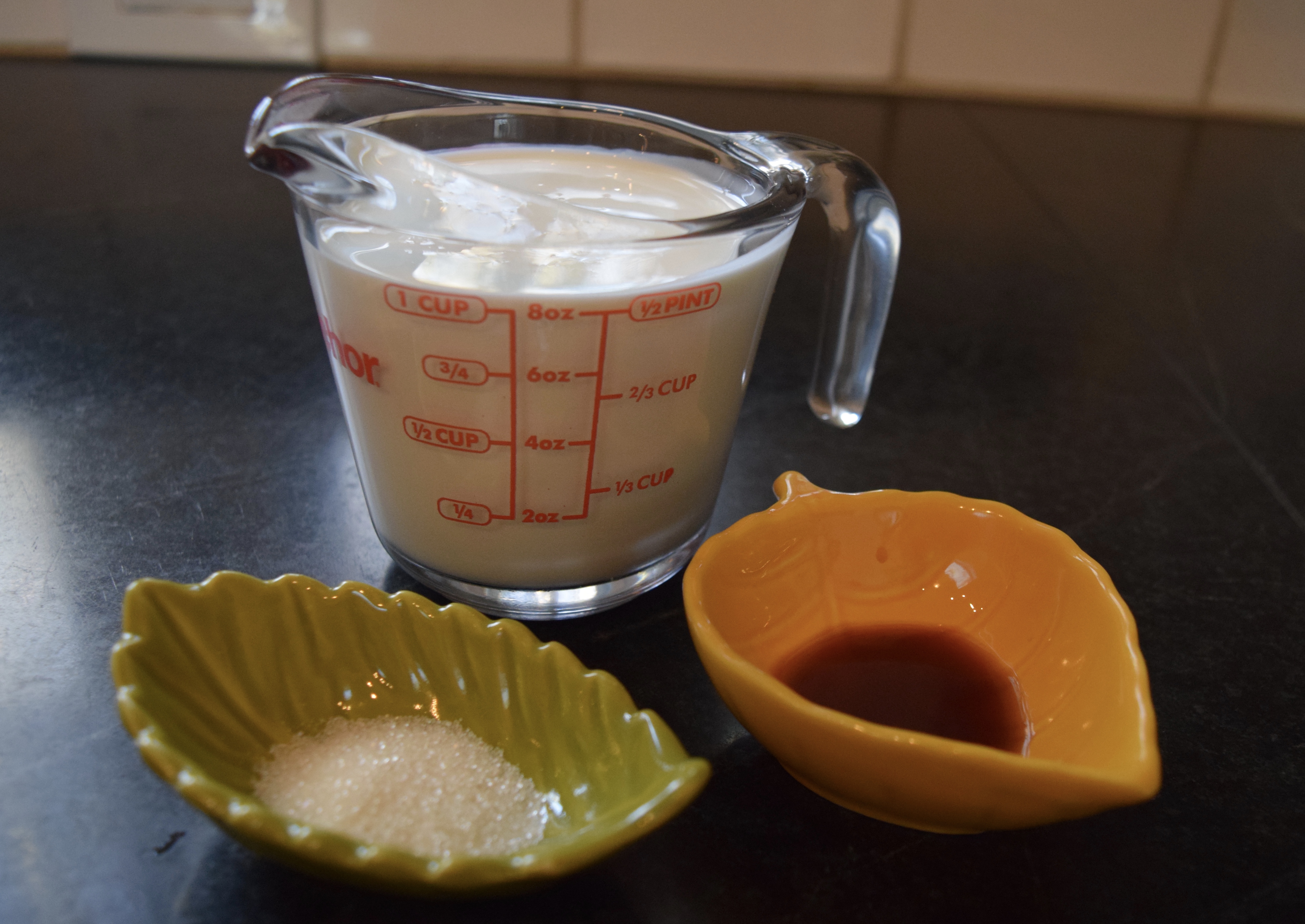
 1 cup whipping cream or heavy cream
1 teaspoon vanilla extract
1 teaspoon granulated sugar (optional)
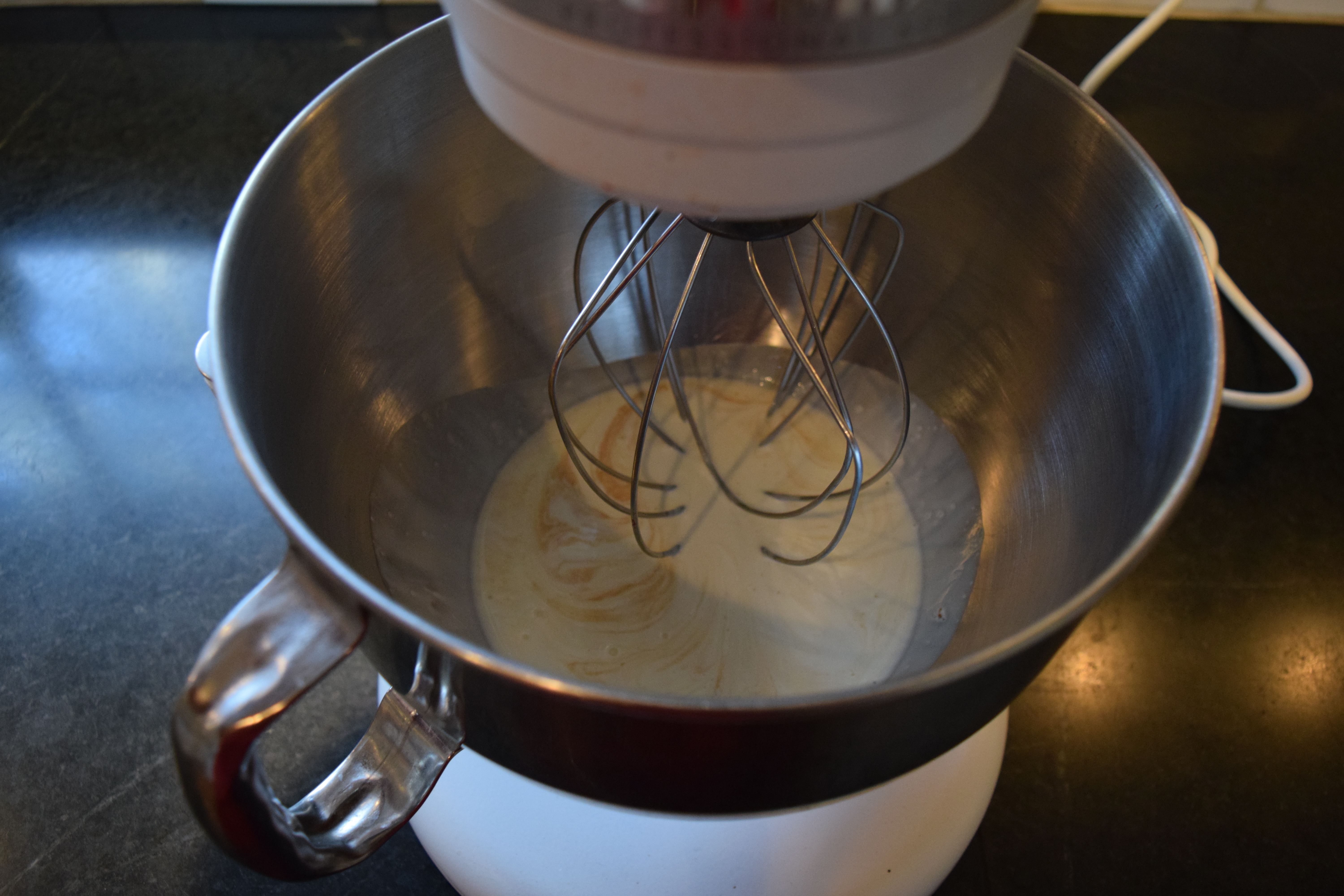
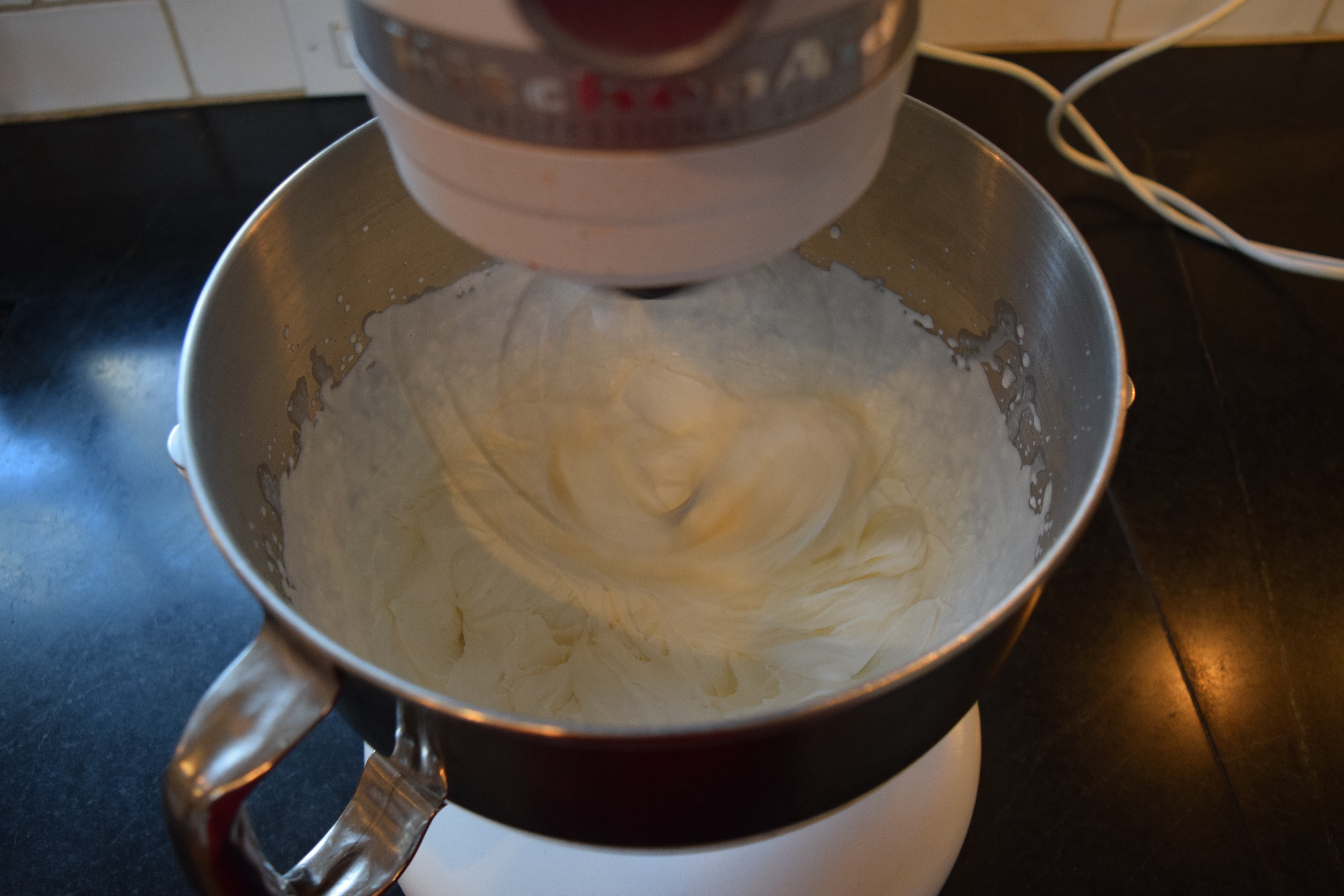
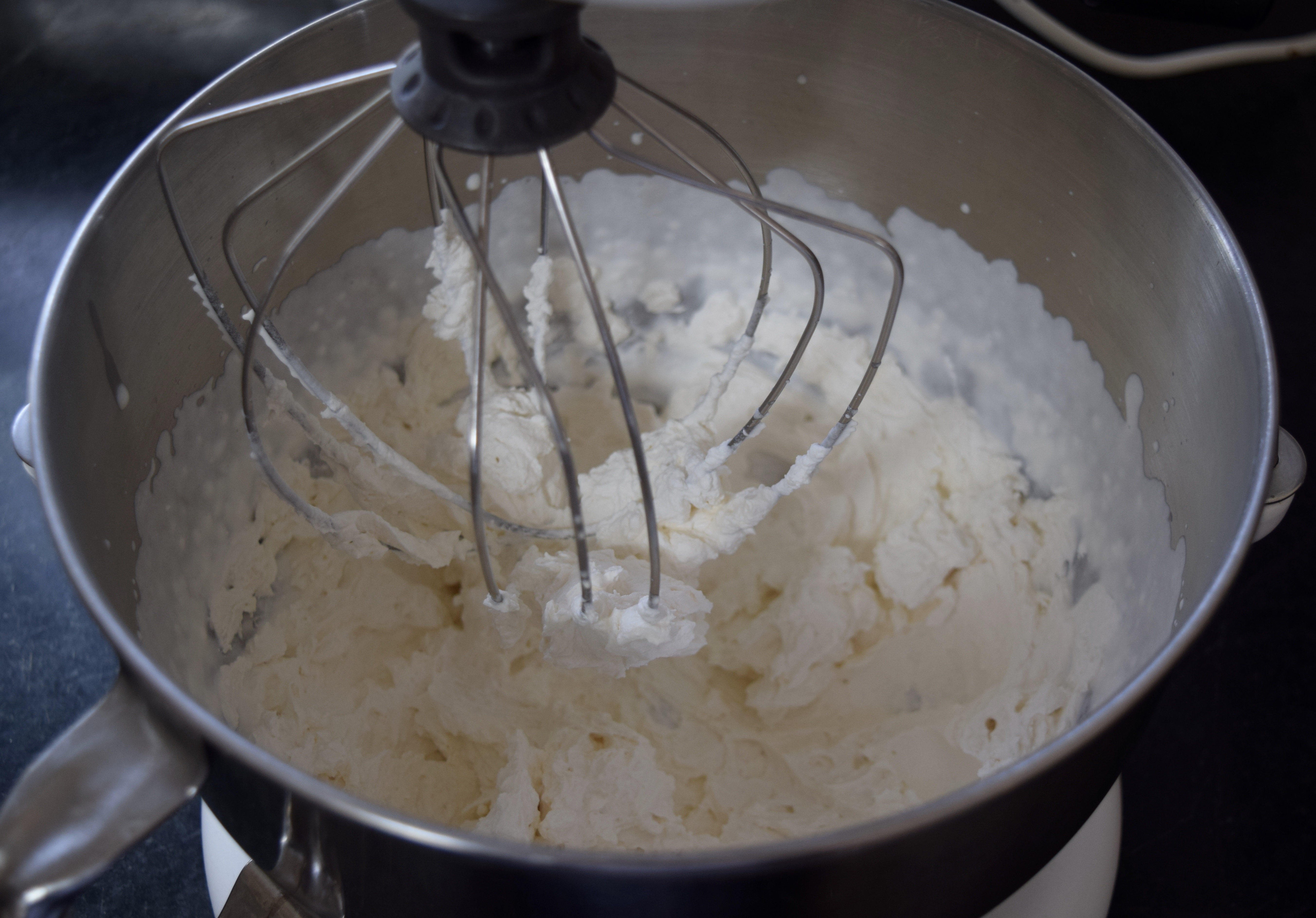
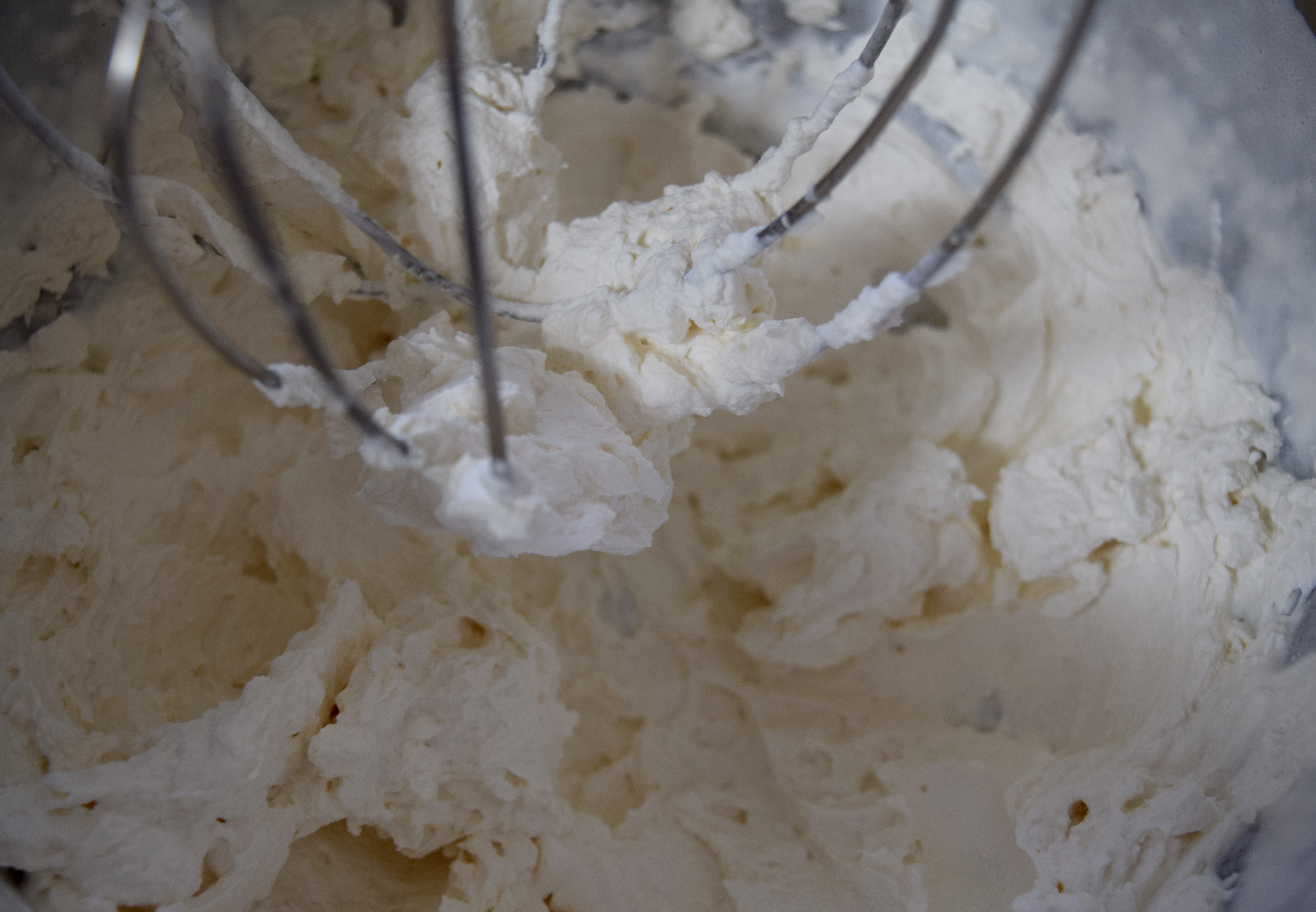
Add cream, vanilla, and sugar to the chilled bowl of the mixer. Beat cream for one minute on medium high and then increase speed to high once the cream starts to thicken, otherwise, the cream will spray all over the kitchen. It took four minutes for the cream to whip.
DSC_0134 DSC_0140
  DSC_0348 DSC_0346
I had to channel my inner Mary Carter, my food stylist friend who I featured in the post, Playing with your Food to bump this dessert up a notch.
DSC_0423
My friend, Corabel Shofner, made this dessert for our Thanksgiving Dinner and told everyone she felt like a “real chef” making something so tasty and beautiful. That’s the fun part of tackling a new recipe and watching people delight in what you have prepared.
 Add some bling for the next big holiday!
DSC_0435

To have recipes delivered right to your inbox sign up to become a subscriber!

LET’S STAY CONNECTED!

Follow my photos of vegetables growing, backyard chickens hanging out, and dinner preparations on Instagram at JudysChickens.

Never miss a post: sign up to become a follower of the Blog.

© 2014-2017 Judy Wright. All rights reserved. Photos and text may only be used with written consent.

Judy’s Mom’s Meatloaf

For years, every time my mother made meatloaf, her favorite comfort food, I would stand by her side and write down each step she took to make it.

The problem for this recipe writer was she made it differently every time. Like for many experienced home cooks, Mom would grab various amounts of ketchup, mustard, eggs, and meat from the fridge, random amounts of stale bread from the bread bowl, a package of Lipton Onion Soup Mix and a heaping tablespoon of brown sugar from the cupboard. She would mix the ingredients together, add liquid until it felt right, and bake it for an hour in the oven. It consistently came out moist and delicious.

She used a package of soup mix for her seasoning because she needed a reliable way to know the salt and spice amounts were correct without taste-testing it beforehand. The brown sugar balanced out the spiciness from the mustards.

Many years later, when I started cooking dinner at The Nashville Food Project, I reworked the recipe to feed 50 people. That number grew to 100, and then to 150. You can find the scaled-up recipe by clicking on this link: Cook for a Crowd.

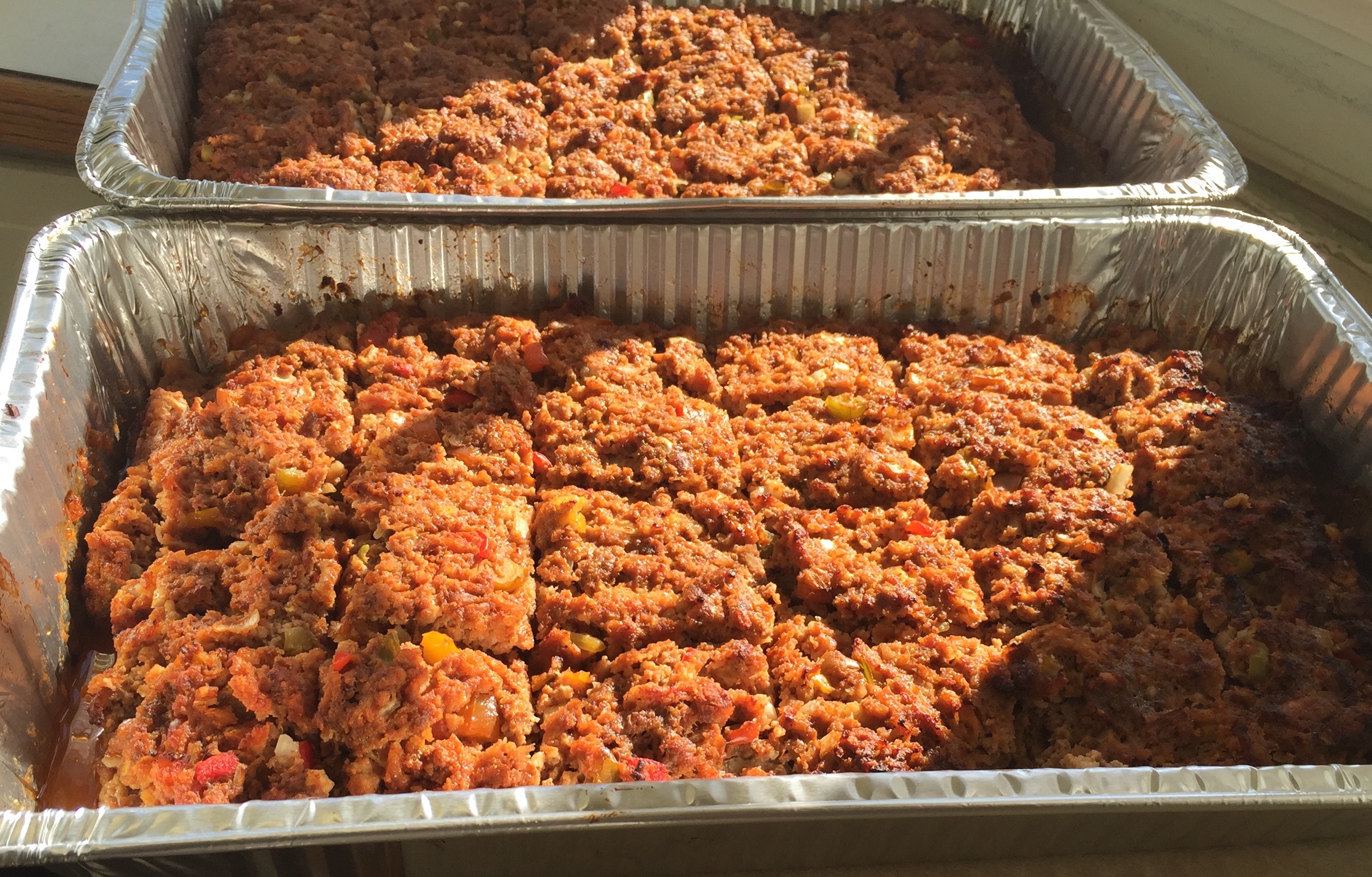
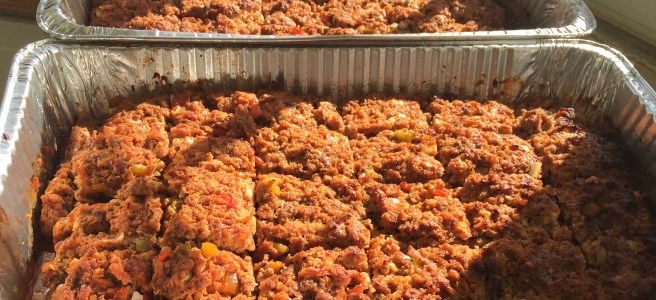
meatloaf tnfp

When we make meatloaf at The Nashville Food Project, we figure 25 servings per hotel pan. For 100 servings we portion out 24 pounds of meat and 24 cups of breadcrumbs between four pans and then add the rest of the ingredients.

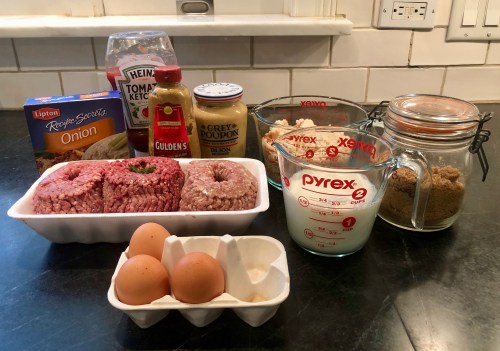
IMG_2264

A few words about ingredients…

“Meatloaf Mix” is a pre-packaged mixture of beef, veal, and pork. I use it to make meatballs, too. For the moistest meatloaf, be sure to use meat that has 15% fat, any leaner will cause meatloaf to be dry. The meatloaf mix I use comes from Doris’s Italian Meat and Bakery in Florida

I use a range of 2-3 pounds of meat without changing the other amounts of ingredients in this recipe. I always use 1 egg per pound of meat, so if the package of meat weighs over 2.5 pounds, I would go up to 3 large eggs.

To make bread cubes or crumbs
Cut a stack of five slices of bread into small cubes to yield 2 cups of bread. Or, make breadcrumbs by pulsing stale bread in the food processor. Freeze extras to use later.

DSC_0861 DSC_0867

Yield: 8 servings (¼ pound per serving)

Ingredients:
2-3 pounds ground sirloin. If you can find it, use a Meatloaf Mix,
2 cups cubed bread (from about 5-6 slices)
2 large eggs (or 1 egg per pound of meat)
¾ cup milk or water
1 envelope onion soup mix
¾ cup ketchup
2 tablespoons mustard (try Dijon or spicy brown)
2 tablespoons brown sugar

Instructions:
Preheat oven to 350º.

Mix eggs, milk, soup mix, ketchup, mustard, and brown sugar in a large mixing bowl.

meatloaf

Add meat and bread crumbs and mix slowly for about 15 seconds. I use a mixer because I don’t like to get my hands greasy from the cold meat.

meatloaf

The less you handle meat, the more tender your meatloaf will be. It should look like this when it is sufficiently mixed.

meatloaf

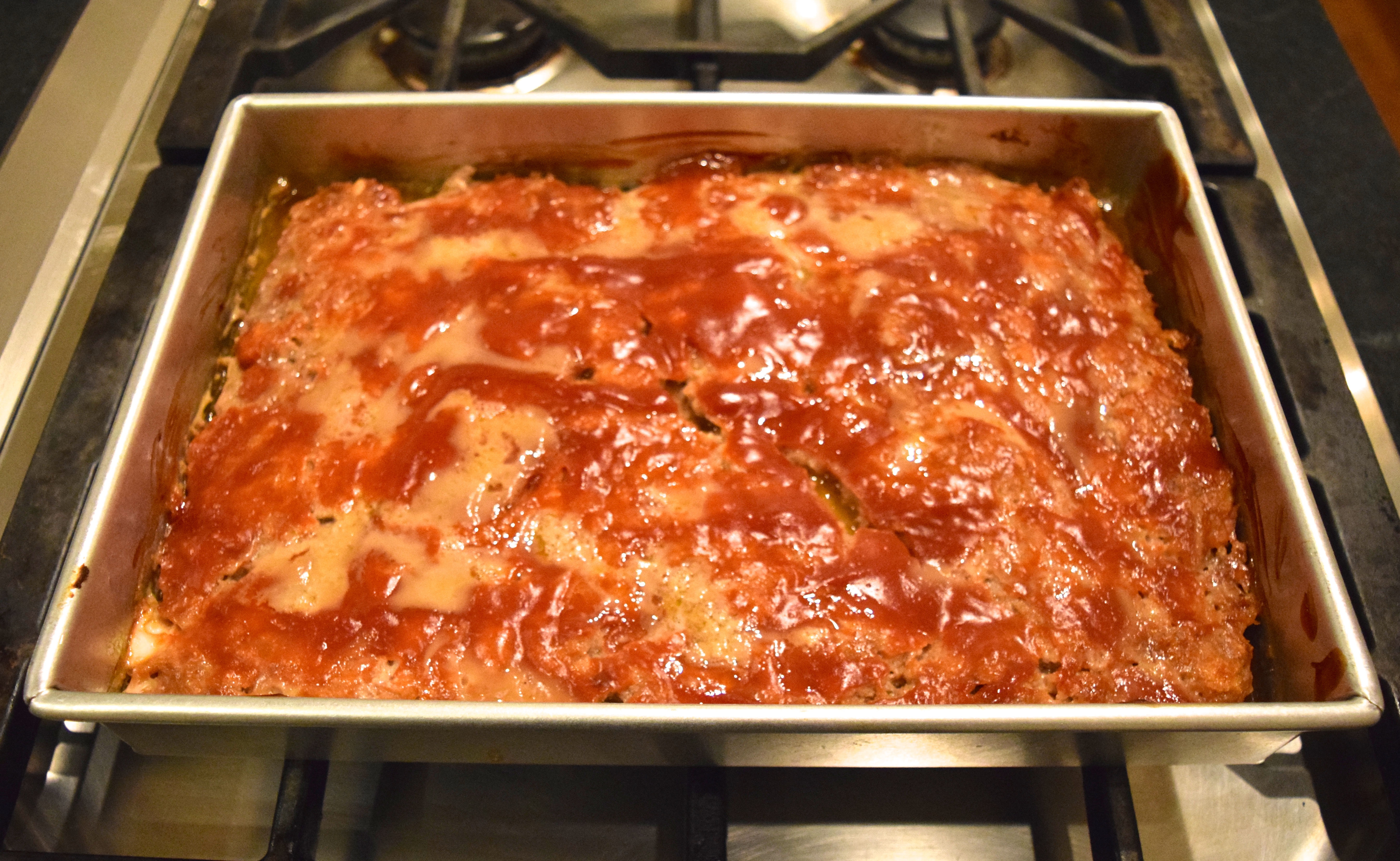
If using 2 pounds of meat, cook in a large loaf pan or an 8-inch square pan. If using 3 pounds, place in a larger pan. Top lightly with ketchup. [I skip this step now.] Bake at 350º for 50-60 minutes.

meatloaf

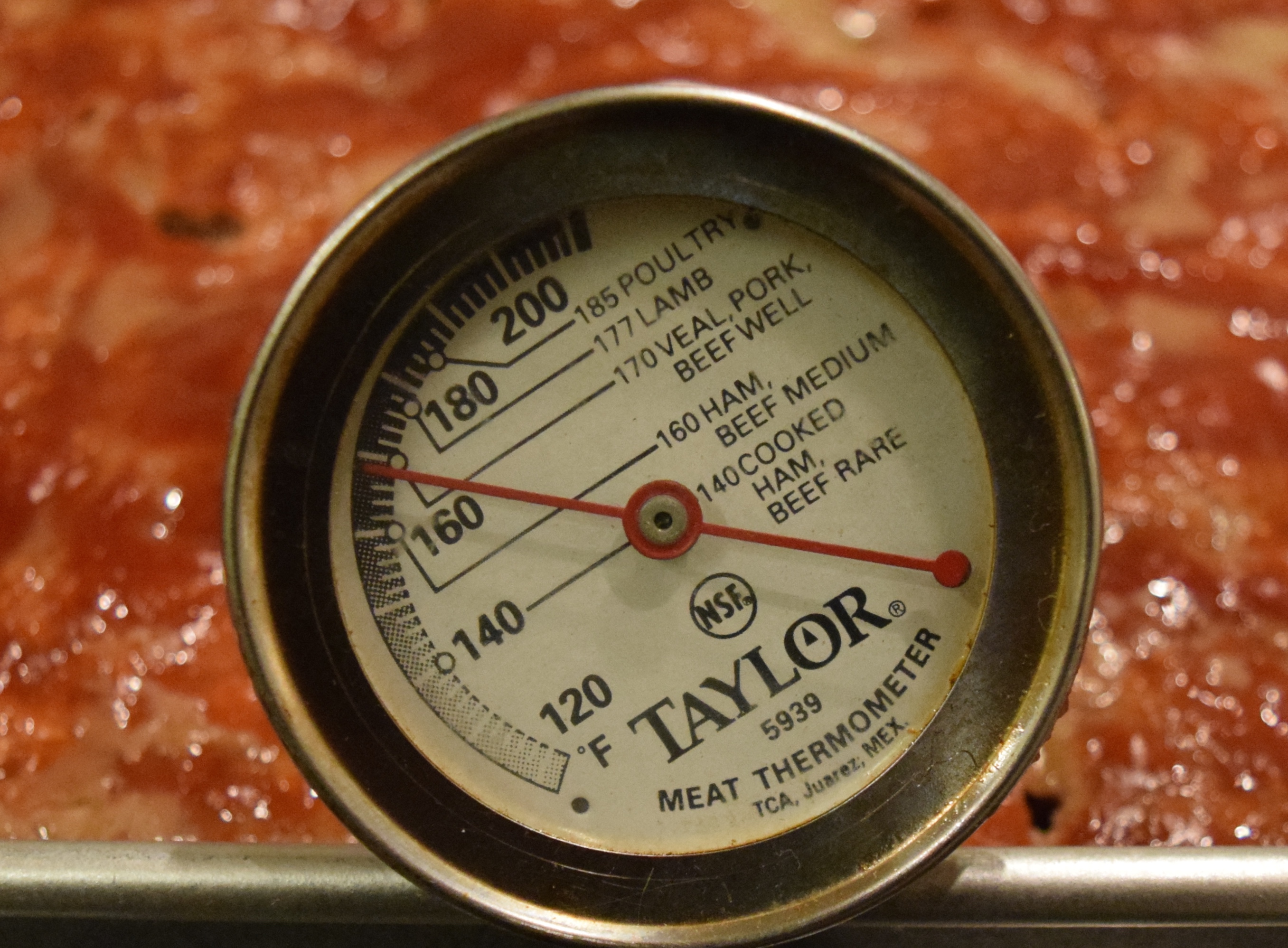
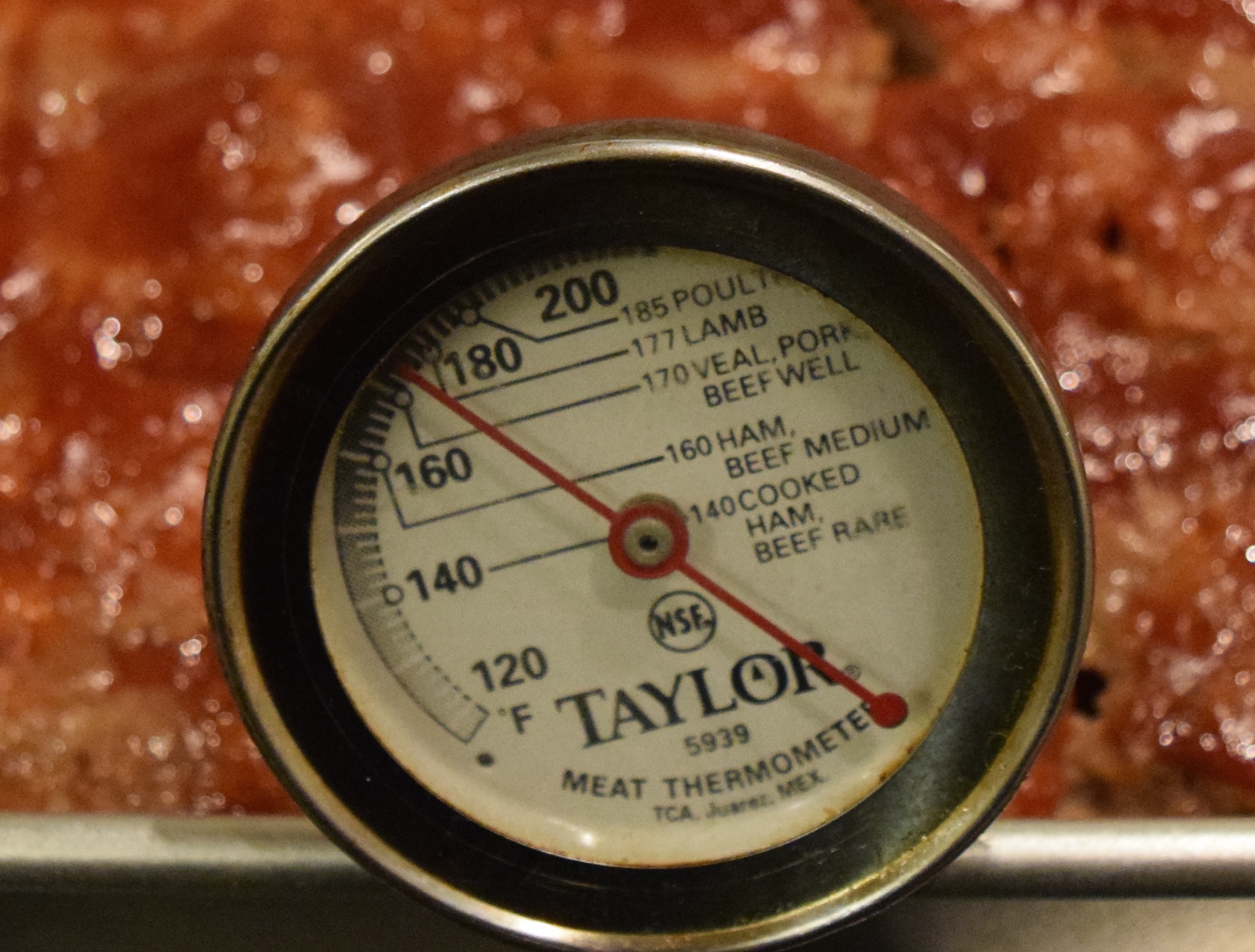
The USDA recommends all ground beef, lamb, pork, and veal mixtures be cooked to 160º, and ground turkey or chicken to 165º. For meatloaf, you can take the meat out of the oven when the meat thermometer says 155º and rely on carryover heat to finish cooking it.

Heat Transfer, aka “carryover heat”, aka “allow meat to rest” — what do all these terms mean?
While meat is cooking in an oven, the meat’s surface temperature is hotter than its interior temperature. When the meatloaf comes out of the oven, a meat thermometer showed an interior meat temperature of 168º. We can assume the meat’s surface temperature was the same as the oven’s, which was 350º. The room temperature was 70º. According to the laws of heat transfer, when meat is taken out of an oven, its surface heat (350º) has to go somewhere to equilibrate with the temperature of the atmosphere (70º). Some of that heat will go into the room, and the rest will transfer into the interior of the meat, causing its internal temperature to rise slightly. In this case, the temperature rose from 168º to 176º in five minutes. That was an eight-degree difference. Not too noticeable in meatloaf, but the difference between medium and rare in a resting steak.
meatloaf meatloaf

Yummy, traditional SIDES!!

If you are going to make a meatloaf, you are going to need some sides. These are kid-friendly.

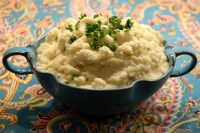
Old-Fashioned Mashed Potatoes


Kids’ Favorite Sautéed Carrots


Roasted and Mashed Cauliflower


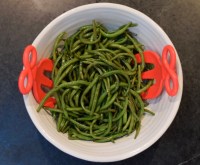
Blanched String Beans with Vinaigrette


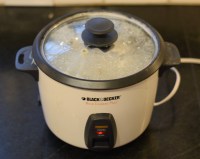
Perfect Rice Every Time!


Roasted Rosemary Sweet Potatoes


More comfort food:
Yummy Shepherd’s Pie
Sheet Pan Supper: Chicken, Artichoke, and Lemon
Sheet Pan Supper: Italian Sausage, Peppers, Onions, and Potatoes
50 Ways to Make a Frittata
Fresh Marinara Sauce with Pasta and Mozzarella

If you enjoyed this post, please share and become a follower. When signing up to become a subscriber, be sure to confirm on the follow-up letter that will be sent to your email.

Follow Judy’s Chickens on Instagram and Pinterest @JudysChickens.

Always check my blog for the latest version of a recipe.

© 2014-2020 Judy Wright. All rights reserved. Photos, videos, and text may only be reproduced with the written consent of Judy Wright.

Yummy Shepherd’s Pie

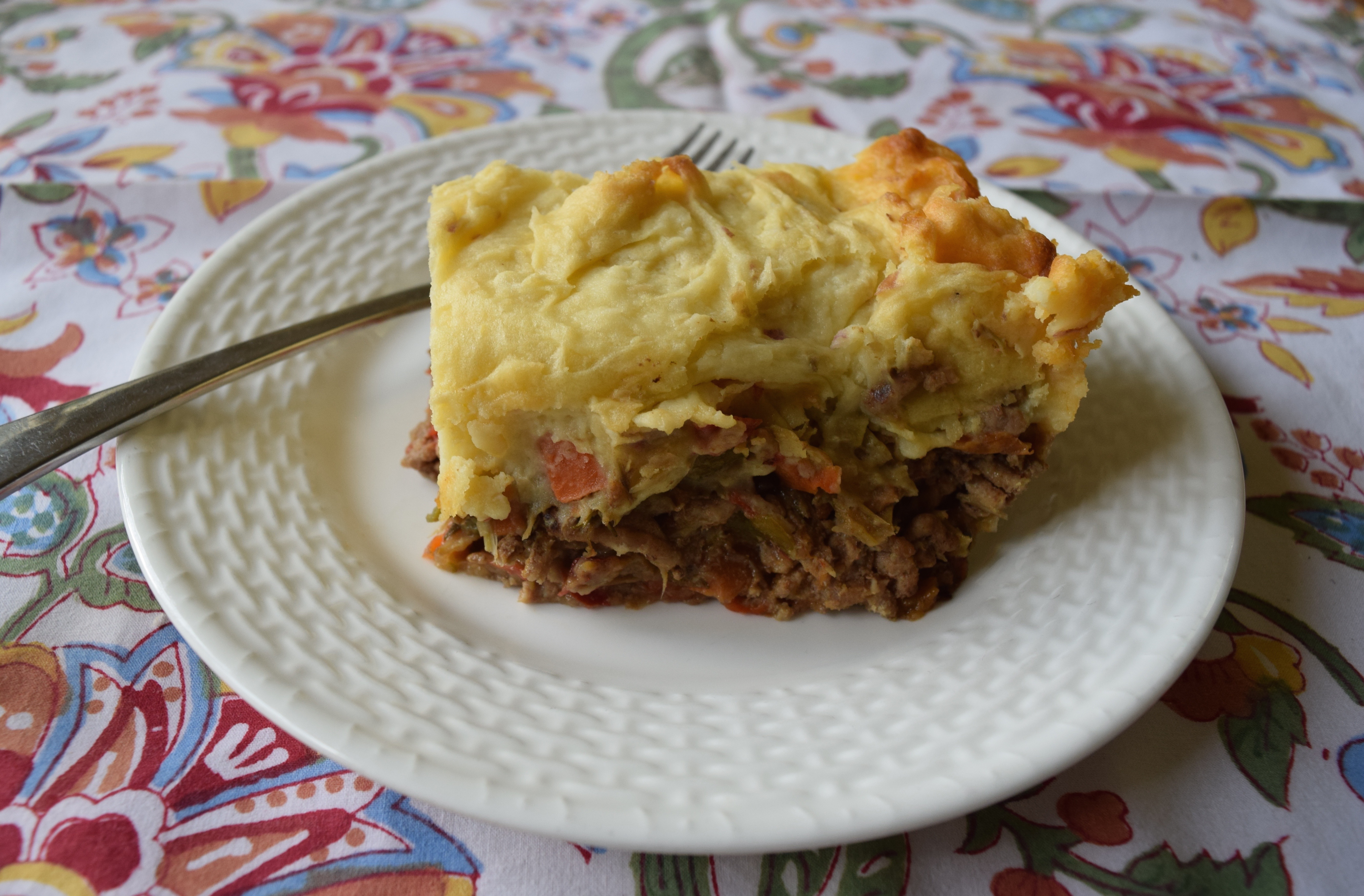
Shepherd’s Pie (made with lamb) and Cottage Pie (made with beef) are meat and vegetable casseroles topped with mashed potato crusts. Cookbooks from the early 1800s show these pies were common fare in the U.K. and Irish countryside long ago.

DSC_0102

It was also a staple of my diet while growing up in the 70s. What could be easier for a young working mother than sautéing onions and ground beef, adding a few packages of perfectly-shaped frozen vegetables, and topping the whole thing off with a layer of instant mashed potatoes? Mom cooked her pie in a round, white, Corningware dish. The interior of the pie looked very similar to this one from Betty Crocker.

b92ffb7b-7998-47a3-a26b-97c3e161a60e

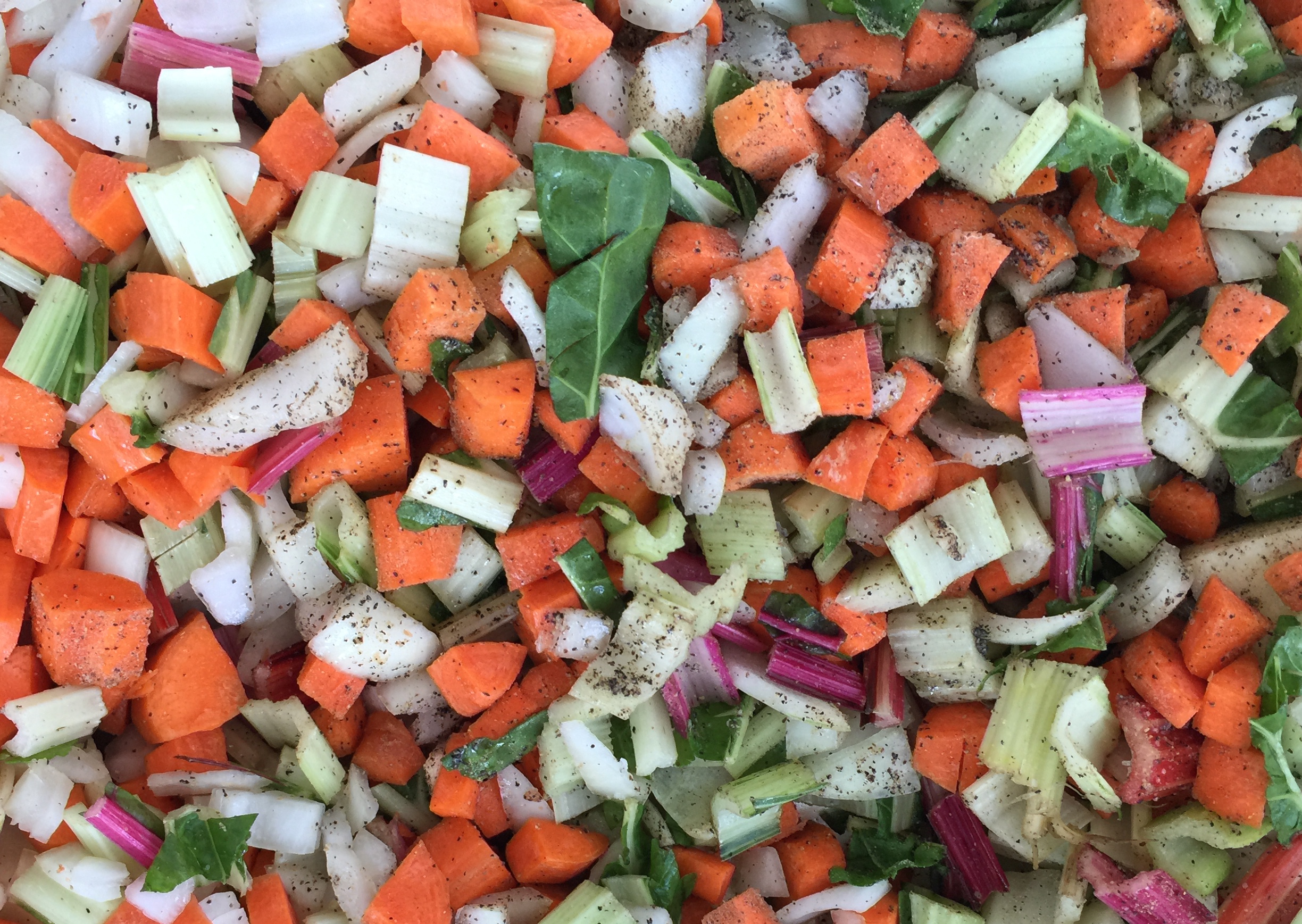
A few months ago, our team of volunteer chefs at The Nashville Food Project was tasked with making shepherd’s pie for 150. It was not Betty Crocker’s version. Noooo. This version included just-picked onions, carrots, chard ribs (instead of celery), garlic, and herbs — all vegetables found in the summer kitchen garden. The pies turned out so well I started making them for my family using whatever vegetables were growing in the garden.

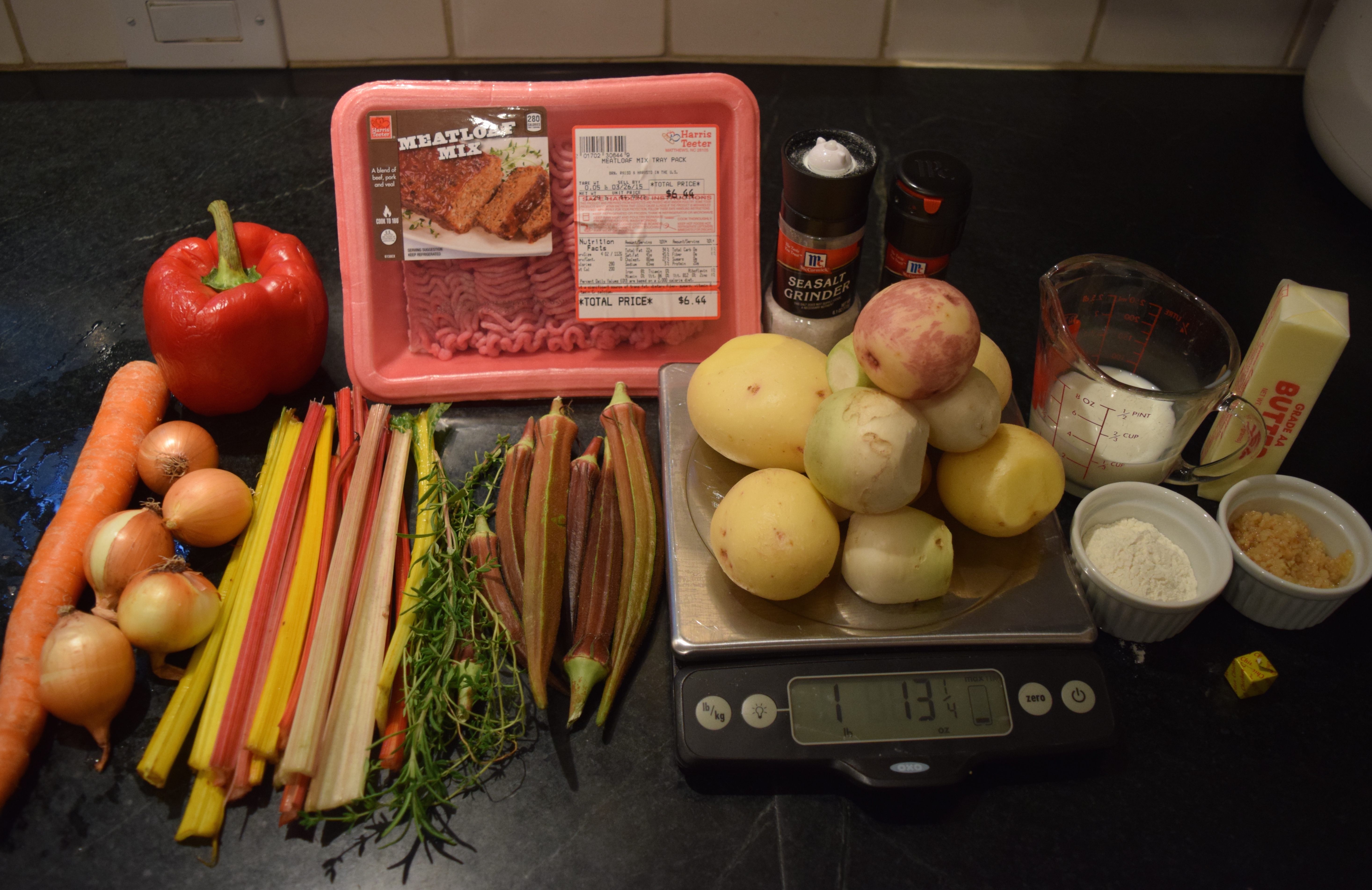
A word about ingredients: as long as you use onions and garlic as your base, you can add any vegetables from the garden, CSA box, or fridge. I added okra this time, and it was delicious. I have also been known to throw in a lone zucchini, eggplant, beet, or radishes from the fridge. They all work. Sometimes, I add turnips to the mashed potatoes; that works, too.

Ingredients:
Yield: serves 4-5

DSC_0458

Mashed  Potato Topping:
1¾ pounds potatoes, scrubbed and unpeeled (I used some turnips, too)
2 tablespoons butter
¼ cup milk
1 teaspoon salt

Vegetable Filling:
¼ cup olive oil
1 medium onion
1 large carrot, scrubbed
2 large stalks of celery, or 6-8 thin ribs of chard
6 okra pods (optional)
1 sweet red pepper, cored and seeded
2 tablespoons minced garlic
salt and pepper, to taste

Meat Filling:
1⅓ pounds of ground meat: beef, pork, veal, lamb, or venison
salt and pepper, to taste
1 tablespoon minced garlic
1 long sprig rosemary, leaves snipped and chopped
4 sprigs thyme, leaves snipped
5 sprigs parsley, leaves snipped and chopped

Instructions:
Preheat oven to 350º.
One 9-inch square or round pan or ceramic casserole dish.

Cook potatoes for the mashed potato topping:
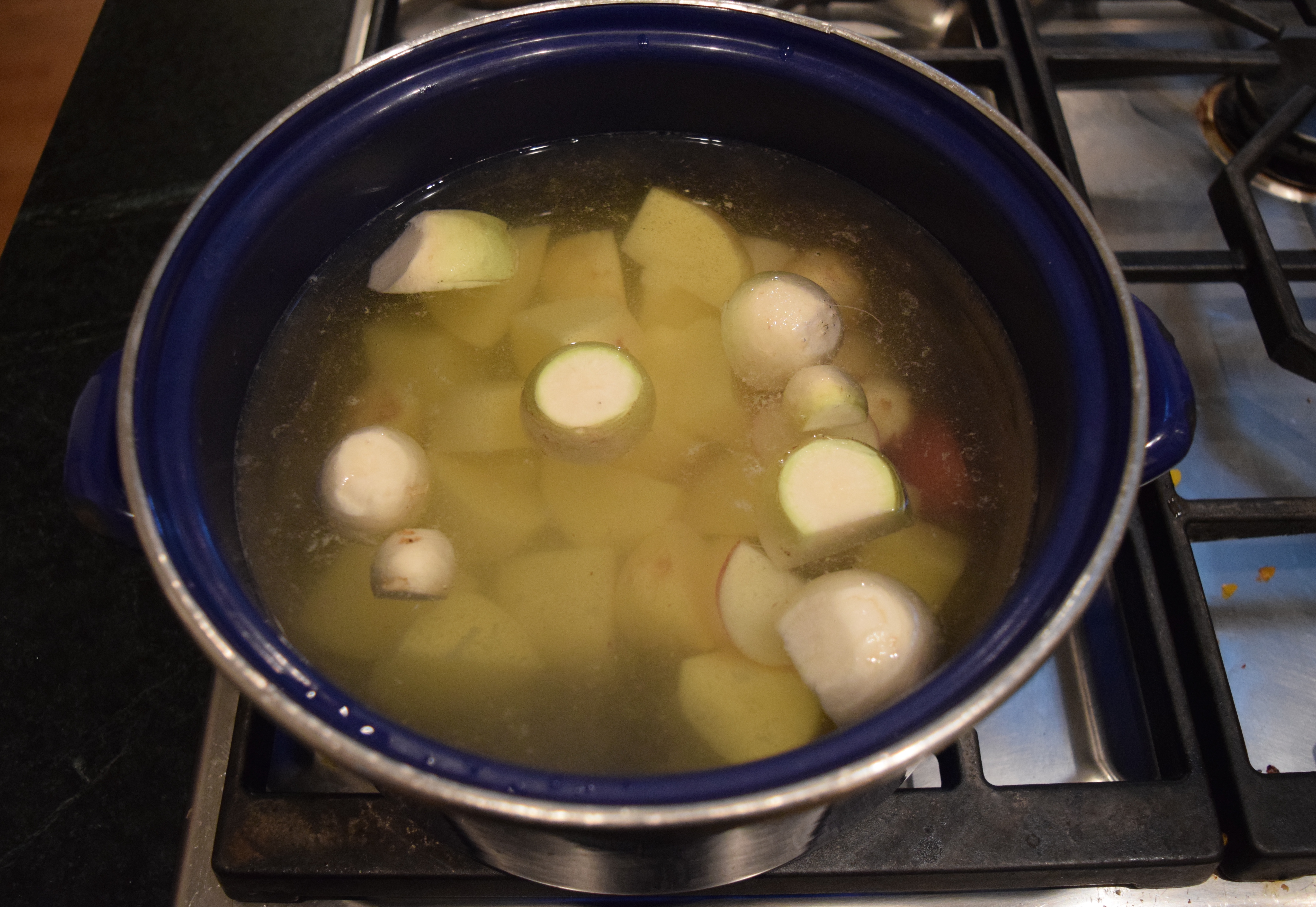
Scrub potatoes, chop into 2-inch chunks.  Add to a pot of cold water. Bring to a boil and simmer for 10-15 minutes. Insert a fork into a potato to test for doneness. If the potato is too firm, cook 5 more minutes. Do not overcook; you do not want the potatoes to become waterlogged and break apart when you test them. If that happens, drain well and use and next time cook the potatoes for less time.

DSC_0459

Prep vegetables for the food processor:
-Onions: peel the outer skin and quarter.
-Carrots: scrub the skin and chop into 3-inch chunks.
-Sweet Red Pepper: remove the stem, core, and seeds, and chop into 3-inch chunks.
-Celery or chard ribs: I didn’t have celery, so I picked rainbow chard from my vegetable garden. To prep the ribs, chop off leaves and cut stalks into 4-inch segments. (Save the leaves for something else.)
DSC_0460

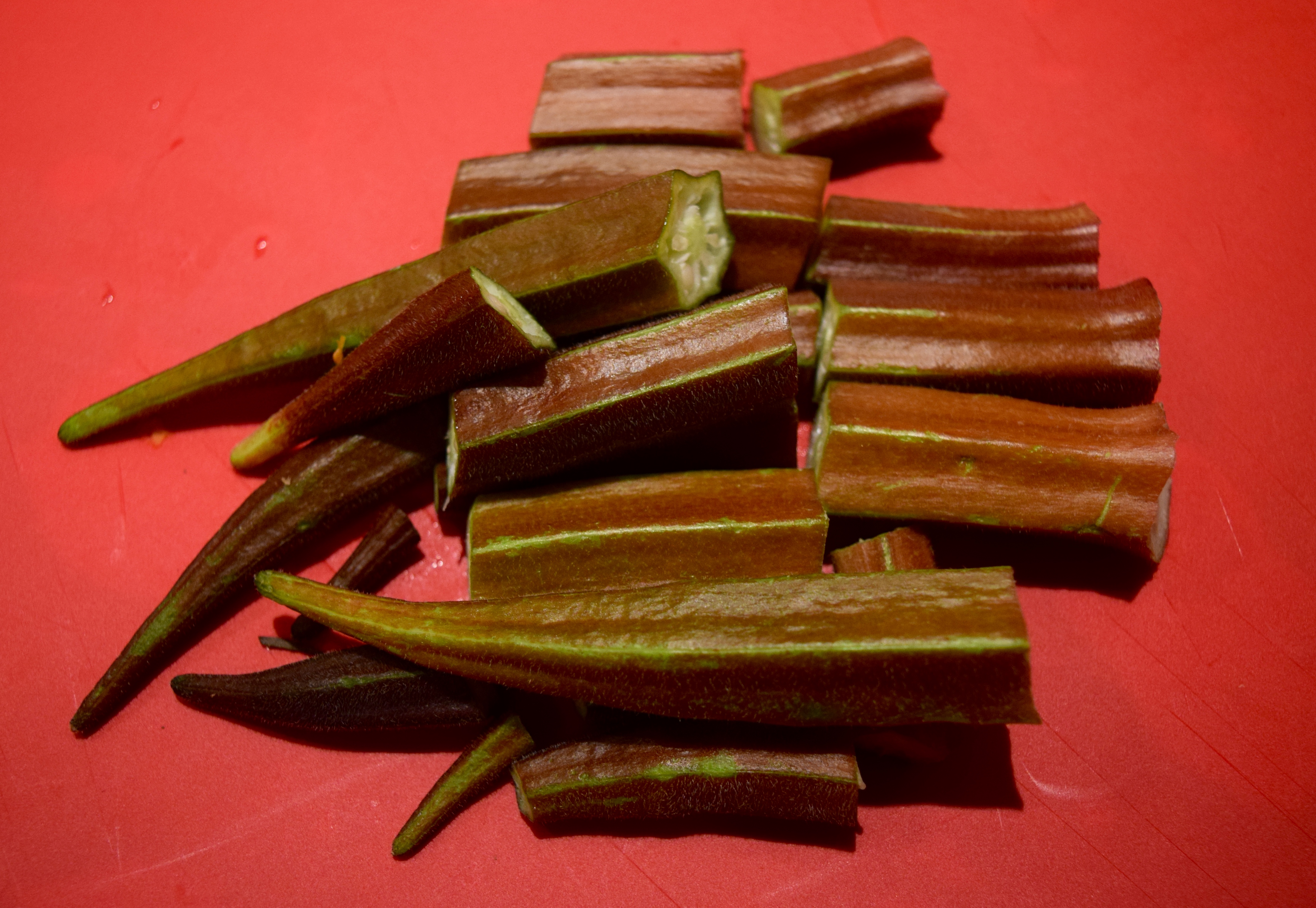
Okra: I’m growing a gorgeous red variety of okra. Red okra’s long pods are generally tender enough to eat, unlike green okra where a long pod is too fibrous to cook. To prep okra: cut off the stem and chop into 3-inch segments.
DSC_0001

Process the vegetables:
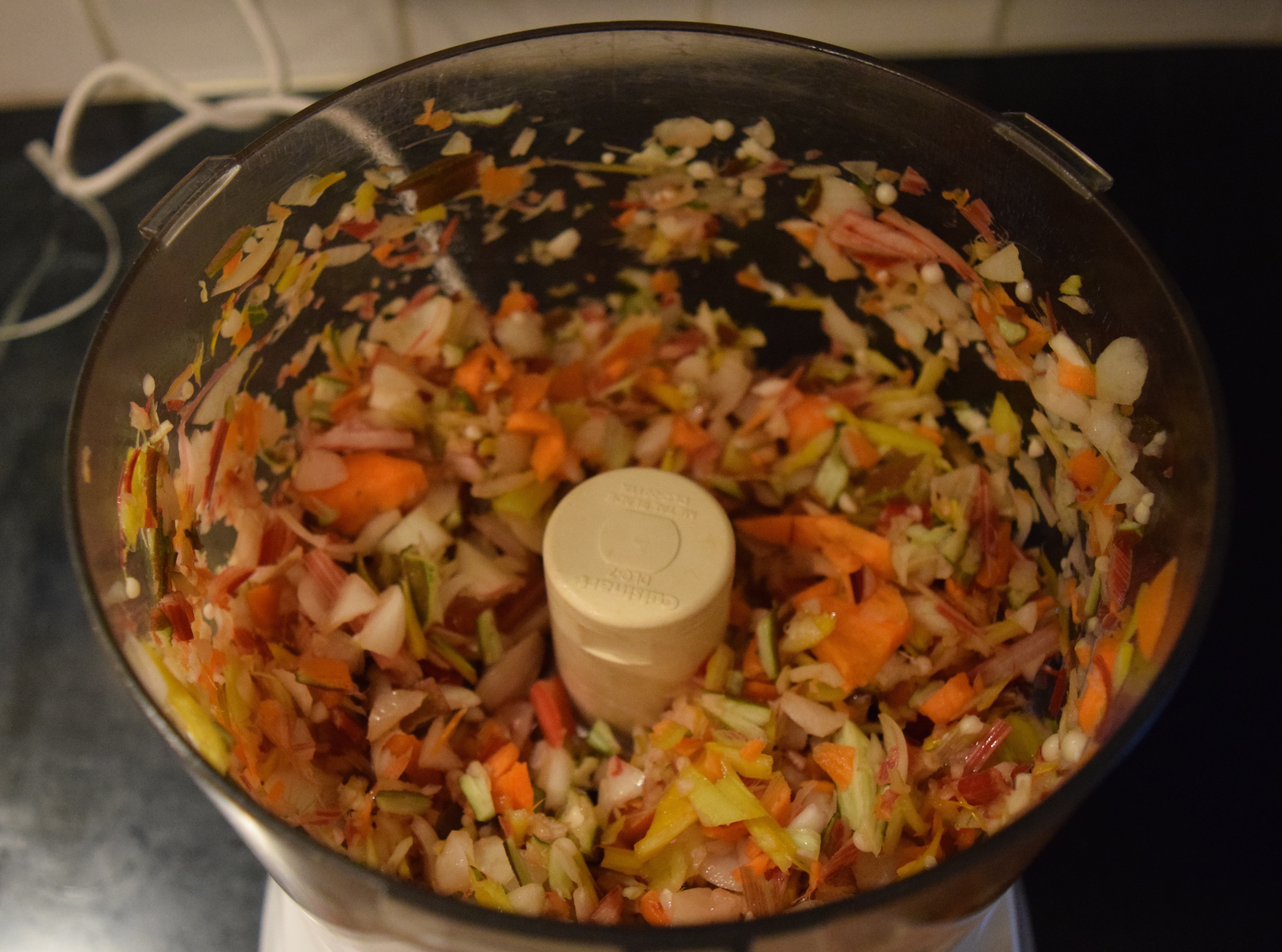
Take all the vegetables, except the herbs, and pulse in a food processor.

DSC_0002  DSC_0003

Sauté vegetables and meat:
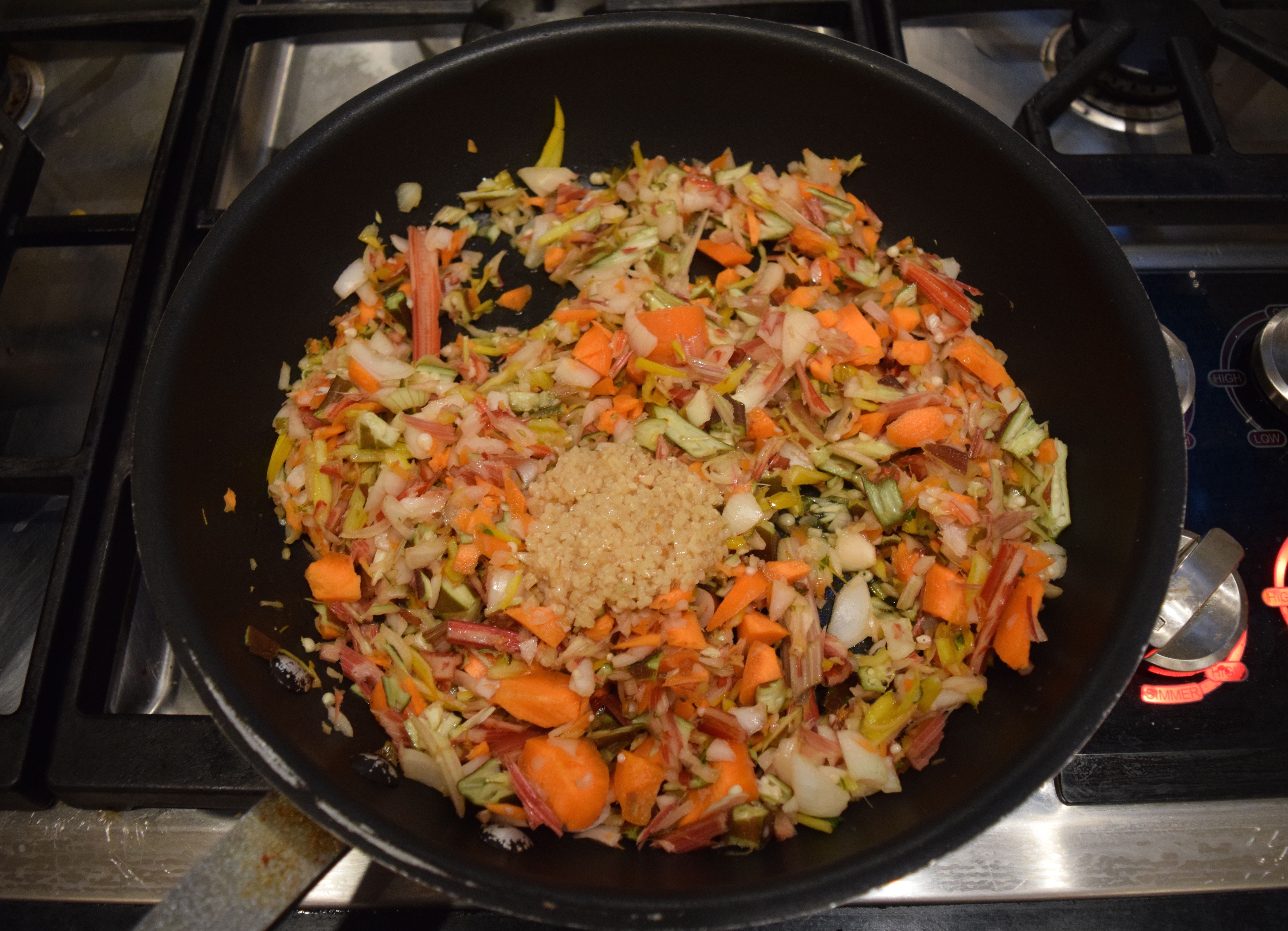
Add olive oil to a 12-inch sauté pan. Add chopped vegetables, garlic, salt, and pepper. Sauté on medium heat for 10 minutes until vegetables become translucent. Do not brown. Set aside.

DSC_0005

In another pan, add ground meat, garlic, salt, pepper, and herbs. Sauté for 5-10 minutes until meat is cooked but not browned. Drain fat.

To make the mashed potato topping:
While the meat filling is cooking, test the potatoes. If tender, remove from heat and drain in a colander reserving about ½ cup of the potato water. Since the food processor is already dirty, I purée my mashed potatoes in it.  Add hot potatoes, milk, butter, and salt to the food processor bowl. Process just until blended. If the mashed potatoes are too pasty, add the reserved potato water and pulse a little longer.

DSC_0011 DSC_0013

To assemble:
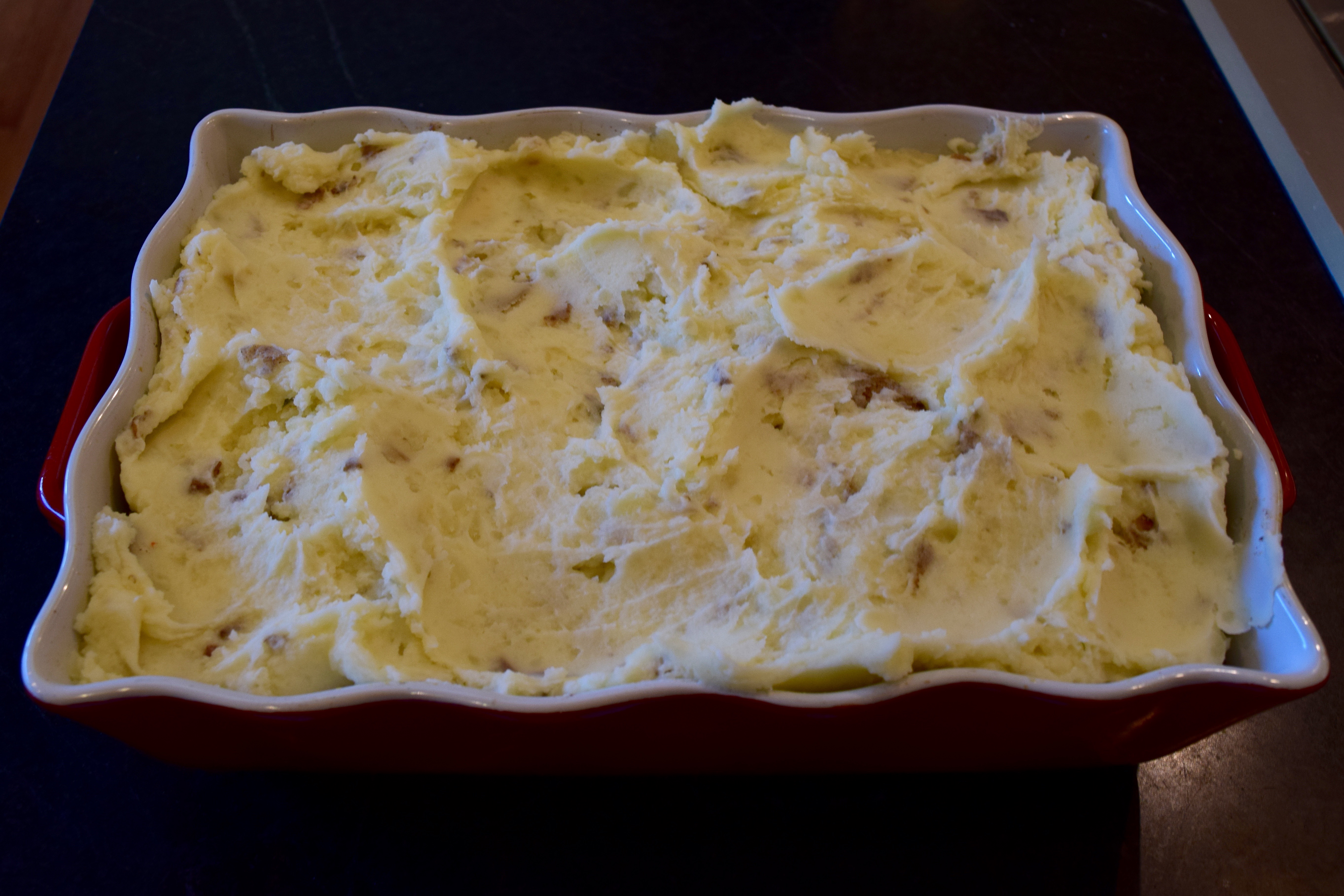
Pour vegetables and meat into a baking dish. Spread the mashed potatoes over the filling with a spatula.

DSC_0025  DSC_0029

Bake for 20-30 minutes. The pie is done when the peaks on the potatoes are lightly browned. In the two pictures below, you can see the difference between when I drained the fat and when I didn’t.  The browned edges around the pie on the right are from fat that bubbled up during baking. Ugh. To avoid that, drain the meat before adding the potatoes.

DSC_0887  DSC_0032

Make it Whole30
Eliminate butter and milk in the mashed potatoes. Substitute 2 tablespoons of olive oil for the butter. My friend Libba suggested substituting ¼ cup of chicken broth for the milk. The extra liquid helped fluff up the potatoes.

Make it for company: double the recipe (Serves 8-12)
We’ve been making this recipe a lot for big family dinners. Here is my husband managing all three pans on the stovetop: vegetables, meat, and potatoes. He was pretty proud of himself.

DSC_0079

Layer all the ingredients in a deep 9 x 13 lasagna pan.DSC_0081

New vegetables we’ve tried:
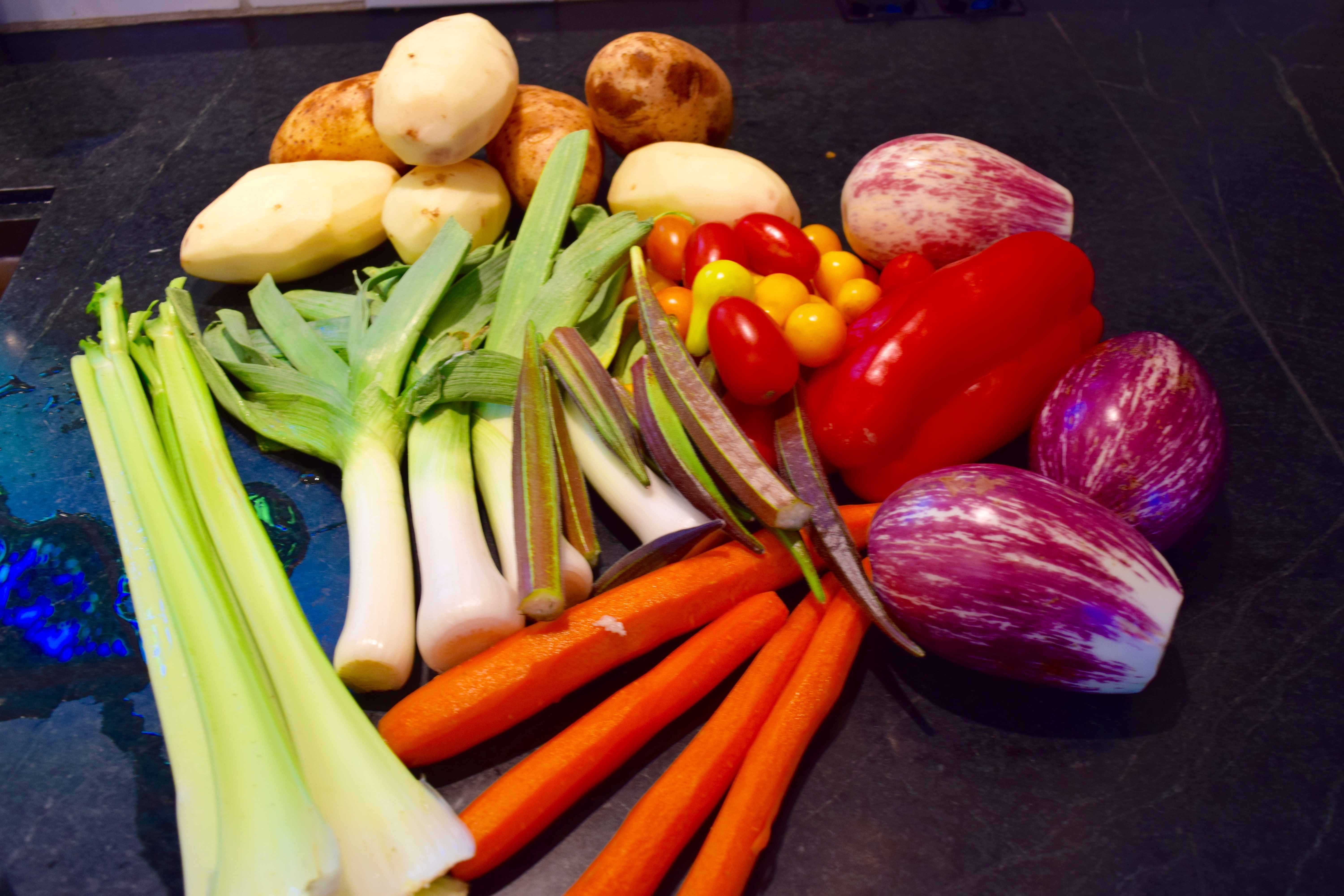
I’ve learned I can pretty much add any vegetable to the mix. This time, we used leeks, a small onion, unpeeled eggplants, an assortment of cherry tomatoes, a sweet red bell pepper, okra, celery, and carrots. In other words, everything in the vegetable drawer of the fridge.

DSC_0076 DSC_0078

Bonus: everyone was in the kitchen helping to prep the veggies. When that happens, I get verklempt.

More comfort food:
Judy’s Mom’s Meatloaf
Chicken Cacciatore, Pollo alla Cacciatora, or Hunter’s Chicken
50 Ways to Make a Frittata
Fresh Marinara Sauce with Pasta and Mozzarella

LET’S STAY CONNECTED!

Follow my photos of vegetables growing, backyard chickens hanging out, and dinner preparations on Instagram at JudysChickens.

Never miss a post: sign up to become a follower of the Blog.

© 2014-2020 Judy Wright. All rights reserved. Photos and text may only be used with written consent.

Growing Sweet Potatoes and Other Crops at Delvin Farms

“Bringing people together to grow, cook and share nourishing food.”  The Nashville Food Project’s motto is my motto, too.IMG_0821

On Monday mornings, The Nashville Food Project sends a team of staff, interns, and volunteers to glean from the fields of Delvin Farms, a 140-acre farm in College Grove, Tennessee. The farm, started by the Delvin family in 1972, became certified organic in 1998 and began operating a CSA (Community Supported Agriculture) in 1999. In addition to their CSA, you can purchase their fruits and vegetables at various Farmers Markets around town. I was thrilled to get a chance to visit the farm with TNFP’s Monday team of gleaners: Marijke, Darrius, and Chris.

DSC_0375

We drove to College Grove in TNFP’s new refrigerated food recovery truck donated to TNFP by the H.G. Hill Realty Company this year.DSC_0370

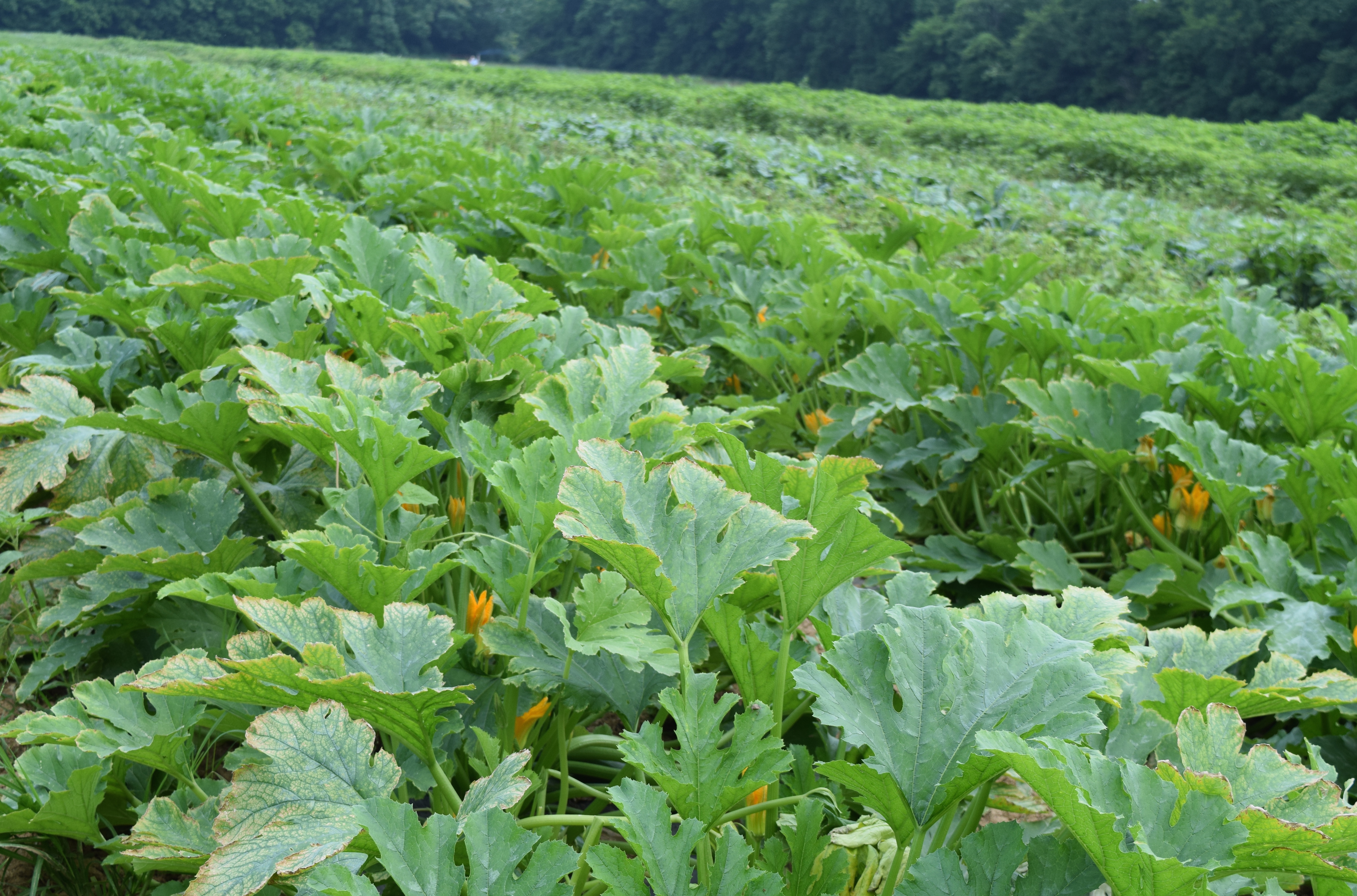
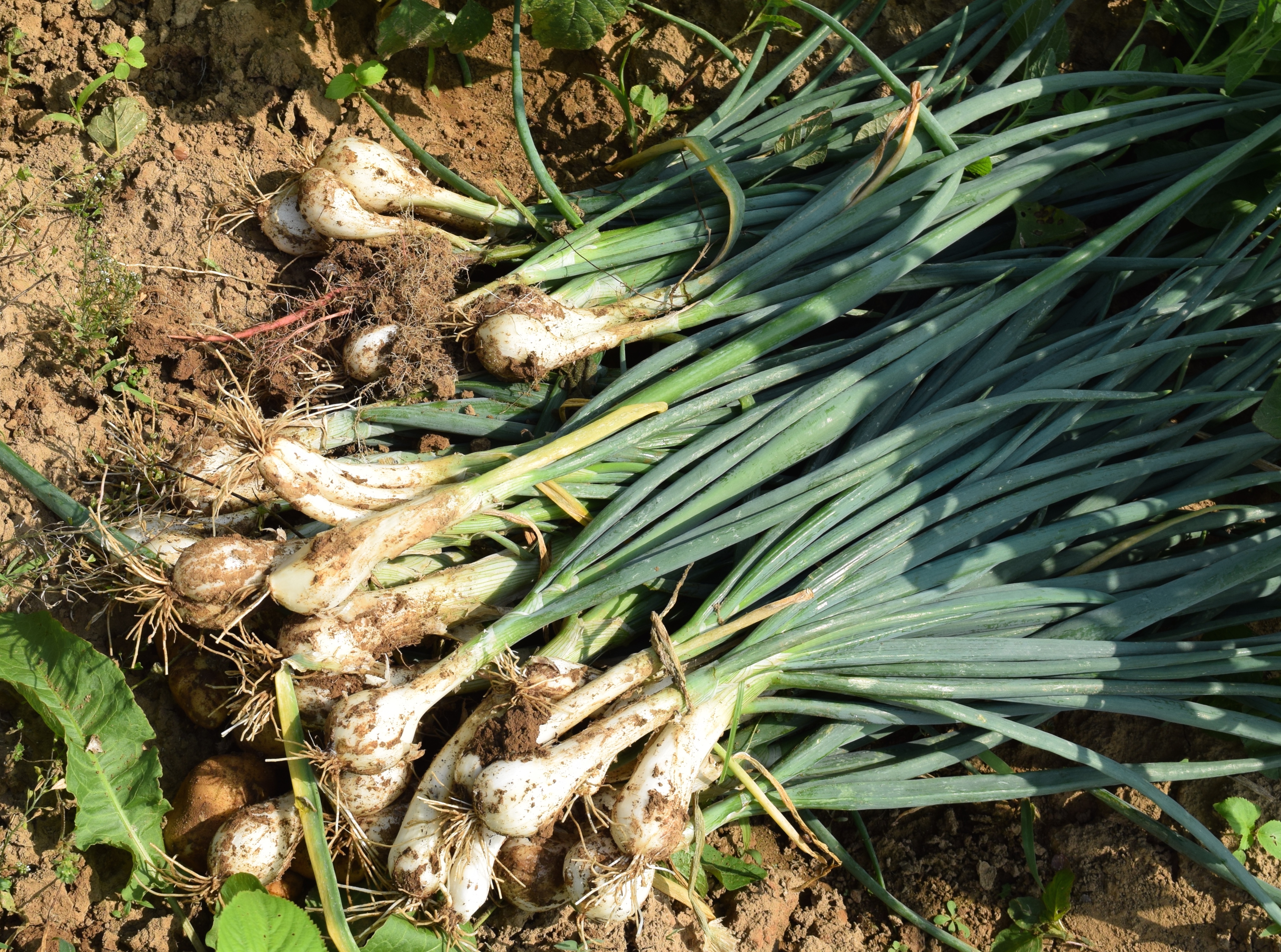
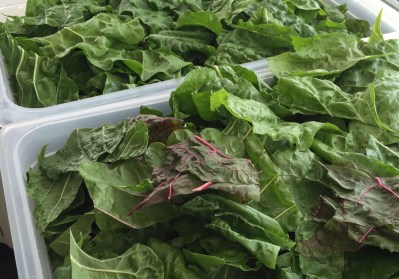
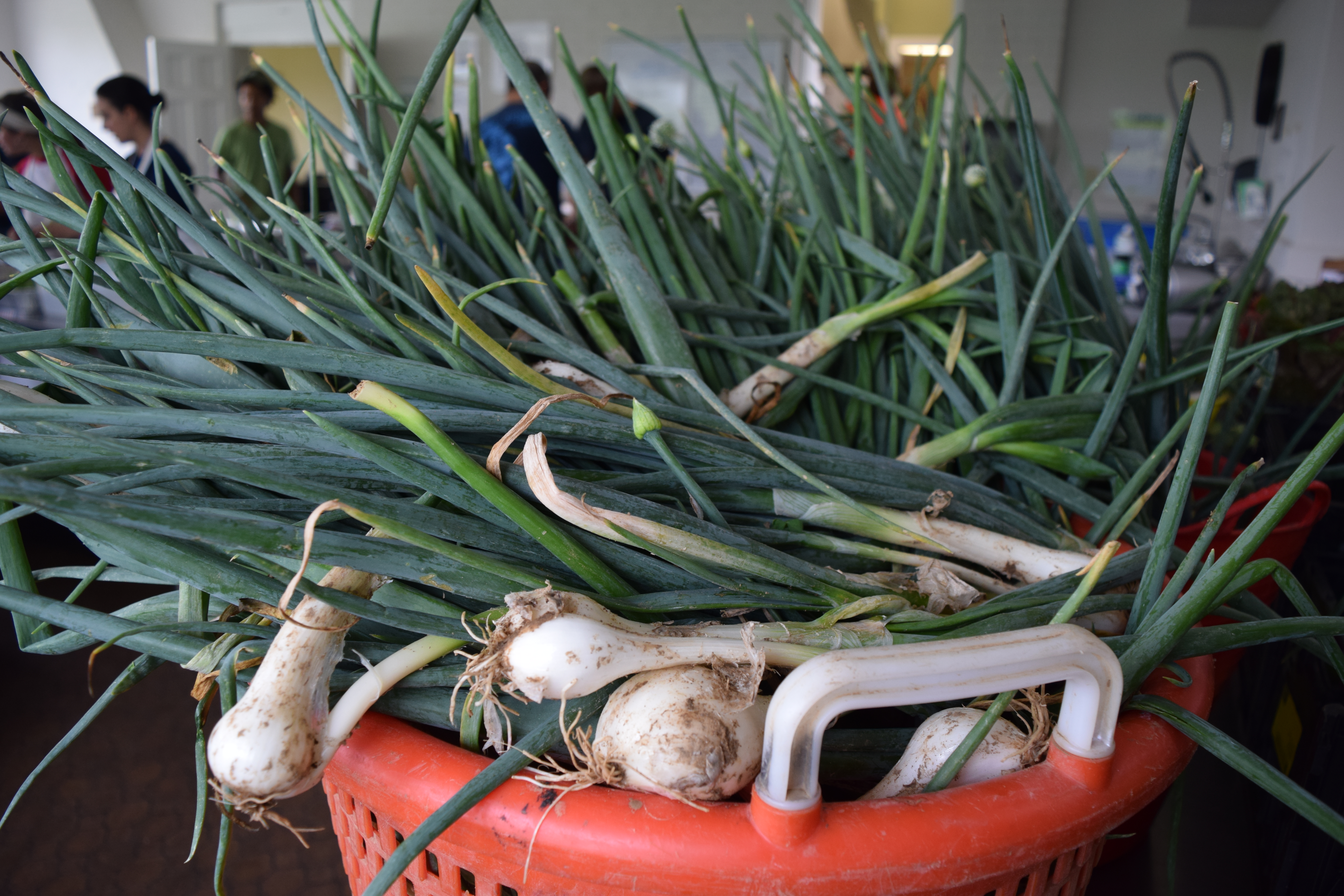
Every Monday, when the team arrives at Delvin Farm, Hank Delvin, Jr. directs TNFP’s food recovery team to different areas of the farm where they can glean. This week, the gleaners harvested onions and chard from fields about to be plowed over. Hank also let us glean from Delvin Farm’s abundance when he let us harvest from their newly ripening fields of zucchini and summer squash. This was Biblical. The Delvins’ generosity netted the indigent citizens of Nashville 295 pounds of fresh produce, this week alone.

Zucchini and Squash Fields
These fields take my breath away!

DSC_0381DSC_0385DSC_0383

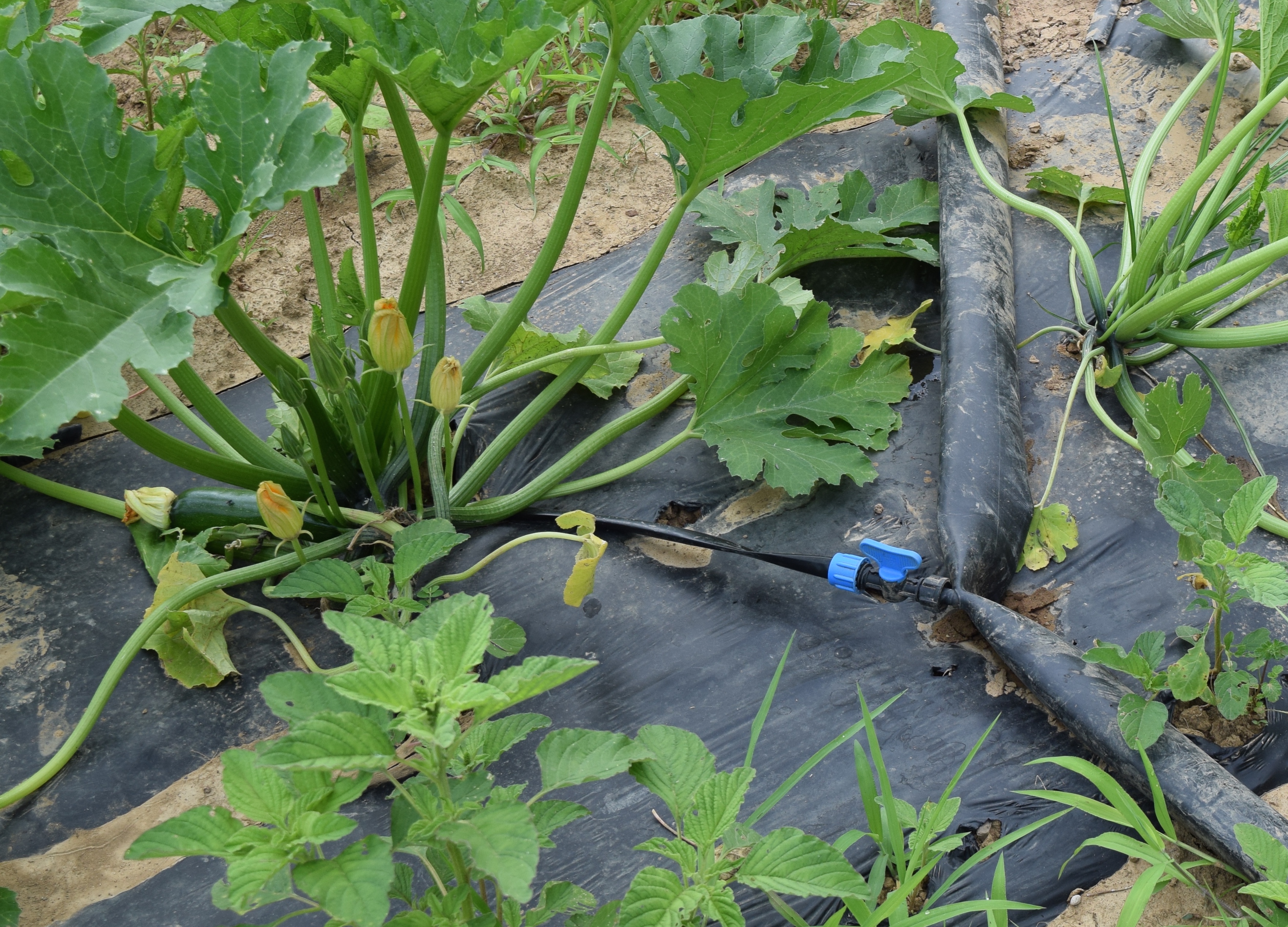
I like the way the Delvins cut down on watering, as well as how they control weeds and insects by laying heavy black plastic over the dirt. They then run a soaker hose under the plastic to water the plants.

DSC_0378

Onion Field
That’s Hank and Chris out in the field harvesting onions.DSC_0424DSC_0427

Swiss Chard Field
Rainbow chard always looks like a bouquet of flowers to me. I asked Darrius, TNFP’s Meals Assistant, to pose for me in this photo.DSC_0431DSC_0433

At some point, I was distracted from gleaning by what was going on in the next field over…

DSC_0388

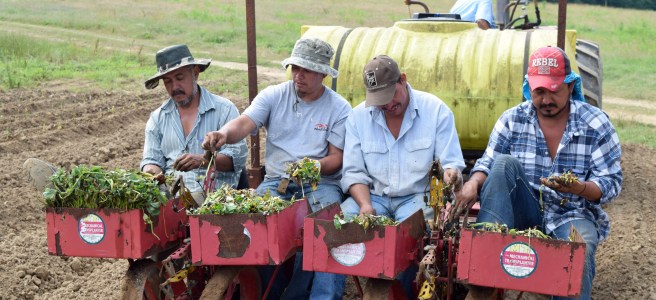
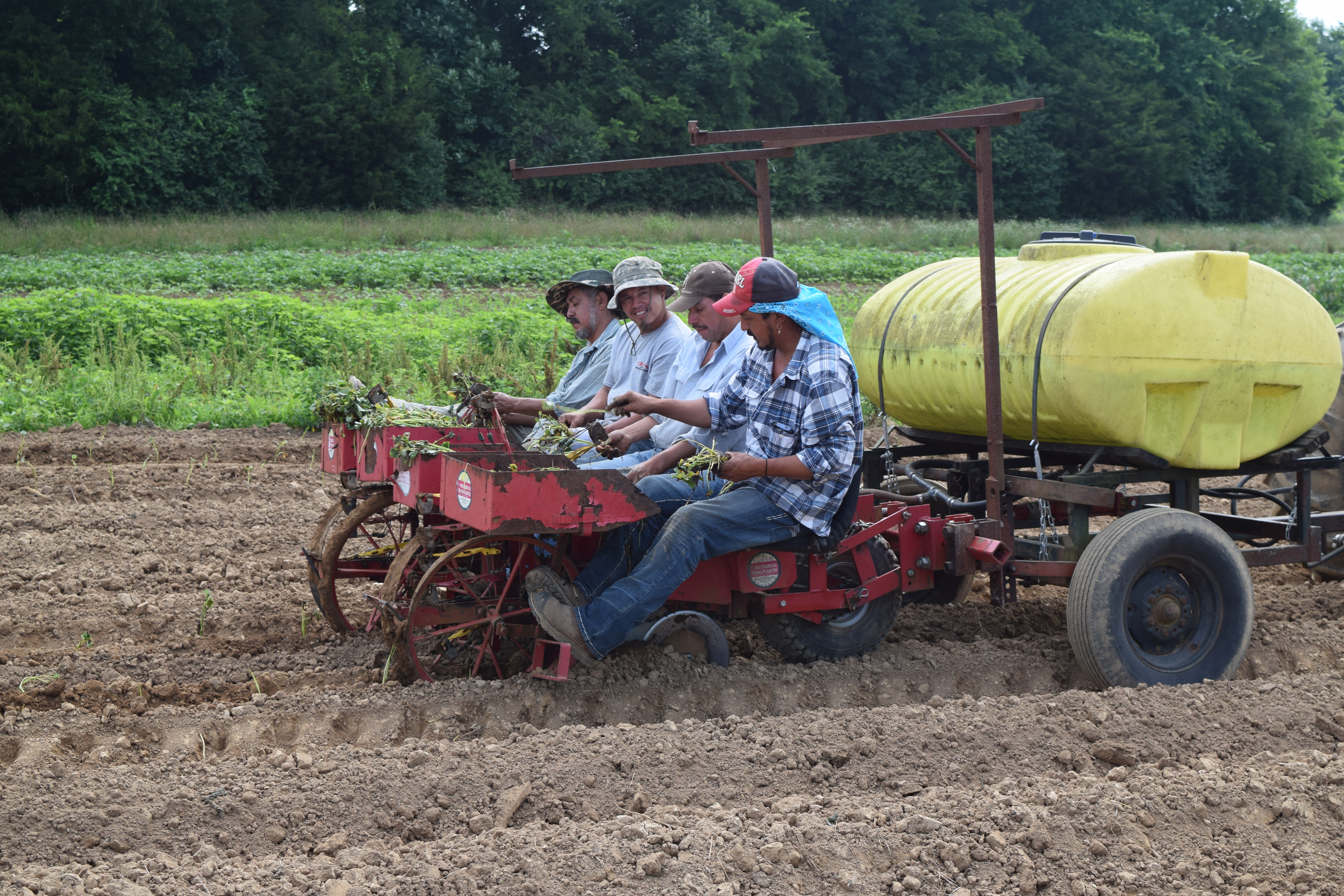
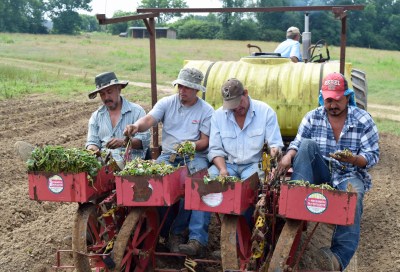
I walked up to the jovial field hands to ask what they were planting. Sweet potatoes.

DSC_0401

I must admit, when I first saw them, I thought of this, the Nashville Pedal Tavern.

535778_518326454875364_429056836_n-copy-1

I asked Hank Sr. to tell me about growing sweet potatoes.DSC_0443

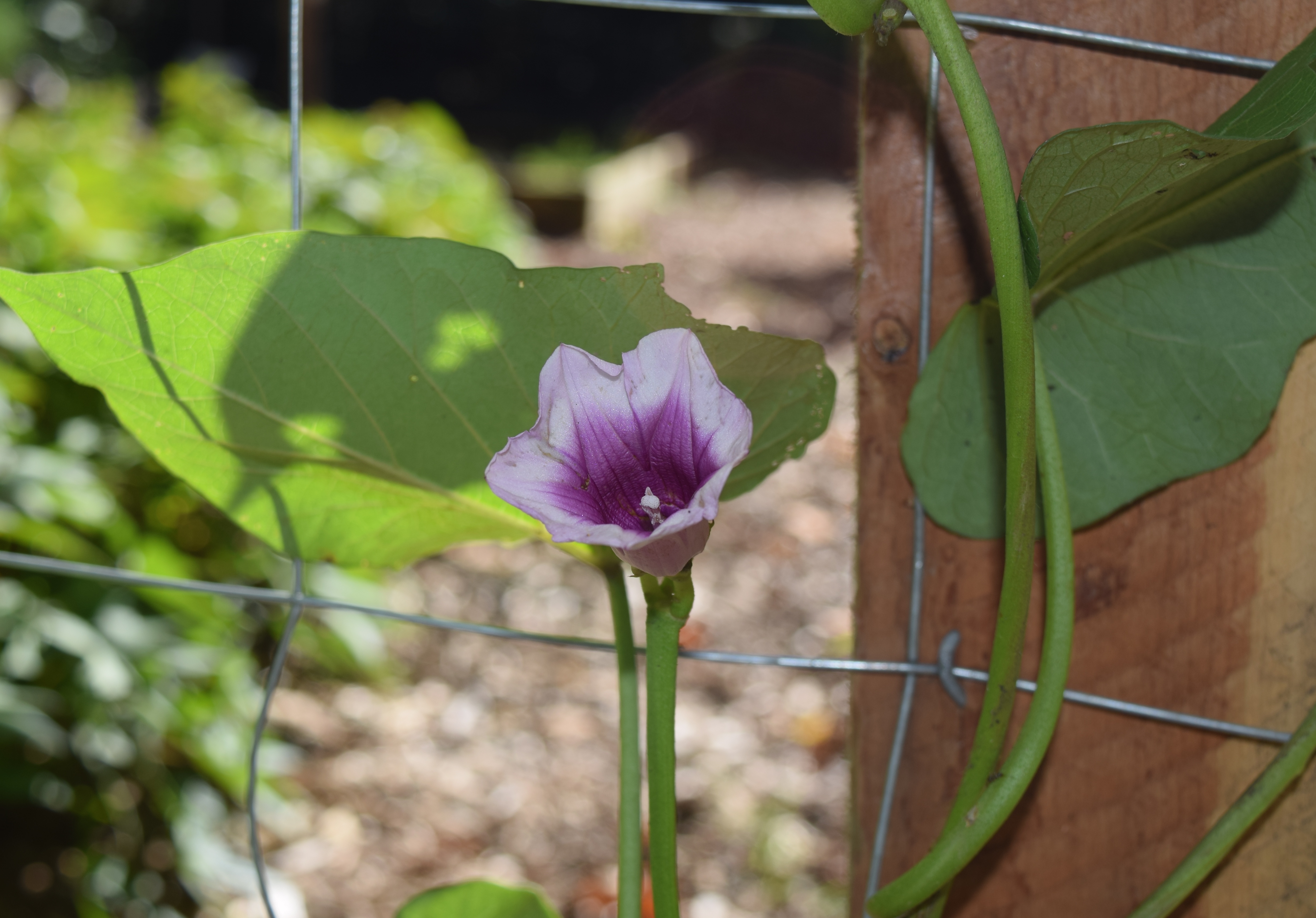
Sweet potatoes are in the morning glory family. Notice how similarly the flowers grow.

sweet potato flower 

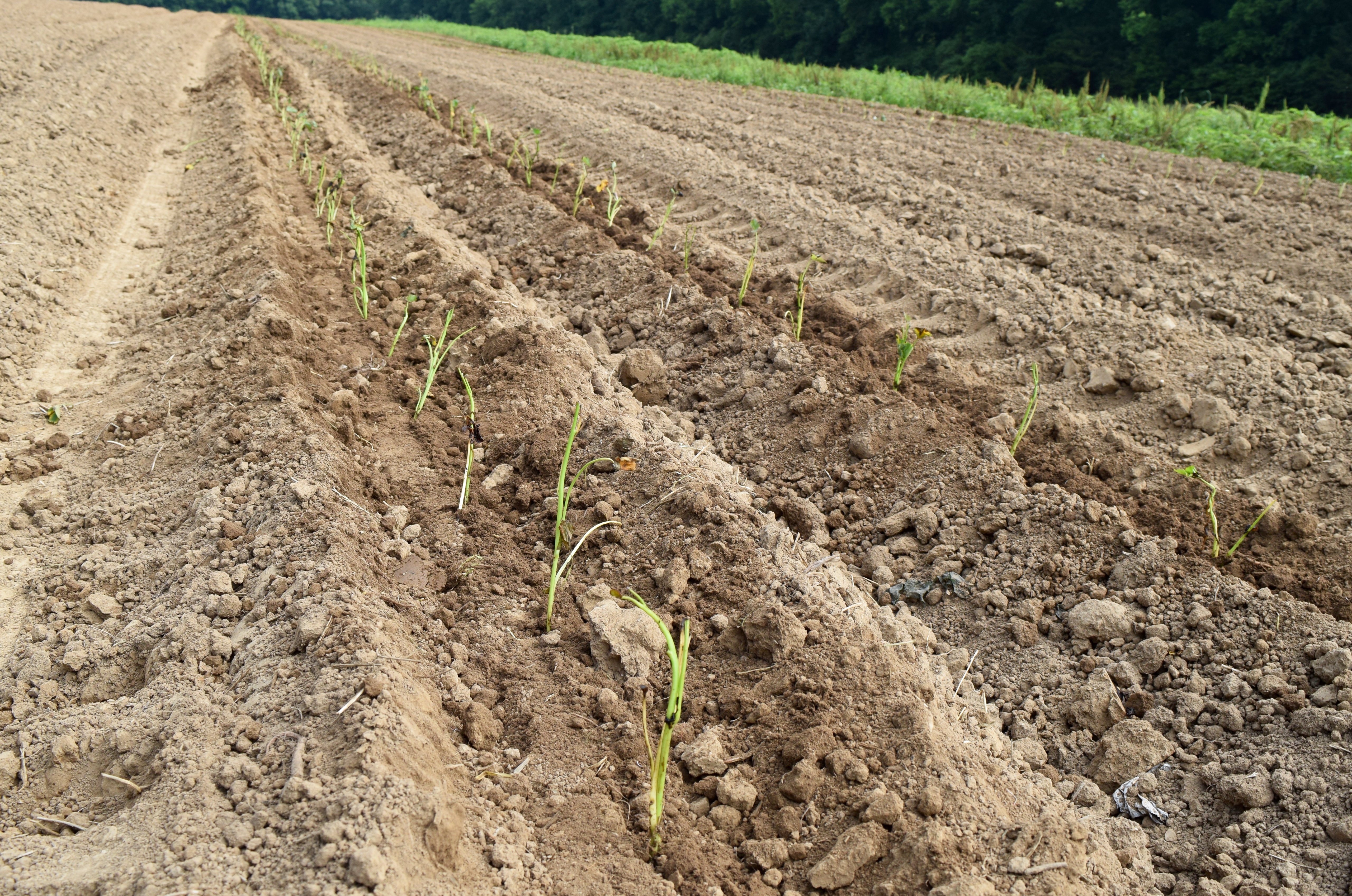
Sweet potatoes are a tropical plant and should be planted when the ground is warm in early summer. They’ll be ready to harvest in 120 – 160 days depending on which variety you plant. The “slips” are very hardy; it doesn’t matter how limp the leaves look, as long as they have a few roots on them, they’ll take.

DSC_0415

The Delvins plant thousands of potato slips each year.DSC_0437

I  am attracted to vintage, ingenious, efficient, gadgets of all sizes and this old planter was no exception.

DSC_0389

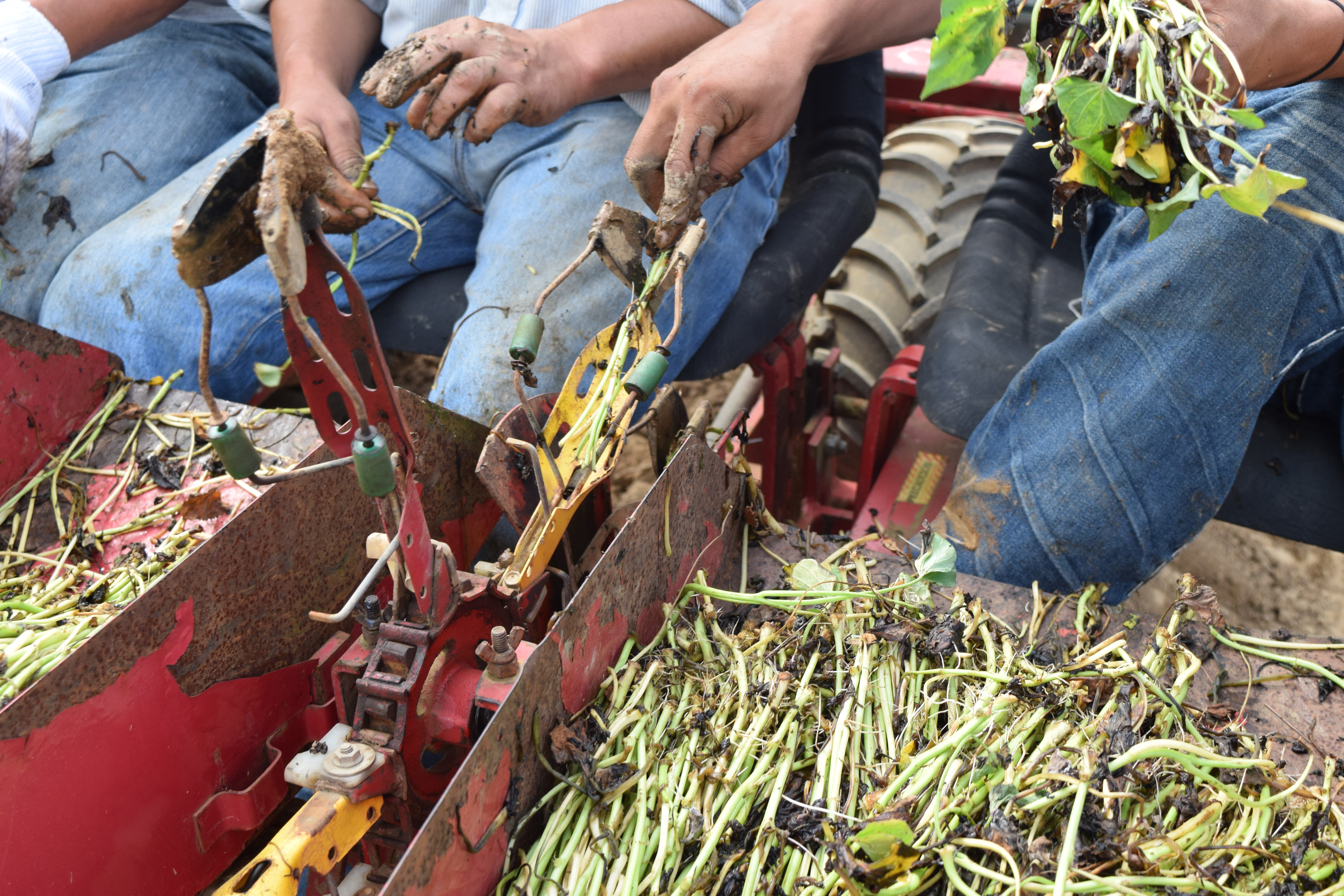
Here is how the planter works: A stationary v-grooved piece of metal cuts a thin gully in the soil as the tractor moves forward. Meanwhile, the field hands add slips of sweet potato vines into a device much like a Ferris wheel with multiple slip-carrying trays attached to a rim in such a way that as the wheel rotates, the little trays drop the slips into the dirt. As the slip drops in the ground, two red stationary wheels push the side soil back into place “locking” the slip into the soil. Simultaneously, a black hose delivers a squirt of water to each plant from the yellow tank located behind the men.

DSC_0393DSC_0395

Voila!

DSC_0407

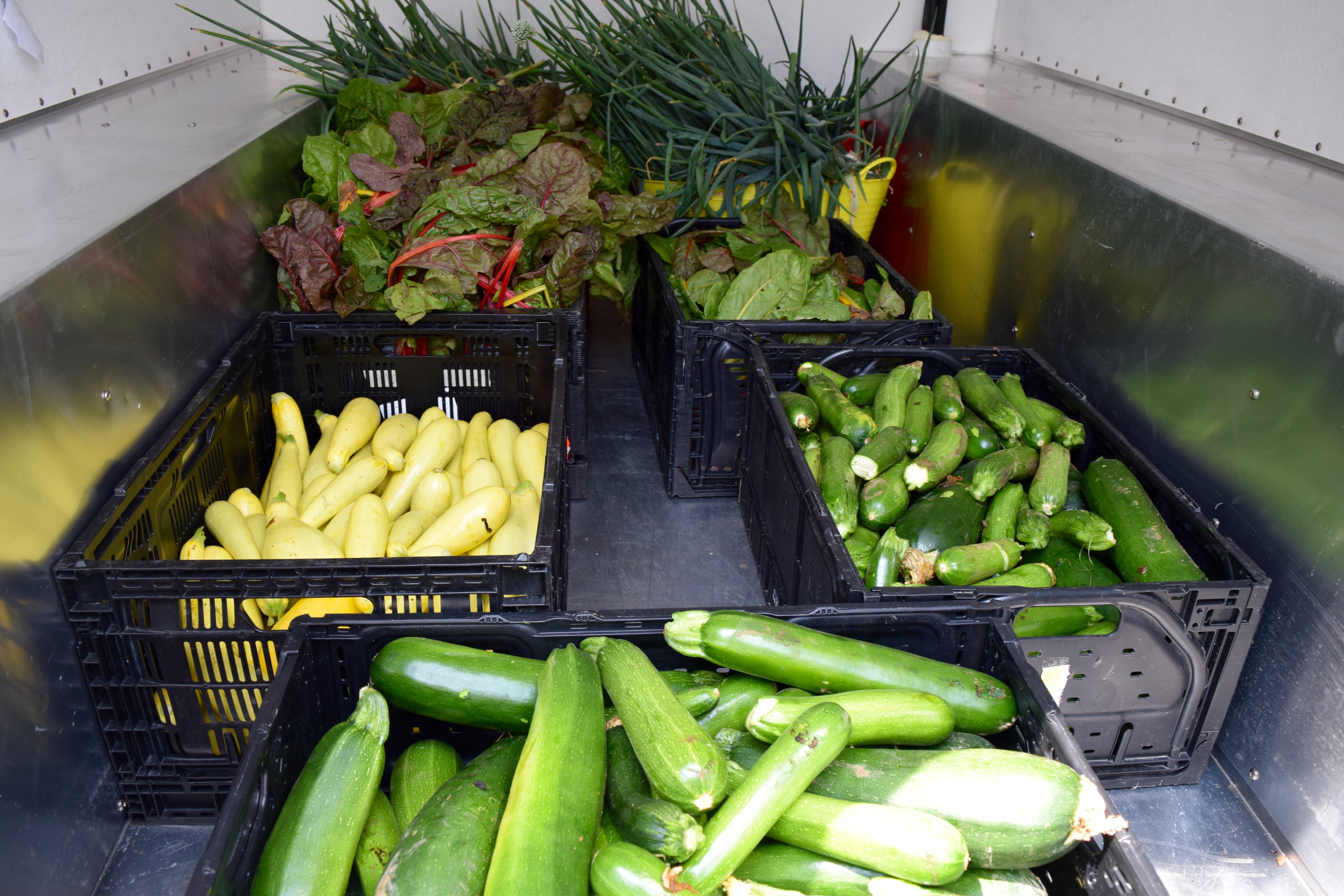
Back to the gleaning. We loaded the containers of food into the refrigerator truck.

DSC_0451

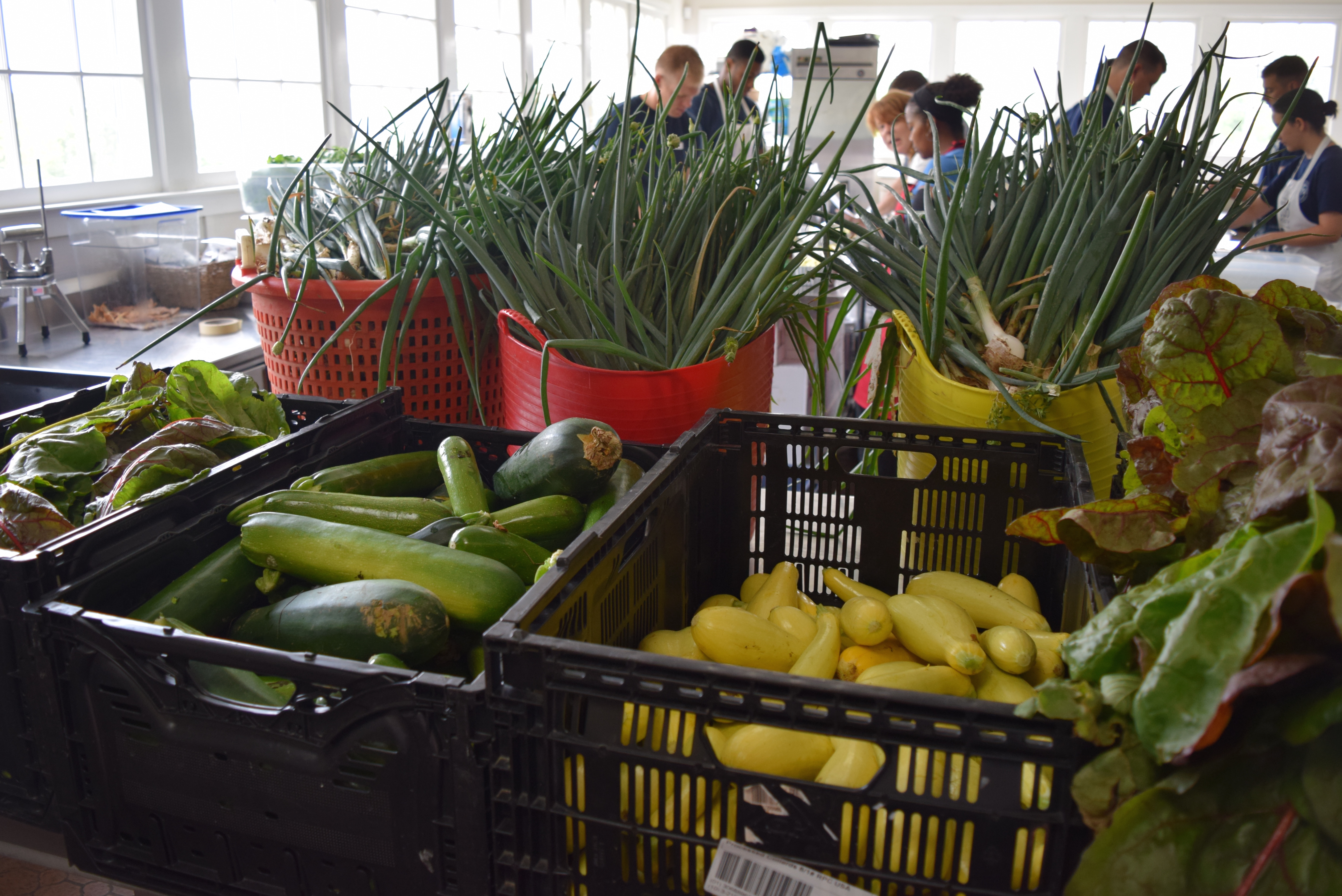
We drove twenty minutes back to TNFP’s headquarters and brought the food into the prep room to be weighed. TNFP’s prep room is a beehive of activity where you hear the harmonious sounds of chopping mixed with chatting. Sign up for a shift at Hands on Nashville!

DSC_0460DSC_0464

Then the food went into our walk-in refrigerator to be used during the week.DSC_0467

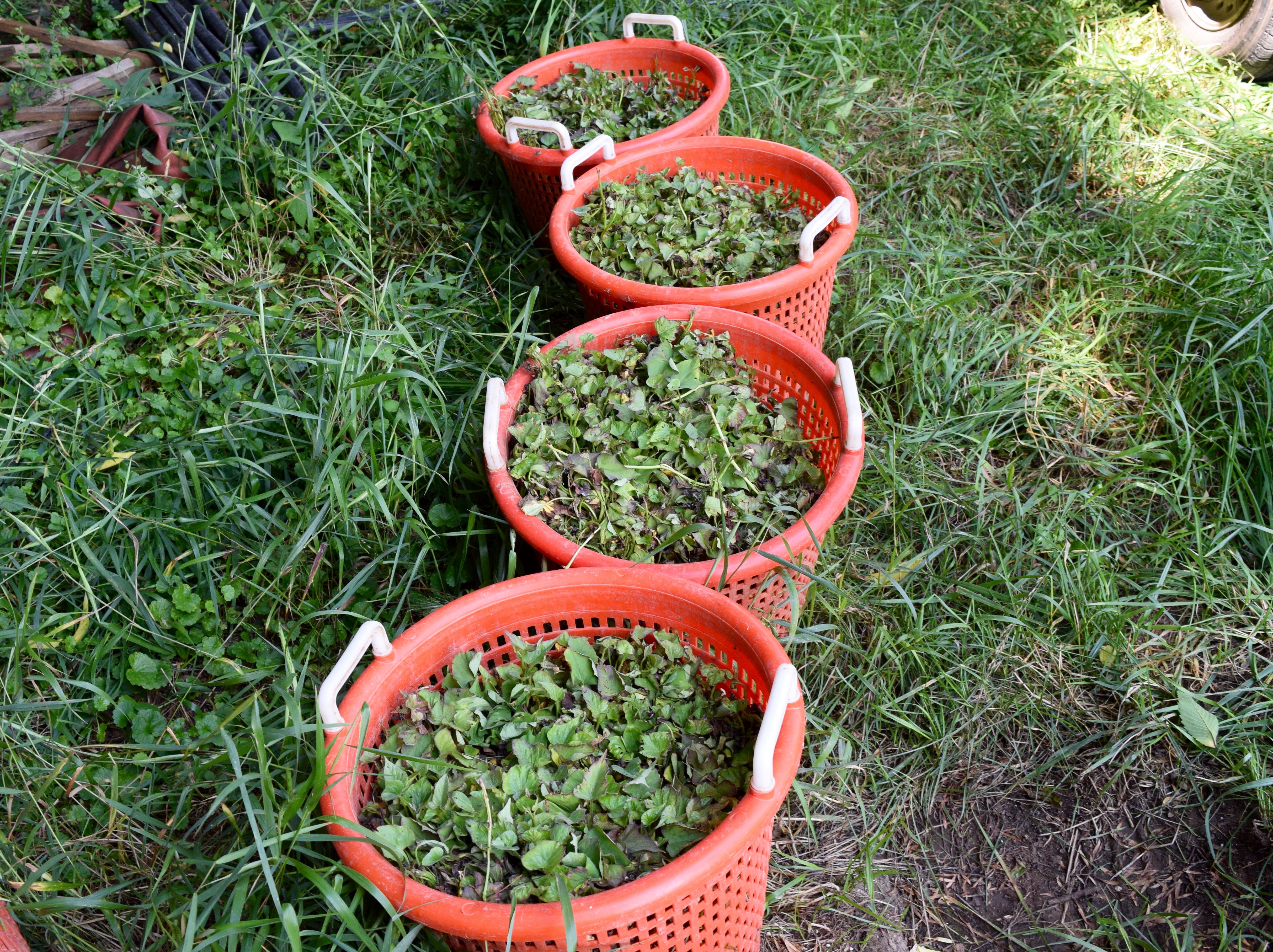
I went home and planted the potato slips Hank had given me. One variety is called Orleans (top grouping) and the other is a Japanese variety known as Murasaki.

IMG_0802 (1)

I planted the slips in my potato bed in between the Red Norland and Yukon Gold potato plants. The white potato plant leaves should start to turn yellow and die this month which will make room for the sweet potato vines to grow. I’ve never planted sweet potatoes this way before, but it seemed like a good idea at the time. Like so many new ideas, we’ll see.

DSC_0470

I think the Delvins would be happy to know that TNFP used all of the vegetables gleaned from their farm this week as they prepared and shared meals for over 1100 Nashvillians. The onions and chard ribs/stems (like celery stalks) went into the chopped vegetables of this week’s entree, Shepherd’s Pie.

IMG_0830

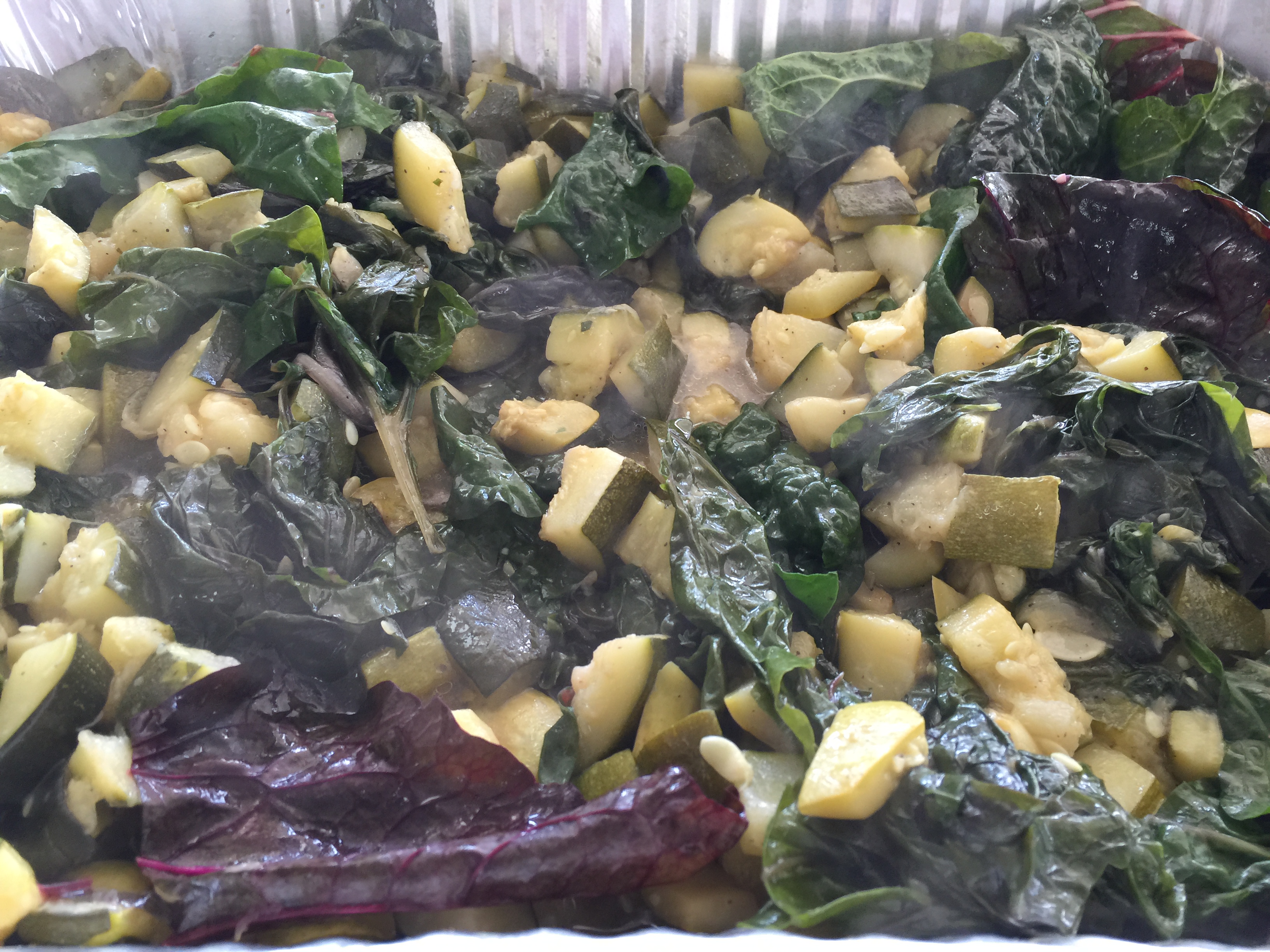
The zucchini and summer squash were chopped by volunteer prep teams and prepared for roasting by the chef teams who simply added olive oil, salt, and garlic pepper and roasted them at 400º for 40 minutes.

IMG_0822

Our chef team decided to add the chard leaves (with ribs removed) to the still piping hot zucchini when it came out of the oven.

IMG_0833

We added the leaves, mixed them in, covered the pan, and put it all back in the oven for another five minutes. The combination was good and a quick way for us to prepare the chard with limited stovetop and oven space. If I were home, I would have served the roasted zucchini/chard mixture over pasta with Parmesan sprinkled on top.

IMG_0845

As Curious George would say, Today was a good day to be curious.

DSC_0463

Related Posts on Commercial Farming:

LET’S STAY CONNECTED!

Follow my photos of vegetables growing, backyard chickens hanging out, and dinner preparations on Instagram at JudysChickens.

Never miss a post: sign up to become a follower of the Blog.

© 2014-2017 Judy Wright. All rights reserved. Photos and text may only be used with written consent.