Hensplaining Chicken Idioms

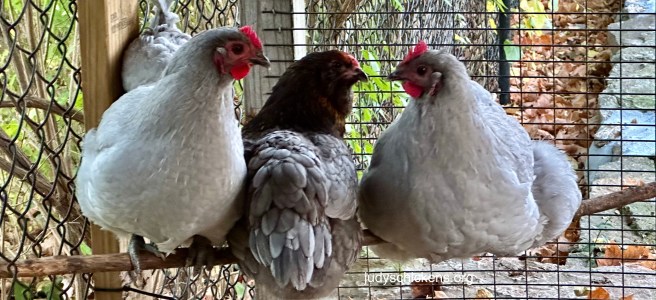
This Mother Hen whose children have flown the coop has been madder than a wet hen latelyWhile I might wish to wring a few necks down at the State House, I’ve opted instead to shake some tail feathers and head on downtown with my birds of a feather mom-friends to ruffle a few feathers  (non-violent protests) and hopefully assuage my feelings of intense grief, anger, and disbelief over the events of the last few weeks here in Nashville.

Chicken Idioms

How have chicken idioms become such a widespread reflection of everyday moments of craziness, hardship, joy, and humor? Although backyard chicken husbandry has been around for centuries, it took a giant leap forward during WWI and WW2 when the Department of Agriculture asked Americans to keep two hens per household member per family as a civic duty.
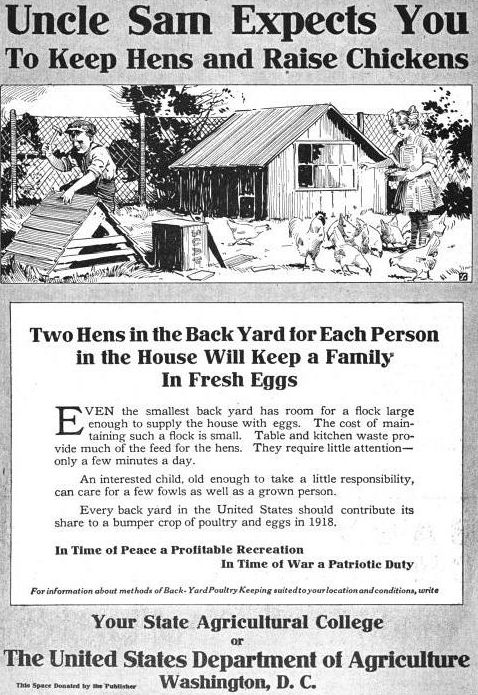
Citizens responded, and suddenly, grandmothers around the country were telling their grandchildren to stop all that cackling and get to sleep or to not count their chickens before they hatch. Chickens are fun to watch and have about ten behaviors they repeat daily. Using chicken idioms became a colorful way to describe human behavior and teach life lessons.

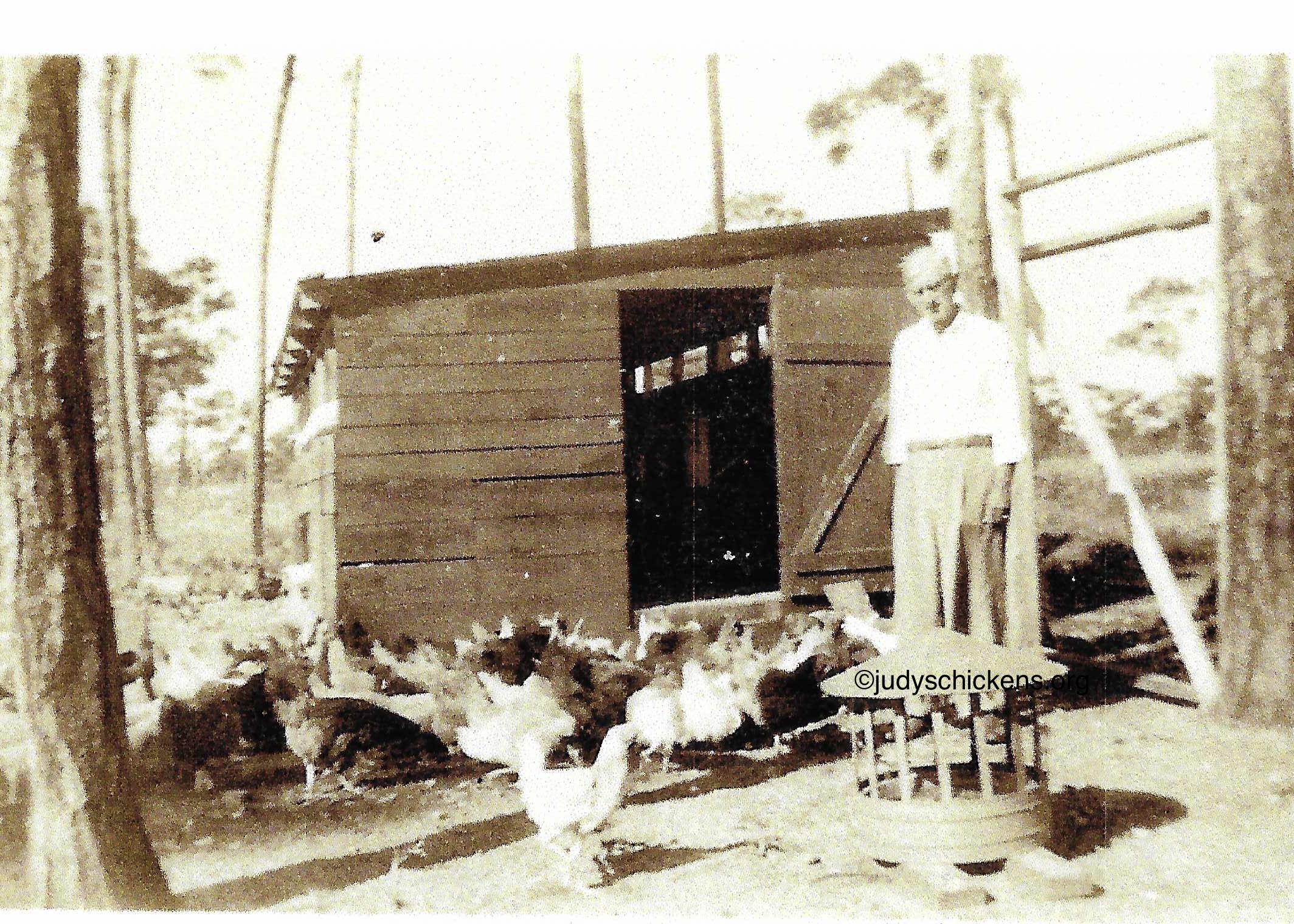
My friend Joanne Knight sent me these photos of her grandparents’ backyard chicken coop and flock during WW2.
About ten years ago, songwriter and mindfulness educator, Ginger Sands, sent me a list of chicken idioms. My husband and I have been adding to it for years. Here is our list. Add to it as you wish!

Chicken Behavior:


Birds of a feather flock together
Pecking order (social hierarchy based on who has access to good things first)
Wring your neck
Ruffle someone’s feathers.
Run around like a chicken with its head cut off
The feathers were flying
Get up with the chickens (get up early)
Madder than a wet hen
Winner winner chicken dinner
Scratching out a living
Shake some tail feathers (get moving)
Chickening out
The early chicken gets the worm
Stop cackling (the raucous noise a hen makes after laying an egg)

Eggs
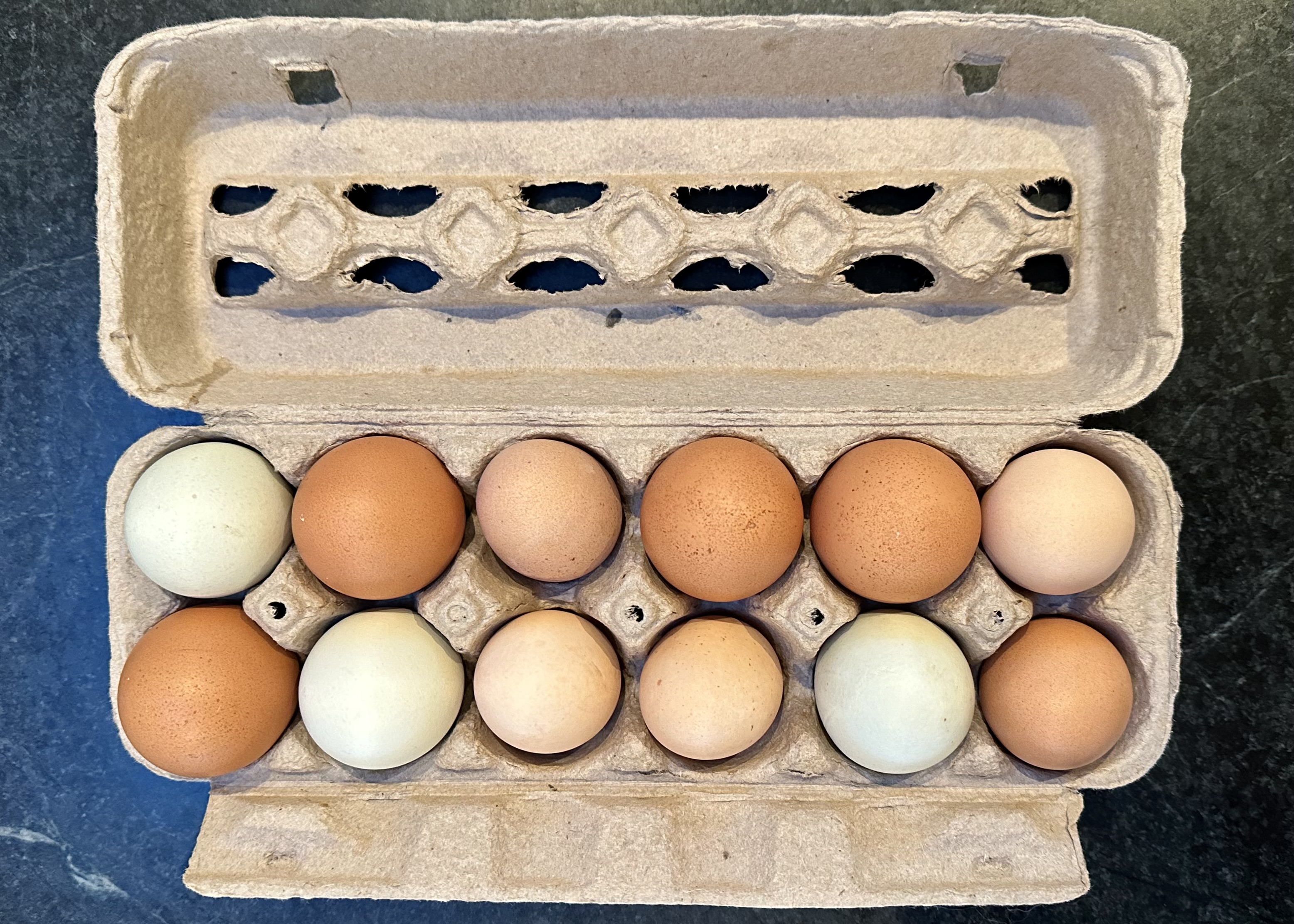

Good egg
Bad or rotten egg (one rotten egg can spoil the batter)
Golden egg
Nest egg
Walking on eggshells
Egg on your face
The yolks on you
Laid an egg (failed miserably)
Egg someone on

Hens


Mother hen
Henpecked
Scarce as hen’s teeth (hens don’t have teeth)
Hen party at the hen house
Chicken chat
Chick flick
Playing chicken (often dangerous, it’s a challenge of who will give in first)
Chicken fight (a wrestling game)
Doing the “Funky Chicken” (a dance)
Nobody here but us chickens
Hen Chicks (Hat tip to writer, Carrington Fox, for our group’s name and the word “Hensplaining!)

Roosters


Cocky
Cock and bull story (improbable)
Cock of the walk (a bossy person)
Cockfight
Something to crow about (to brag)

Nests/Coops/Roosts


Feeling cooped up
Empty nest syndrome
Nesting (making a home)
Leave the nest
Flew the coop
Coming home to roost (come home to deal with the consequences)
Rules the roost (Who’s in charge?)
Broody (when a hen sits on a clutch of eggs and does nothing else for days)
Fox guarding a henhouse (an action that invites disaster)
Feather one’s nest (broody hens pluck their own feathers to soften their nest)
Henhouse syndrome (when predators kill more than they need)

Insults


Being chicken (cowardly)
Chicken-hearted
chicken-livered
Chicken s**t
She’s no spring chicken (baby chicks hatch in spring)
That’s chicken feed (insignificant or cheap)
Can’t boil an egg (can’t cook at all)
Dumb cluck
Fussing like an old hen
Chicken Little (an alarmist)
Rubber chicken circuit (a monotonous round of dinners)

Questionable Behavior


Playing chicken (often dangerous, it’s a challenge of who will give in first)
Chicken fight (a wrestling game)
Doing the “Funky Chicken” (a dance)
Nobody here but us chickens

Philosophy and Proverbs
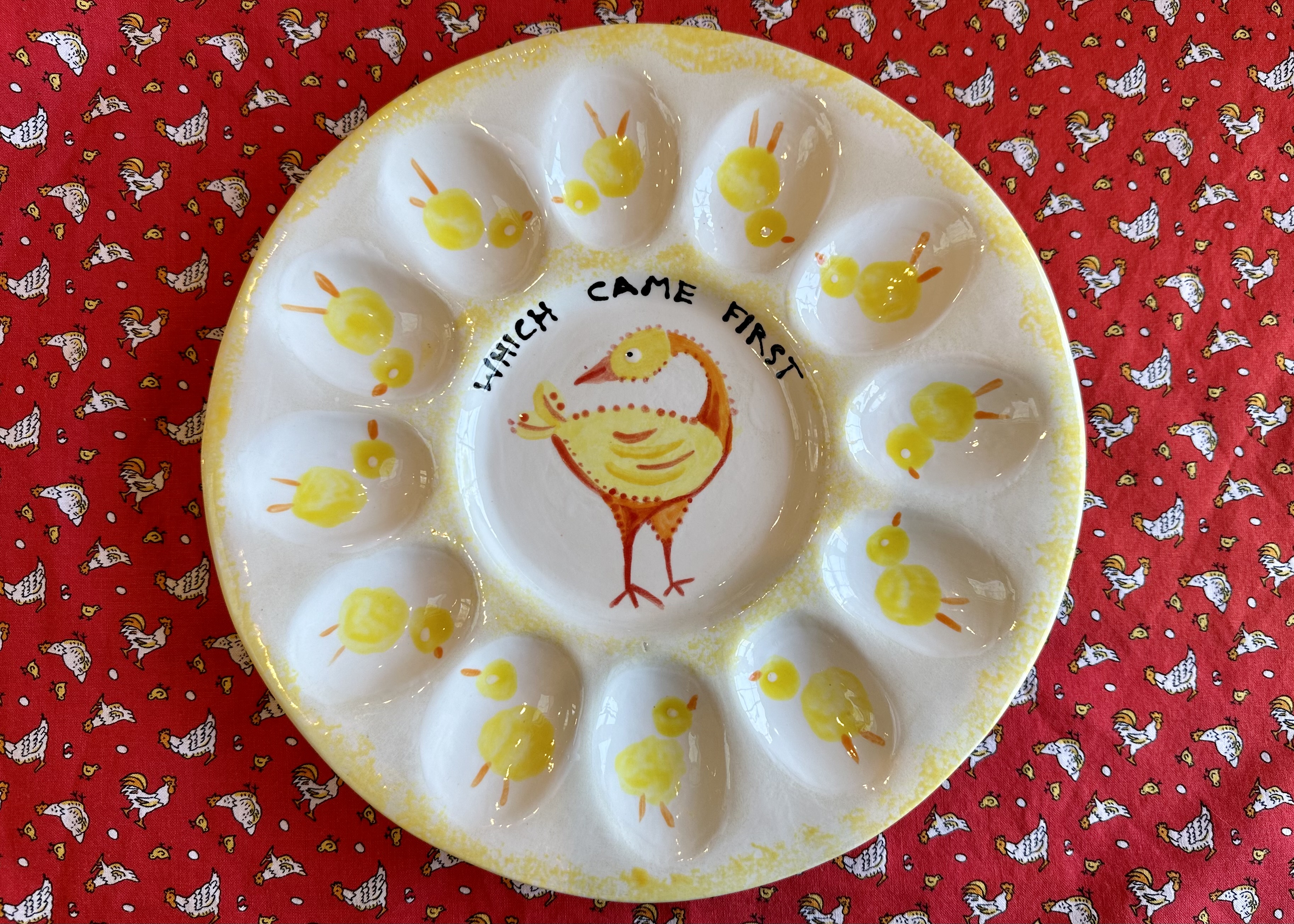

Which came first, the chicken or the egg? (Corabel Shofner created the plate!)
“It’s a chicken and egg problem.”
Don’t put all your eggs in one basket
Don’t count your chickens before they hatch
A chicken in every pot (suggestive of prosperity)
The rooster may crow, but the hen delivers the eggs
You cannot make an omelet without breaking eggs.
He that would have eggs must endure the cackling of hens

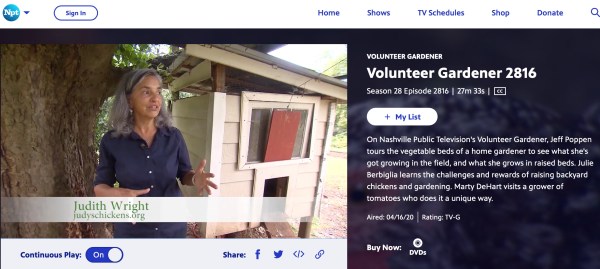
Thinking about keeping chickens in your backyard?
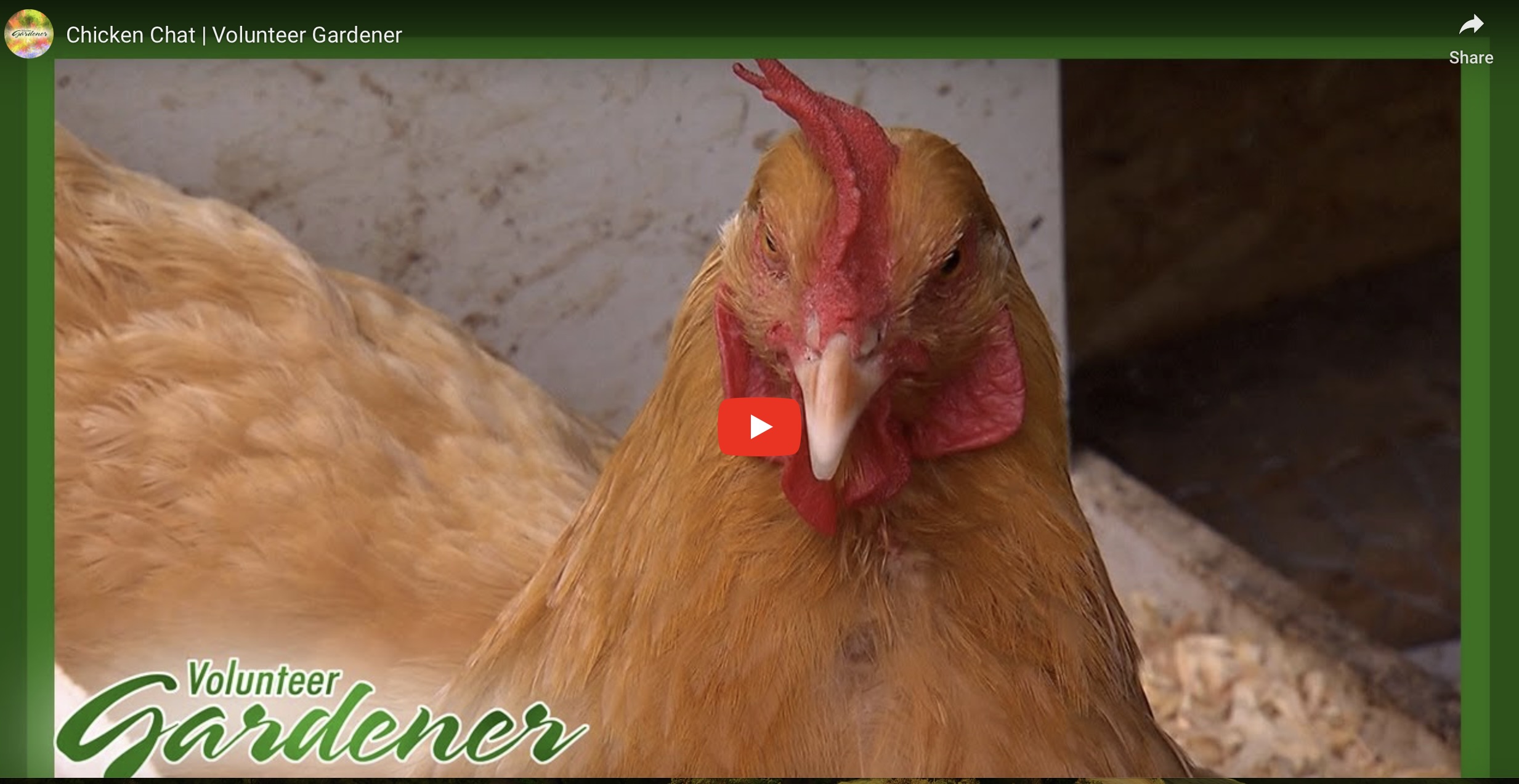
Watch this episode of Nashville Public Television’s Volunteer Gardener:
For Related Chicken Posts:
Eulogy for a Chicken
Chicken Chat on Facebook LIVE!
How to Tell If an Egg Is Fresh or Hard-Boiled
Quiche Lorraine with Bacon and Kale
50 Ways to Make a Frittata

Follow Judy’s Chickens on Instagram and Pinterest @JudysChickens.

If you enjoyed this post, sign up to become a follower. If you do sign-up, press “confirm” on the follow-up letter sent to your email address. And feel free to share!!

© 2014-2023 Judy Wright. All rights reserved. Photos, videos, and text may not be reproduced without the written consent of Judy Wright.

The Soil Your Undies Challenge- A Simple Home DIY Test for Soil Health

A few weeks ago, I sent my grandchildren a package with two pairs of new XL men’s cotton briefs and a batch of their favorite Italian cookies. After the box arrived, their mom Facetimed so the kids could say, “Thank You.” My grandchildren, who have been gardening with me for years, asked why I had sent them such huge undies. In my most enthusiastic voice, I explained that we were going to plant them in their new garden, and it was going to be a science experiment! My six-year-old grandson brought the phone close to his face, looked me in the eye, and in a serious yet tender voice said, “YaYa, you can’t grow underwear.”

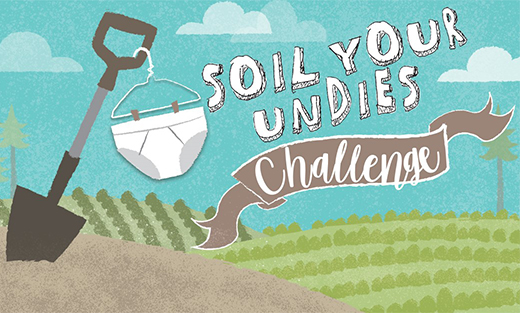
The Soil Your Undies Challenge


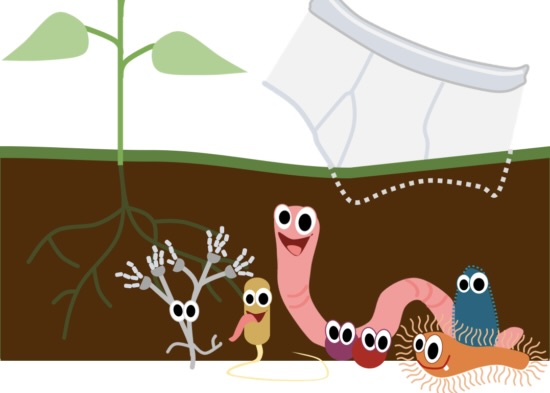
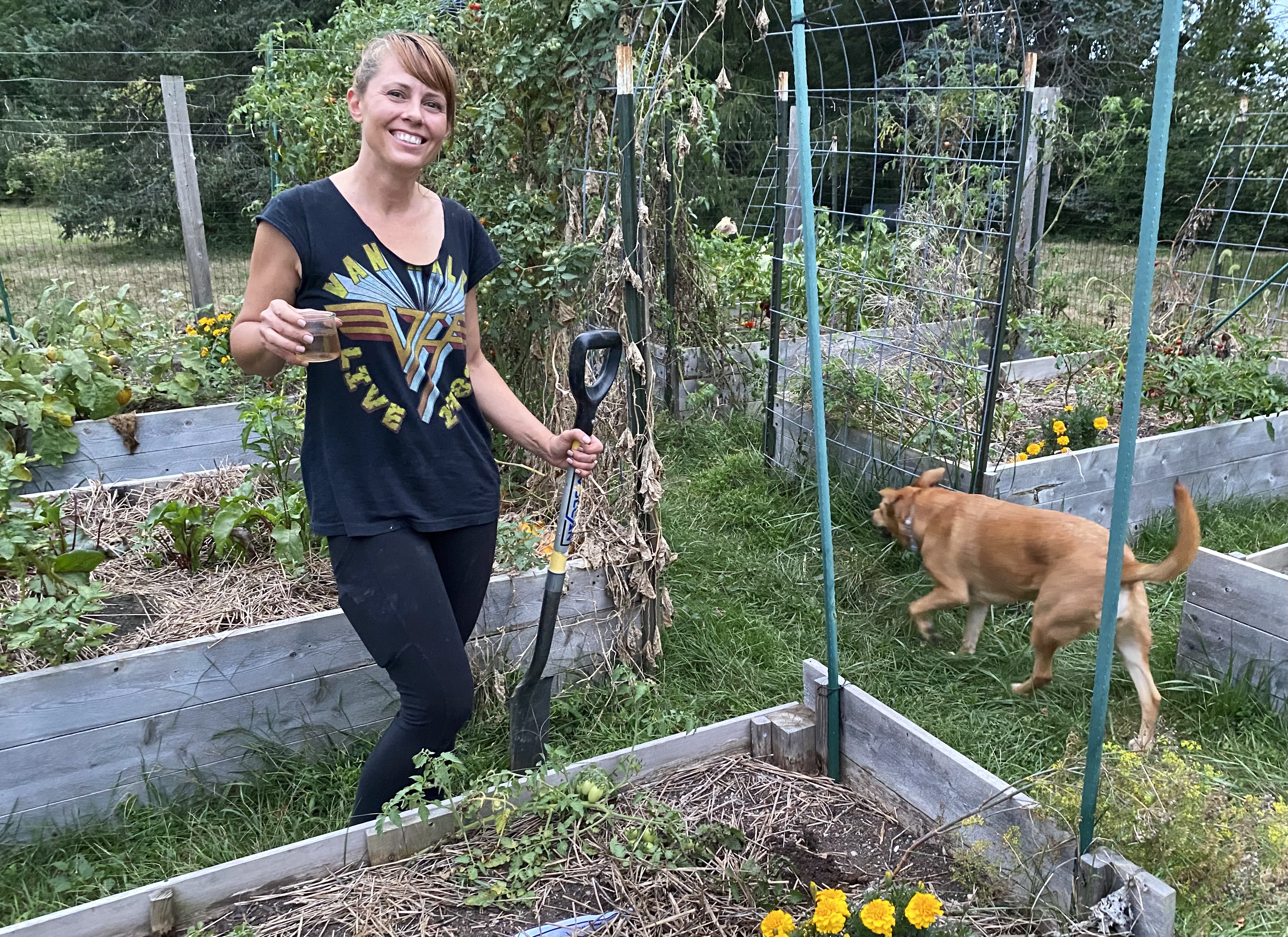
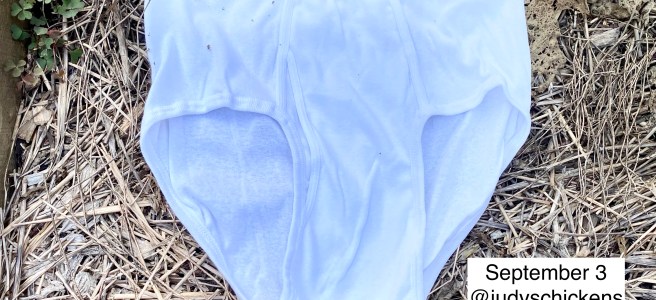
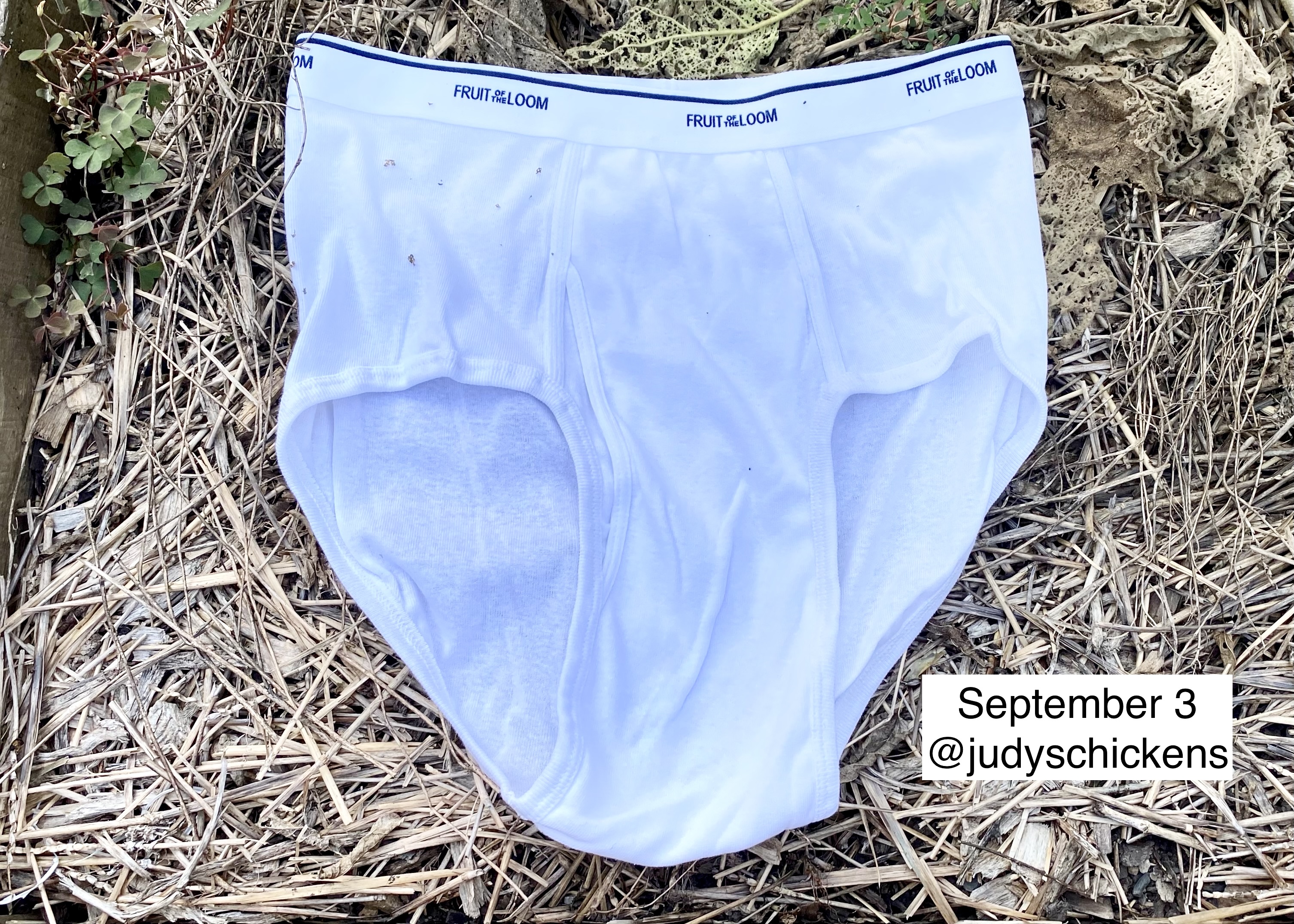
Last fall, I participated in a whimsical citizen science experiment called the Soil Your Undies Challenge. I “planted” new cotton briefs in one of my raised garden beds on Labor Day and “harvested” them sixty days later. The Challenge is simple: if your soil is healthy, soil-dwelling organisms will dine on the cotton until it is gone. The degree of cotton deterioration is directly related to how much microbial activity is going on. The more activity, the more “alive” and healthy your soil and the healthier your plants will be. Healthy plants resist the stress caused by drought, pests, and disease.

Here is the BEFORE photo:

Here is the AFTER photo:

You can imagine my astonishment when I found the cotton had fully disappeared! Only the polycotton seams and waistband remained.

What is Soil Health?

Healthy soil is dark and crumbly, is full of nutrients, and has macroorganisms you can see like earthworms and insects, and billions of microorganisms (aka microbes) like bacteria and fungi that can only be seen under a microscope. These organisms feast on organic material like mulched leaves, grass clippings, dead plants, food scraps from the compost bucket, and sometimes buried cotton undies. Microbes rule the soil. They constantly break down organic matter creating a biological environment that allows for the absorption of nutrients by a plant’s roots. Microbial activity helps make soil porous and better able to retain water, air, and nutrients. 

The Soil Your Undies Challenge was created by a group of Oregon farmers as a way to build public awareness of how farming practices such as tillage affect soil health. Tillage disturbs soil microbes. The no-till strategy allows organisms to do their work to create more nutrient-dense soil and keeps sequestered carbon in the ground, which is healthier for the environment. Carbon that is released into the atmosphere contributes to climate change.

Nashville’s version of the Challenge was coordinated by Jeff Barrie, CEO of the Tennessee Environmental Council, and Dr. Chris Vanags, a soil scientist in the ASCEND Initiative at Vanderbilt University. They aim to help people make informed decisions when purchasing lawn and garden products like insecticides and herbicides or when performing common land management practices like mowing a lawn perhaps too frequently or tilling a garden bed.

Methodology

For standardized data comparisons, the coordinators mailed participants the same-size briefs and a video link on how to plant them. We planted undies vertically with the waistband exposed so we could locate them two months later. We mailed before and after photos to the researchers.

Below are photos of my adorable sister-in-law, Lesley, modeling for me how to plant undies. She and my brother started their raised beds with logs, sticks, and plant debris, a type of gardening known as hugelkultur. Their soil is gorgeous.

Why Use Cotton Fabric?

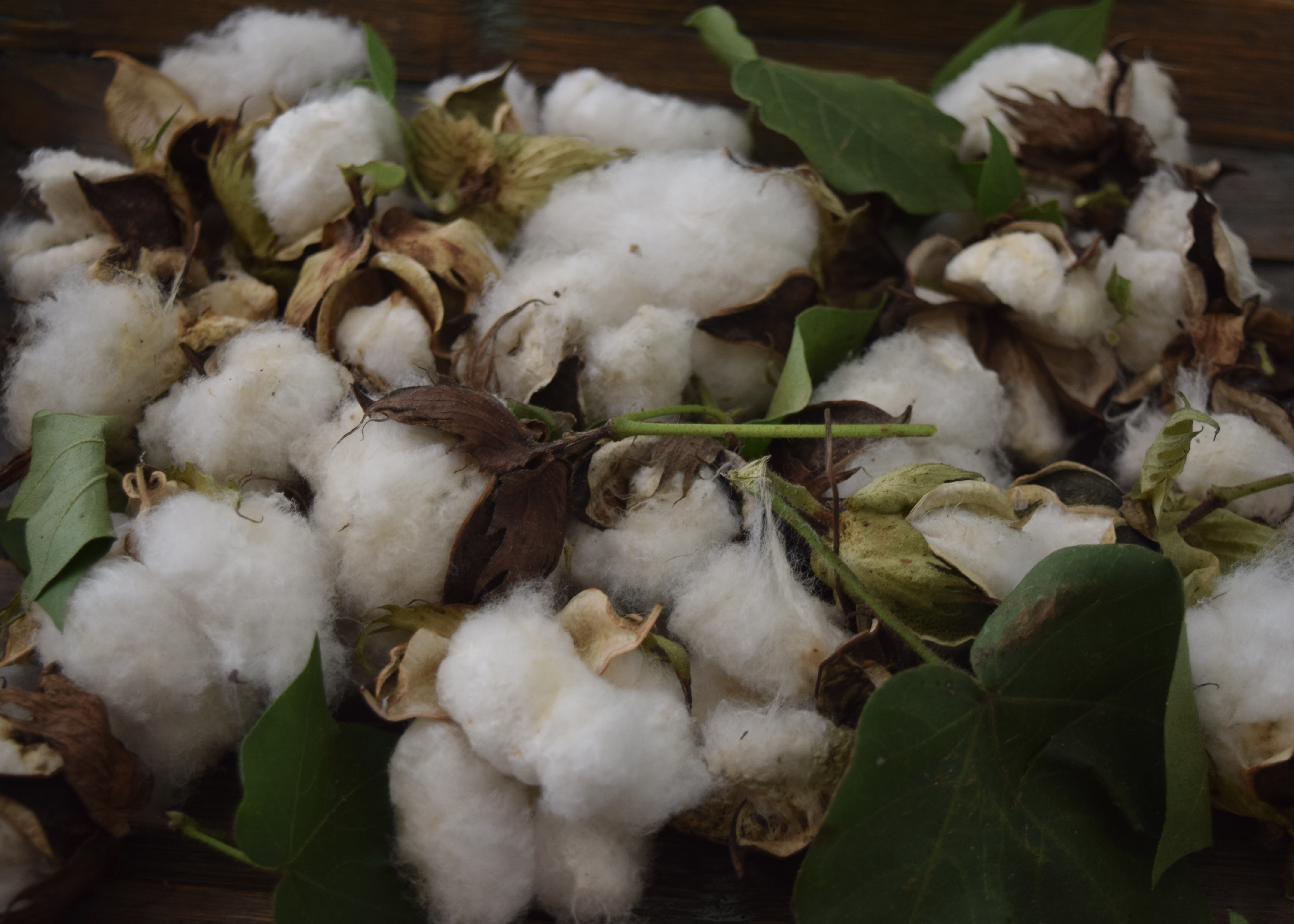
Cotton fibers are comprised of tens of thousands of seed hairs made of tasty carbohydrates (cellulose) that grow off of the seed coat. These hairs are present to facilitate wind dispersal of the seed for the purpose of reproduction.
 

Results

One week after we unearthed the undies and sent in our photos, we met the study coordinators, Jeff and Chris, in a Facebook Live presentation. They divided the 120 “after” pictures of undies into ten categories based on the degree of degradation.

I took this screenshot of the results. It turns out my undies fell in the number ten category. I’ll admit to a momentary feeling of pride in my hard work to keep my garden beds healthy.

Land management practices that contribute to soil health:

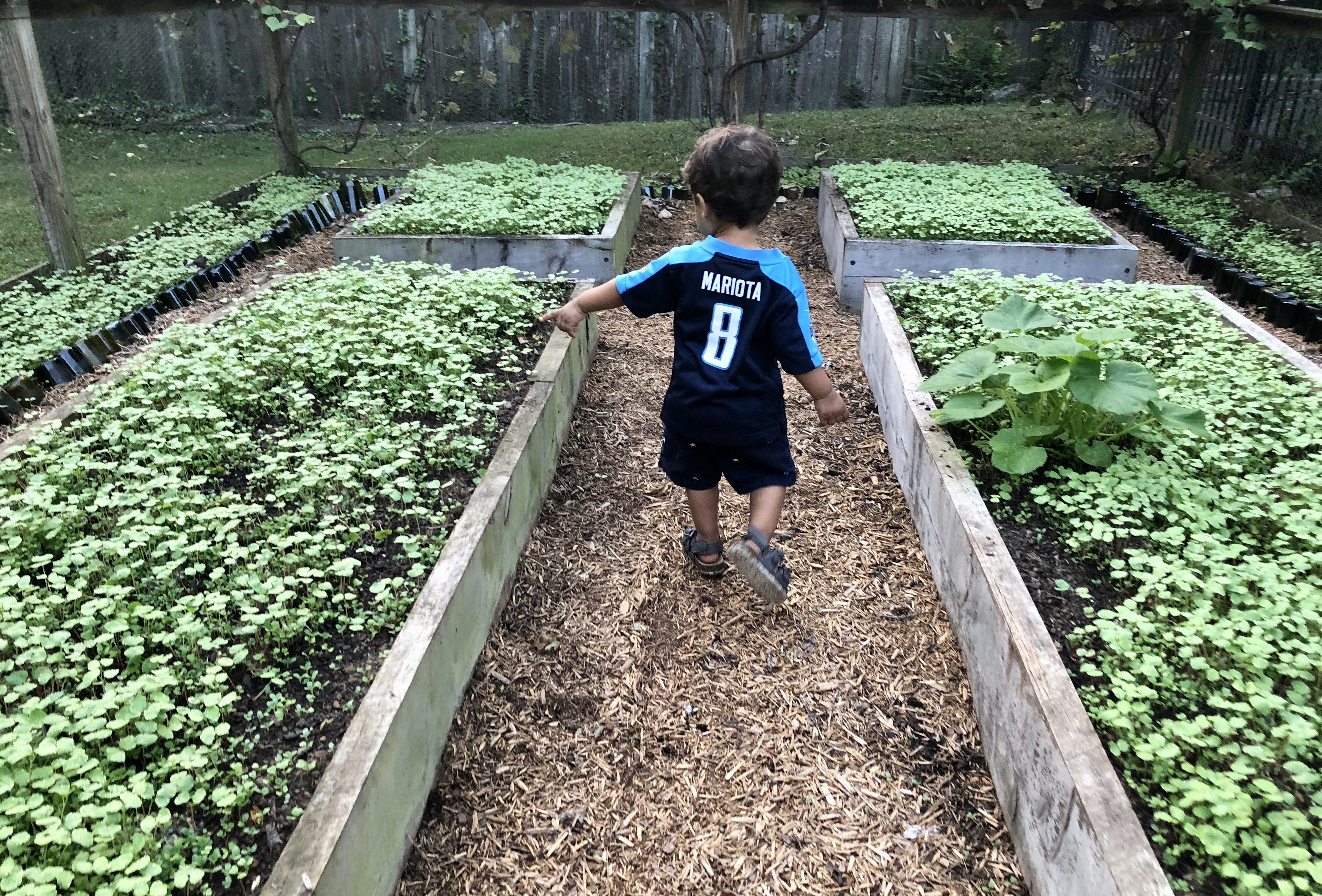
Grow cover crops:  Keep something growing in the garden year-round by planting cover crops between seasons. Cover crops nourish microbes and prevent soil erosion in the off-season. I plant a combination of buckwheat which suppresses weeds and whose blooms attract beneficial insects, a brassica like daikon radish or turnips whose roots drill down into the soil naturally breaking it up, and crimson clover, a legume that adds nitrogen to the ground through nitrogen fixation and whose red blossoms attract bees.

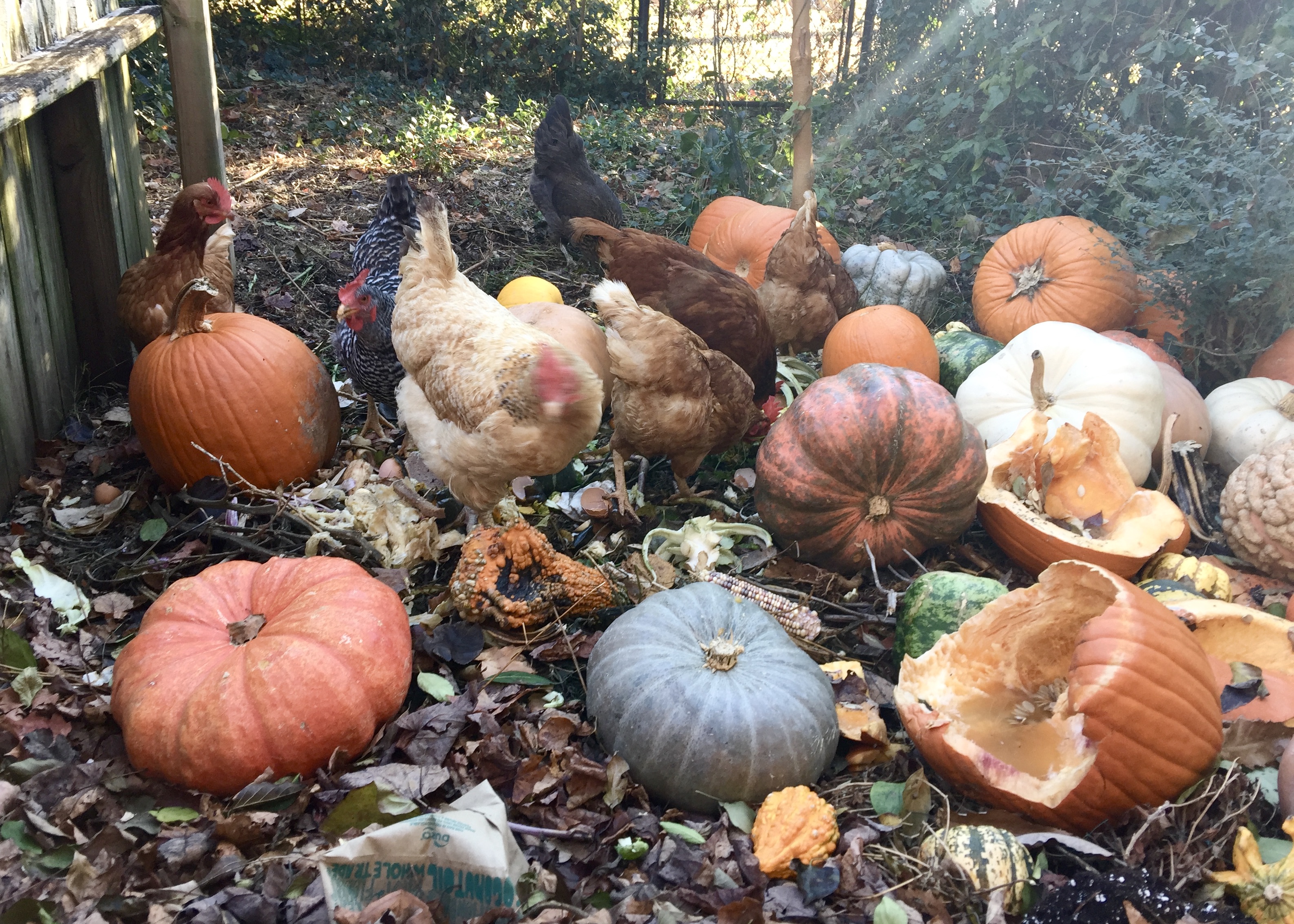
Start a compost pile. We throw food scraps, old bread and pasta, leaf litter, chicken poop, dead plants, and coffee grounds into our compost pile. We don’t add cooked food that might attract rodents. We spread composted mulch in our garden during the summer to keep moisture in and weeds out and to add nutrients to the soil,

Stop tilling in established beds. Tilling disrupts a garden’s microbial population. It exposes microorganisms to the elements where they dry out and die; it releases nutrients to rain run-off; and it releases sequestered carbon (in the form of carbon dioxide) into the atmosphere. Instead, jiggle a pitchfork or broadfork in the ground to aerate soil. I only use a tiller when creating a new bed and even then, only when the ground is too hard to break up on my own. When removing dead plants, I cut the stems at the ground level allowing the roots to decompose in situ. Check out this post to read more.

Create garden paths in your garden to discourage compaction by foot traffic. This will help keep the nooks and crannies in soil open to air and water in the garden beds. Check out How to Build a Raised Garden Bed

I don’t use herbicides or insecticides. I know it’s pathetic, but I only stopped using them in 2010 when I became a hen keeper — I didn’t want my free-ranging chickens to eat anything that had chemicals on it! Back then, I would joke that the chickens kept me honest.

I do not spray for mosquitos. Instead, I make mosquito bucket traps that contain a bacterium found in soil that acts as a larvacide for mosquitos.

Conclusion

This study has had a profound impact on the way I think about soil. I now imagine all the microbial activity going on underground, and I am more conscious of how my chosen garden practices affect my soil. Additionally, when I give a garden tour or teach people how to start a garden, I begin with a discussion about soil health, and then I pull out my scrappy undies…

For the past year, I have volunteered at a non-profit, teaching women how to grow food. I enrolled the ladies in this year’s Soil Your Undies Challenge. They planted undies in two garden beds. As they planted the undies vertically, they quickly learned that while the topsoil was loose, the deeper soil was hard and compacted. It took a lot of work to make a slit in the ground. We’ll need to use a broadfork or pitchfork to break that soil up once the fall crops are harvested.

I am grateful to my friend Maureen May, founder of the Second Sunday Gardeners, who created a place for curious gardeners to come together to learn sustainable land management practices. She and another member, Heidi, encouraged twenty people in our group to participate in this study.

Related Stories:

Watch this excellent Nashville Public Television Volunteer Gardener clip: Soil Your Undies: How Healthy is Your Soilhosted by Julie Birbiglia, the education specialist for Metro Water Services. She and Dr. Chris Vanags dig up undies on the Vanderbilt campus and discuss the results.

Julie also did two stories for NPT’s Volunteer Gardener about gardening and raising chickens in my backyard. We talked about chicken coops, what chickens eat, keeping chickens safe, composting and cover crops. One video was a Volunteer Gardener episode called Chicken Chat and the other was a FaceTime live production.

Follow Judy’s Chickens on Instagram and Pinterest @JudysChickens.
If you enjoyed this post, sign up to become a follower. If you do sign-up, press “confirm” on the follow-up letter sent to your email address. And feel free to share!!

© 2014-2022 Judy Wright. All rights reserved. Photos, videos, and text may not be reproduced without the written consent of Judy Wright.
Migrating Purple Martins Pass through Nashville

Here in Nashville, Mother Nature has given us a brief diversion from COVID, #SaferAtHome, Zoom meetings, FaceTiming, home-schooling, cooking, cleaning, weeding, and searching for a good movie on Netflix.

She has given us reason to “ooh” and “aah,” followed by a peaceful, easy feelin’.

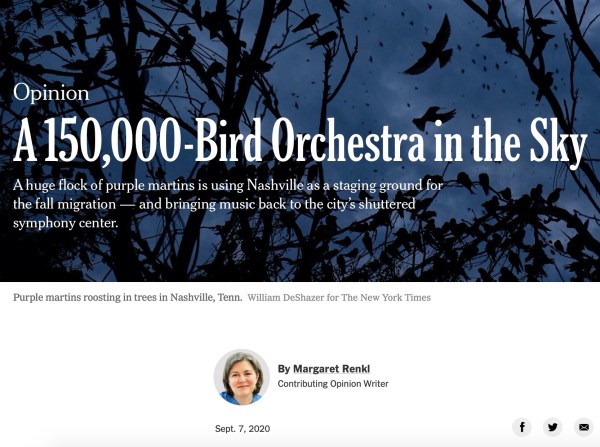
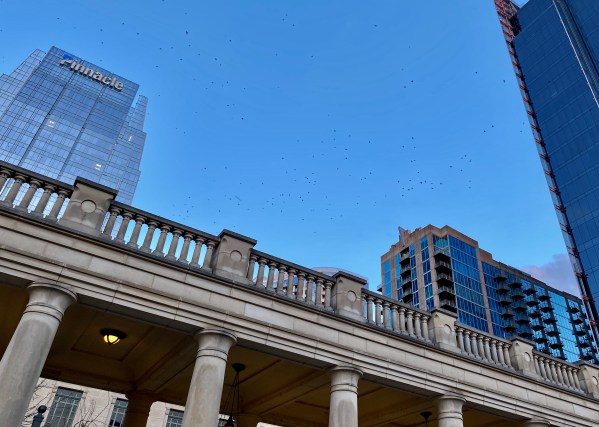
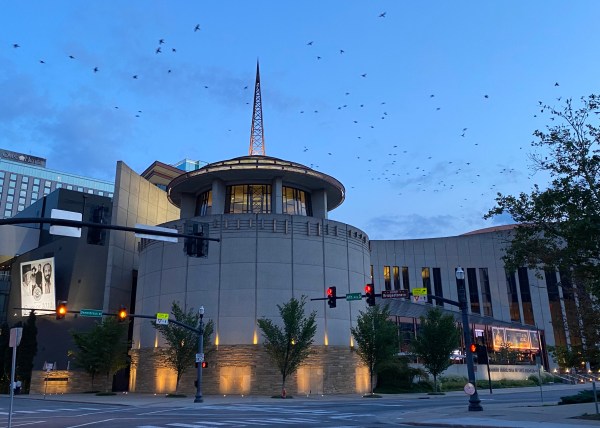
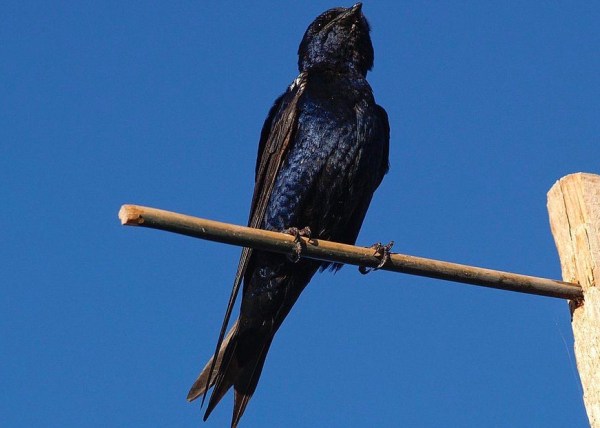
She has done it all by sending us waves and swirls of Purple Martins coming in to roost after a day spent foraging for insects along the Cumberland River. The birds come to fatten up for their 4000-mile flight to Brazil and other areas of the Amazon Rainforest. I’d call this swarming a murmuration, but I’m not sure if that term is reserved for starlings only.

My niece, Elizabeth, was with my husband and me and captured the sky dance of the Purple Martins in this video shot at 7:00. Like I said, lots of “oohs” and “aahs” and even a “Holy S#$%” in there.


I learned about the Purple Martins roosting in Nashville yesterday in a New York Times column written by my friend, Margaret Renkl. Her article is definitely worth reading, as are all of her weekly Monday opinion pieces in the Times. Click here for a link to the story, A 150,000-Bird Orchestra in the Sky.

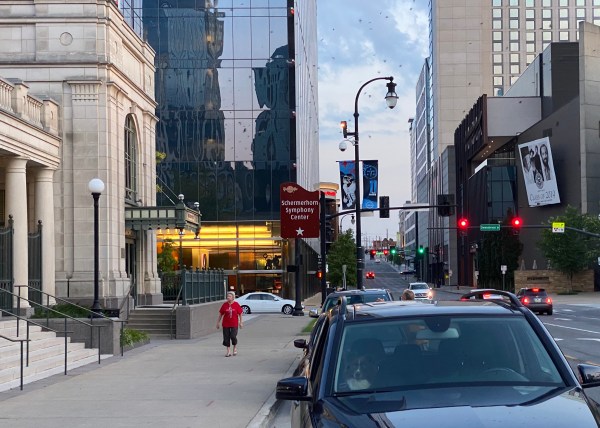
I am not sure how long the birds will be in Nashville. We drove downtown and parked in front of the Schermerhorn around 6:40 p.m. At first, we didn’t see any birds and figured we had missed them. Then, suddenly, they started to show up by the hundreds. It was exciting! We were glad we had made an effort to go downtown.

The trees were full of roosting birds.

The sky dance was extraordinary and just what I needed to get re-energized during a blah COVID-fighting week.

Take care and in the words of Dr. James Hildreth and Dr. Alex Jahangir, Nashvillians docs who have been leading our city in its fight against COVID, along with our Mayor, John Cooper, “We’ve got this Nashville.”

COVID Projects
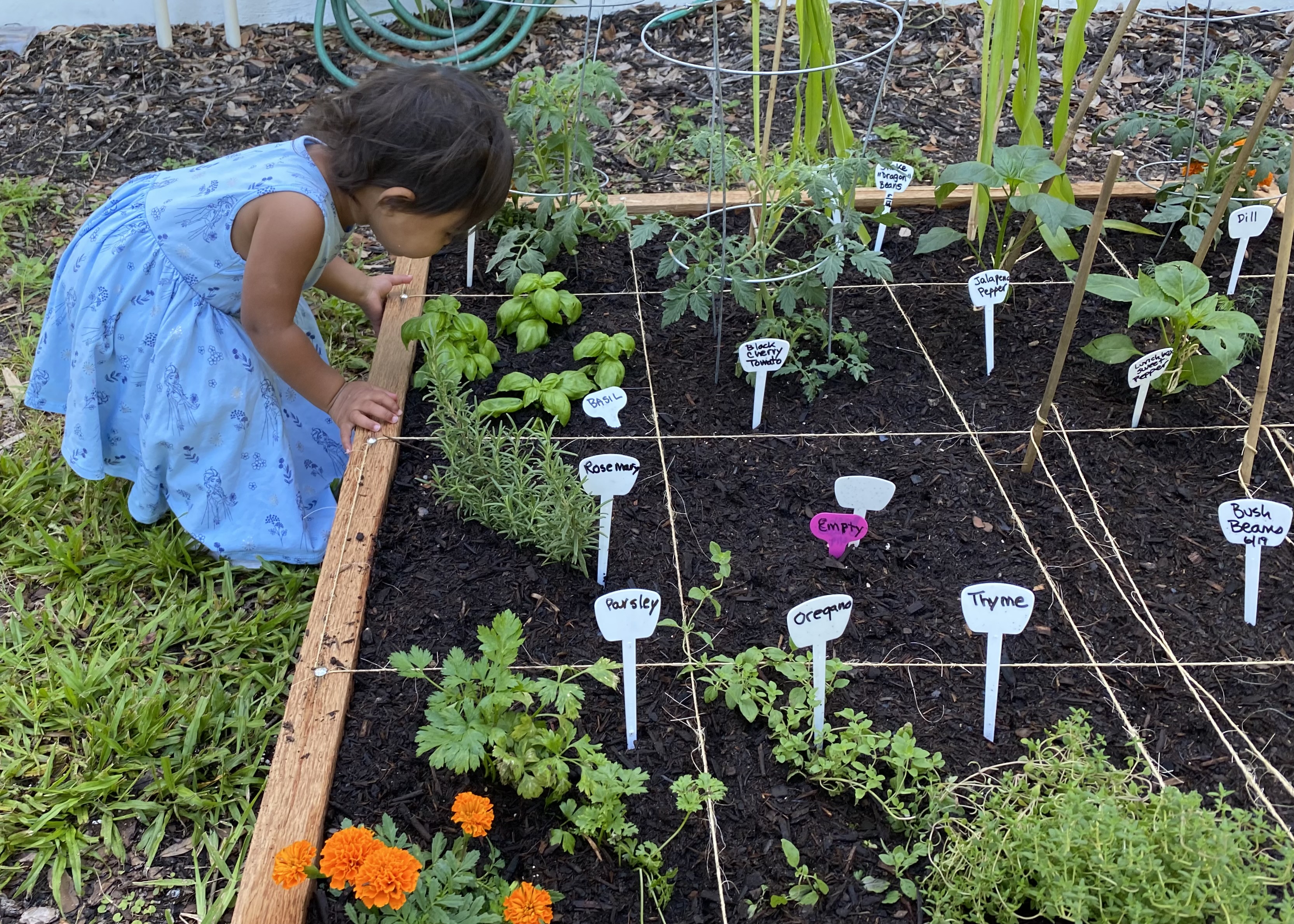
How to Build a 4 x 4 Raised Bed Starter Garden
Upbeat Movies to Watch While Social-Distancing
How to Make Gorgeous Birdhouse Gourds
How to Make Artisan Bread the Easy Way
How to Make Greek Yogurt at Home
Marion’s Crazy Good Pumpkin Bread with Chocolate Chips
Fall Planting Guide for Your Kitchen Garden
Putting Your Garden to Bed with a Blanket of Cover Crops

Follow Judy’s Chickens on Instagram and Pinterest @JudysChickens.

Always check my blog for the latest version of a recipe.

If you enjoyed this post to become a follower, please be sure to press “confirm” on the follow-up letter that will be sent to your email address.

© 2014-2020 Judy Wright. All rights reserved. Photos, videos, and text may only be reproduced with the written consent of Judy Wright.
Chicken Chat LIVE!

Here, chick, chick, chick.

A few days ago, the production crew of Nashville Public Television’s weekly program, Volunteer Gardener, came over to film an episode on urban hen-keeping. After the team finished filming the TV program, they stayed and broadcast a Facebook LIVE segment. I didn’t even know there was such a thing as Facebook LIVE.

The white arrow doesn’t always work, so if it doesn’t, try this link.

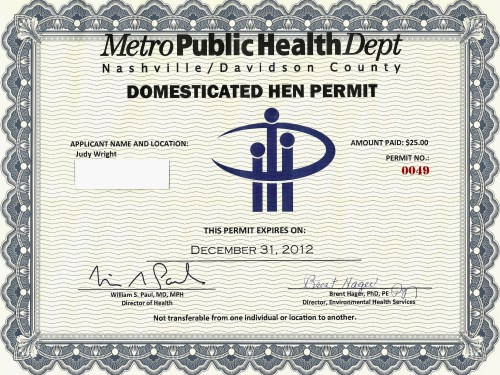
Watch the live program and learn things you didn’t know to wonder about, like chicken egg production (No, they don’t need a rooster), what chickens do all day, what they eat, their most unusual eyesight, and the requirements for getting a Domestic Hen Permit.

Special thanks to the ever-creative producer of Volunteer Gardener, Greta Requierme, for allowing me to teach about keeping a flock of urban hens. She searches the state to develop unique and exciting stories for the program, making it the number one watched show on NPT. Much thanks to the hilarious host, Julie Berbiglia, Public Education Specialist for Metro Water Services. She was delightful and put me at ease throughout the two interviews.

The end of the LIVE broadcast got a little crazy with the chicken humor, but they couldn’t didn’t edit it out.

Here is a link to the Volunteer Gardener episode about hen-keeping that came out a few months later: Chicken Chat.

Related Posts
Hensplaining Chicken Idioms
Eulogy for a Chicken
Putting Your Garden to Bed with a Blanket of Cover Crops
Family Dirt
Edible Landscaping with Nashville Foodscapes
Roasted Fig Preserves with Lemon and Thyme

If you enjoyed this post, please share and become a subscriber! Be sure to confirm the subscription on the follow-up letter sent to your email address.

Follow Judy’s Chickens on Instagram and Pinterest @JudysChickens.

Always check my blog for the latest version of a recipe.

© 2014-2023Judy Wright. All rights reserved. Photos, videos, and text may only be reproduced with the written consent of Judy Wright.