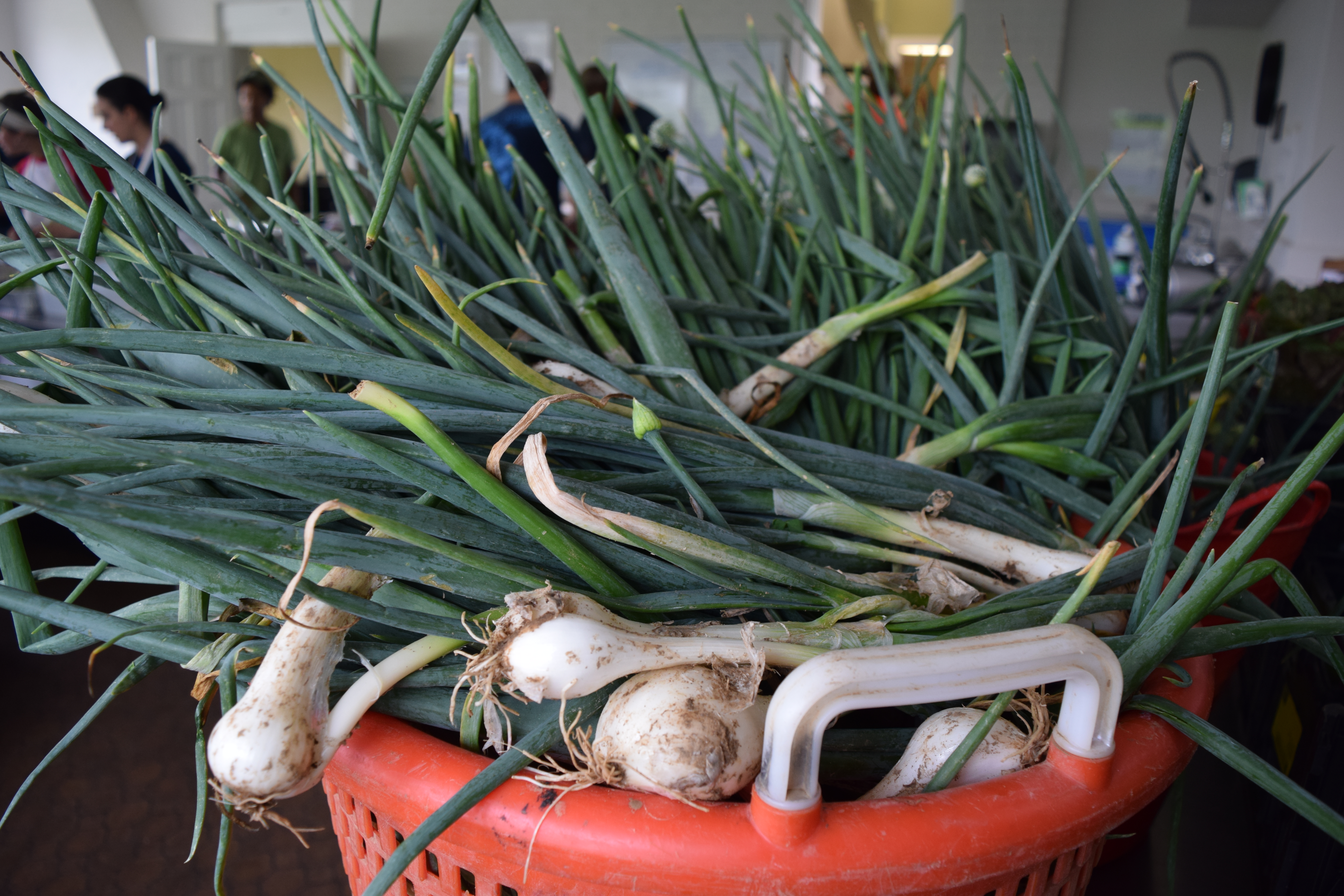
“Croatian Cheese” a Flavorful and Exotic Appetizer Made with Feta and Goat Cheese

About ten years ago, we hosted a Croatian high school student for a month at our home in Nashville. His name was Bruno. The following summer, his family invited us to their summer home on Brac, one of the Dalmatian Islands on the Adriatic coast. That vacation was one of the best trips of our lives.

DSC_0398

Bruno’s parents, Lilijana and Mario, fixed our meals using local produce and products on the island. The honey came from the beehives of a friend, the red wine from a vat at a cousin’s house, the olive oil was pressed at another cousin’s home, and even the fresh tuna on the Fourth of July came from a friend at the pier. It was all so marvelous.

Lily was a fabulous cook. She probably used fifteen types of ingredients to make our meals. Her cooking was simple, fresh, and delicious. Some afternoons, she would mix equal parts of sheep milk feta and goat cheese with olive oil, garlic, and herbs and serve it with crusty bread as an appetizer. We devoured it. We dubbed it “Croatian Cheese.” The first thing I did when I returned home was to recreate it.

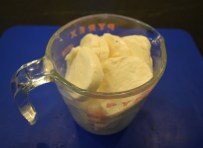
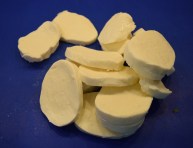
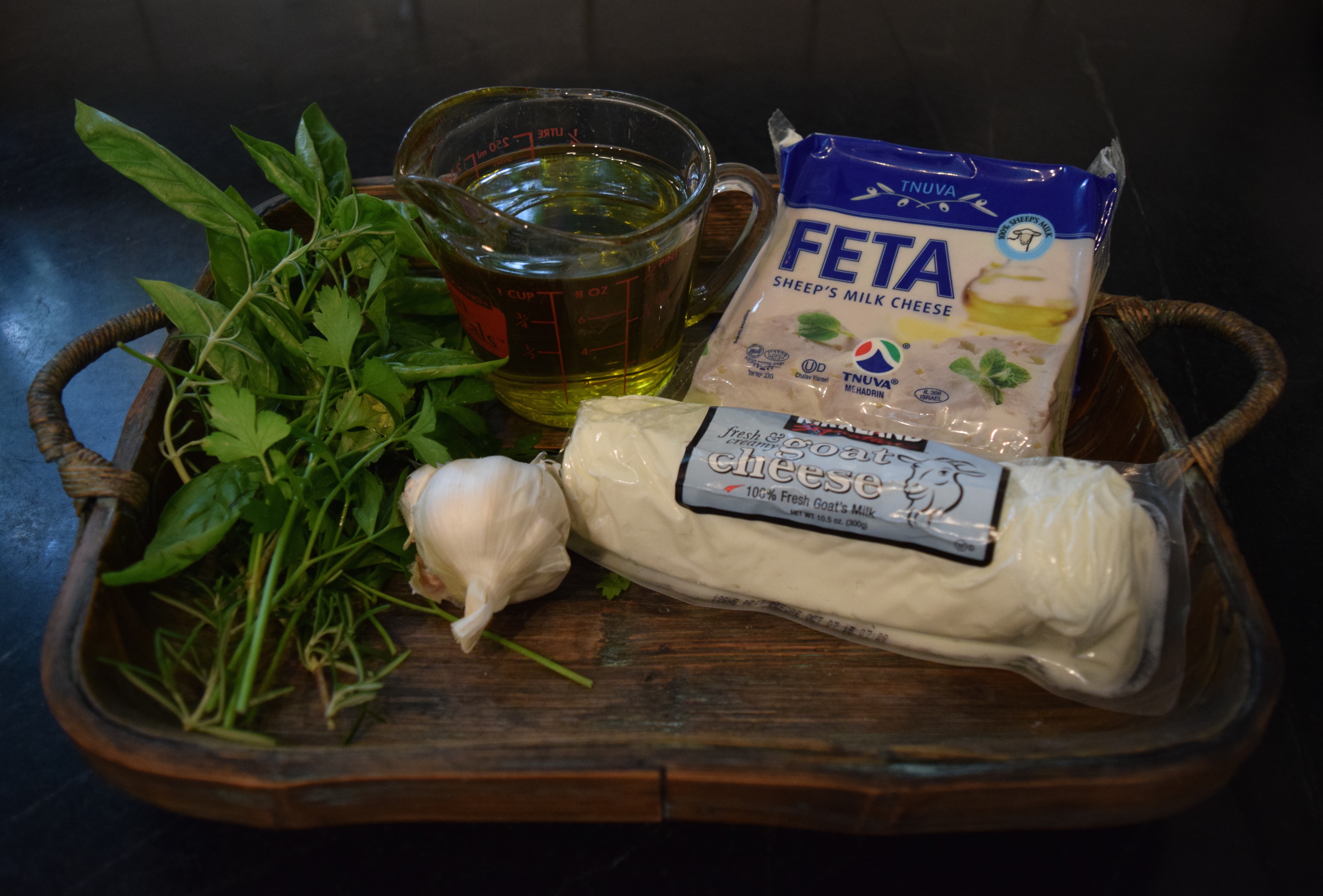
Ingredients:DSC_0347
Approximately equal amounts of sheep (feta) and goat milk cheeses — the packages I used had 1 pound of feta and 10 ounces of goat cheese
A few sprigs each of rosemary, basil, and parsley
*3 small cloves of freshly chopped garlic
1/3 cup extra virgin, first cold pressed olive oil

Prepare the aromatics: snip the leaves and peel the garlic. Uncooked garlic has a much stronger flavor than cooked, so more is not better in this case

I make this in a food processor for convenience. Once you add the cheeses, just pulse the ingredients; do not puree. Refrigerate for a few hours to give flavors time to meld.

Directions:
Pulse garlic cloves first. Add herbs and pulse. Add cheeses and pulse briefly. Finally, drizzle olive oil in and pulse one last time.

DSC_0362  DSC_0365 DSC_0366  DSC_0368

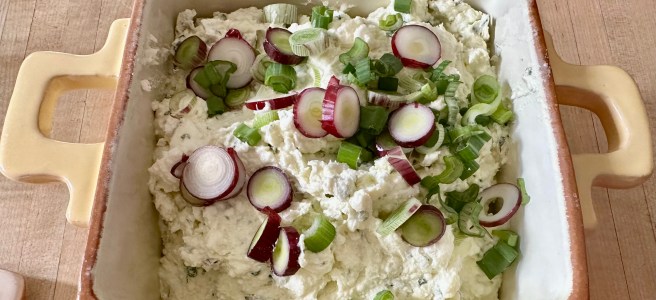
Garnish with herbs or thinly sliced scallions, if desired.

Below is a photo of my favorite memory of Croatia — our two families went on a sailing trip together.

croatia sail dragoandrewjessetylerbruno

Don’t miss a recipe! Become a follower and have posts delivered to your Inbox.

Follow Judy’s Chickens on Instagram and Pinterest @JudysChickens.

© 2014-2023 Judy Wright. All rights reserved. Photos, videos, and text may only be reproduced with the written consent of Judy Wright.

Farming Equipment 101: Harvesting Winter Wheat

It’s hard to explain my fascination with farming and farm equipment, but I am smitten. I’ve noticed my husband now automatically slows down when we drive by a farm with interesting agricultural activity going on: tractors crisscrossing fields, barn smokestacks billowing smoke during tobacco drying season, a team of horses pulling a cart driven by Mennonite farmers, or even something as mesmerizing as the swaying of “amber waves of grain.”  DSC_0905 He knows me well, and by slowing down he is giving me ample opportunity to ask him to pull over. Better than turning back later, a few miles down the road, Right? We are well beyond just “pulling over.” He is now, with coaxing, all about driving down these long, beckoning gravel roads. The views and the farmers we meet are the rewards.

DSC_0205

I am awestruck by all that I see.

DSC_0189

I fully appreciate that the crops from these commercial farms are feeding people across the nation and doing it in such a beautiful and orderly fashion that it transcends art and science. It is a miracle of nature, at least to a neophyte like me.

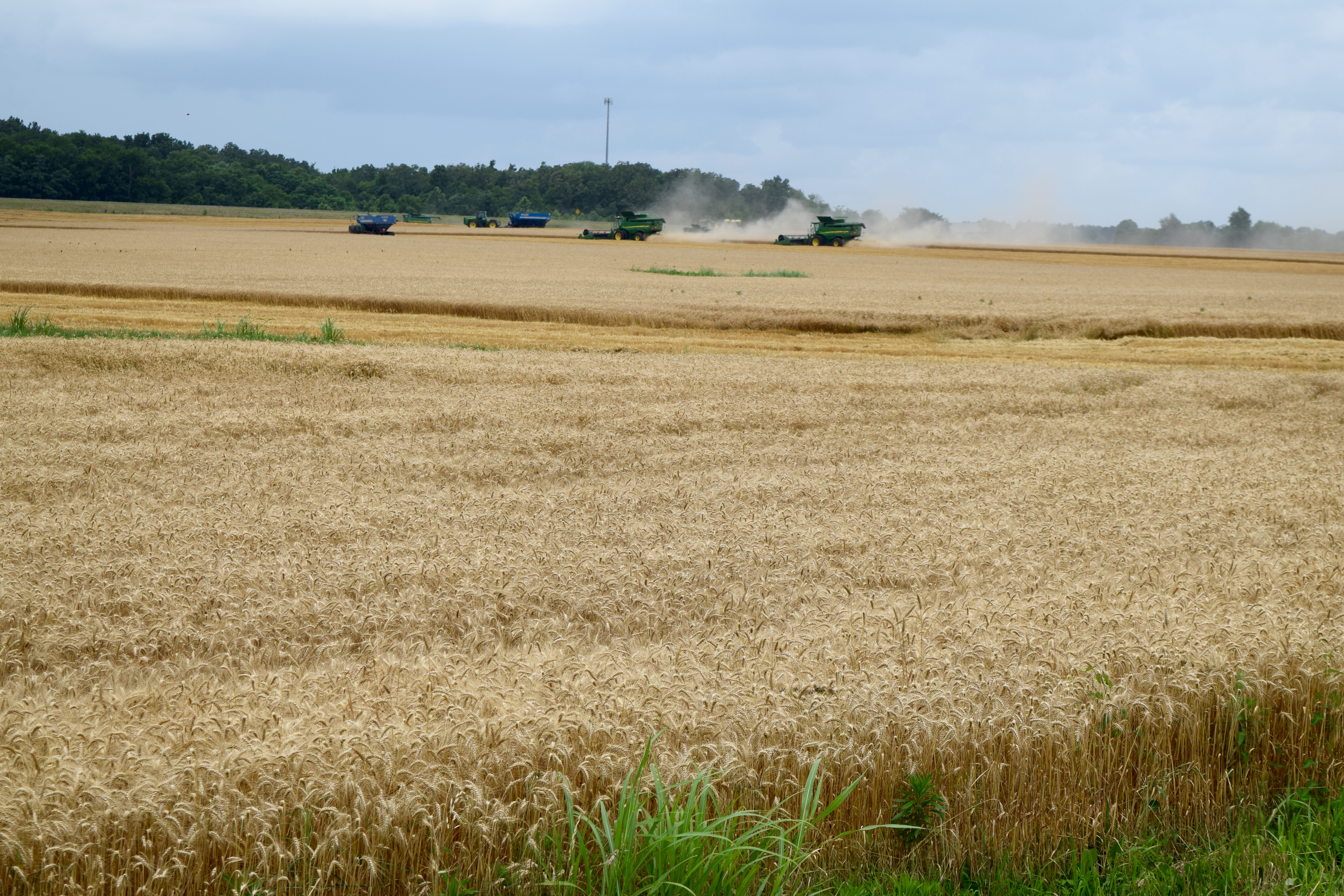
Recently, while driving down Route 68 in Cadiz, Kentucky, on our way to Hopkinsville (aka Hoptown), I spied this mash-up of amber and John Deere green.

DSC_0902

I had been following the growth of this field of winter wheat since the seeds were first planted back in mid-October, then through their winter dormancy period, and finally to their full maturation, the seed production stage in late spring.

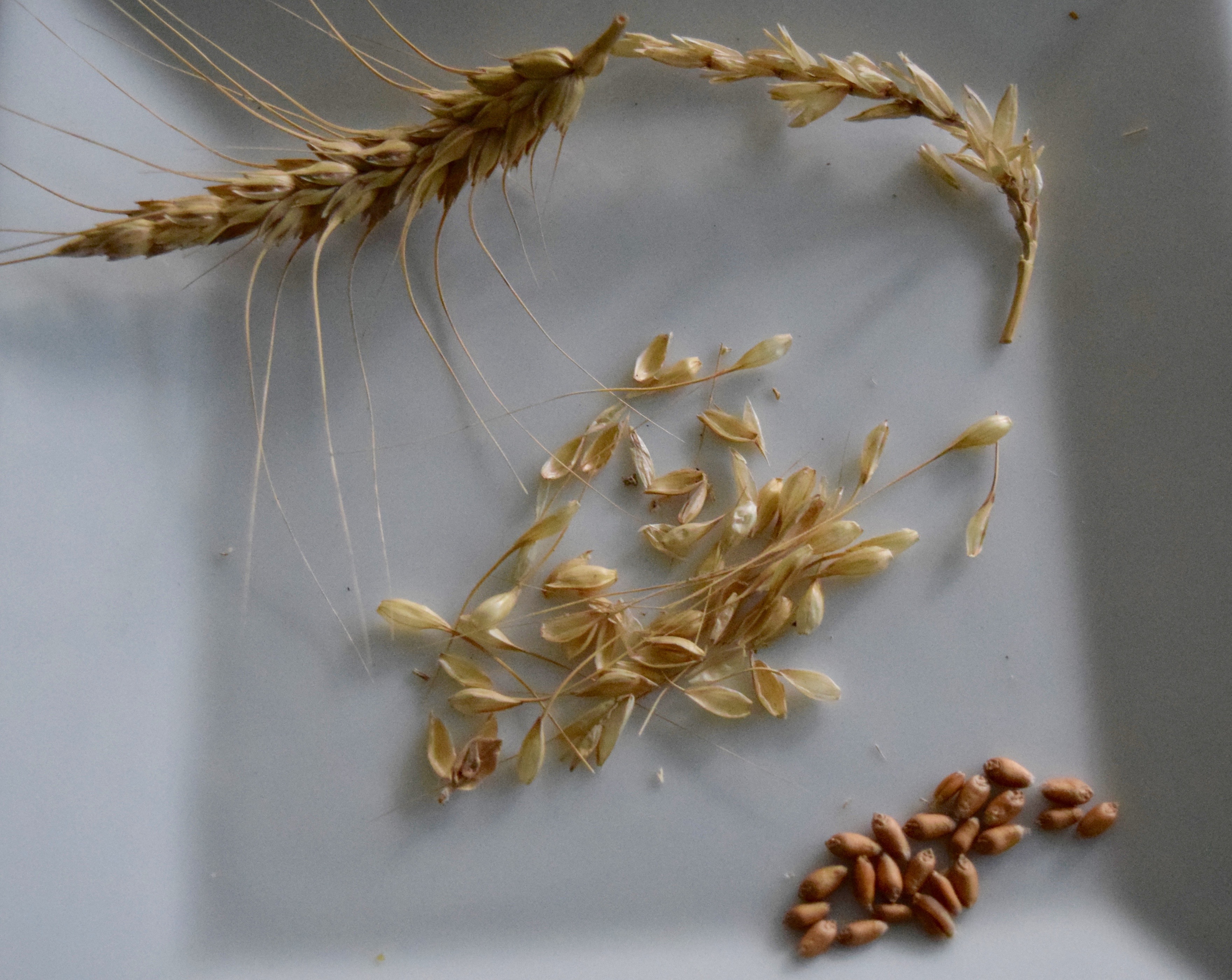
The photo on the right shows the wheat seeds/grains harvested from one “ear” of wheat. The flecks in the dish are the husks that had surrounded the seeds and are known as chaff.

DSC_0036  DSC_0305

Farming Equipment 101

The Combine

DSC_0961
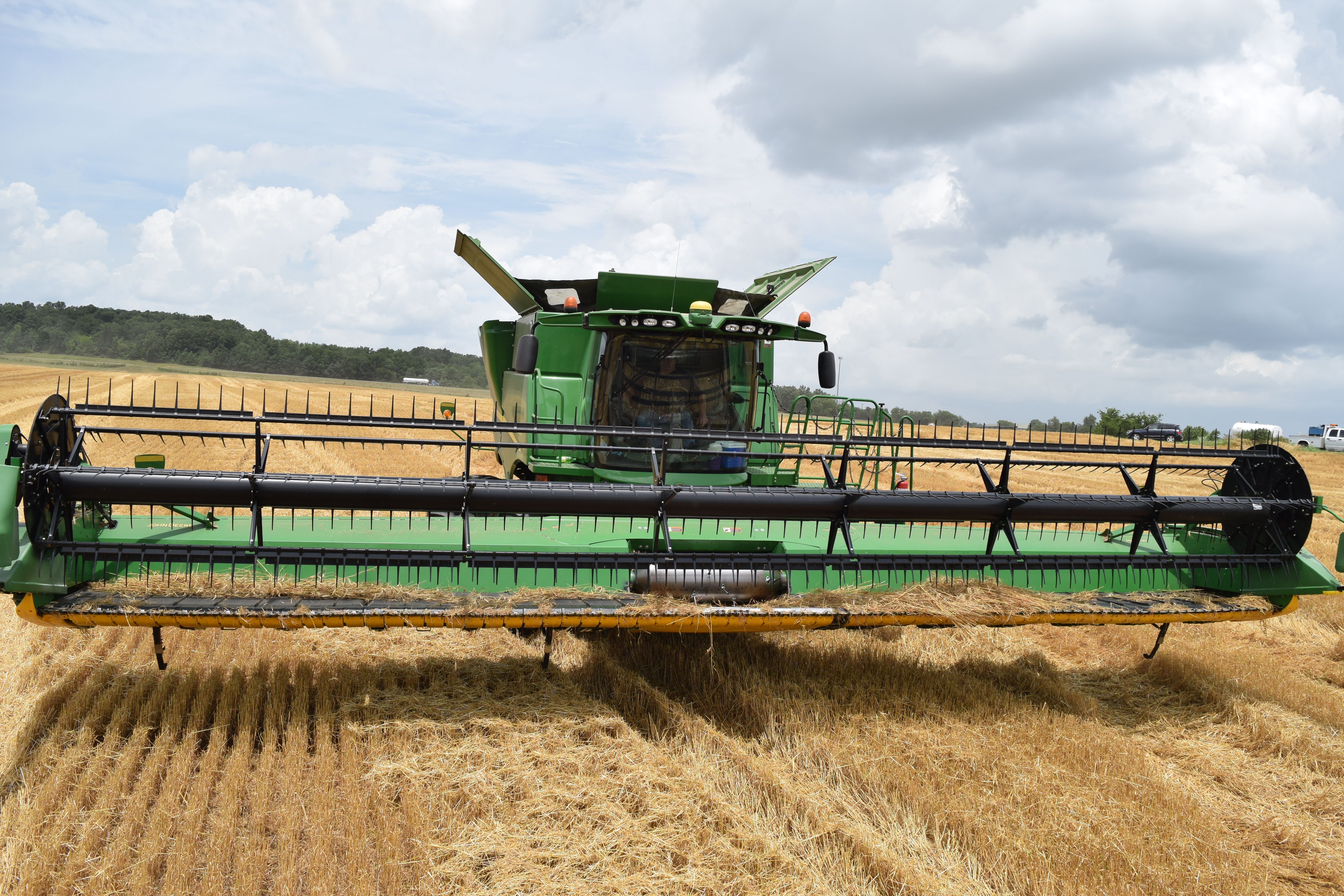
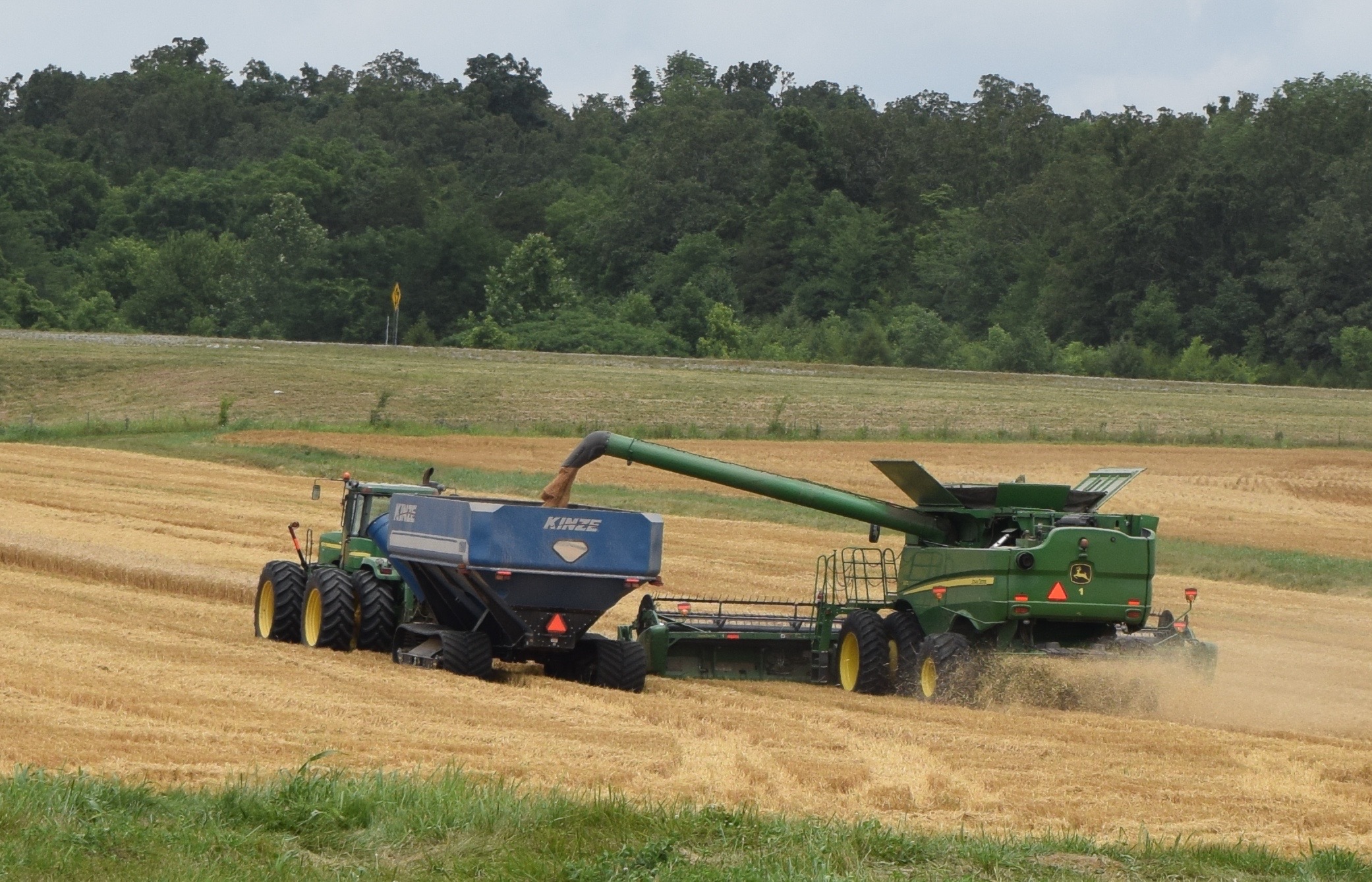
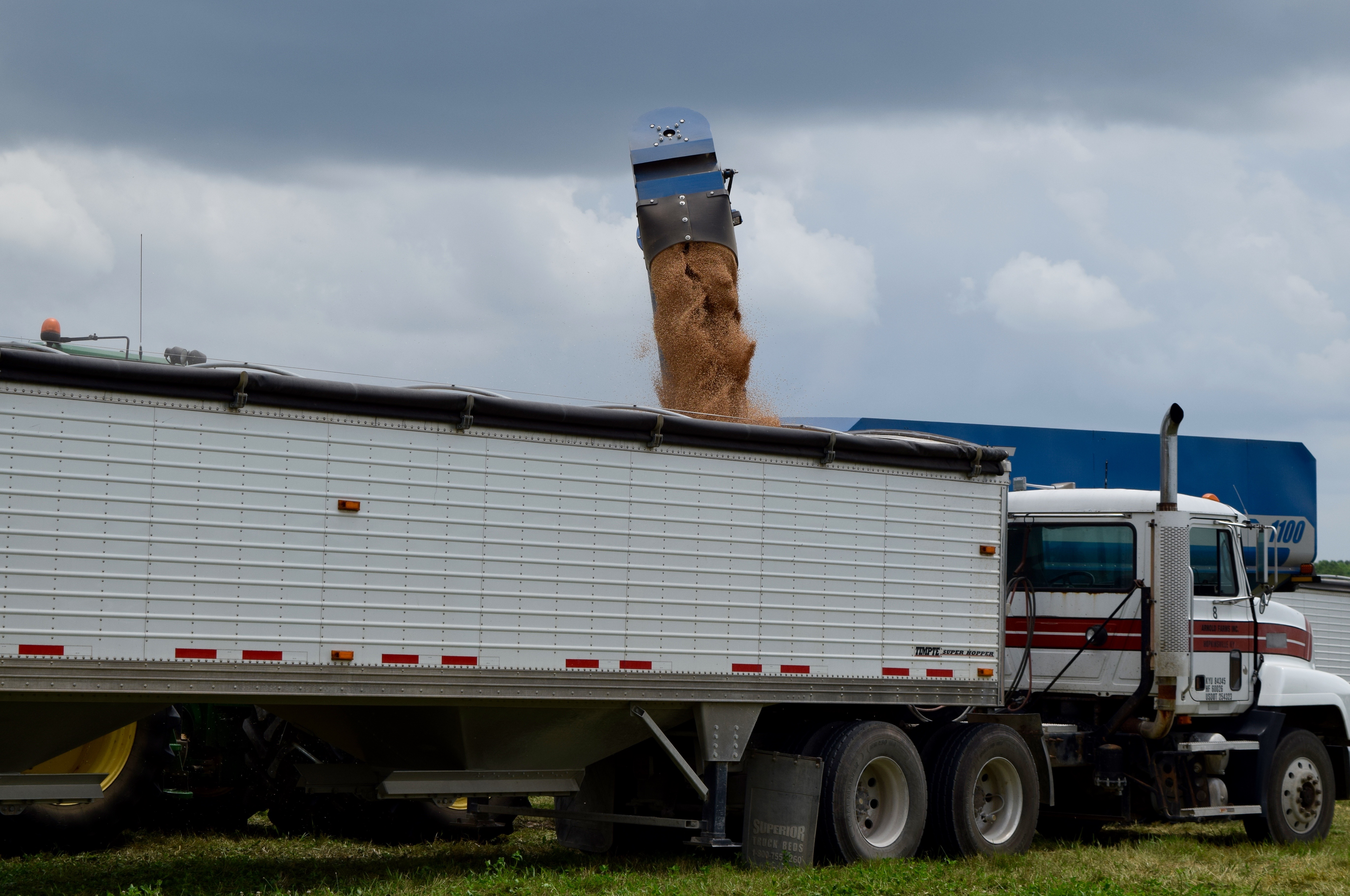
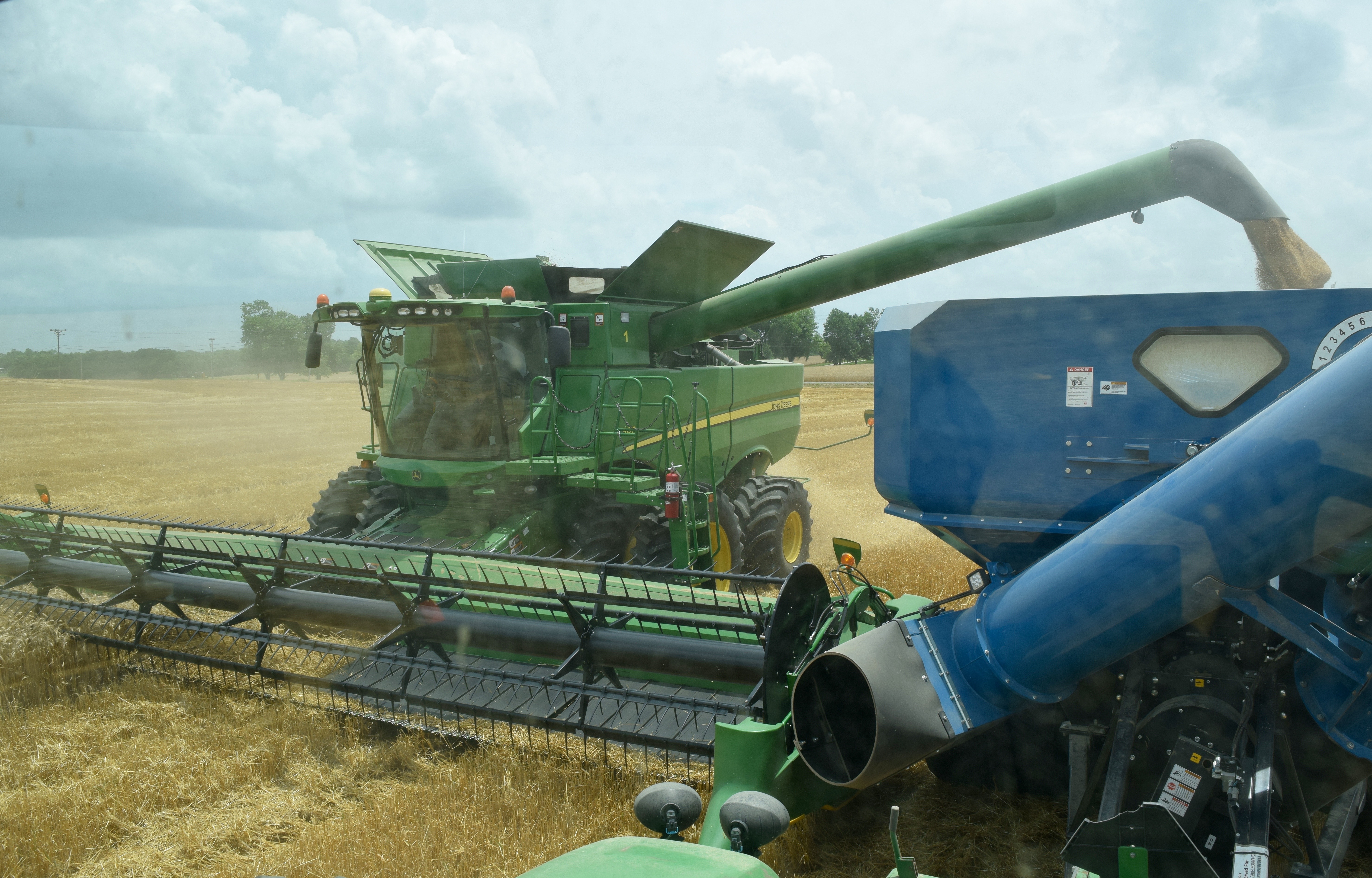
The green machine is a “combine harvester,” a machine that harvests grain crops. The combine works by combining three labor intensive farm jobs: reaping, threshing, and winnowing crops. The blue machine is a grain cart that hauls the grain to a grain trailer which will then transport it to a mill either by truck or rail.

DSC_0914

The combine never has to stop working as there is commonly a grain cart traveling alongside it collecting the kernels as the vehicles roll across the fields. The grain is transferred via a 26-foot auger attached to the combine.  The efficiency of this system is brilliant. There is even a diesel fuel truck nearby ready to refuel the tractors, so they never have to leave the field. So, to refresh: green combine, to blue grain truck, to white grain trailer.

DSC_0946  DSC_0931

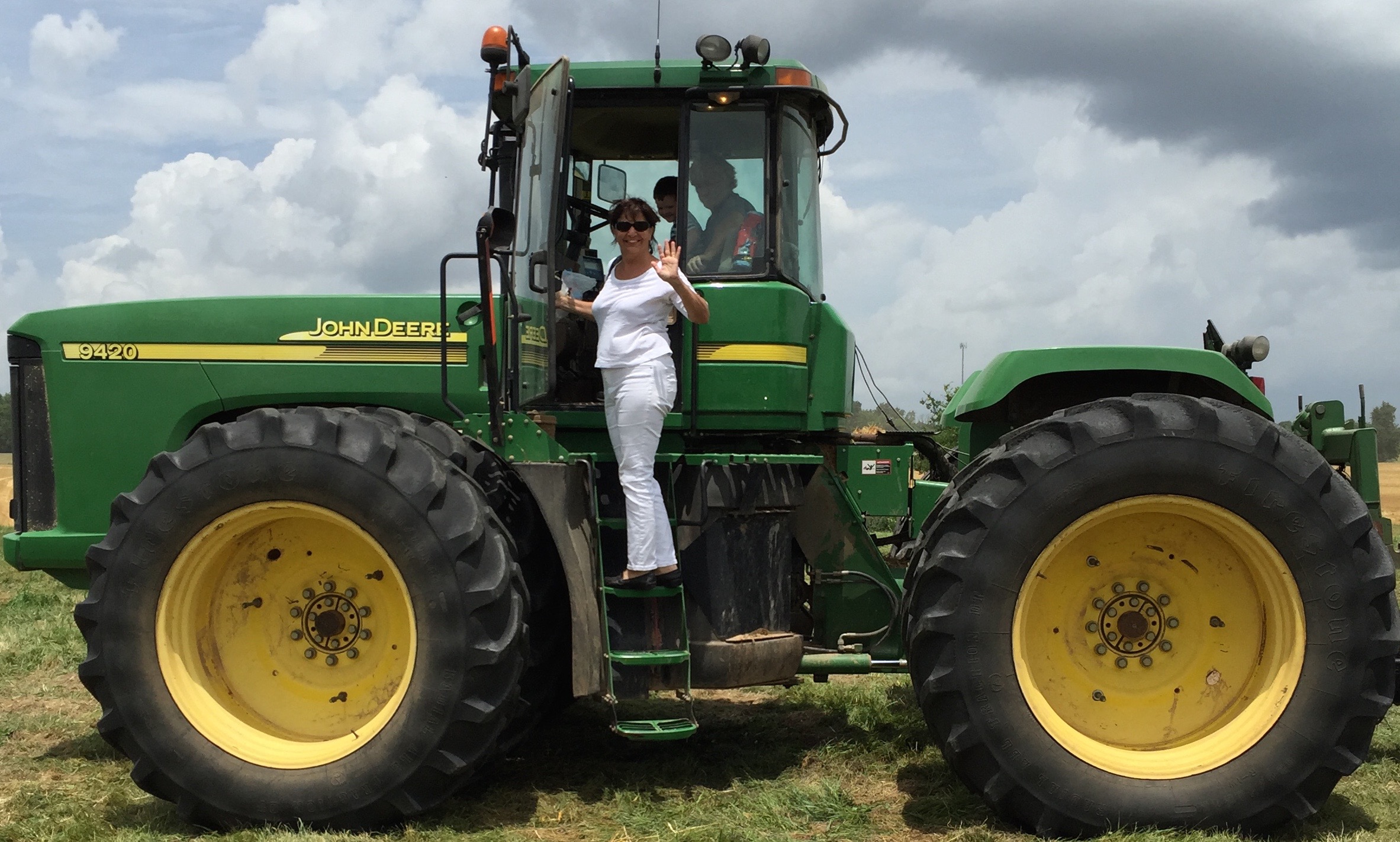
These next few photos were taken from the window of the tractor cab pulling the grain cart. Paul, the tractor driver, kindly invited me to ride with him so I could see up close how the combine worked.

IMG_0998

Paul was ably assisted by his young grandson, Jordan, whom he was babysitting for the afternoon. Jordan was in his glory sitting beside his grandfather. Who needs Tonka trucks when you have the real thing?!

DSC_0959

Here is the combine reaping, or cutting down, the wheat (as seen through the window of the tractor).

DSC_0951

The reaper feeds the wheat into a feeder head which transports it to an internal thresher. The thresher beats the seed “ears” to separate the grains from their stems, and the chaff from the seeds. In other words, the thresher “separates the wheat from the chaff” an idiom which means to separate what is useful or valuable from what is worthless. Thank goodness for Wikipedia!

1320px-Maehdrescher_schema_nummeriert.svg

Winnowing is the process of blowing air into the grain to blow off the chaff and other debris such as dirt before the grain enters the storage tank. As the combine moves along the field, you’ll notice a small dust storm flowing behind it. That is the chaff and stems being discarded back onto the field by the combine.

DSC_0941

The Planter
Another large and important farm machine is the planter. On this day, as soon as the combine finished harvesting the wheat, the planter, pulled by a tractor, came through to plant soybean seeds between the stalks and roots that remained from the harvested wheat. This is a no-till process; the farmer doesn’t remove the wheat stalks, or till them in. Leaving them in place to compost helps with weed control, soil erosion, saves on fuel costs, and helps with the bio-diversity of the land. The method of planting two crops in one field within one year is known as “double-cropping.”

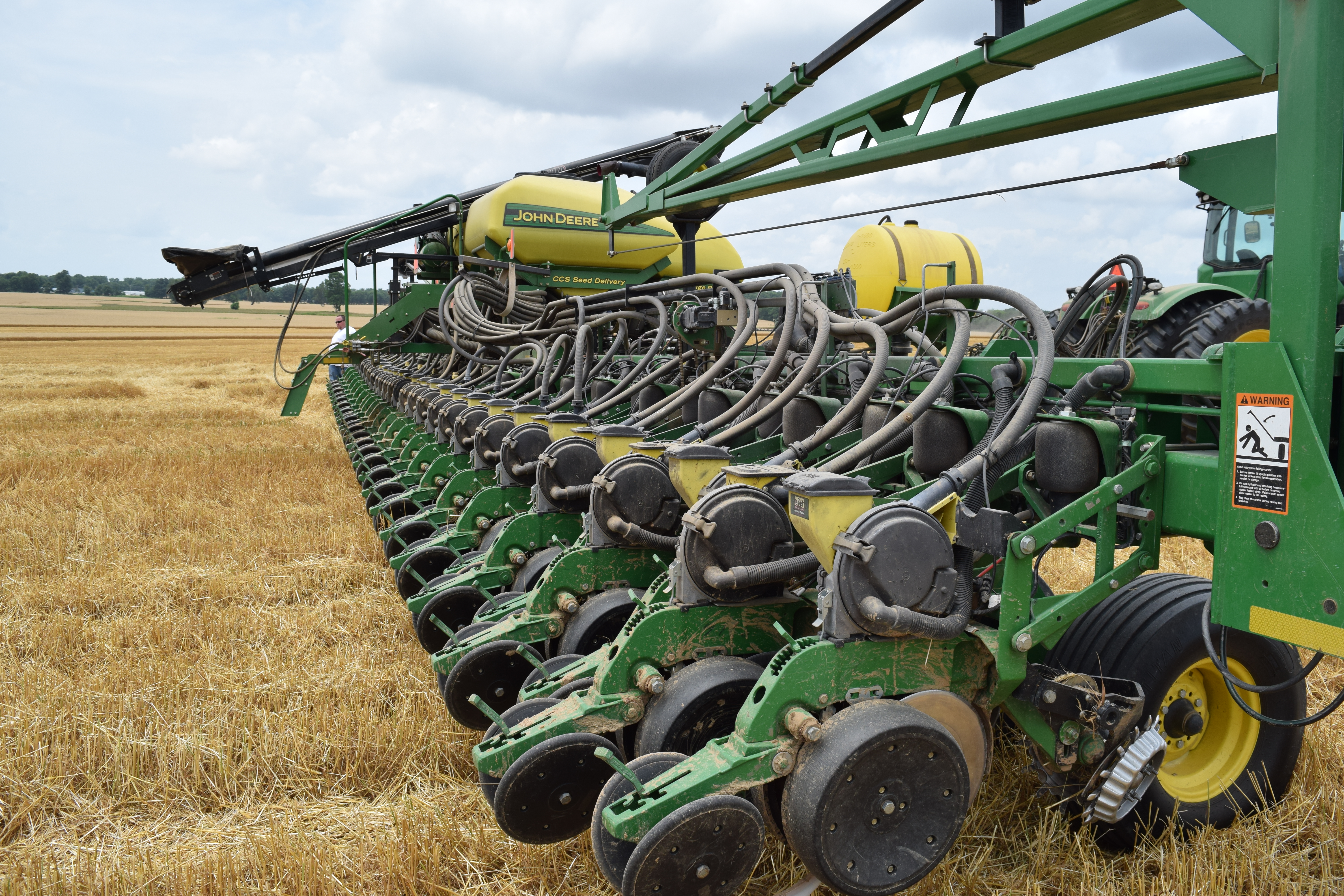
This is a 16-row planter with individual seed hoppers (the yellow boxes).

DSC_0919 DSC_0925

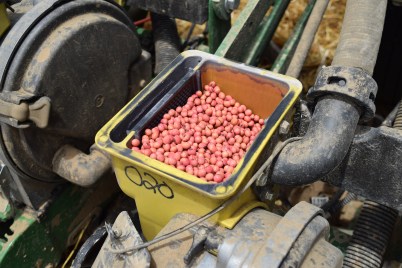
Each row planter unit uses compressed air, delivered via the black hoses, to drill the seed into the dirt. You can see the seed drill hanging between the two slanted black discs.

DSC_0923

There was an “aha” moment for me here: I immediately recognized the two slanted discs on the 16-row seed planter as similar to the two discs on the 2-row planter used by the farmers at Delvin Farms in College Grove, TN. I knew what they were for! You can read about how that planter works here.

DSC_0920  DSC_0389

Another view of the planter: see the folded up wheels on the far right?  That’s a guide arm. When the farmer drives down a field with the guide arm unfolded, the small wheel makes a groove in the soil and lets the driver know where he needs to line up the center of his tractor when he turns to plant the next 16 rows.

DSC_0927

The Sprayer
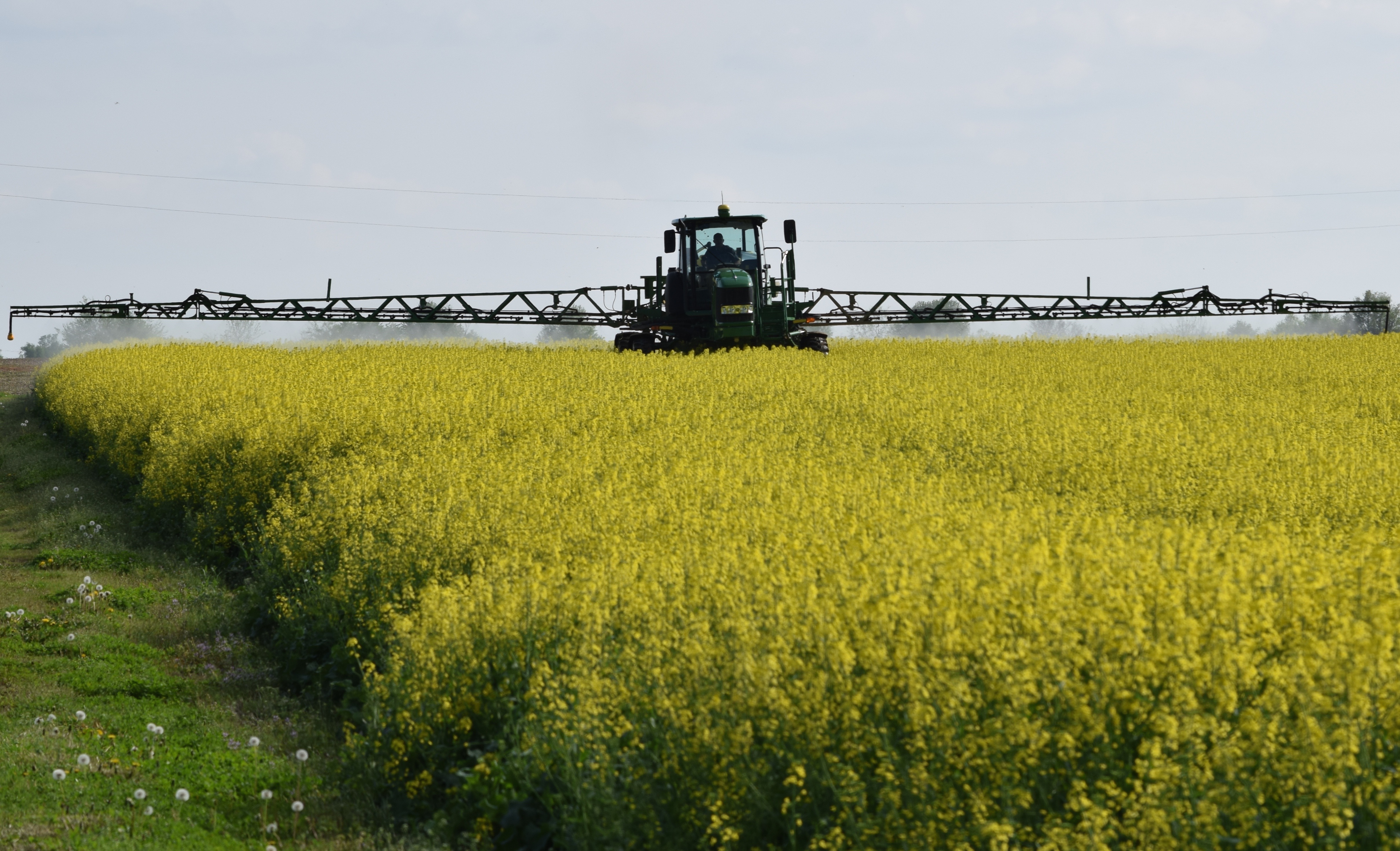
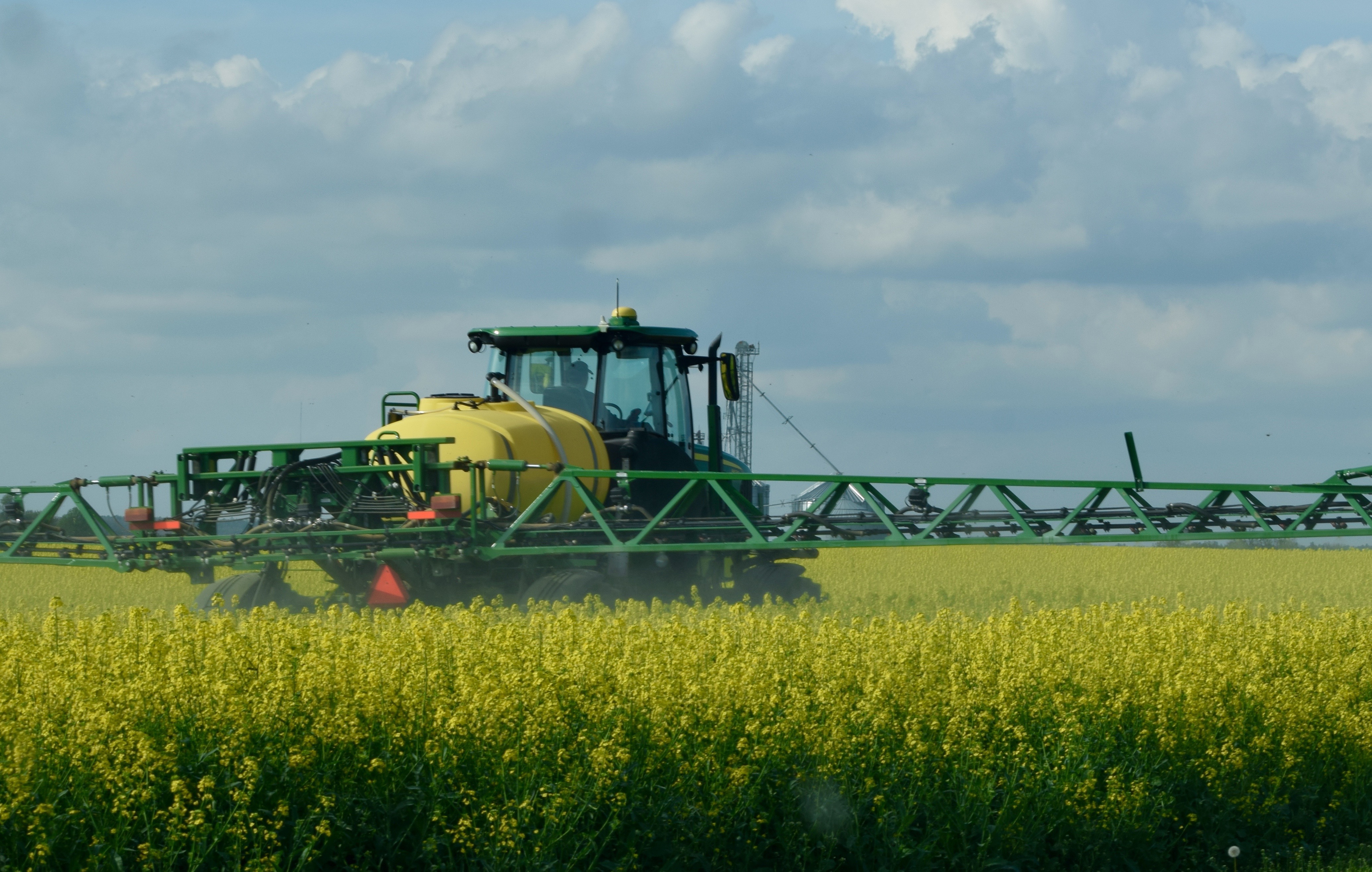
There’s one more industrial-sized machine I have seen out on these commercial farms — the sprayer. The sprayer is used for fertilizing and applying pesticides.

Canola

From the backside of the sprayer, you can see the storage tank for the chemicals.

Canola

The bountiful grain harvest!

Version 2

Special thanks to the employees of Arnold Family Farms for their hospitality and patience with my endless questions.

Related Posts on Commercial Farming:

LET’S STAY CONNECTED!

Follow my photos of vegetables growing, backyard chickens hanging out, and dinner preparations on Instagram at JudysChickens.

Never miss a post: sign up to become a follower of the Blog.

© 2014-2017 Judy Wright. All rights reserved. Photos and text may only be used with written consent.

50 Ways to Make a Frittata

A few months ago, I was visiting Cleveland and took a cooking class at The Western Reserve School of Cooking. One of the dishes we made with owner and chef Catherine St. John was an oven-baked version of the classic Italian frittata. Frittatas can be served for any meal or as an appetizer. They are firm in texture and easily cut into squares when served at room temperature. They also provide a great way to use up leftovers.

DSC_0977

Chef Catherine taught us to sauté the vegetables, pour them into a baking dish, add the egg and cheese mixtures, and bake for 20 minutes.

DSC_0009

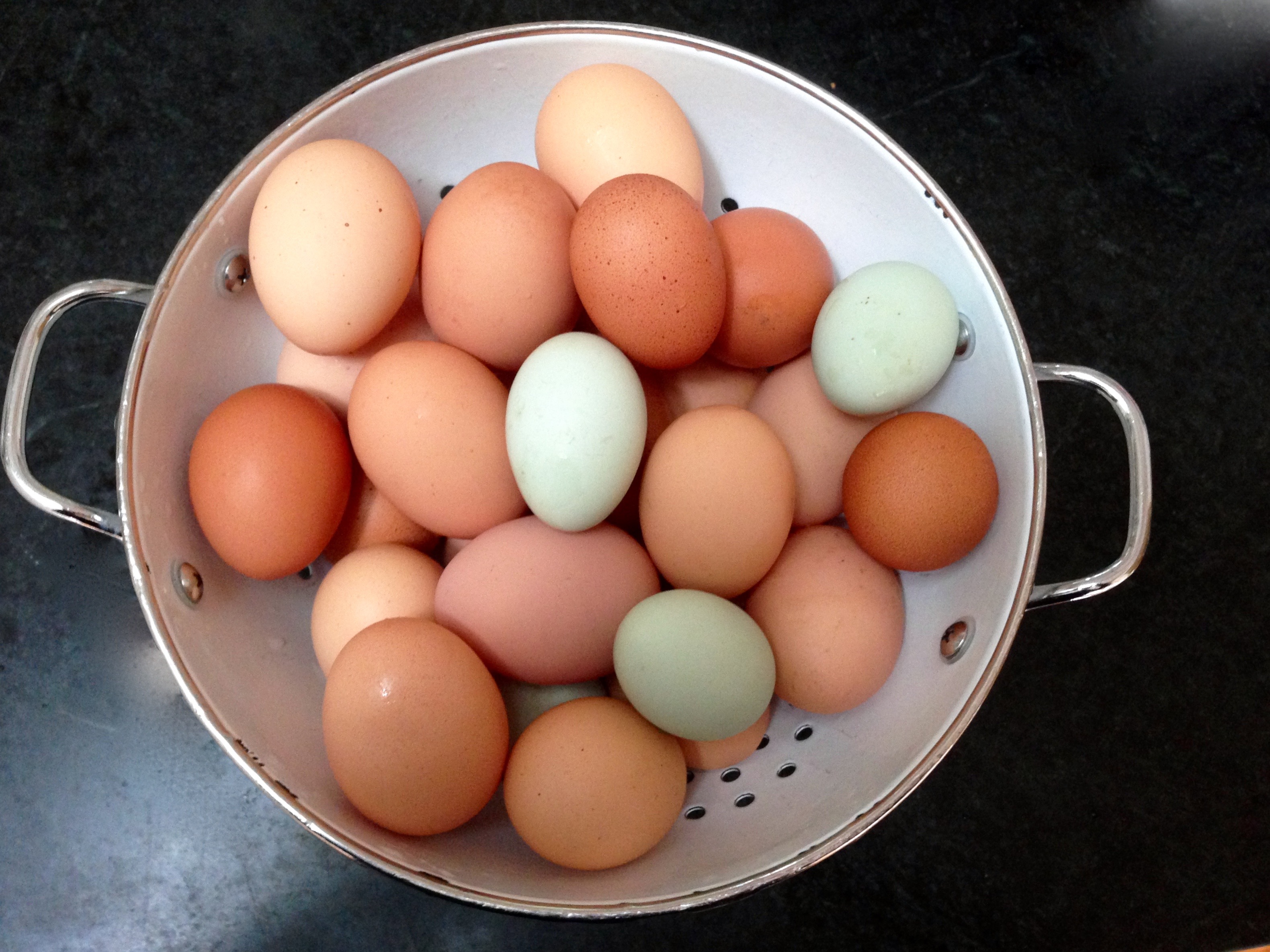
We have many eggs here at Judy’s Chickens, so we make this one-pot meal a lot!

IMG_8581

After making this meal a few times, I developed a foolproof formula for making the dairy mixture of the frittata: 12 large eggs, 1/2 cup whole milk, cream, or ricotta, 1 heaping cup of shredded cheese, and 1/4 cup of Parmesan. Pour this over any medley of cooked vegetables that loosely fills your lasagna pan to about the one-inch mark.

DSC_0747

Here’s a recipe to get you started.

Ingredients:
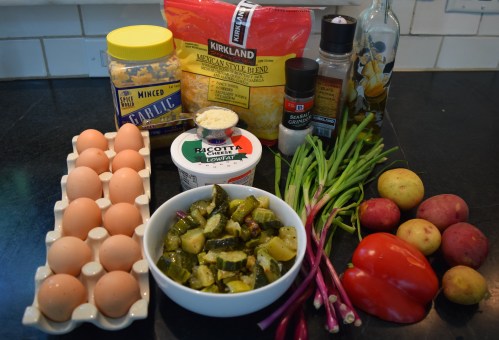
DSC_0723

The Egg and Cheese Mixture:
12 large eggs
½ cup ricotta, whole milk, or cream
1 tsp salt
½ teaspoon pepper
¼ cup grated Parmesan
1 heaping cup of any cheese, shredded

The Veggie Mixture:
4 cups potatoes (about 4 medium or 1½ pounds), diced or shredded
1½ cups green onions with tops, about 5 sliced
½ red bell pepper, about ½ cup, seeded and diced
1 heaping tablespoon of minced garlic (from the jar is fine)
2 cups cooked leftover vegetables such as zucchini, summer squash, broccoli, or cauliflower, OR any uncooked greens such as spinach, chard, or kale
⅓ cup extra virgin olive oil

Instructions:
Preheat oven to 350º

Chop all the fresh veggies. I used buttery Yukon and red potatoes, sweet red bell pepper, green onions with stalks, and minced garlic.
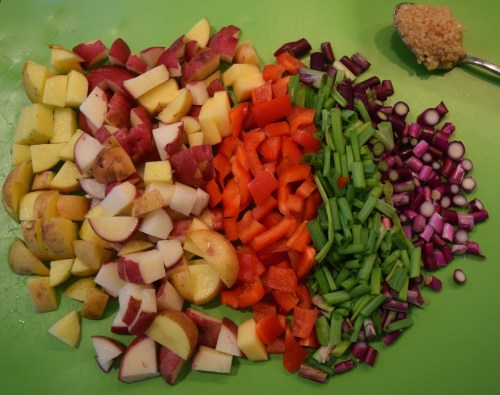
DSC_0730

Sauté garlic, onion, pepper, and potatoes in olive oil, on medium heat, in a 12-inch non-stick skillet for about 10 minutes or until the potatoes are tender but still firm.
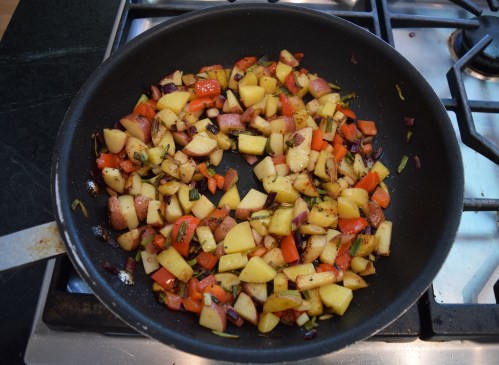
DSC_0738

Stir in drained leftover cooked veggies and heat until warm. I used leftover roasted zucchini and summer squash with green onions and garlic. Spread vegetable medley evenly in a lasagna pan.DSC_0747
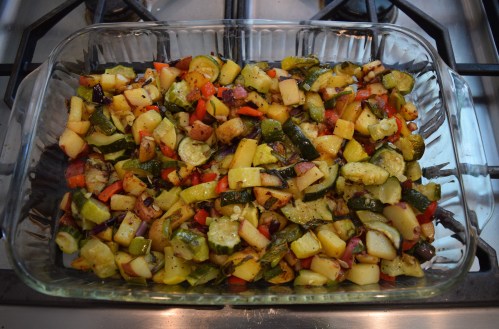
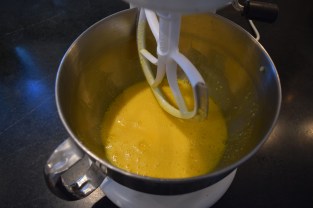
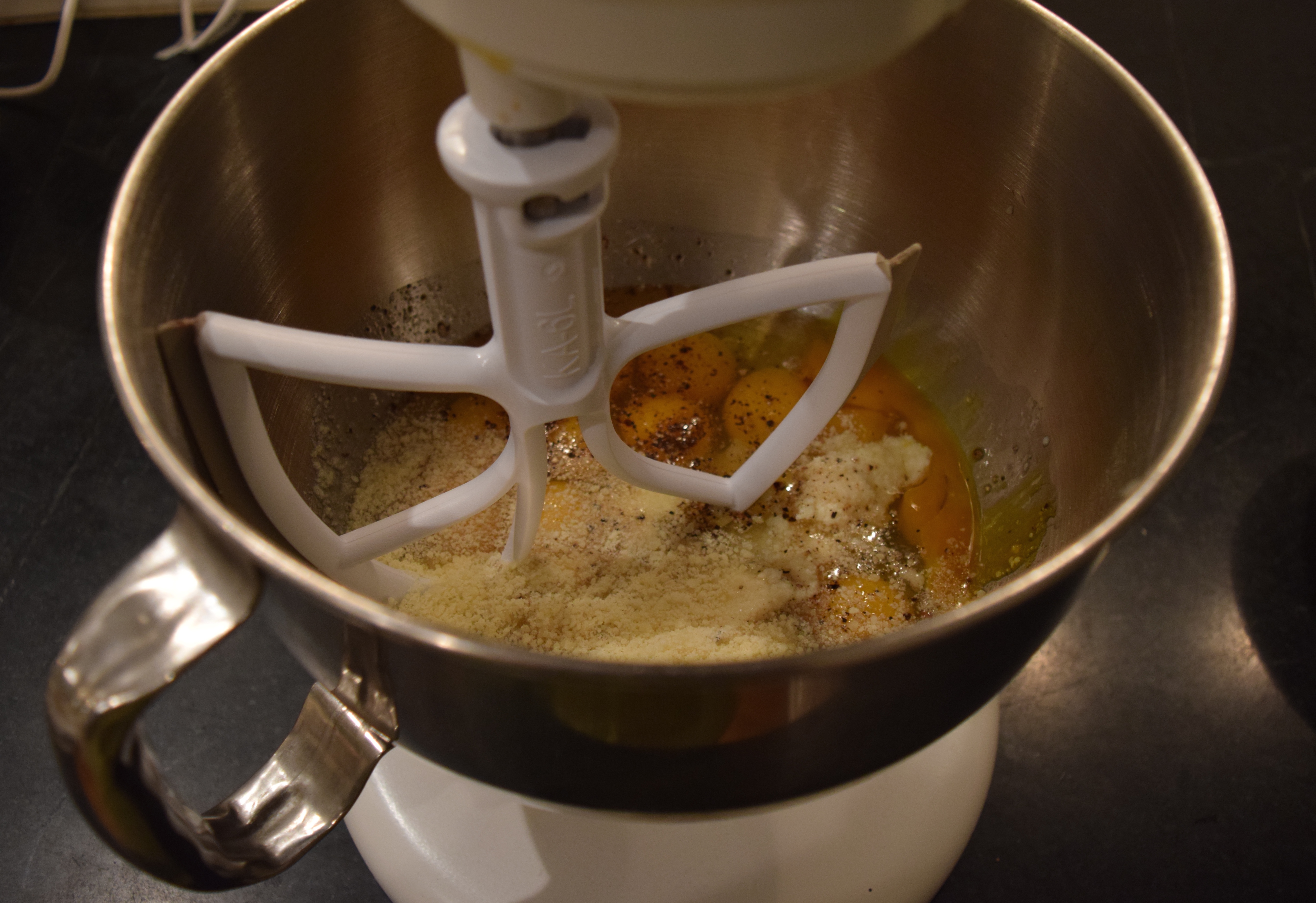
Mix eggs, milk, cream or ricotta, Parmesan, salt, and pepper and pour over vegetables.

DSC_0304 DSC_0745

Add shredded cheese and poke it into the vegetables and egg mixture. DSC_0748

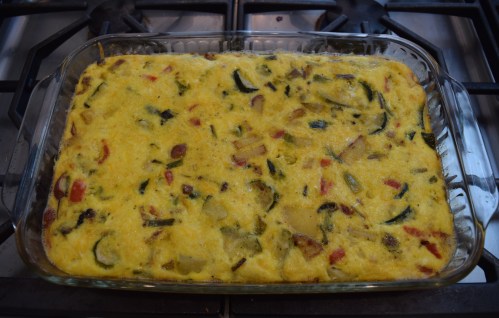
Bake for 30 minutes in a preheated oven. Insert the knife tip in the center to test for doneness. If it comes out clean, remove the frittata from the oven. If not, cook for another 5 minutes and check again. Repeat until done.
DSC_0749

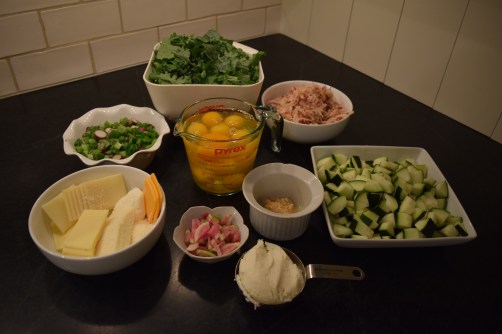
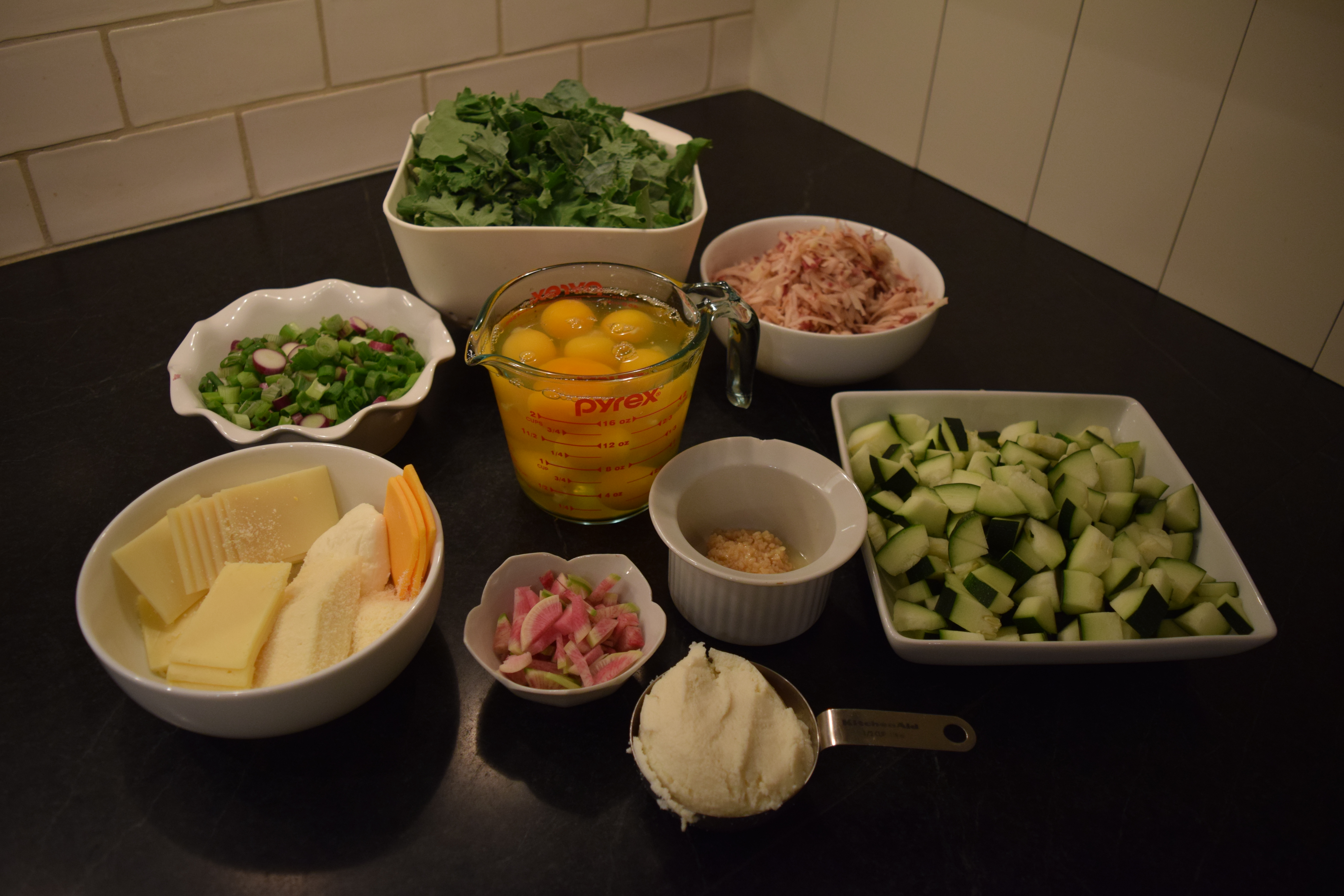
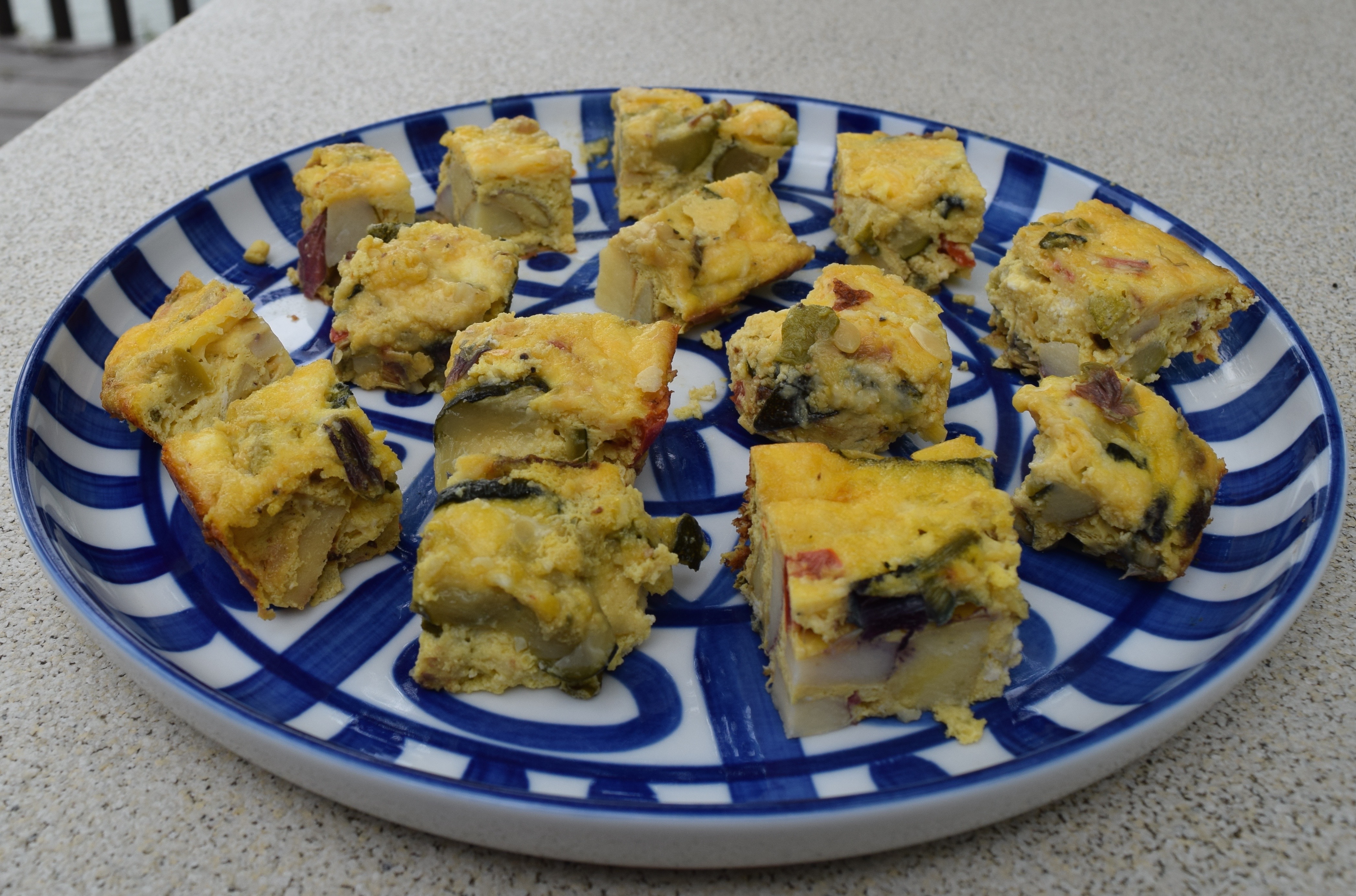
Another frittata version: potatoes, kale, green onion, zucchini, and a lone radish

This was one day’s pickings from the garden. I decided, as a trial, to throw all of it into the frittata along with dairy ingredients to see if it would work. I tried fresh kale. It was delicious.

DSC_0257

Here it is, all prepped.

DSC_0293

Here is how I prepped the vegetables:

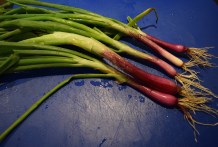
Green onions
DSC_0266 DSC_0268 DSC_0270

A lone watermelon radish
DSC_0261  DSC_0263 DSC_0274

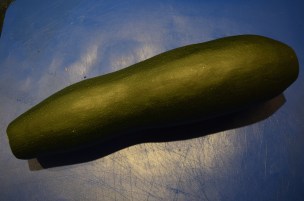
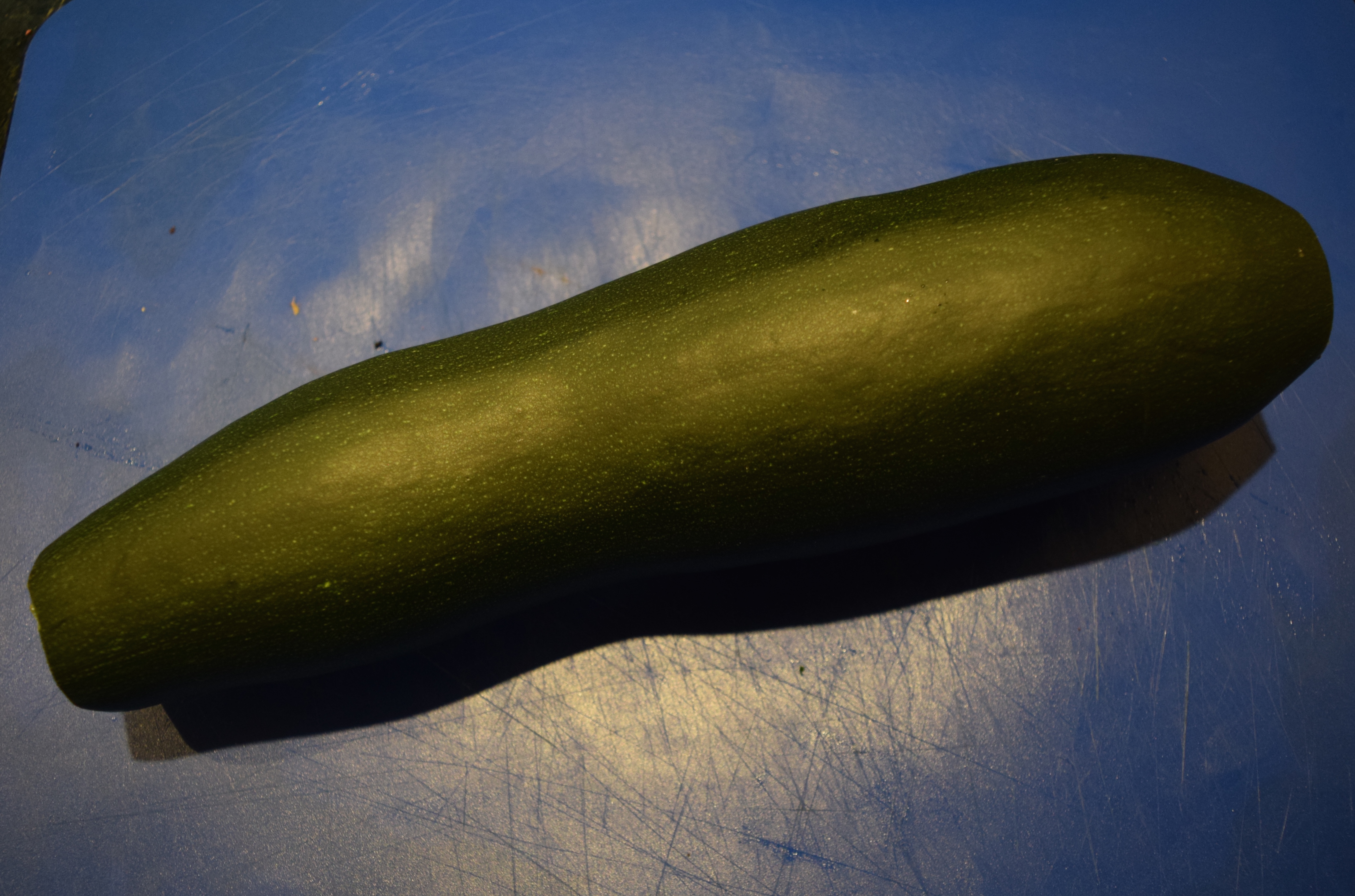
My first zucchini of the season!
DSC_0284 DSC_0285

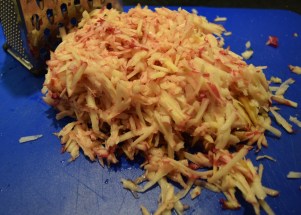
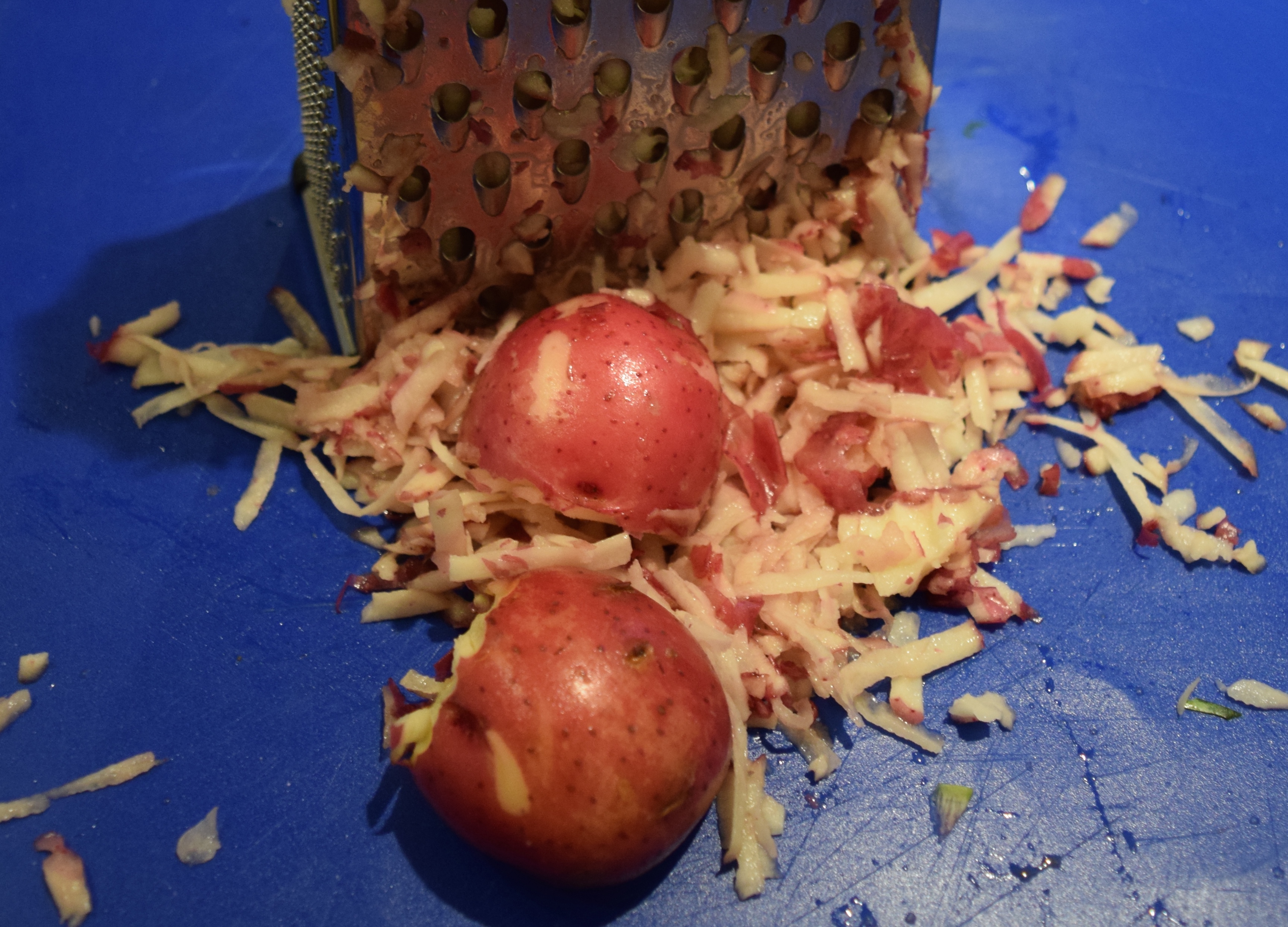
Shredded potatoes
DSC_0277 DSC_0280

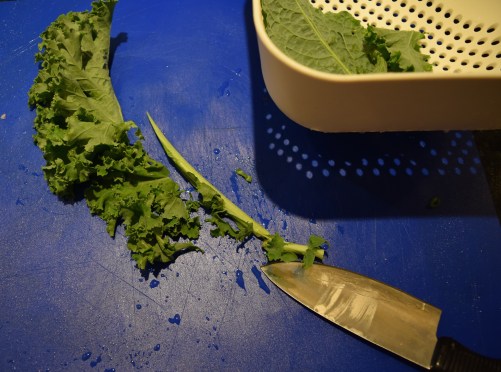
I trimmed the tough stem off each kale leaf.
DSC_0282

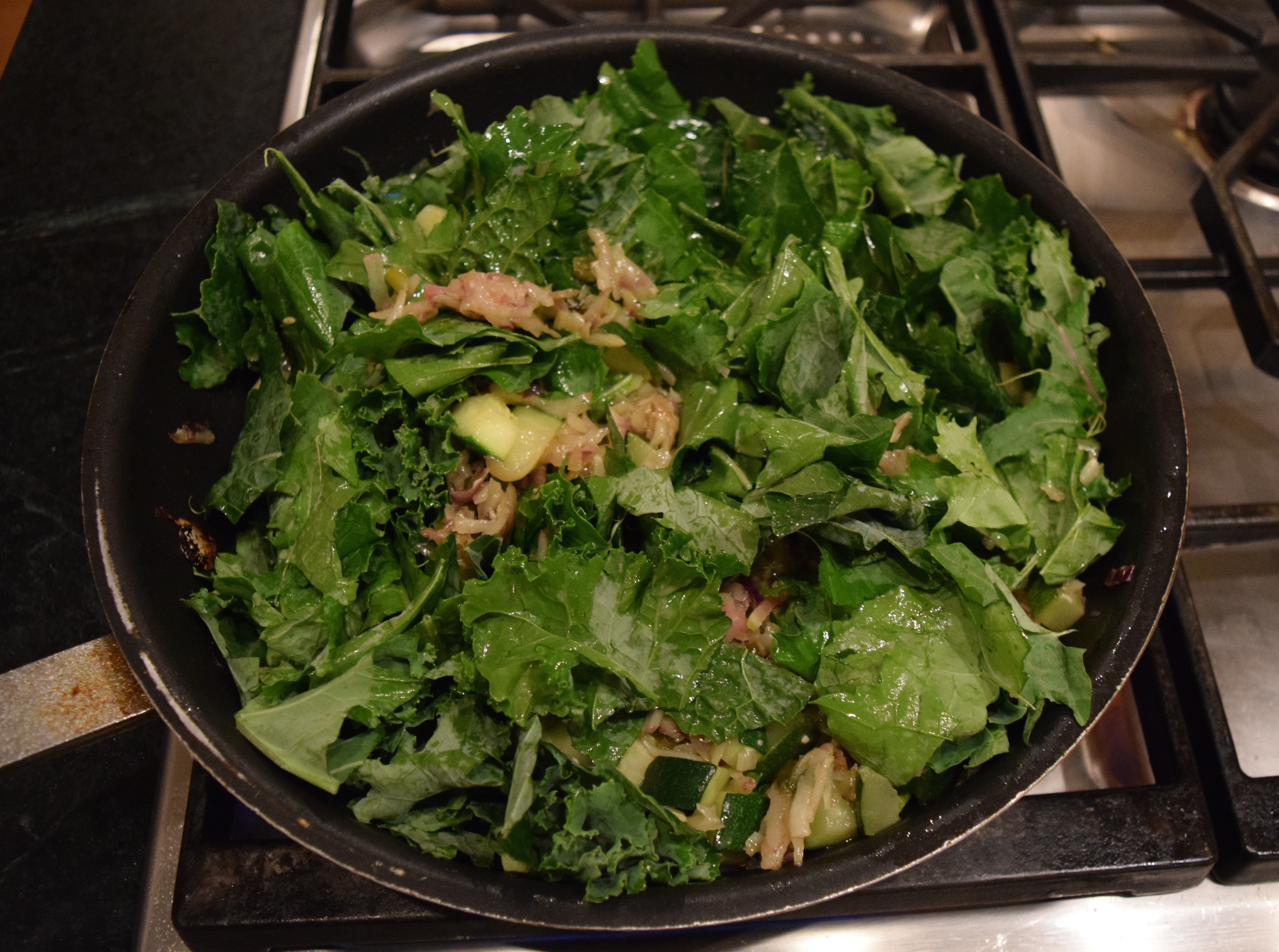
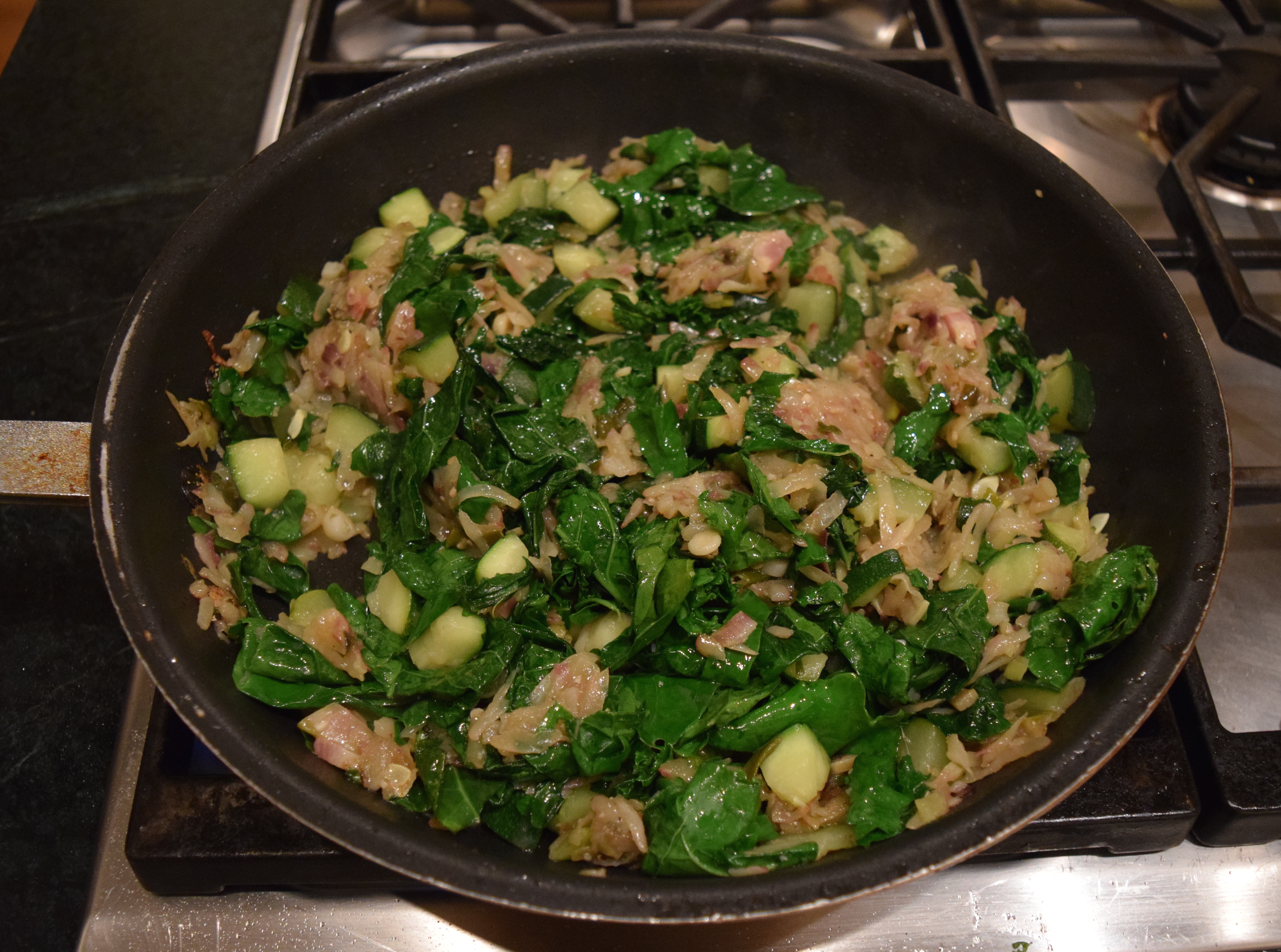
I tore the leaves into 3-inch pieces, added them to the vegetable sauté last, and cooked them for one minute until wilted. Chard, collards, or spinach would also work well here. Be sure to remove the thick stems from the collards or chard.

DSC_0312 DSC_0313

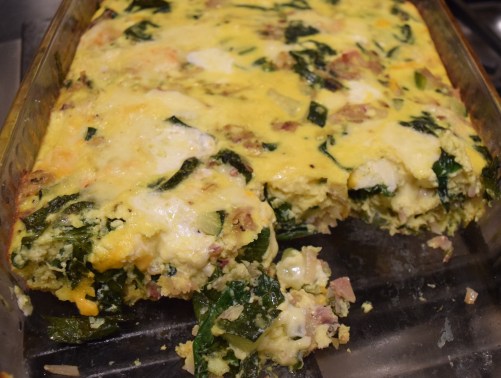
Notice how when the frittata first comes out of the oven, it is like a soufflé, all puffed up and fluffy. It will fall after about 5 minutes. I think the frittata is tastiest when it is still light and fluffy like this, but as I have said, it is still excellent later in the day at room temperature or even cold from the fridge.
DSC_0320

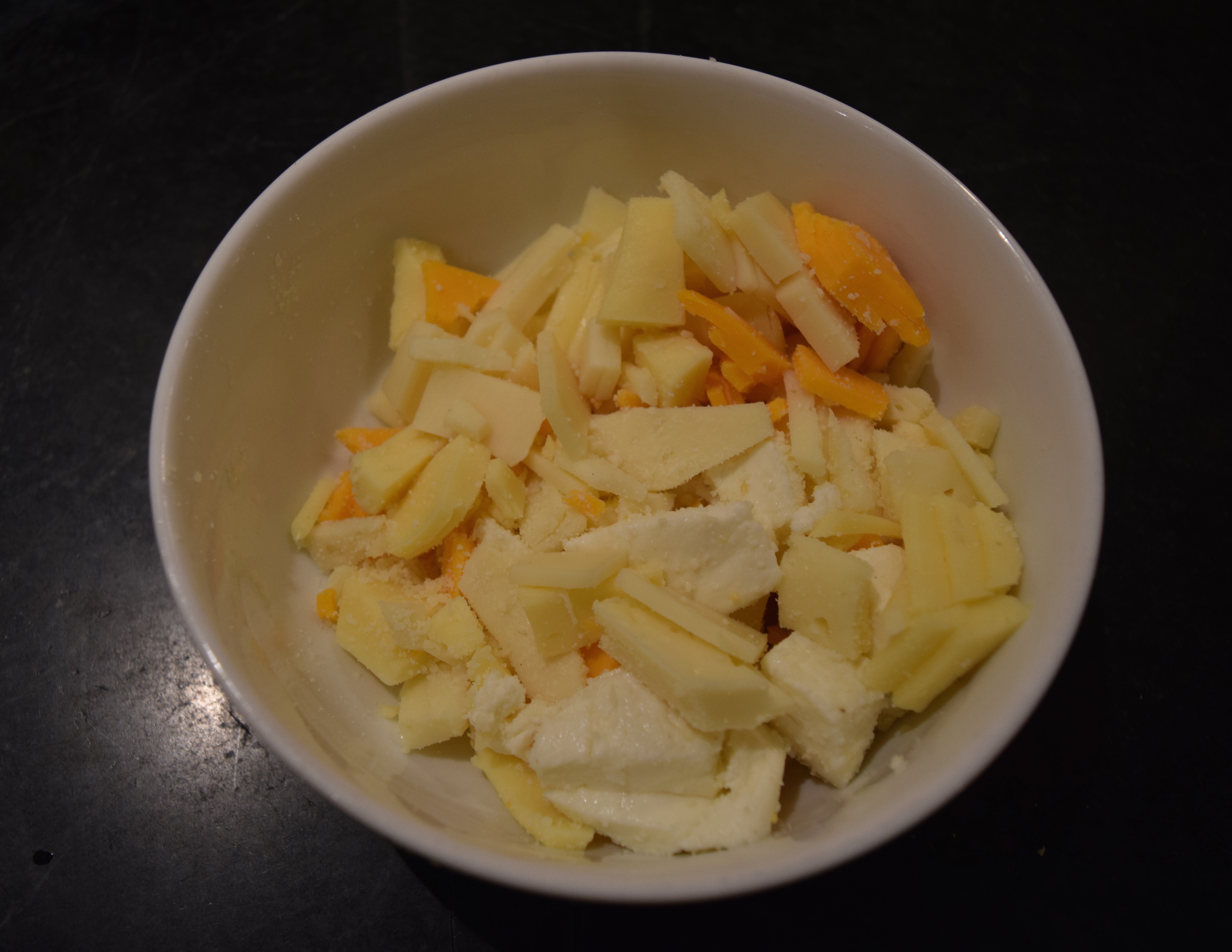
Once, I mixed a bunch of cheeses left over from a cookout and used them for the cheese portion of the recipe. This worked just fine.
DSC_0314

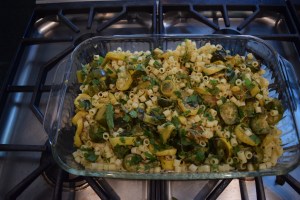
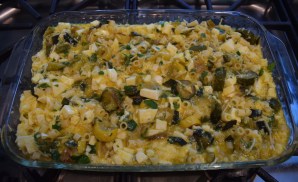
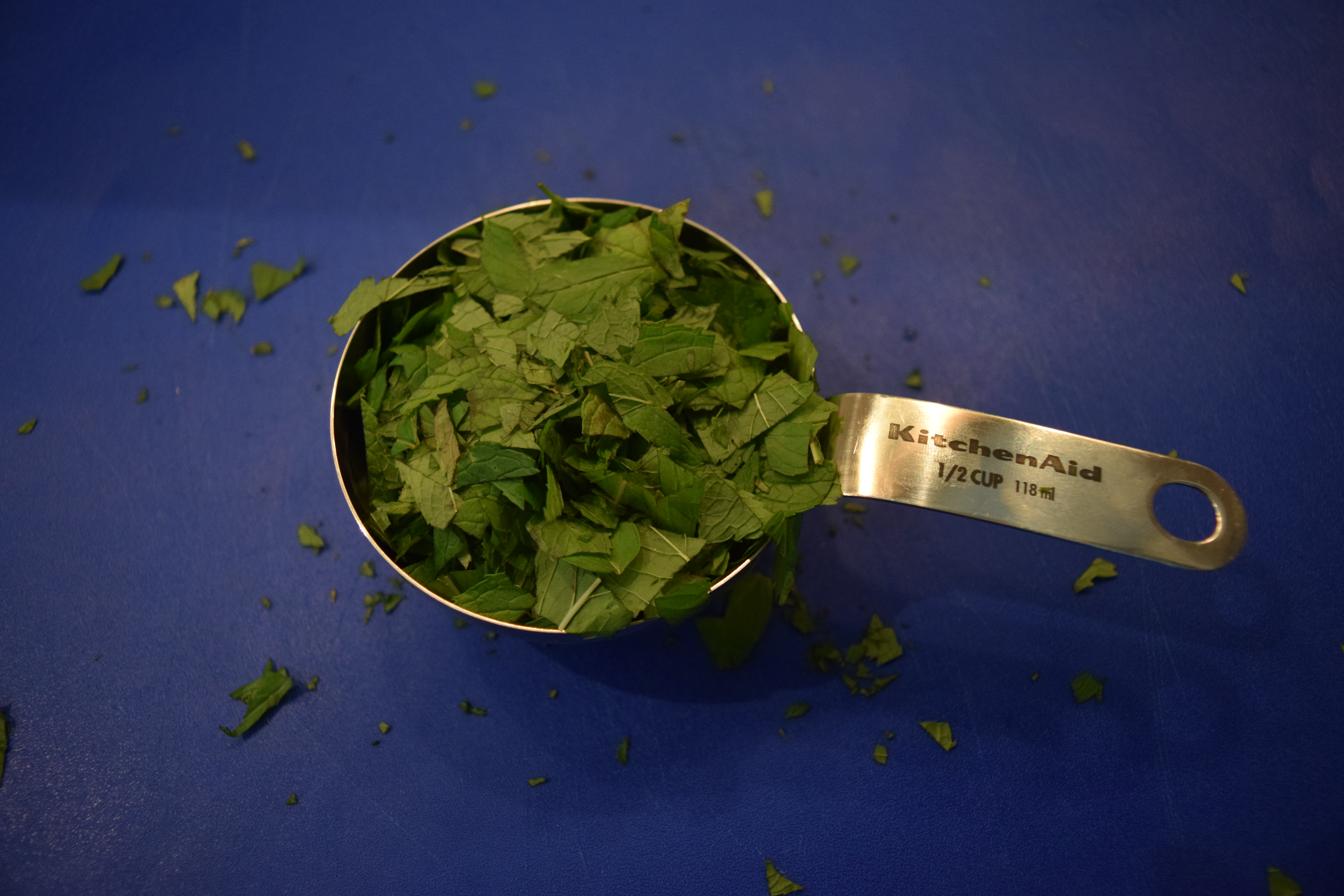
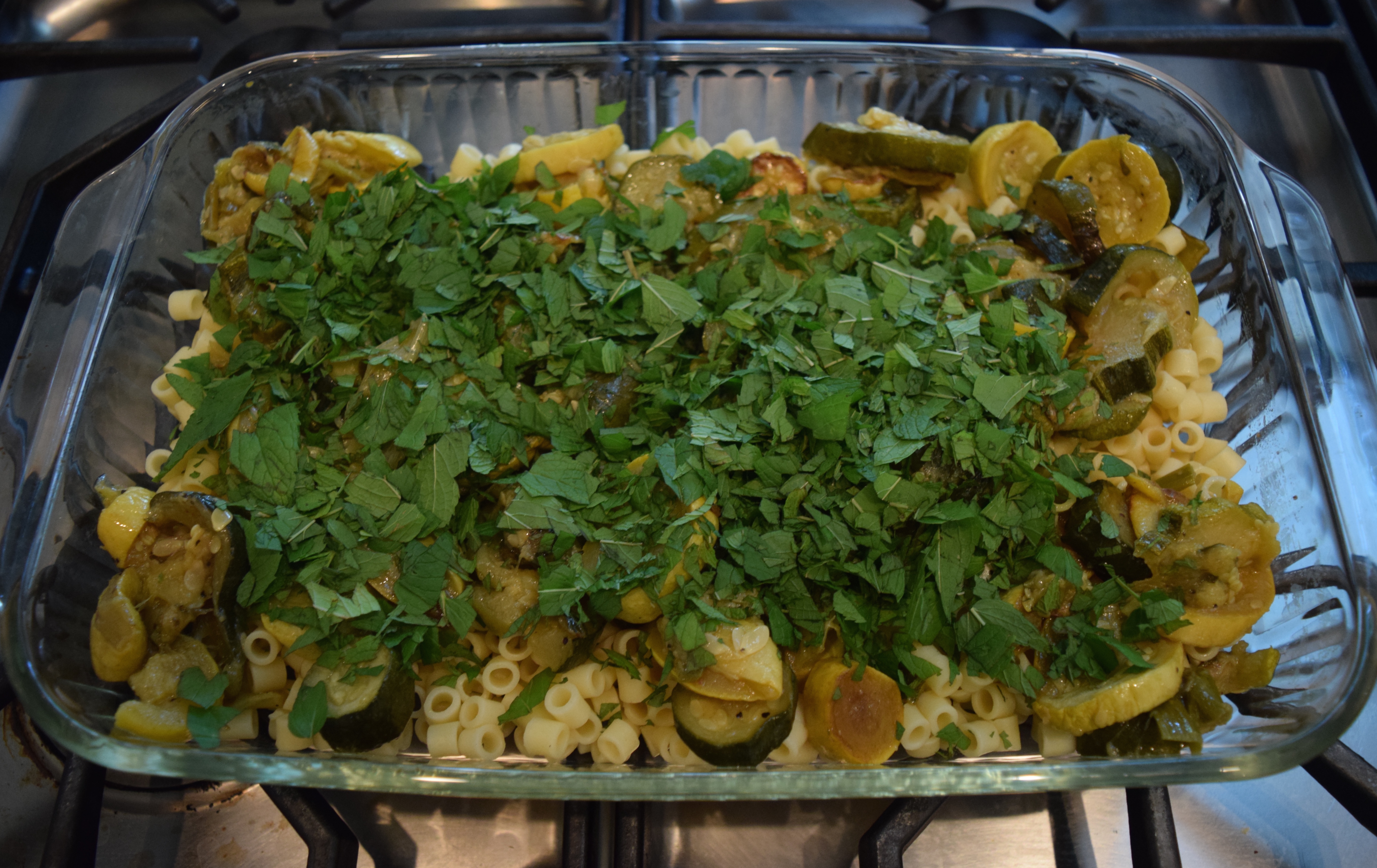
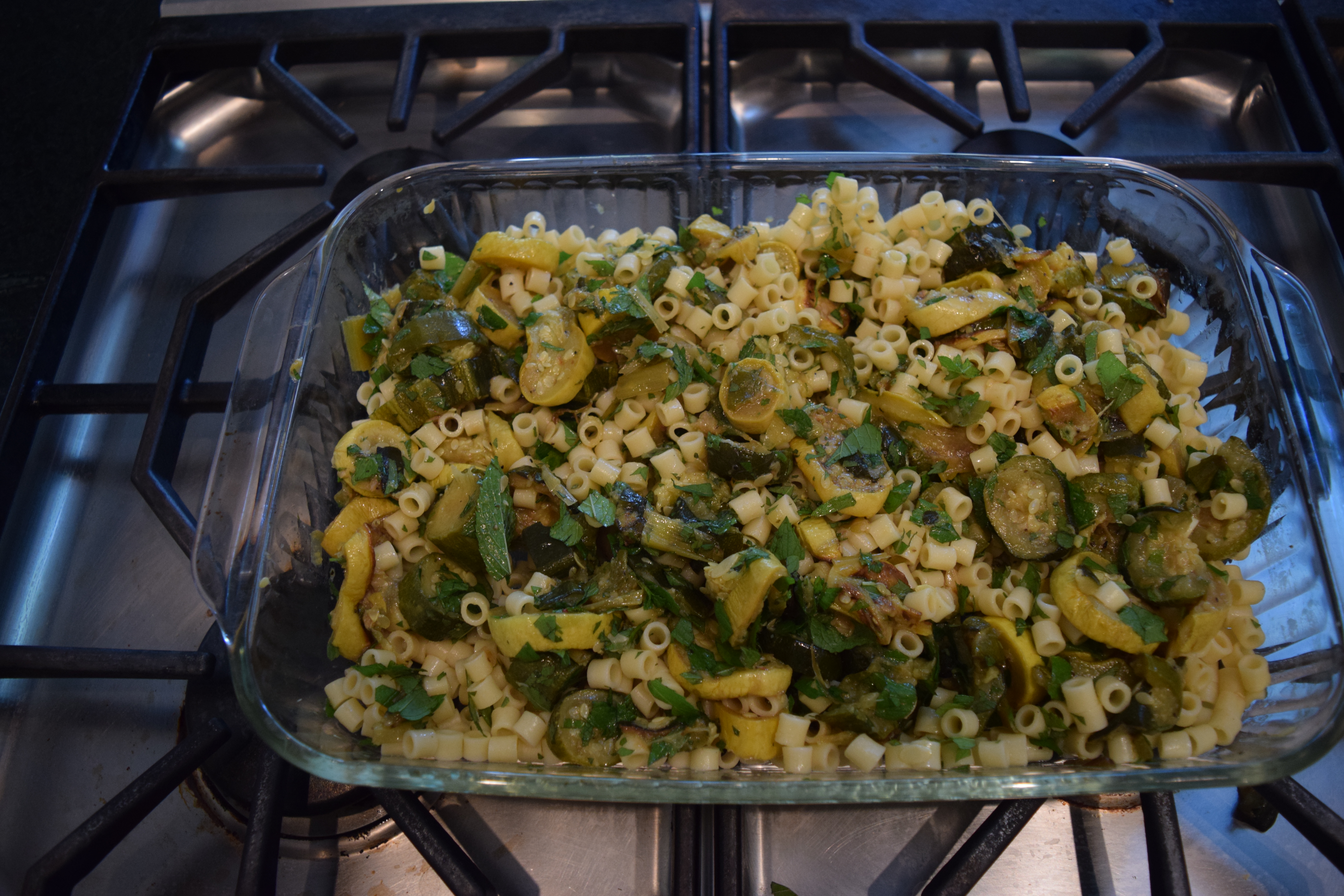
Another frittata version: leftover ditalini pasta and roasted zucchini, summer squash, and leeks, with fresh, chopped mint

I increased the amount of cheese for this version:
12 eggs, 1/2 cup ricotta, 1 teaspoon salt, 1/2 teaspoon pepper, 1 cup Parmesan, 2 cups mozzarella
4 cups cooked pasta, 4 cups roasted zucchini with leeks, 1/2 cup chopped mint

DSC_0984

Prepping the mint

DSC_0993 DSC_0995

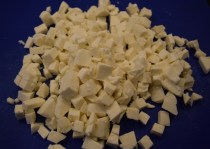
Prepping the mozzarella

DSC_0001  DSC_0004  DSC_0005

The four stages of combining and baking the frittata:DSC_0998 DSC_0999    DSC_0006 DSC_0012  

Melty goodness!

Other delicious foods to serve at breakfast
Fruit and Nut Bread
The Biscuit King
Very Berry Clafoutis
Quiche Lorraine with Bacon and Kale
Sorghum, Seeds, and Grains Granola
How to Make Grape Jelly (and Grow the Grapes)

LET’S STAY CONNECTED!

Follow my photos of vegetables growing, backyard chickens hanging out, and dinner preparations on Instagram at JudysChickens.

Never miss a post: sign up to become a follower of the Blog.

© 2014-2021 Judy Wright. All rights reserved. Photos and text may only be used with written consent.

Growing Sweet Potatoes and Other Crops at Delvin Farms

“Bringing people together to grow, cook and share nourishing food.”  The Nashville Food Project’s motto is my motto, too.IMG_0821

On Monday mornings, The Nashville Food Project sends a team of staff, interns, and volunteers to glean from the fields of Delvin Farms, a 140-acre farm in College Grove, Tennessee. The farm, started by the Delvin family in 1972, became certified organic in 1998 and began operating a CSA (Community Supported Agriculture) in 1999. In addition to their CSA, you can purchase their fruits and vegetables at various Farmers Markets around town. I was thrilled to get a chance to visit the farm with TNFP’s Monday team of gleaners: Marijke, Darrius, and Chris.

DSC_0375

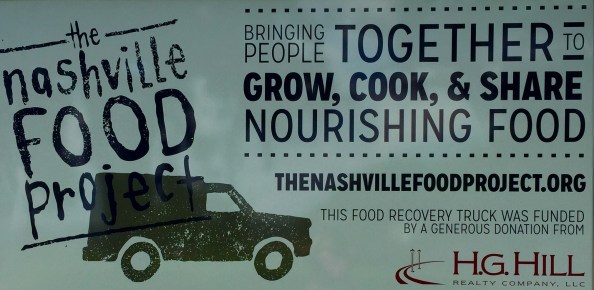
We drove to College Grove in TNFP’s new refrigerated food recovery truck donated to TNFP by the H.G. Hill Realty Company this year.DSC_0370

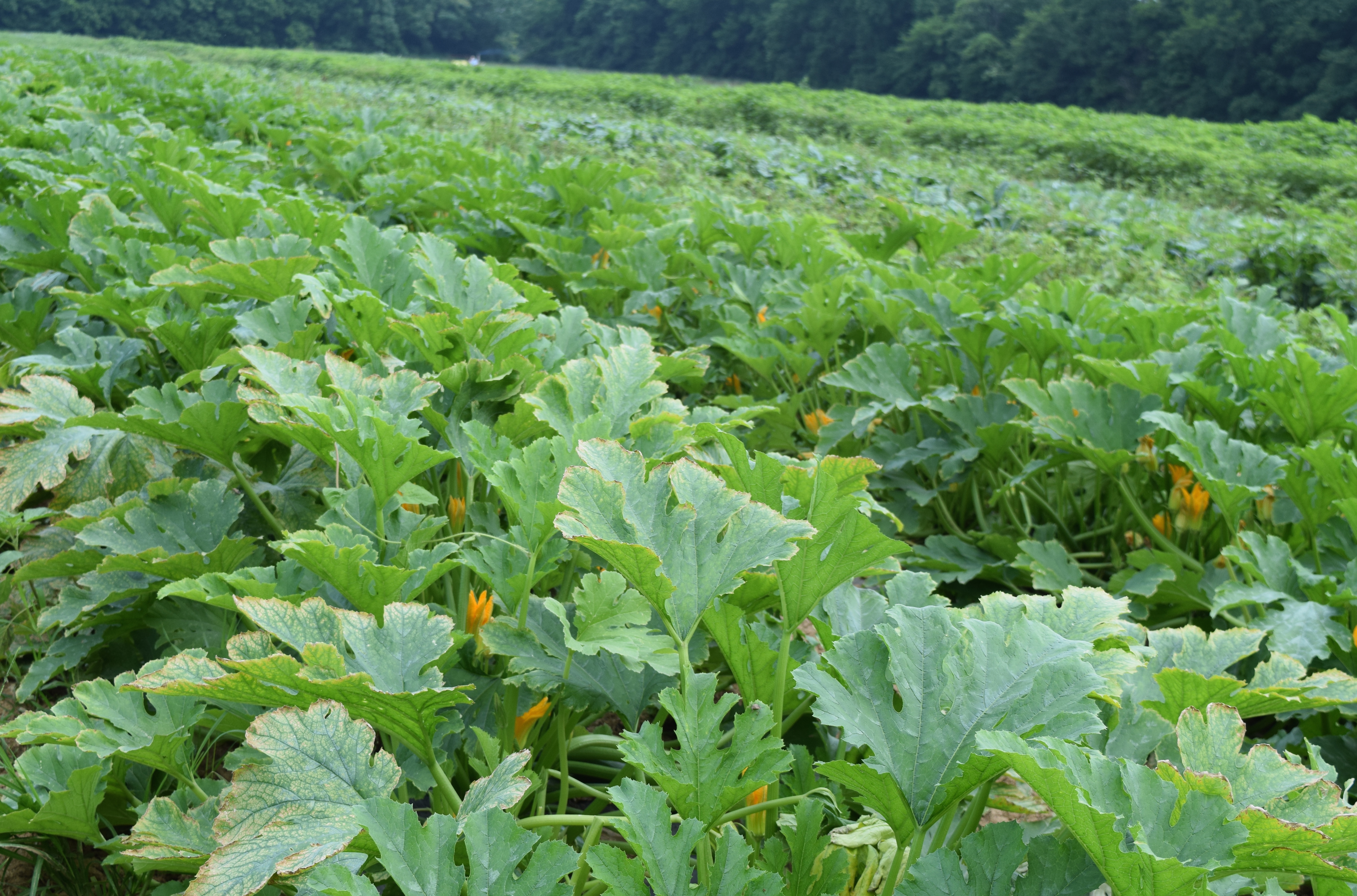
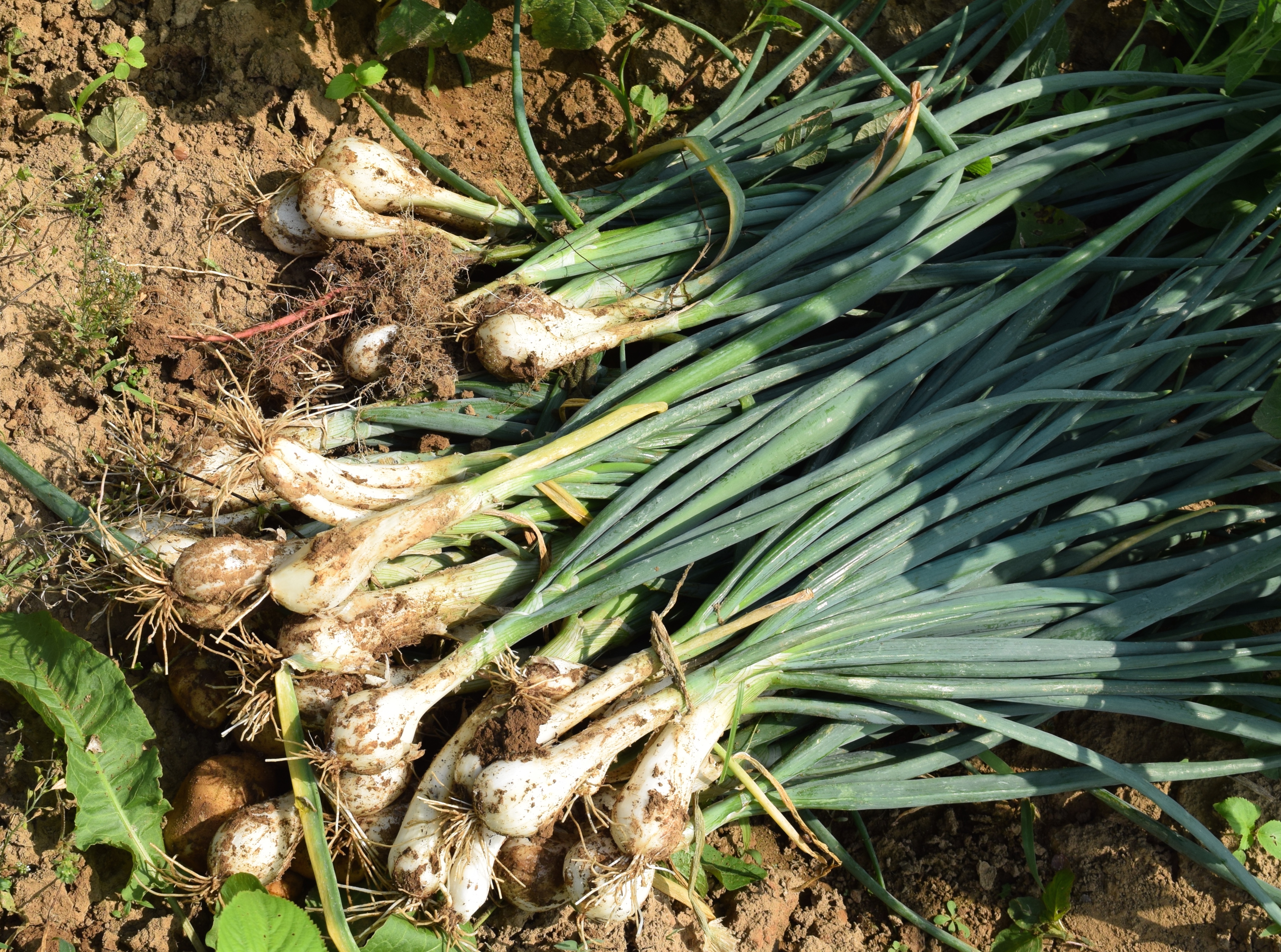
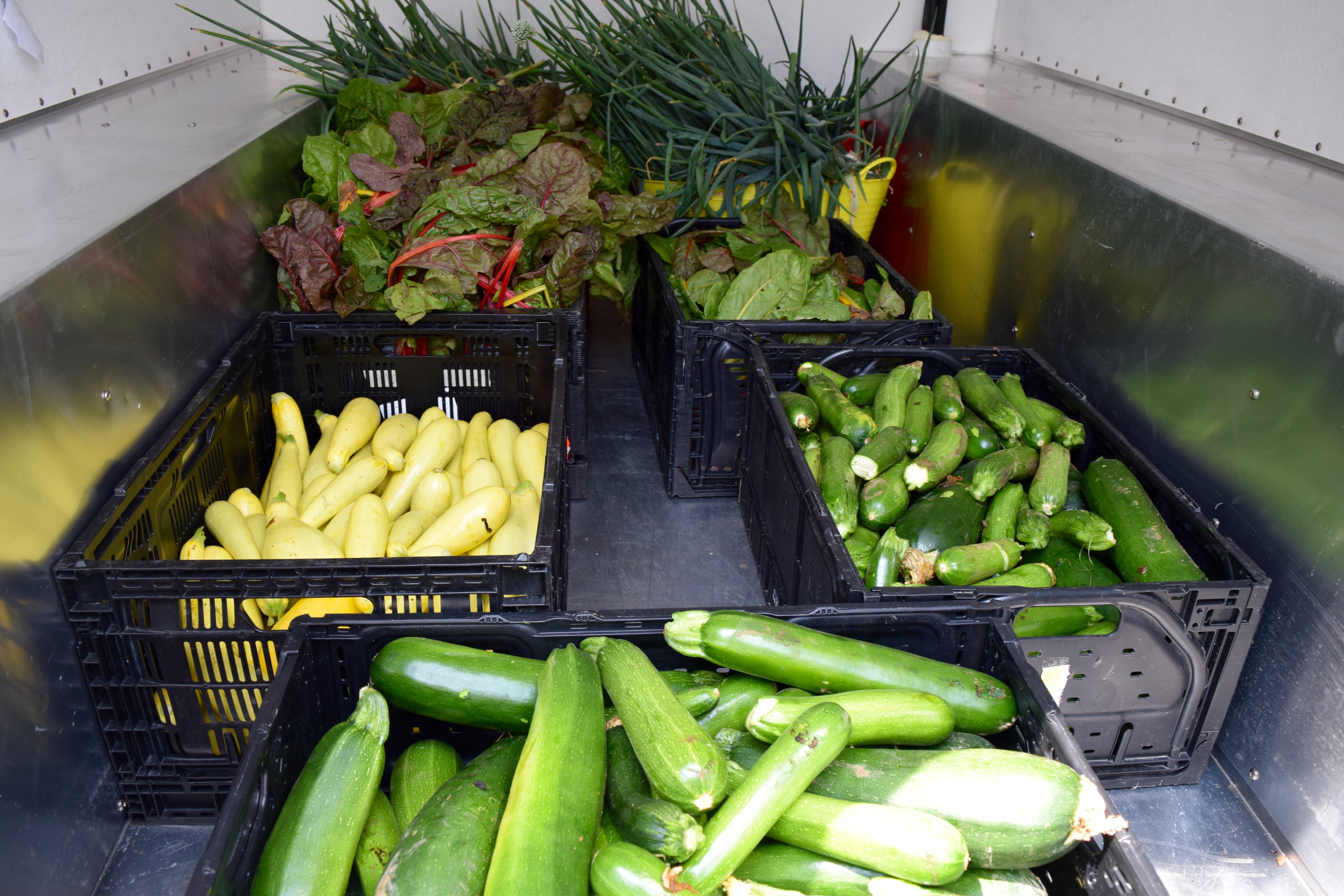
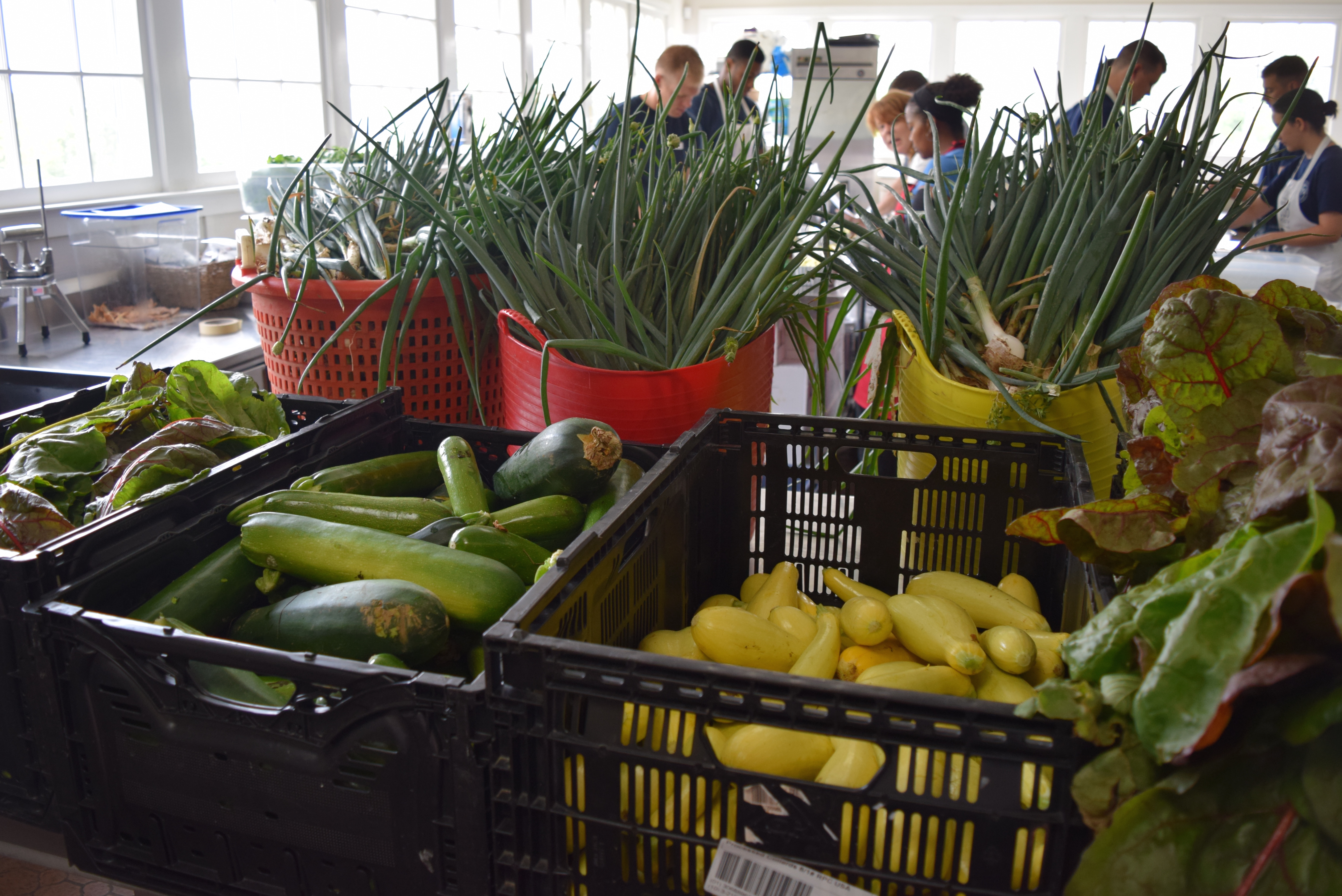
Every Monday, when the team arrives at Delvin Farm, Hank Delvin, Jr. directs TNFP’s food recovery team to different areas of the farm where they can glean. This week, the gleaners harvested onions and chard from fields about to be plowed over. Hank also let us glean from Delvin Farm’s abundance when he let us harvest from their newly ripening fields of zucchini and summer squash. This was Biblical. The Delvins’ generosity netted the indigent citizens of Nashville 295 pounds of fresh produce, this week alone.

Zucchini and Squash Fields
These fields take my breath away!

DSC_0381DSC_0385DSC_0383

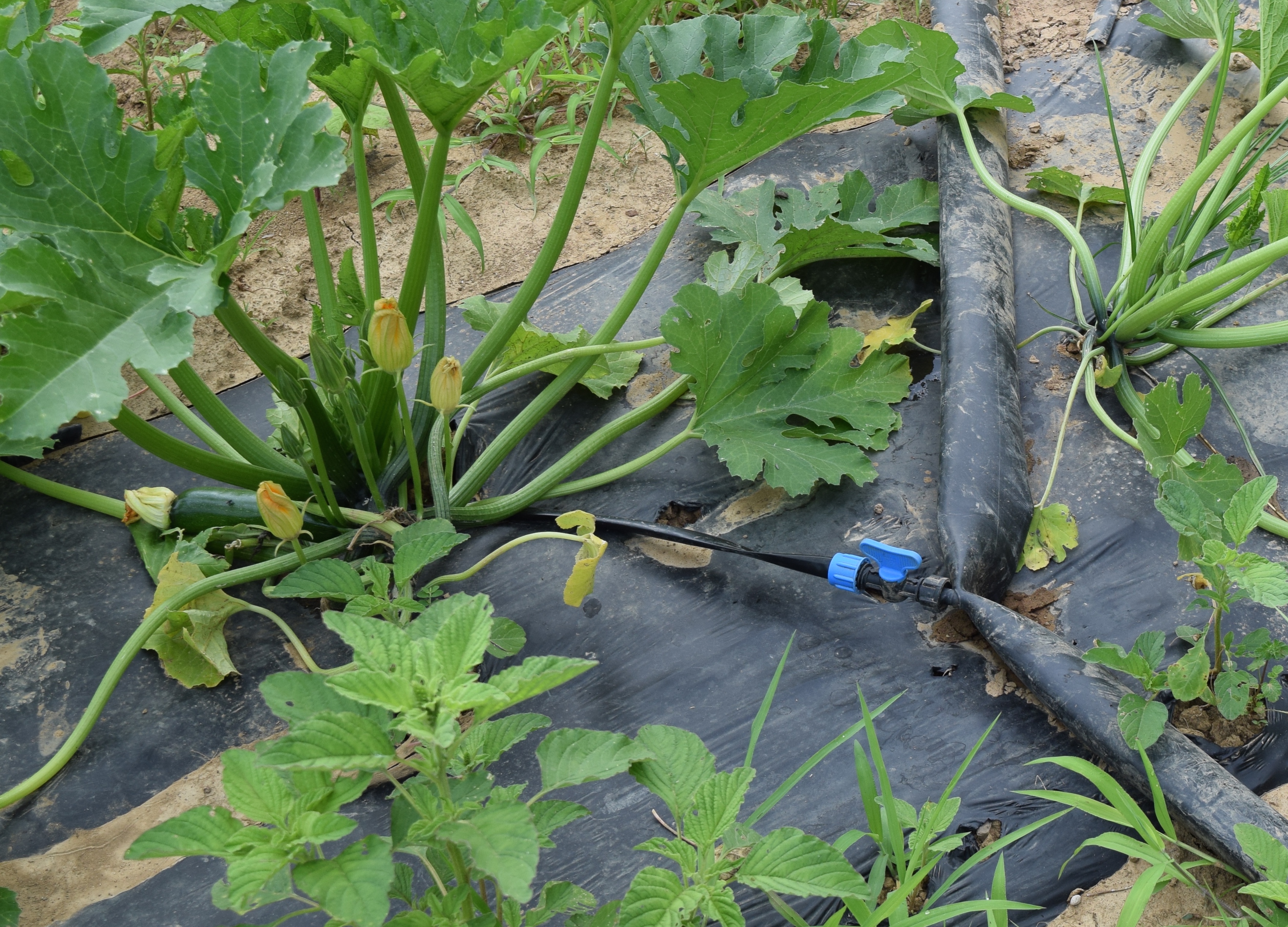
I like the way the Delvins cut down on watering, as well as how they control weeds and insects by laying heavy black plastic over the dirt. They then run a soaker hose under the plastic to water the plants.

DSC_0378

Onion Field
That’s Hank and Chris out in the field harvesting onions.DSC_0424DSC_0427

Swiss Chard Field
Rainbow chard always looks like a bouquet of flowers to me. I asked Darrius, TNFP’s Meals Assistant, to pose for me in this photo.DSC_0431DSC_0433

At some point, I was distracted from gleaning by what was going on in the next field over…

DSC_0388

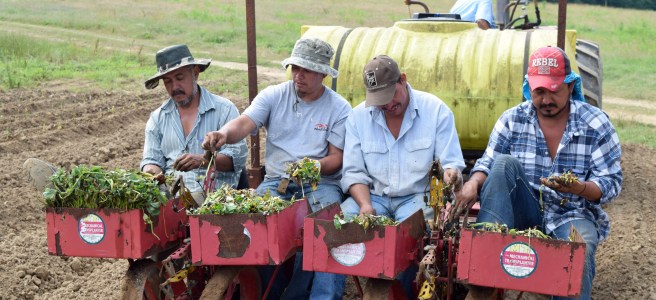
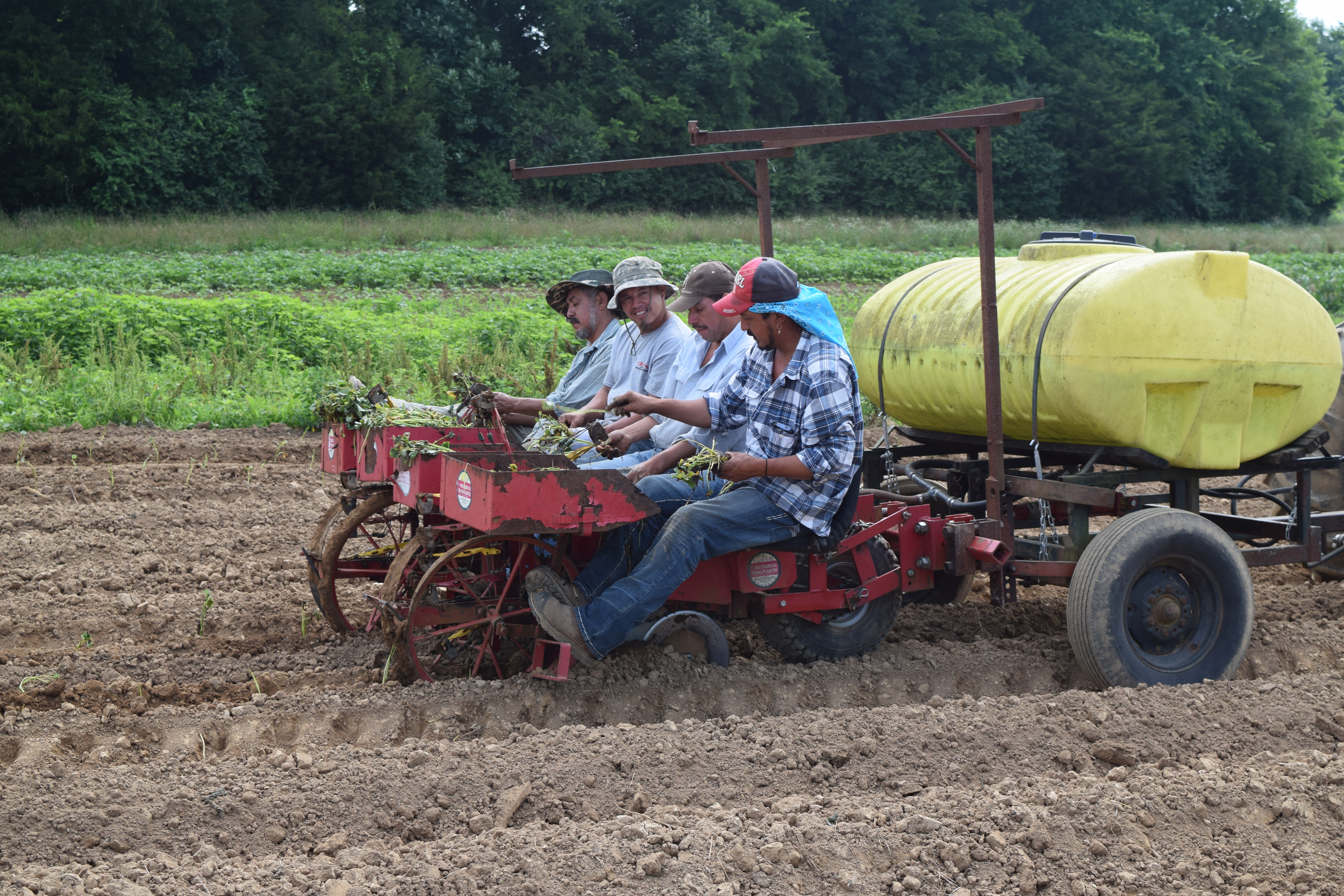
I walked up to the jovial field hands to ask what they were planting. Sweet potatoes.

DSC_0401

I must admit, when I first saw them, I thought of this, the Nashville Pedal Tavern.

535778_518326454875364_429056836_n-copy-1

I asked Hank Sr. to tell me about growing sweet potatoes.DSC_0443

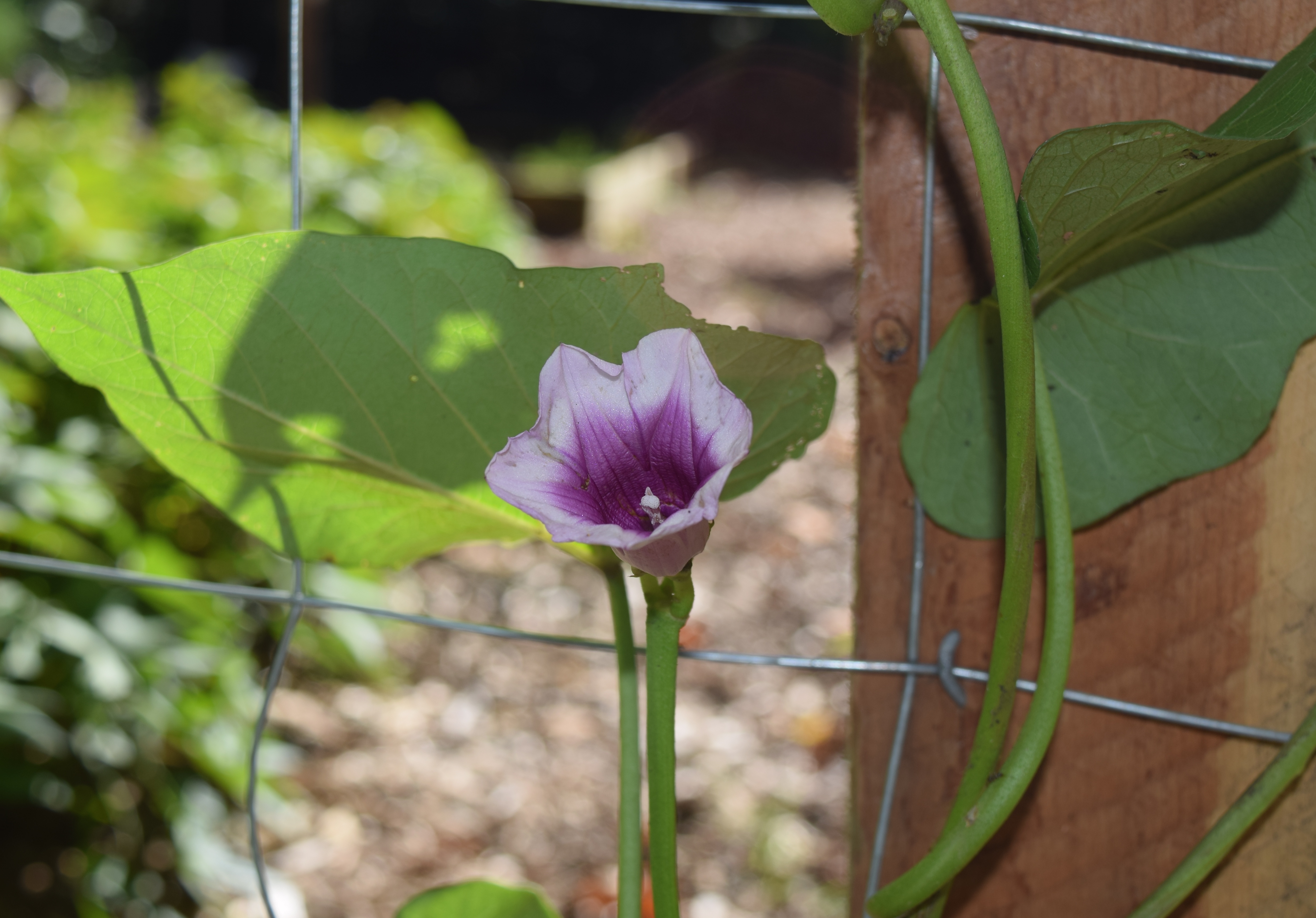
Sweet potatoes are in the morning glory family. Notice how similarly the flowers grow.

sweet potato flower 

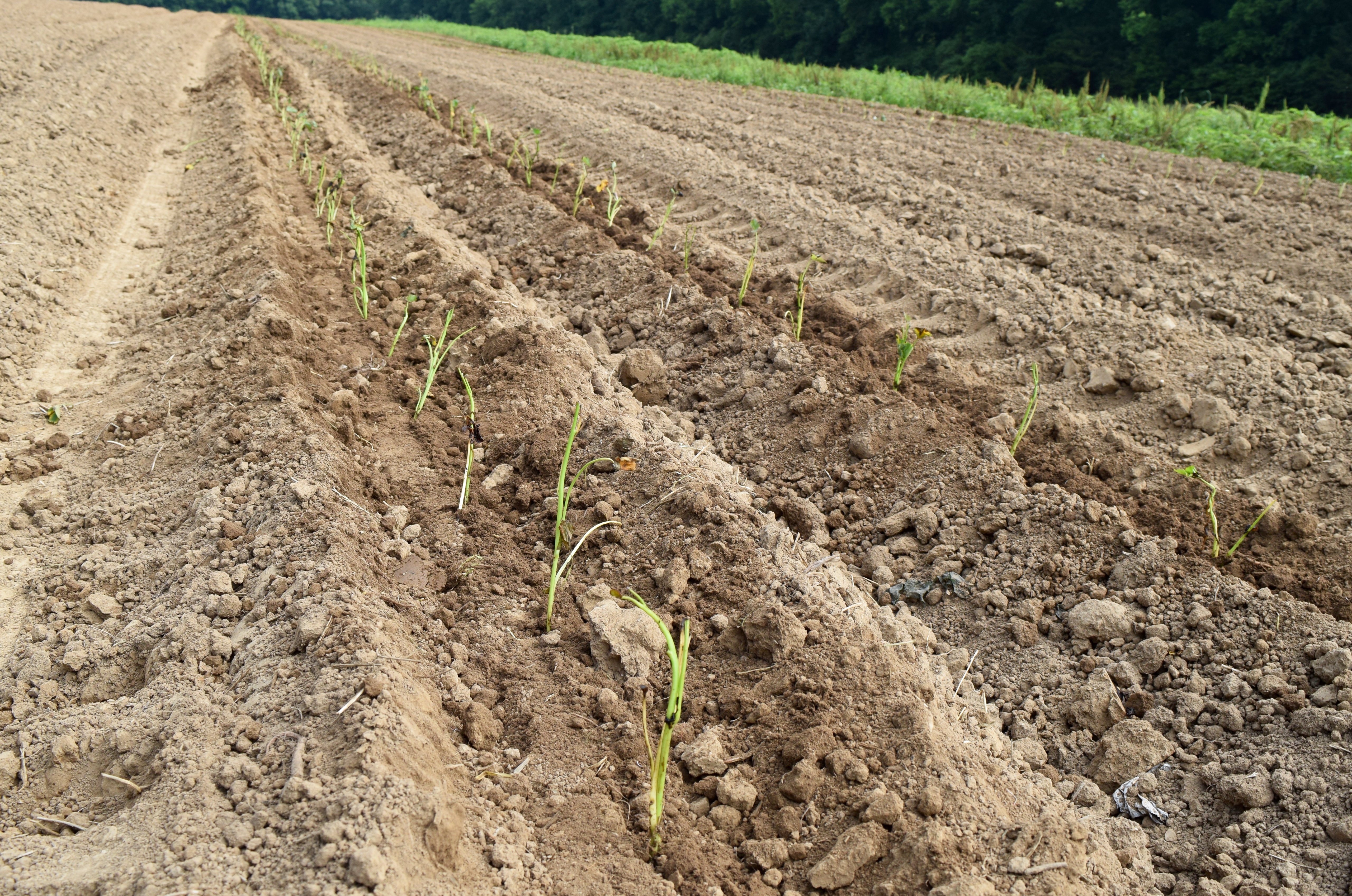
Sweet potatoes are a tropical plant and should be planted when the ground is warm in early summer. They’ll be ready to harvest in 120 – 160 days depending on which variety you plant. The “slips” are very hardy; it doesn’t matter how limp the leaves look, as long as they have a few roots on them, they’ll take.

DSC_0415

The Delvins plant thousands of potato slips each year.DSC_0437

I  am attracted to vintage, ingenious, efficient, gadgets of all sizes and this old planter was no exception.

DSC_0389

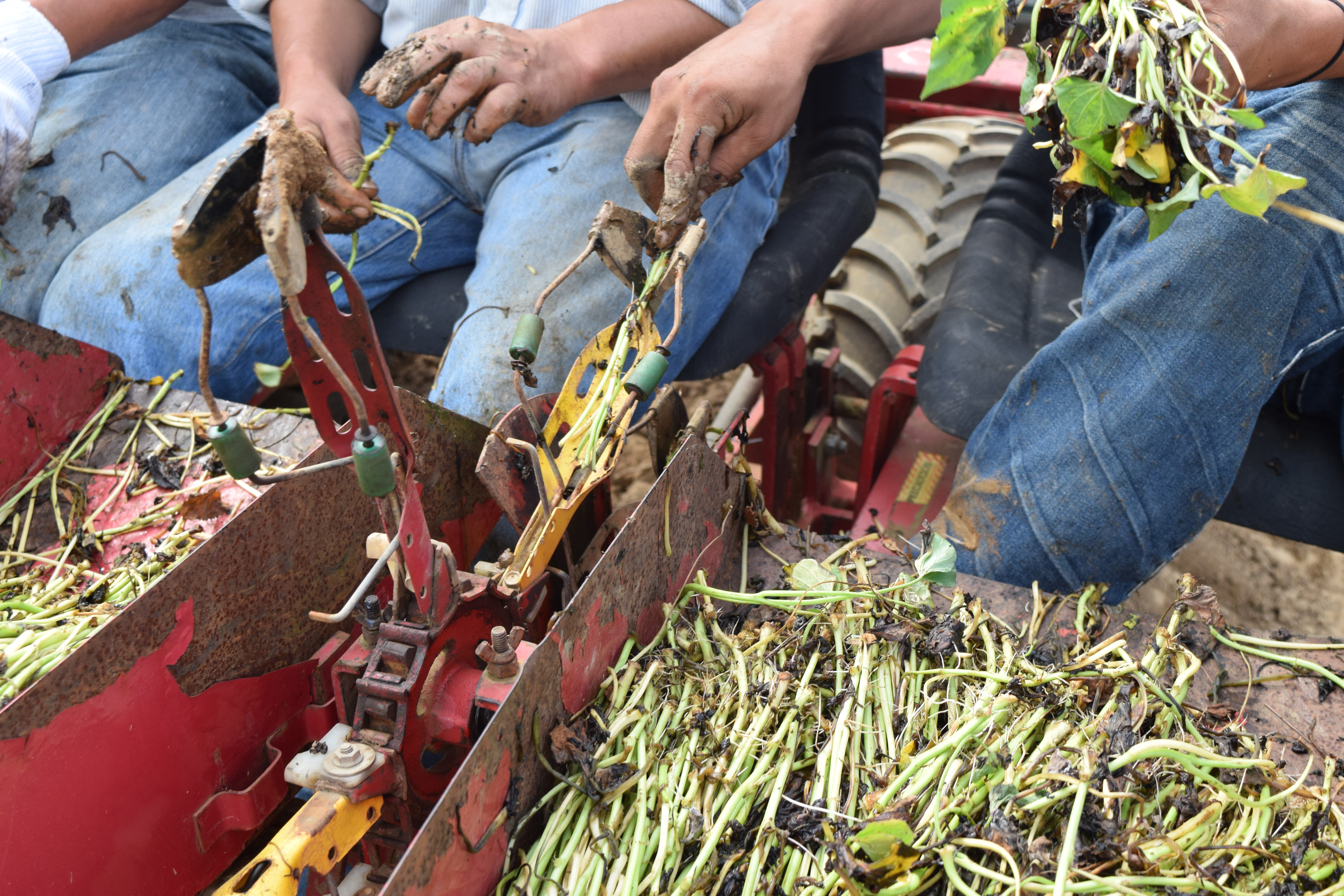
Here is how the planter works: A stationary v-grooved piece of metal cuts a thin gully in the soil as the tractor moves forward. Meanwhile, the field hands add slips of sweet potato vines into a device much like a Ferris wheel with multiple slip-carrying trays attached to a rim in such a way that as the wheel rotates, the little trays drop the slips into the dirt. As the slip drops in the ground, two red stationary wheels push the side soil back into place “locking” the slip into the soil. Simultaneously, a black hose delivers a squirt of water to each plant from the yellow tank located behind the men.
DSC_0393DSC_0395

Voila!

DSC_0407

Back to the gleaning. We loaded the containers of food into the refrigerator truck.

DSC_0451

We drove twenty minutes back to TNFP’s headquarters and brought the food into the prep room to be weighed. TNFP’s prep room is a beehive of activity where you hear the harmonious sounds of chopping mixed with chatting. Sign up for a shift at Hands on Nashville!

DSC_0460DSC_0464

Then the food went into our walk-in refrigerator to be used during the week.DSC_0467

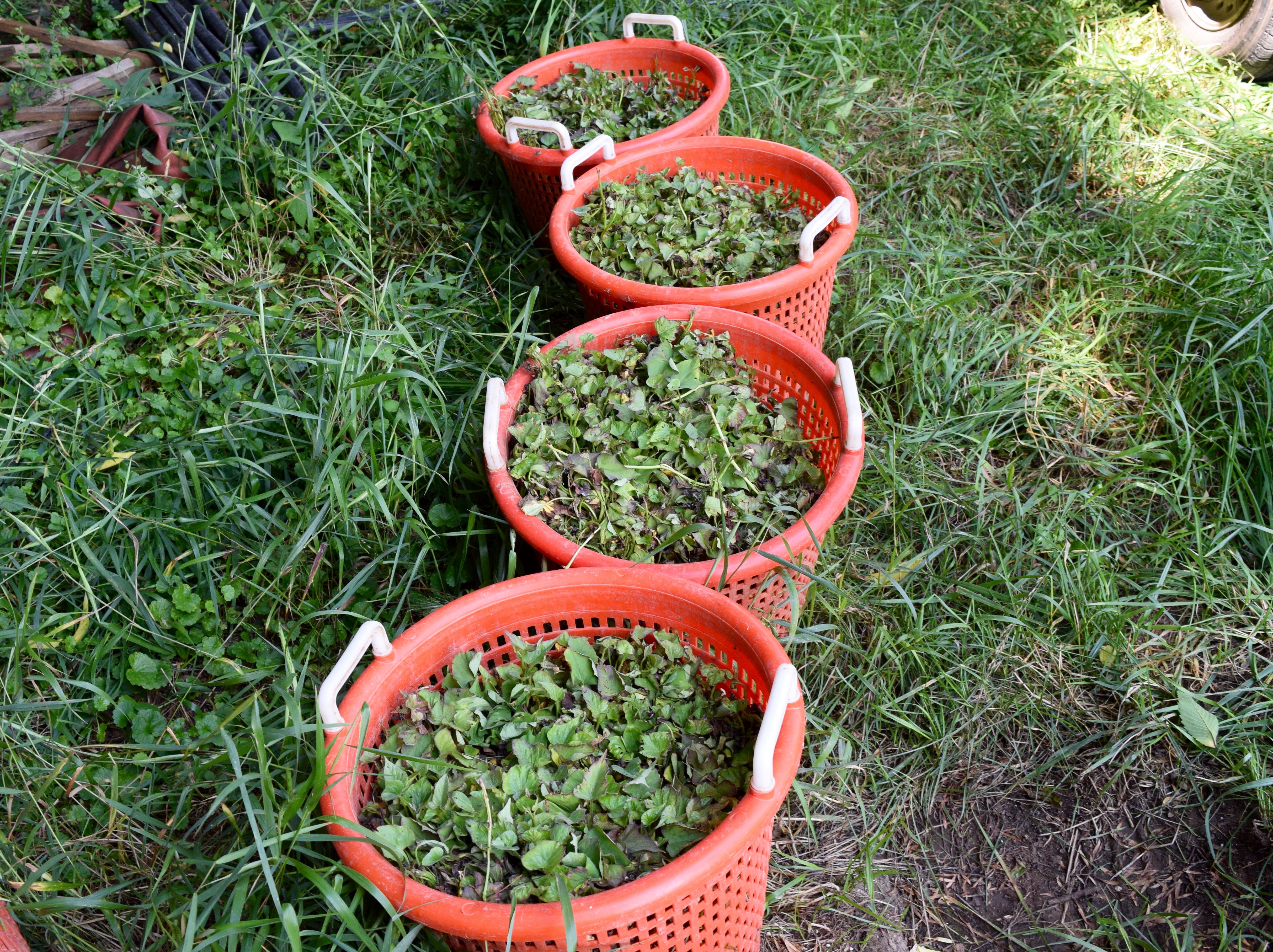
I went home and planted the potato slips Hank had given me. One variety is called Orleans (top grouping) and the other is a Japanese variety known as Murasaki.

IMG_0802 (1)

I planted the slips in my potato bed in between the Red Norland and Yukon Gold potato plants. The white potato plant leaves should start to turn yellow and die this month which will make room for the sweet potato vines to grow. I’ve never planted sweet potatoes this way before, but it seemed like a good idea at the time. Like so many new ideas, we’ll see.

DSC_0470

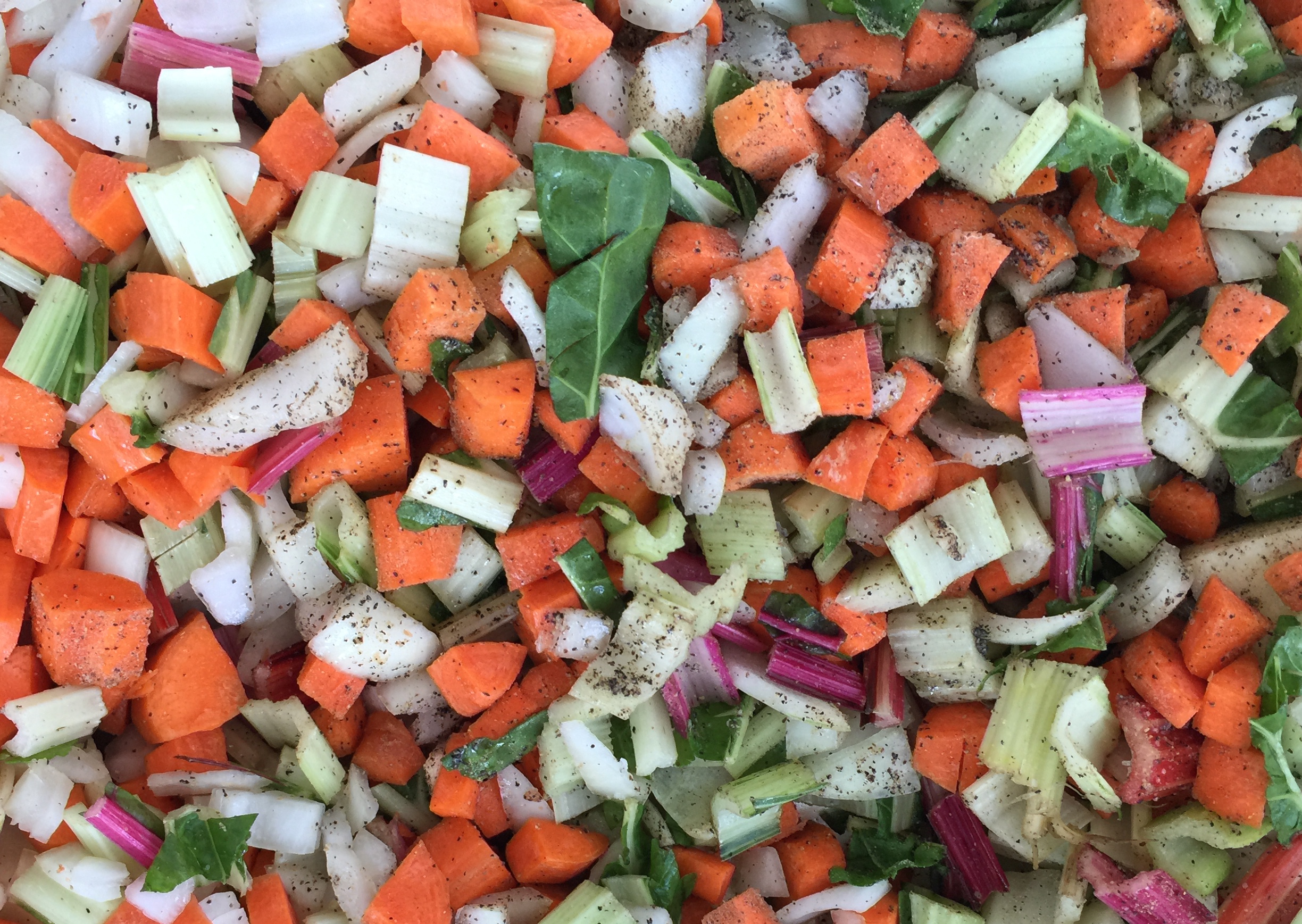
I think the Delvins would be happy to know that TNFP used all of the vegetables gleaned from their farm this week as they prepared and shared meals for over 1100 Nashvillians. The onions and chard ribs/stems (like celery stalks) went into the chopped vegetables of this week’s entree, Shepherd’s Pie.

IMG_0830

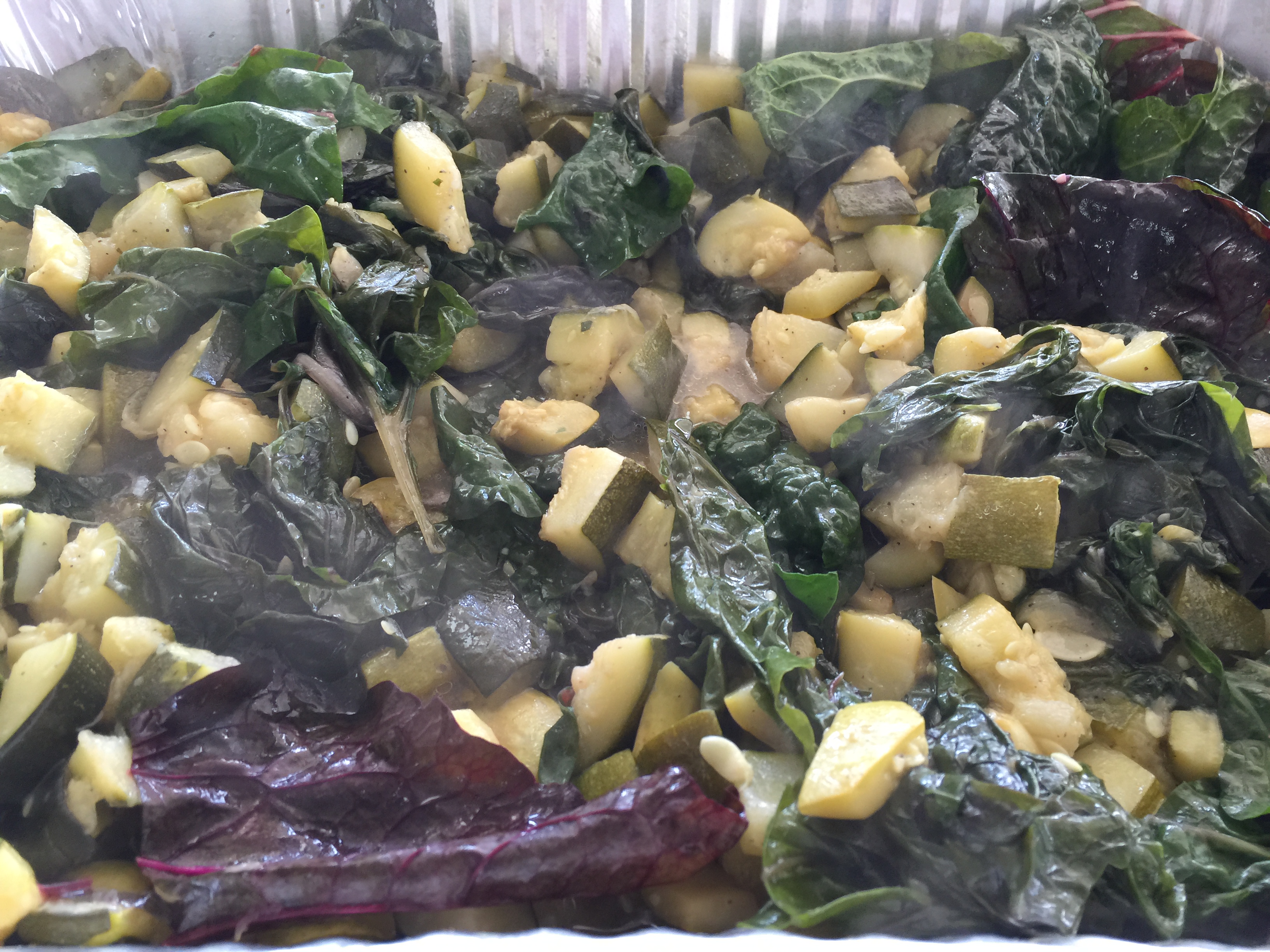
The zucchini and summer squash were chopped by volunteer prep teams and prepared for roasting by the chef teams who simply added olive oil, salt, and garlic pepper and roasted them at 400º for 40 minutes.

IMG_0822

Our chef team decided to add the chard leaves (with ribs removed) to the still piping hot zucchini when it came out of the oven.

IMG_0833

We added the leaves, mixed them in, covered the pan, and put it all back in the oven for another five minutes. The combination was good and a quick way for us to prepare the chard with limited stovetop and oven space. If I were home, I would have served the roasted zucchini/chard mixture over pasta with Parmesan sprinkled on top.

IMG_0845

As Curious George would say, Today was a good day to be curious.

DSC_0463

Related Posts on Commercial Farming:

LET’S STAY CONNECTED!

Follow my photos of vegetables growing, backyard chickens hanging out, and dinner preparations on Instagram at JudysChickens.

Never miss a post: sign up to become a follower of the Blog.

© 2014-2017 Judy Wright. All rights reserved. Photos and text may only be used with written consent.