Edible Landscaping with Nashville Foodscapes

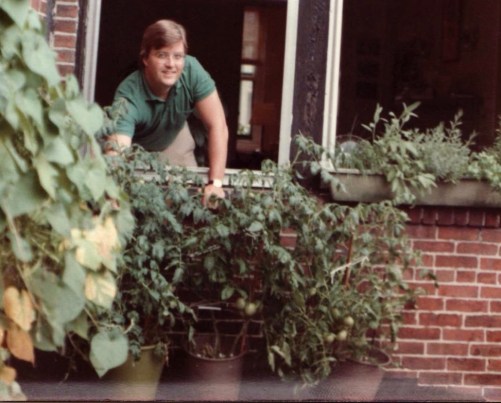
When I was ten, I planted my first packet of seeds in a thin strip of dirt bordering the back of our house. I remember asking my mother what germination meant. In my twenties, my husband and I grew vegetables on the roof and in the window boxes of our first apartment as newlyweds in downtown Boston.
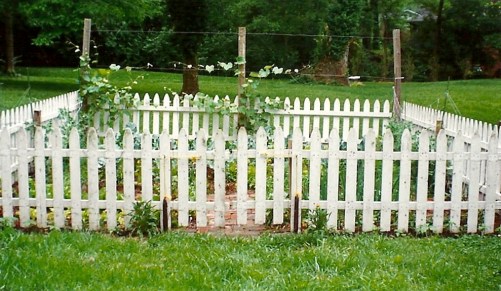
When we bought our first house in Nashville, my husband built me a fenced-in vegetable garden. He used white picket fencing recovered from a neighbor’s backyard. As a transplanted New Englander, I felt so … Southern Living.
For Valentine’s Day, he borrowed a truck and went to a friend’s chicken farm to get me a load of chicken poop. Later, Mary Hance, a columnist for The Tennessean, wrote a story about it for her “Ms. Cheap” column, “Sometimes even chicken manure is a gift of love.” In 2018, re-using scrap wood and hauling in chicken poop is considered PC and falls under the category of “keeping stuff out of the landfill.” Back then, it was known as plain old saving money, and another example of my husband’s mantra for our children, “Be a problem solver, not a problem identifier.”

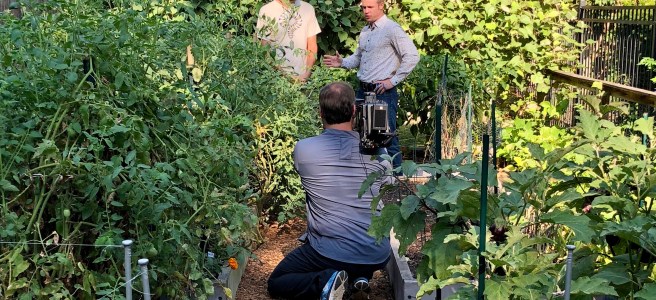
I thought about all of this as I watched this week’s episode of Volunteer Gardener [episode 2713], an educational gardening show on Nashville Public Television.  It was filmed in my backyard.

My friend, Jeremy Lekich, owner of Nashville Foodscapes was interviewed by the show’s host, Phillipe Chadwick, to talk about growing edible backyard spaces, Jeremy’s specialty. I’ve got to warn you, Jeremy’s passion for edible foodscapes is contagious! He gets booked up in April when folks get the urge to plant. Now is the time to call him to plan and build next year’s vegetable gardening space.

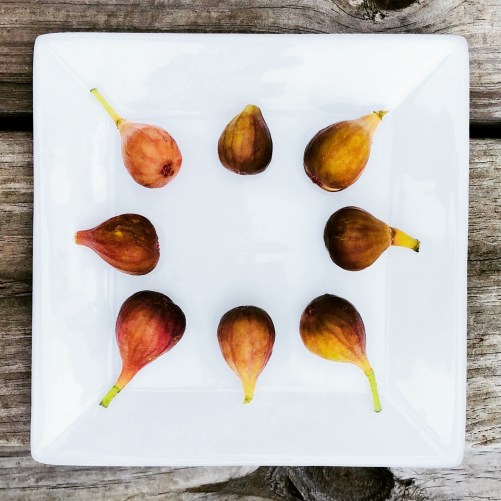
Here is a clip about how figs reproduce. It didn’t make the show but is a great example of how Jeremy inspires people to become curious and productive gardeners.

You will never look at the inside of a fig in the same way.
Thank you to Greta Requierme, producer of Volunteer Gardener, for bringing her crew to visit my garden and to my dear friend, Jeremy, for all the ways he inspires me to grow more food. Here is Jeremy’s mission statement from his website:

“Nashville Foodscapes connects people with their food source by growing food where people live. We achieve this by offering creative food solutions through landscaping. We create custom designs of our clients’ yards, homes, and living spaces allowing food to be grown in a way that pleases the eyes and taste buds: a fusion of aesthetics and function in a landscape.”

Yes, I adore him!

Related Stories


Don’t miss a recipe! Become a subscriber and have every post delivered to your Inbox.

Follow Judy’s Chickens on Instagram and Pinterest @JudysChickens.

Remember to always check this website for updated versions of a recipe.  

© 2014-2018 Judy Wright. All rights reserved. Photos, videos, and text may only be reproduced with the written consent of Judy Wright.

Crostini with Slow-Roasted Tomatoes, Burrata, and Basil

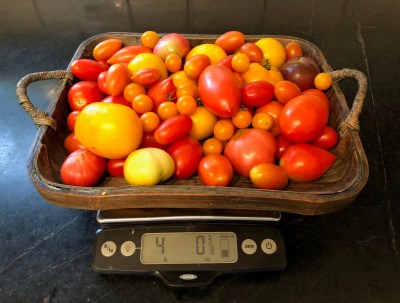
Although my tomato garden started out pretty, it did not produce all summer. I heard similar comments from many of my backyard gardening friends. About two weeks ago, I cleaned up my 26 tomato plants and gave them one last chance to make fruit before pulling them. I picked every tomato in sight in various stages of ripeness.

At our next monthly Master Gardeners of Davidson County meeting, I asked our UT Extension Agent, David Cook, if he had an explanation. He said in long periods of heat and drought, tomatoes take longer to ripen. Additionally, he said the plants do not set new fruit because the heat coupled with high humidity cause the flowers to shrivel up and drop. He said he’s been wondering if it is time to rethink when we plant tomatoes locally.  Perhaps later in June would work better since we have a long growing season. Coincidently, I learned my father-in-law planted his tomato beds on July 1st, and they were lush and producing when I saw them last week.

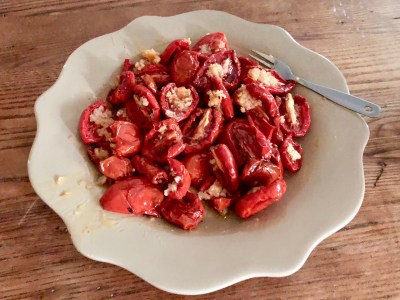
The first thing I did with the ripe portion of tomatoes I harvested was to make and freeze a few batches of @JudysChickens Marinara Sauce. Soon after, I had the pleasure of tasting Robin Verson’s slow-roasted tomatoes while attending an indigo dyeing workshop at Hill and Hollow Farm, in Kentucky. I’ve made oven-roasted tomatoes before, but their flavor wasn’t nearly as intense as these. These were like little flavor bombs.

I asked her how she prepared them. She wrote, “Cut off the tips of Roma tomatoes, then cut them in half. Place in baking pan and sprinkle olive oil, salt, and pepper. Put a nice
amount of freshly pressed garlic on top of each half. Bake at 225 for many hours, usually half a day.” Thus began my days of slow-roasting tomatoes.

Slow Roasted Tomato Ingredients

4 pounds small tomatoes (I used 3# Roma and 1# cherry)
5 -6 cloves garlic, peeled and minced
4 tablespoons extra-virgin olive oil
1 teaspoon garlic pepper (used only for cherry tomatoes)

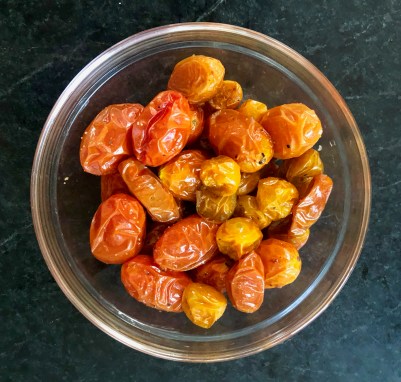
I divided the tomatoes into cherry (Juliettes and Sungolds) and the larger tomatoes (Romas and Lemon Boys). I found that garlic doesn’t stick well to whole cherry tomatoes, so I used garlic pepper for them.

Instructions
Preheat oven to 225º
Line two 13″ x 18″ rimmed baking sheets with parchment paper.

For the pound of cherry tomatoes: mix tomatoes with 1 tablespoon of olive oil and 1 teaspoon of garlic pepper. Spread them on a baking sheet. Set aside.

For the three pounds of Romas and Lemon Boys: cut the tomatoes in half, lengthwise, and scoop out the seeds with your index finger. Mix olive oil and minced garlic in a small bowl to moisten the garlic. Place tomatoes on a baking sheet in a single layer. Use a teaspoon to drizzle the olive oil and garlic over the tomato halves.

Slow cook tomatoes for 4-5 hours. The cherry tomatoes were ready about 30″ before the Romas.

We call the cherry tomatoes “poppers.” They are fun to eat individually or to throw in sauces, salads, and vegetable dishes for a burst of flavor.

The roasted Romas are good to eat as an appetizer, a side dish, or as a mix-in for foods like hamburgers, vegetable dishes, and even over pasta. They are especially good smushed on bruschetta, or on crostinis, as we shall see. They will last in a covered dish for about a week in the refrigerator, or they can be frozen.

Crostini Ingredients
Yield: 18 Crostini

1 baguette
½ recipe of slow roasted tomatoes (see above)
4  2-ounce balls of burrata cheese
a few leaves of basil, minced
balsamic vinegar
Cracked sea salt and pepper

Instructions
Preheat oven to 400º

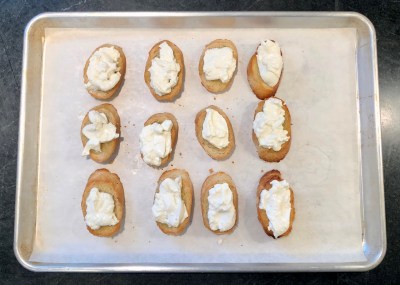
Slice a baguette into ½-inch slices. Lightly brush each with olive oil. Place slices on a sheet pan and toast for about 7-8 minutes.

Slice the burrata and place some on each slice of bread.

Top with one roasted tomato half.

Grind a little sea salt and pepper over each crostini. Sprinkle with chopped basil. Drizzle each with a few drops of balsamic vinegar. Arrange crostini on a serving platter.

If you are looking for other ways to cook tomatoes check out Tomatoes! on the MENU page.

Don’t miss a recipe! Become a subscriber and have every post delivered to your Inbox.

Follow Judy’s Chickens on Instagram and Pinterest @JudysChickens.

Remember to always check this website for updated versions of a recipe.  

© 2014-2018 Judy Wright. All rights reserved. Photos, videos, and text may only be reproduced with the written consent of Judy Wright.

@judyschickens Marinara Sauce

I have two ways of preparing marinara sauce, the summer way and the winter way. Either way, marinara sauce is super easy to make and so much better than store bought sauce.

In the summer, I use fresh tomatoes. I often use the over-ripe and cracked tomatoes for cooking and save the pretty ones for salads.

In the winter, I use Italian, canned, whole, plum tomatoes.

There is also a “hybrid” version of sauce that I make at The Nashville Food Project. There, I use a combination of fresh and canned tomatoes — a mixture that includes canned tomatoes that are often dented (they’re okay to use) and homegrown tomatoes (some perfect, some cracked), all of which are either donated or grown in TNFP’s production gardens. I happily get to make that version in a tilt-top stove which can hold enough sauce for 300 servings!

I use the same ingredients in all three versions: tomatoes, garlic, olive oil, basil, sea salt, and ground cayenne or red pepper flakes. What I don’t use is dried oregano. I’m not sure why people think oregano should go in Italian tomato sauce, but no one in my family ever used it. All versions simmer for ten minutes on medium heat once they have come to a rolling boil. Marinara sauces do not cook for as long as a thick and meaty “Sunday Sauce.” They are meant to show off the beautiful flavor of tomatoes.

Although I’ve been making marinara sauce for most of my life, it wasn’t until the summer of 2006, when our family was on an overnight sailing trip in the Adriatic Sea with friends, that I learned to make a delicious marinara. Our skipper, Toto, prepared lunch for ten on a two-burner cooktop in the small galley kitchen of his boat. What did he do differently? He did not add onions (I used to), he used a pinch of cayenne pepper (for heat), and he only cooked the sauce for ten minutes (I was cooking it for 30-45 minutes). In other words, he kept it very simple.

And I’m not the only one who loved the sauce. To this day, if you ask my boys, they will tell you it was the best spafhetti and marinara sauce they ever had.

Yield: Makes 4-5 cups

Ingredients:
¼ cup extra virgin olive oil
6-8 cloves of smashed and chopped garlic (about ¼ cup, chopped)
4 pounds of ripe tomatoes, cored, seeded, and rough-chopped (about 8-9 cups) or 2 28-ounce cans of whole Italian plum tomatoes
2 teaspoons sea salt
A pinch of cayenne pepper OR ¼ teaspoon red pepper flakes
15 large leaves of basil, rough-chopped OR 2 loaded stems (about ½ cup when chopped)
1-2 teaspoons sugar (optional, it cuts the acidity)

Instructions:
Core the stems of the tomatoes, slice tomatoes in half (horizontally), and use your index finger to scoop out the seeds. Rough-chop tomatoes into 1 to 2-inch chunks. I do not peel the tomatoes. If using canned tomatoes, pour them into a bowl and break them up with your fingers. Swizzle each empty can with a ½ cup of water and pour the liquid into the bowl. Set aside.

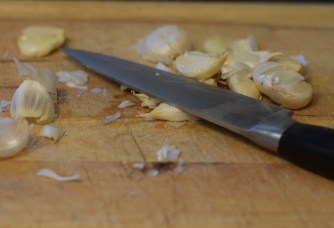
Smash the garlic to break up the bulb. Remove the tissuey peel. Take the flat side of a chef’s knife and press it down over each clove to flatten and make it easier to remove the last layer of peel, then rough-chop the garlic cloves.

Pour olive oil into a 6-quart sauté pan. Add garlic. Sauté for about one minute on medium heat until the garlic starts to change color. Do not brown the garlic. If you do, discard and start over. It will make your sauce bitter.

Add the tomatoes, salt, and cayenne or pepper flakes to the garlic and oil. Bring to a boil and then simmer on medium heat for about ten minutes. Stir in sugar. Remove from heat.

Stir in basil. Let flavors meld together for at least 15 minutes. If desired, purée the sauce. Personally, I like a chunkier texture.

Serve over cooked bucatini and sprinkle with Reggiano Parmesan.

Recipes from Judy’s Chickens that use this Marinara Sauce recipe

Roasted Eggplant, Mozzarella, and Ziti  Amazingly delicious! My family loves it.

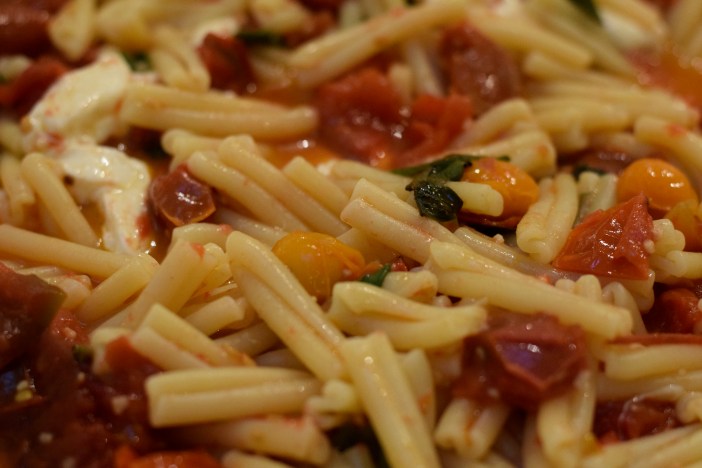
Fresh Marinara Sauce with Pasta and Mozzarella Yummy for a quick evening dinner. You could add cooked chicken for protein if desired.

Spiralized Zucchini with Fresh Marinara Sauce I’ve taught this recipe to a few different groups and each time half the people present ordered spiralizers before they left the room.

Check out other family-favorite Italian pasta dishes here.

Never buy a bottle of salad dressing again! Keep a bottle of this 4-ingredient vinaigrette in the cupboard. Use it for salads and marinades: @judyschickens Everyday Salad Dressing

One of the most popular recipes on the blog developed by me after our trip to Croatia: “Croatian Cheese” a Flavorful and Exotic Appetizer Made with Feta and Goat Cheese

Don’t miss a recipe! Become a subscriber and have every post delivered to your Inbox.

Follow Judy’s Chickens on Instagram and Pinterest @JudysChickens.

Remember to always check this website for updated versions of a recipe.  

© 2014-2018 Judy Wright. All rights reserved. Photos, videos, and text may only be reproduced with the written consent of Judy Wright.

Labor Day Weekend Food

We often have a crowd around the dinner table for the three holiday weekends of summer because we have a house on the lake and we enjoy keeping it filled with family and friends. I’ve put together a list of my favorite, A.K.A. easily prepped or cooked ahead of time, recipes to serve at mealtimes.  I’m a big believer in delegating so everyone can participate and have an enjoyable weekend. My blog makes it especially easy for my family to find our special recipes.

 A Few Appetizers

Crunchy Roasted Tamari Almonds
I keep these almonds in my kitchen year-round. They are just salty, tangy, and crunchy enough to be my go-to snack. The almonds are roasted with gluten-free tamari sauce.

“Croatian Cheese” a Flavorful and Exotic Appetizer Made with Feta and Goat Cheese
This is a favorite for both family and friends. My son’s friend, Grant, makes this whenever he has a party in NYC and often sends me a photo of his guests eating it. It is delicious served on sliced baguettes.
dsc_0398 2.jpg

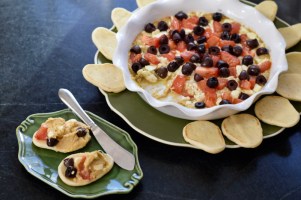
A Quick and Easy Baked Hummus and Feta Appetizer
This requires baking, but it is one of those appetizers you can bring to someone’s house with the ingredients still in a shopping bag, arrange the ingredients in a pie plate, and then bake when needed. It will become a grazing station.

Breakfast Options

The Biscuit King
My husband makes these biscuits whenever the family is in town. We serve them with homemade jellies and sorghum.

50 Ways to Make a Frittata
This is always a good breakfast food to make the last morning you are together because you can add almost any leftovers to the egg mixture, bake it, and call it a meal. The egg to milk to cheese ratio remains the same no matter what you add.

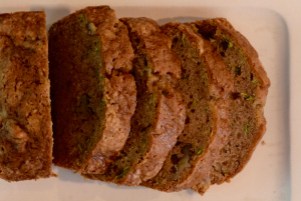
Ellen’s Most Moist Zucchini Bread
This is the moistest summertime quickbread I’ve ever made. We love it. One can throw a few chocolate chips into if one is so inclined.

Homemade Artisan Bread the Easy Way
The dough for these boules of bread can be made up to two weeks ahead of time and stored in the refrigerator until you are ready to shape and bake them. The bread is wonderful with butter or the Croatian Cheese spread on it.

Other breakfast options: eggs, bacon, sliced avocados, and fruit

Lunch Options

The Classic Pimiento Cheese Sandwich
I never had pimiento cheese until I moved South. Now I love it. I’ve served it as a sandwich for lunch or used it as a spread on crackers for an appetizer.

My Favorite Gazpacho
I’ve been making this recipe for over twenty years. What makes this gazpacho extra delicious is the addition of garlic-seasoned homemade breadcrumbs. The gazpacho is the most time and ingredient intensive recipe on this list; I only make it when I am highly motivated to do a lot of chopping and when summer vegetables are at their peak.

Other easy lunch option: pork barbecue with rolls, cole slaw, and pickles

Dinner Options

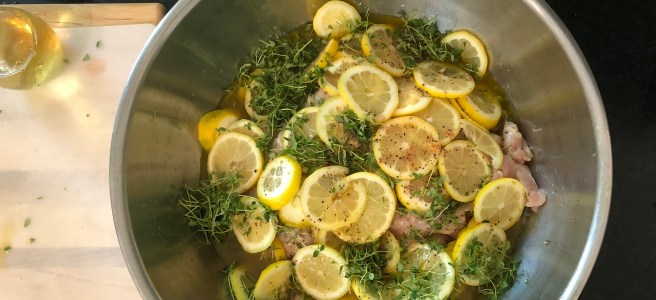
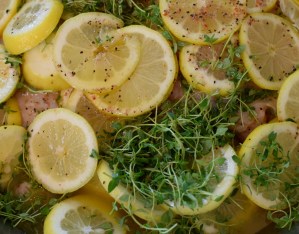
Lemony Grilled Chicken Breasts
This is my go-to recipe for moist, grilled chicken. The breasts only take ten minutes to grill because you pound them to a flat, uniform thickness before marinating.
DSC_1143

Rachelle’s Italian Sausage, Onions, and Peppers
When I have a houseful, I’ll often make this for dinner on one of the nights. I use Premio Italian sweet sausages from Costco. They are equally good grilled, sautéed, or simmered in sauce.

Meera’s Arugula, Feta, Cherry, and Toasted Almond Salad
My friend, Meera, brought this to a potluck dinner at the lake once. All of the ingredients were in a Trader Joe’s shopping bag. She fixed the salad for dinner, and the next day, I had her recipe up on the blog! I love it. I eat variations of it almost every day for lunch.

String Bean Salad
My mother taught me how to blanch vegetables when I was in high school. I’ve been doing it ever since. The only vegetables I routinely blanch nowadays are string beans, broccoli and cauliflower. I roast most of the others.

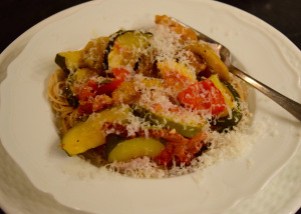
Roasted Ratatouille
I roast zucchini, eggplant, onions, and tomatoes together when I have a glut of them in my summer “Italian” garden. The vegetables require lots of chopping, but roasted veggies are delicious and I usually have a lot of helpers in the kitchen. Sometimes, I serve the ratatouille over pasta.

@judyschickens Everyday Salad Dressing
I keep a bottle of this homemade four-ingredient salad dressing in my cupboard 24/7. I use it in many of the recipes mentioned above, either in salads or as a marinade.

Other options: Roasted white and sweet potatoes, corn on the cob, and sliced tomatoes

Sweets

Italian Sesame Seed Cookies
Last Christmas, I made these when I had lots of kids in the house. When I got up the next morning, the cookie container was empty. Now, that’s a good cookie. They are barely sweet, but between the butter and eggs and the nutty flavor of the toasted sesame seeds, the cookie is exquisite.

Very Berry Clafoutis
This is an easy dessert to make. There is no pie crust, just eggs, milk, flour, some sugar, and whatever ripe fruit is in season. It tastes great for breakfast, too. I cook it in a pie plate, but you could cook it in a cast iron pan just as easily.

Bon appetit!. Have a nice weekend.

Don’t miss a recipe! Become a subscriber and have every post delivered to your Inbox.

Follow Judy’s Chickens on Instagram and Pinterest @JudysChickens.

Remember to always check this website for updated versions of a recipe.  

© 2014-2018 Judy Wright. All rights reserved. Photos, videos, and text may only be reproduced with the written consent of Judy Wright.