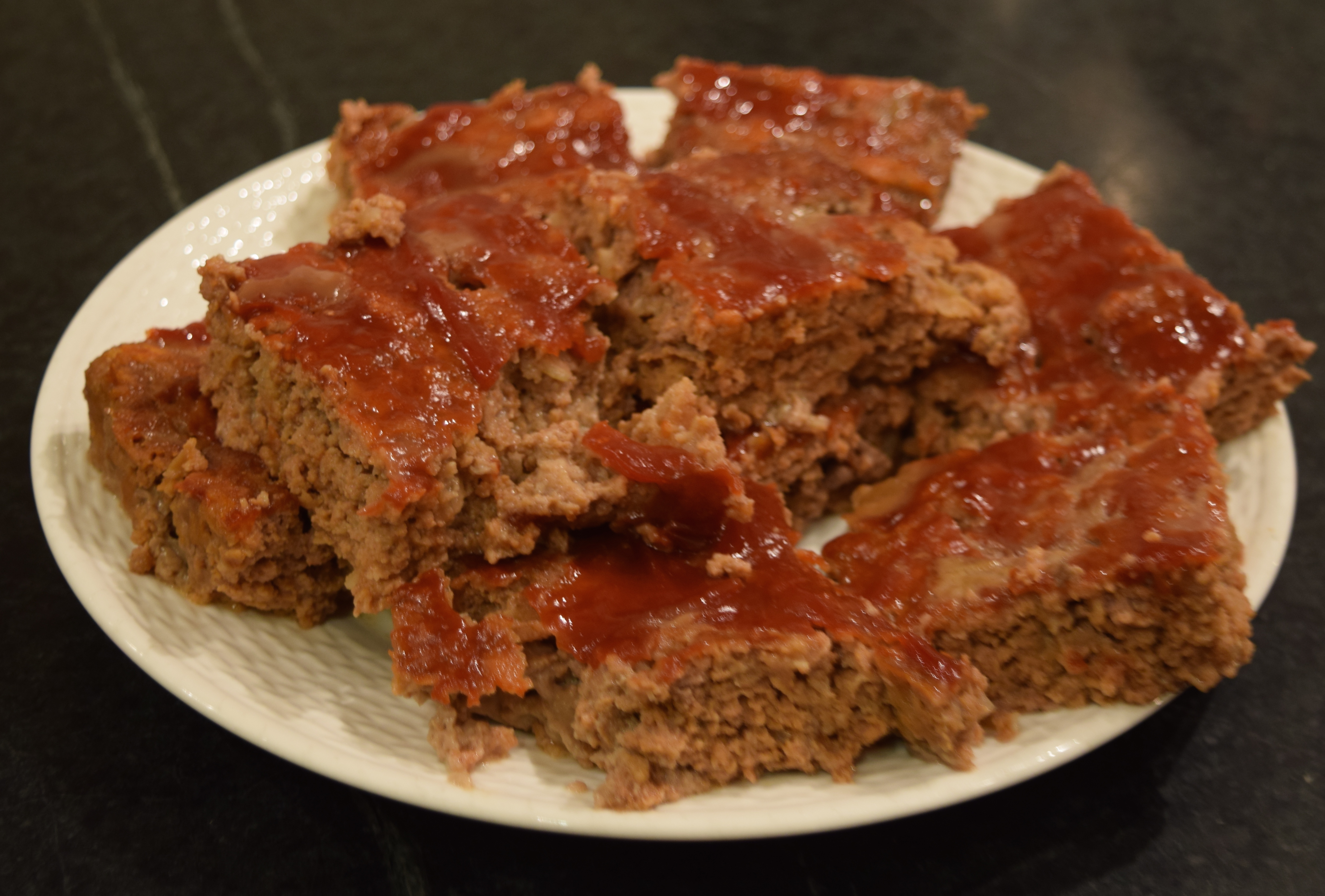
Judy’s Mom’s Meatloaf

For years, every time my mother made meatloaf, her favorite comfort food, I would stand by her side and write down each step she took to make it.

The problem for this recipe writer was she made it differently every time. Like for many experienced home cooks, Mom would grab various amounts of ketchup, mustard, eggs, and meat from the fridge, random amounts of stale bread from the bread bowl, a package of Lipton Onion Soup Mix and a heaping tablespoon of brown sugar from the cupboard. She would mix the ingredients together, add liquid until it felt right, and bake it for an hour in the oven. It consistently came out moist and delicious.

She used a package of soup mix for her seasoning because she needed a reliable way to know the salt and spice amounts were correct without taste-testing it beforehand. The brown sugar balanced out the spiciness from the mustards.

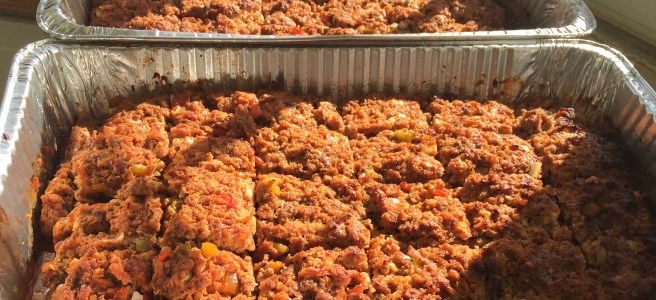
Many years later, when I started cooking dinner at The Nashville Food Project, I reworked the recipe to feed 50 people. That number grew to 100, and then to 150. You can find the scaled-up recipe by clicking on this link: Cook for a Crowd.

meatloaf tnfp

When we make meatloaf at The Nashville Food Project, we figure 25 servings per hotel pan. For 100 servings we portion out 24 pounds of meat and 24 cups of breadcrumbs between four pans and then add the rest of the ingredients.
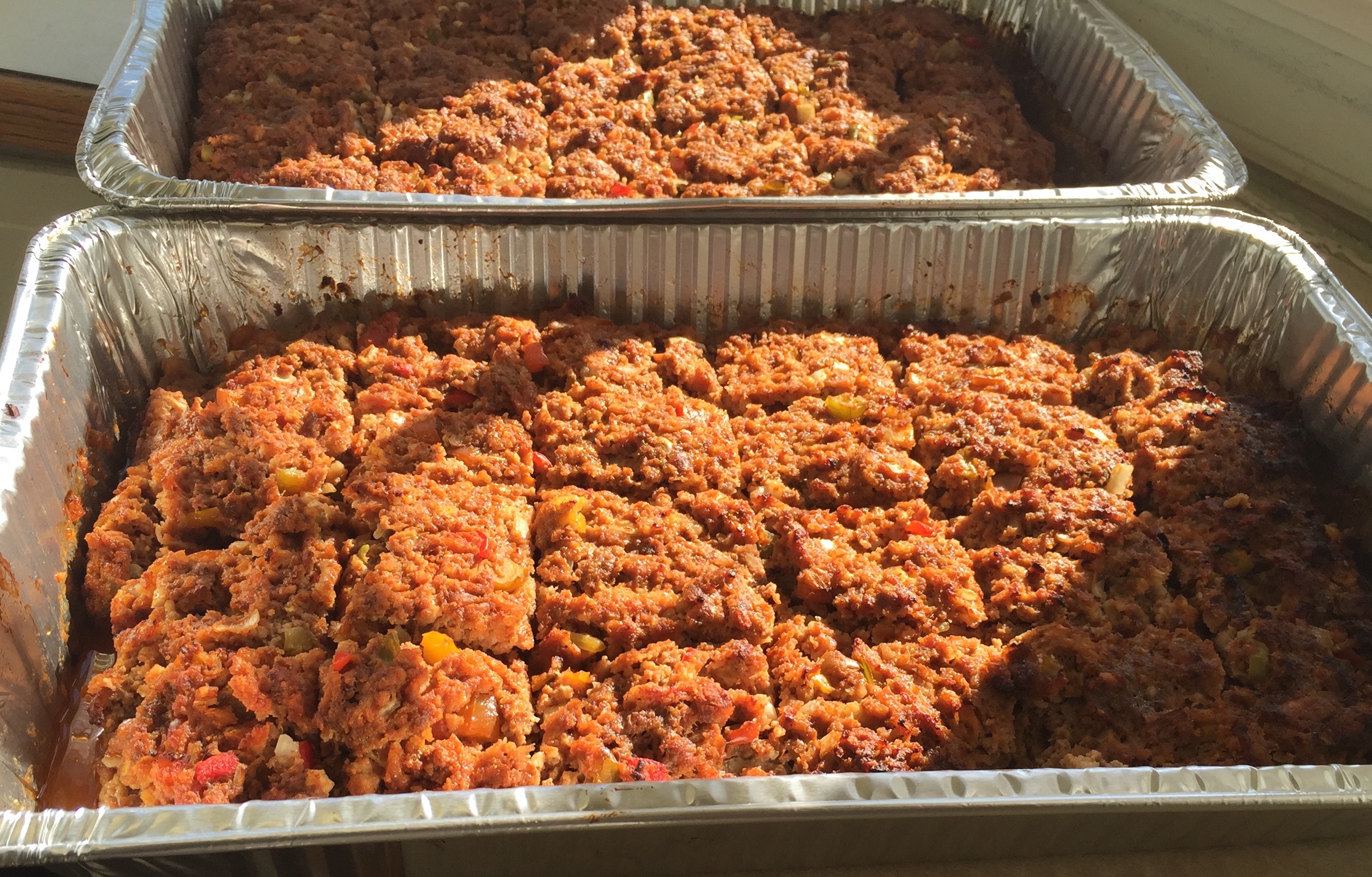
IMG_2264

A few words about ingredients…

“Meatloaf Mix” is a pre-packaged mixture of beef, veal, and pork. I use it to make meatballs, too. For the moistest meatloaf, be sure to use meat that has 15% fat, any leaner will cause meatloaf to be dry. The meatloaf mix I use comes from Doris’s Italian Meat and Bakery in Florida

I use a range of 2-3 pounds of meat without changing the other amounts of ingredients in this recipe. I always use 1 egg per pound of meat, so if the package of meat weighs over 2.5 pounds, I would go up to 3 large eggs.

To make bread cubes or crumbs
Cut a stack of five slices of bread into small cubes to yield 2 cups of bread. Or, make breadcrumbs by pulsing stale bread in the food processor. Freeze extras to use later.

DSC_0861 DSC_0867

Yield: 8 servings (¼ pound per serving)

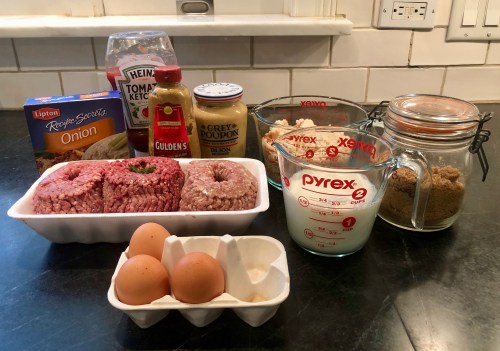
Ingredients:
2-3 pounds ground sirloin. If you can find it, use a Meatloaf Mix,
2 cups cubed bread (from about 5-6 slices)
2 large eggs (or 1 egg per pound of meat)
¾ cup milk or water
1 envelope onion soup mix
¾ cup ketchup
2 tablespoons mustard (try Dijon or spicy brown)
2 tablespoons brown sugar
Instructions:
Preheat oven to 350º.

Mix eggs, milk, soup mix, ketchup, mustard, and brown sugar in a large mixing bowl.

meatloaf

Add meat and bread crumbs and mix slowly for about 15 seconds. I use a mixer because I don’t like to get my hands greasy from the cold meat.

meatloaf

The less you handle meat, the more tender your meatloaf will be. It should look like this when it is sufficiently mixed.

meatloaf

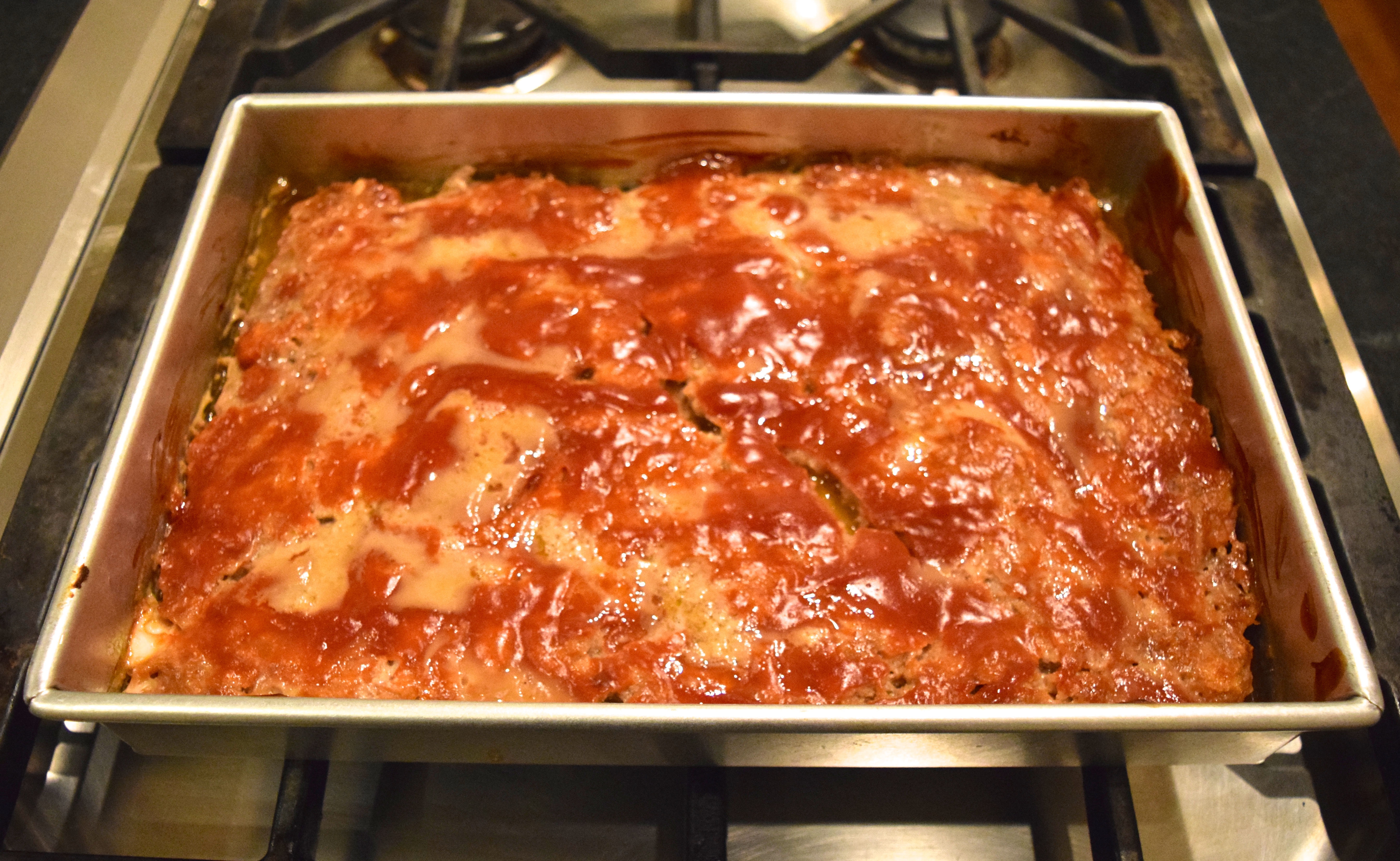
If using 2 pounds of meat, cook in a large loaf pan or an 8-inch square pan. If using 3 pounds, place in a larger pan. Top lightly with ketchup. [I skip this step now.] Bake at 350º for 50-60 minutes.
meatloaf

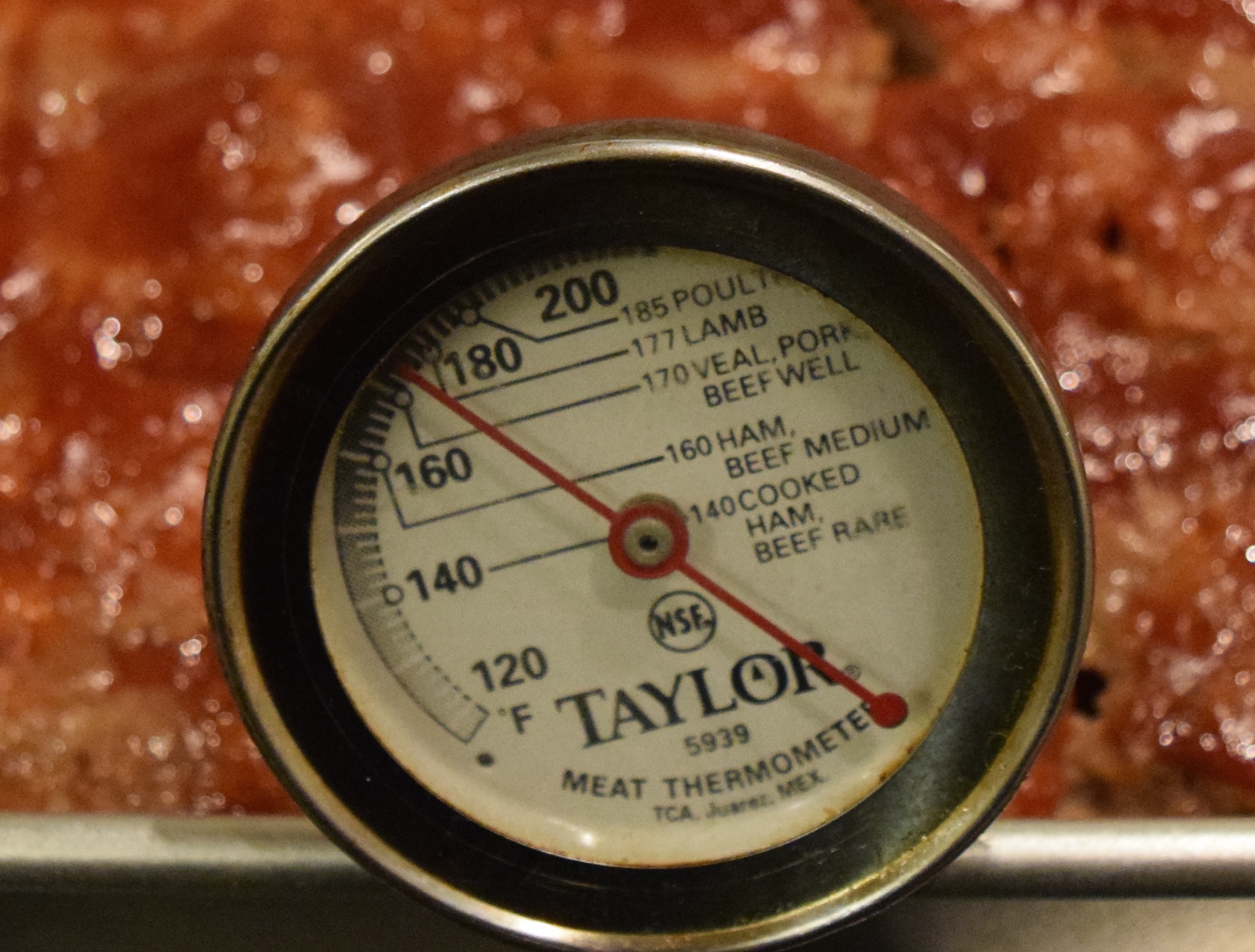
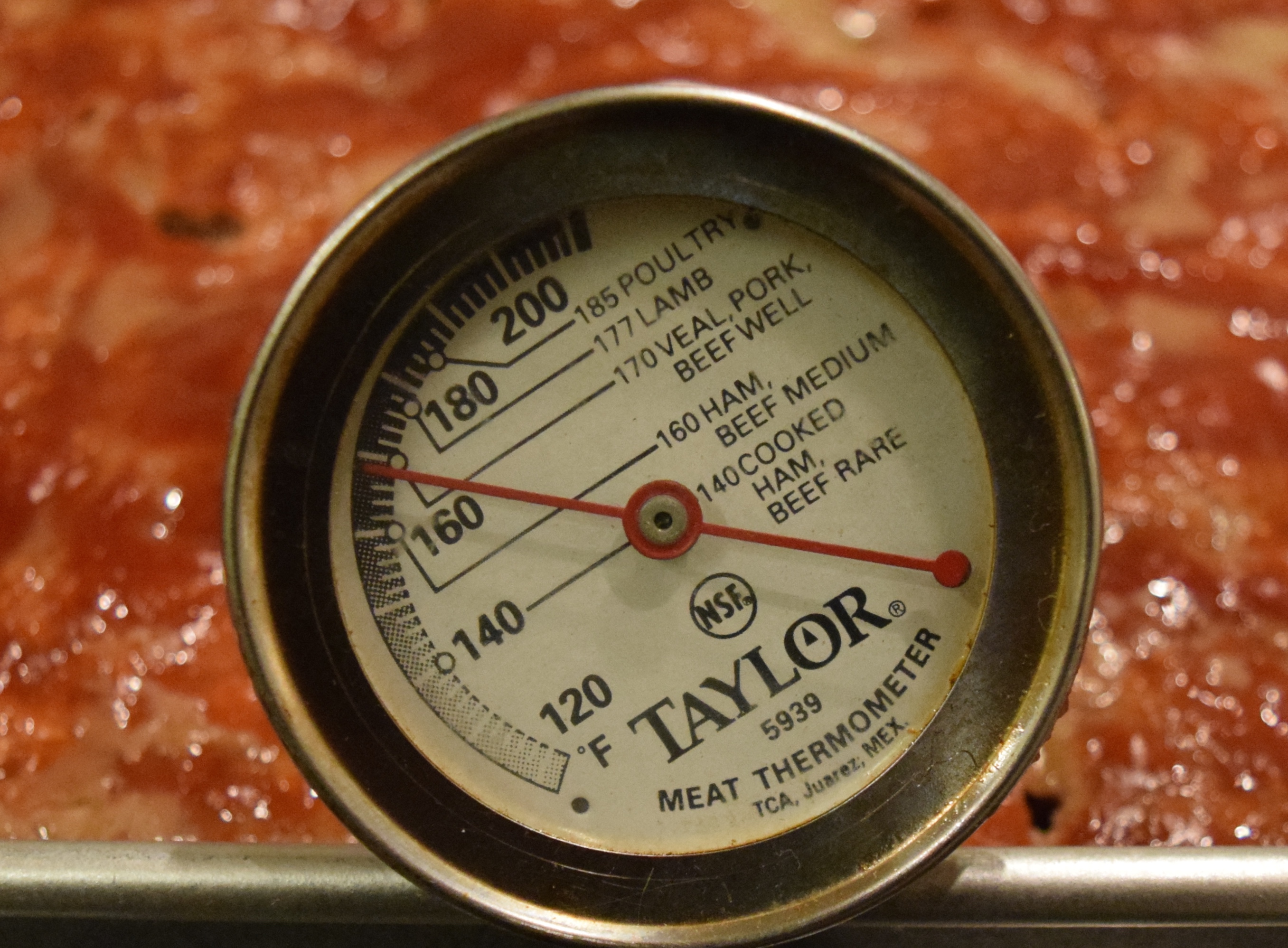
The USDA recommends all ground beef, lamb, pork, and veal mixtures be cooked to 160º, and ground turkey or chicken to 165º. For meatloaf, you can take the meat out of the oven when the meat thermometer says 155º and rely on carryover heat to finish cooking it.

Heat Transfer, aka “carryover heat”, aka “allow meat to rest” — what do all these terms mean?
While meat is cooking in an oven, the meat’s surface temperature is hotter than its interior temperature. When the meatloaf comes out of the oven, a meat thermometer showed an interior meat temperature of 168º. We can assume the meat’s surface temperature was the same as the oven’s, which was 350º. The room temperature was 70º. According to the laws of heat transfer, when meat is taken out of an oven, its surface heat (350º) has to go somewhere to equilibrate with the temperature of the atmosphere (70º). Some of that heat will go into the room, and the rest will transfer into the interior of the meat, causing its internal temperature to rise slightly. In this case, the temperature rose from 168º to 176º in five minutes. That was an eight-degree difference. Not too noticeable in meatloaf, but the difference between medium and rare in a resting steak.
meatloaf meatloaf

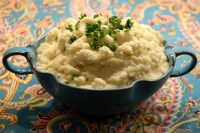
Yummy, traditional SIDES!!

If you are going to make a meatloaf, you are going to need some sides. These are kid-friendly.

Old-Fashioned Mashed Potatoes


Kids’ Favorite Sautéed Carrots


Roasted and Mashed Cauliflower


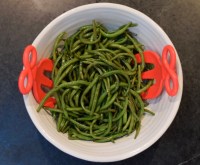
Blanched String Beans with Vinaigrette
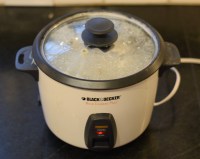


Perfect Rice Every Time!


Roasted Rosemary Sweet Potatoes


More comfort food:
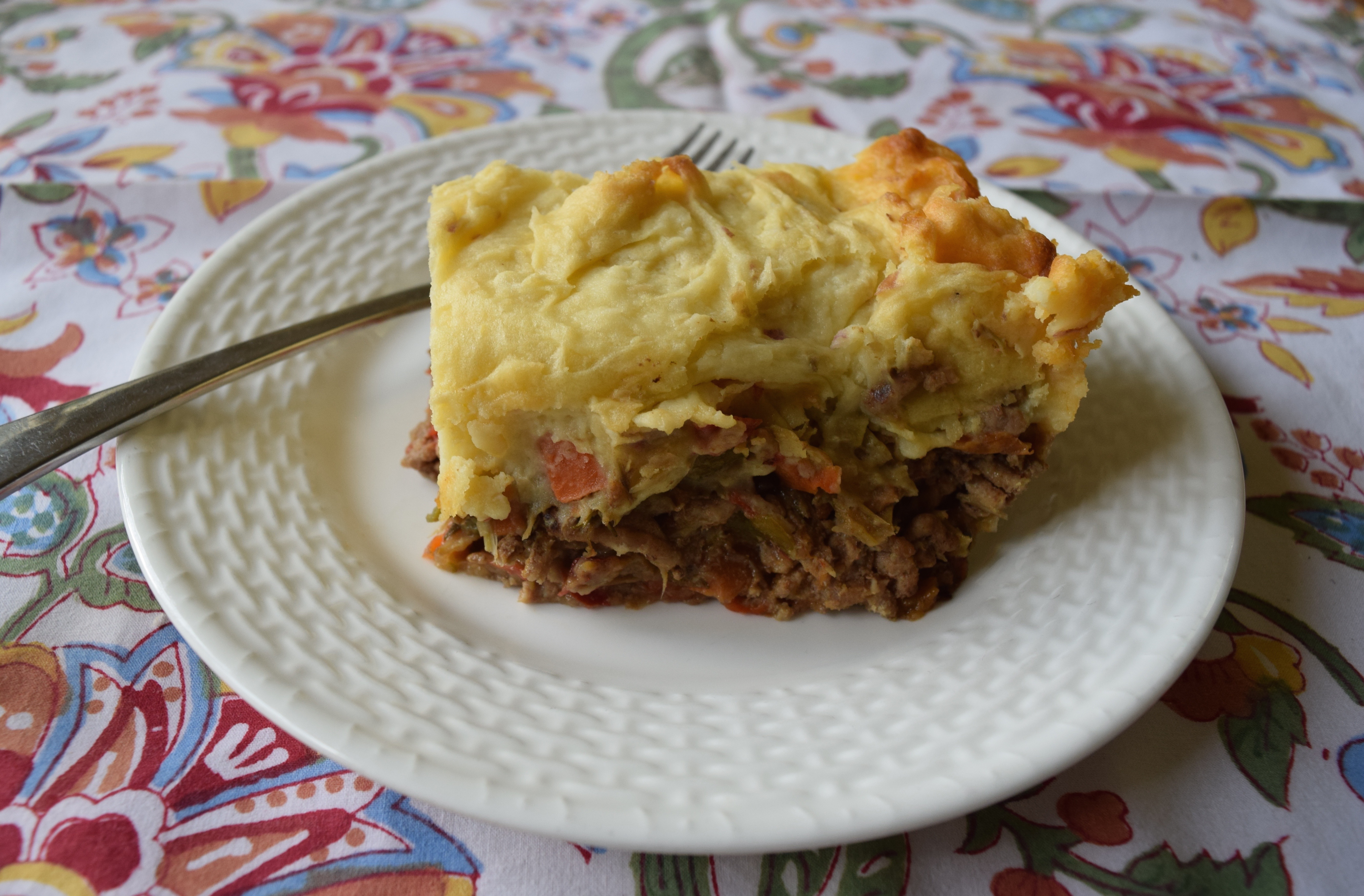
Yummy Shepherd’s Pie
Sheet Pan Supper: Chicken, Artichoke, and Lemon
Sheet Pan Supper: Italian Sausage, Peppers, Onions, and Potatoes
50 Ways to Make a Frittata
Fresh Marinara Sauce with Pasta and Mozzarella

If you enjoyed this post, please share and become a follower. When signing up to become a subscriber, be sure to confirm on the follow-up letter that will be sent to your email.

Follow Judy’s Chickens on Instagram and Pinterest @JudysChickens.

Always check my blog for the latest version of a recipe.

© 2014-2020 Judy Wright. All rights reserved. Photos, videos, and text may only be reproduced with the written consent of Judy Wright.

Yummy Shepherd’s Pie

Shepherd’s Pie (made with lamb) and Cottage Pie (made with beef) are meat and vegetable casseroles topped with mashed potato crusts. Cookbooks from the early 1800s show these pies were common fare in the U.K. and Irish countryside long ago.

DSC_0102

It was also a staple of my diet while growing up in the 70s. What could be easier for a young working mother than sautéing onions and ground beef, adding a few packages of perfectly-shaped frozen vegetables, and topping the whole thing off with a layer of instant mashed potatoes? Mom cooked her pie in a round, white, Corningware dish. The interior of the pie looked very similar to this one from Betty Crocker.

b92ffb7b-7998-47a3-a26b-97c3e161a60e

A few months ago, our team of volunteer chefs at The Nashville Food Project was tasked with making shepherd’s pie for 150. It was not Betty Crocker’s version. Noooo. This version included just-picked onions, carrots, chard ribs (instead of celery), garlic, and herbs — all vegetables found in the summer kitchen garden. The pies turned out so well I started making them for my family using whatever vegetables were growing in the garden.

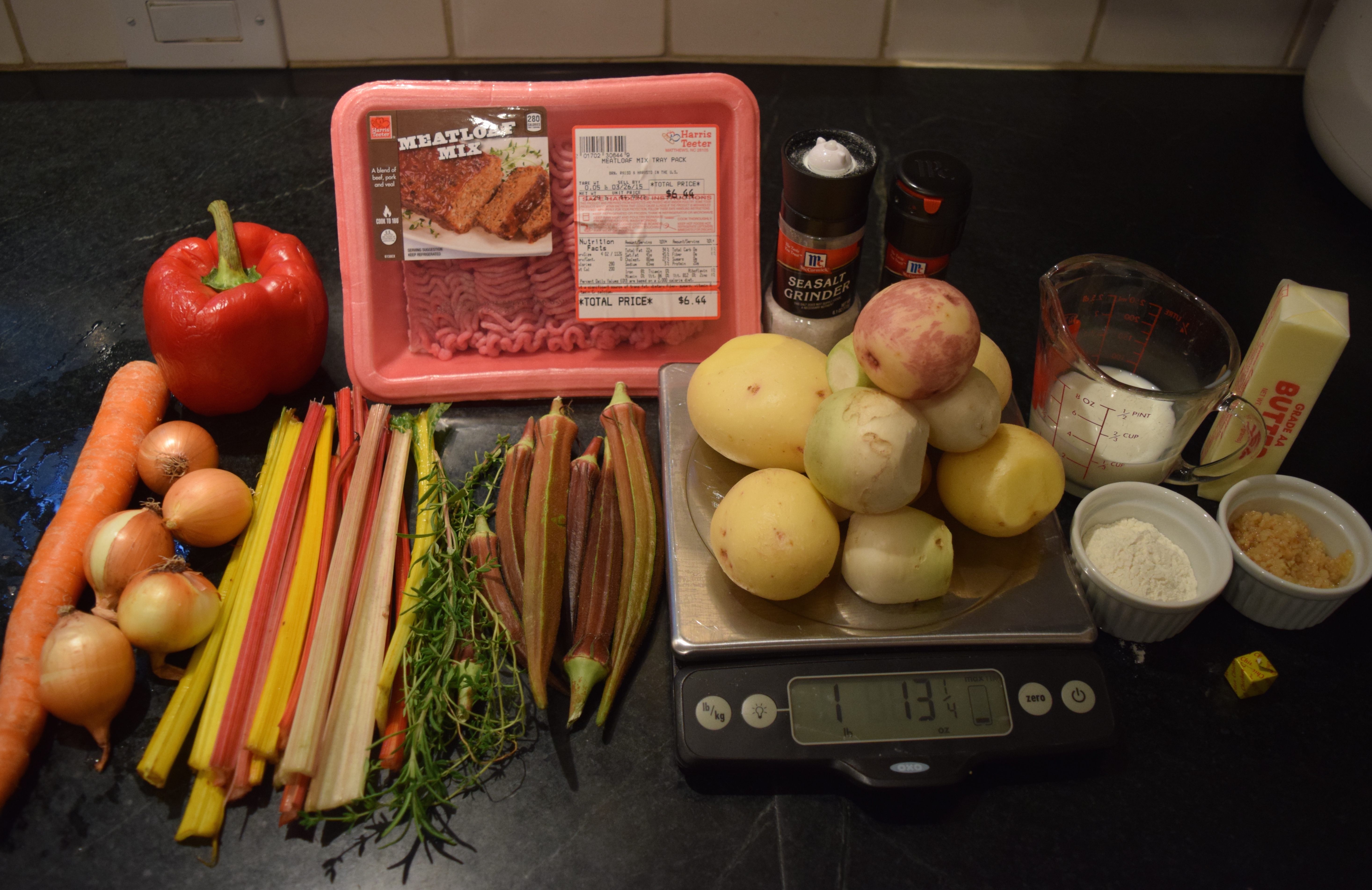
A word about ingredients: as long as you use onions and garlic as your base, you can add any vegetables from the garden, CSA box, or fridge. I added okra this time, and it was delicious. I have also been known to throw in a lone zucchini, eggplant, beet, or radishes from the fridge. They all work. Sometimes, I add turnips to the mashed potatoes; that works, too.

Ingredients:
Yield: serves 4-5

DSC_0458

Mashed  Potato Topping:
1¾ pounds potatoes, scrubbed and unpeeled (I used some turnips, too)
2 tablespoons butter
¼ cup milk
1 teaspoon salt

Vegetable Filling:
¼ cup olive oil
1 medium onion
1 large carrot, scrubbed
2 large stalks of celery, or 6-8 thin ribs of chard
6 okra pods (optional)
1 sweet red pepper, cored and seeded
2 tablespoons minced garlic
salt and pepper, to taste

Meat Filling:
1⅓ pounds of ground meat: beef, pork, veal, lamb, or venison
salt and pepper, to taste
1 tablespoon minced garlic
1 long sprig rosemary, leaves snipped and chopped
4 sprigs thyme, leaves snipped
5 sprigs parsley, leaves snipped and chopped

Instructions:
Preheat oven to 350º.
One 9-inch square or round pan or ceramic casserole dish.

Cook potatoes for the mashed potato topping:
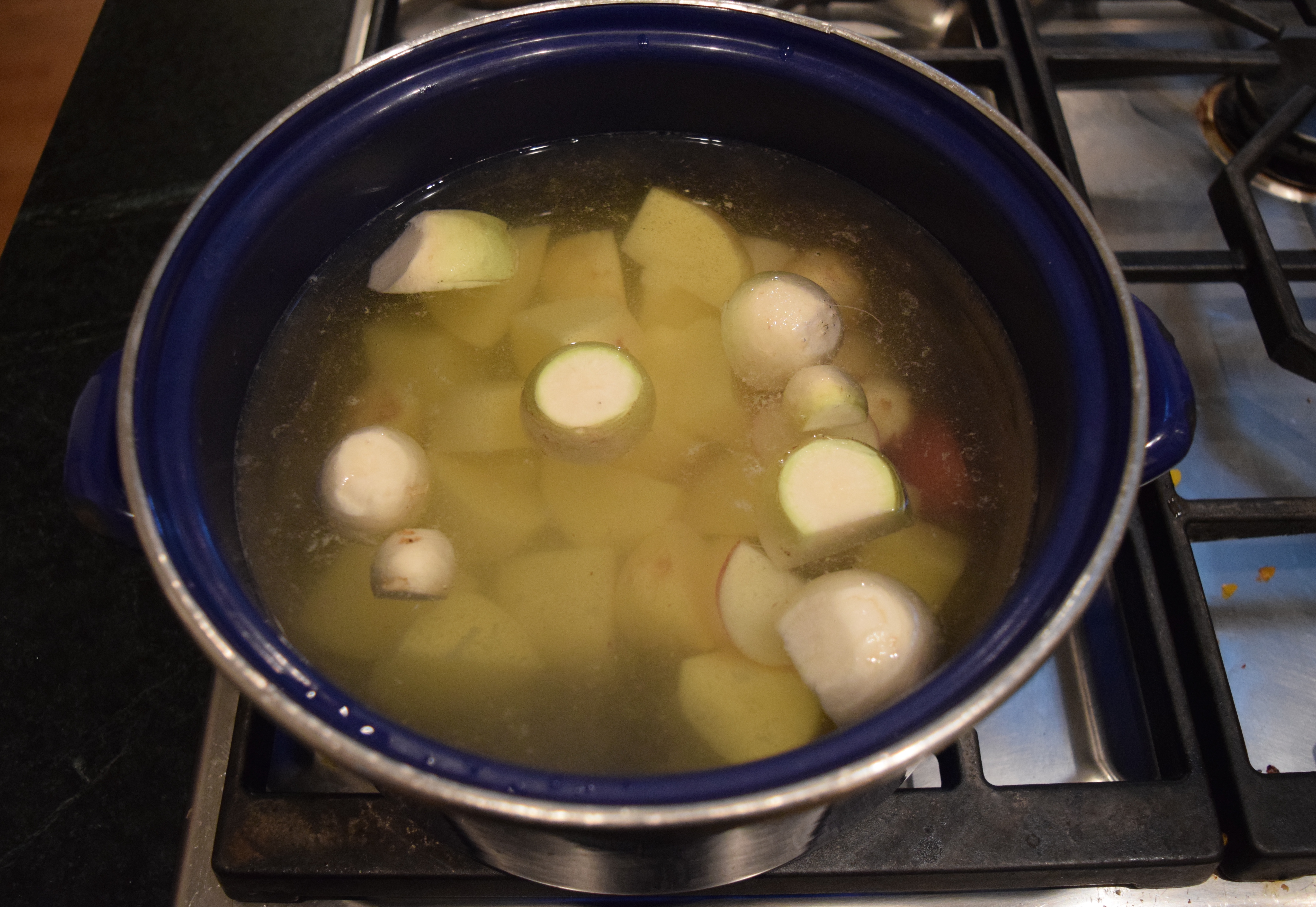
Scrub potatoes, chop into 2-inch chunks.  Add to a pot of cold water. Bring to a boil and simmer for 10-15 minutes. Insert a fork into a potato to test for doneness. If the potato is too firm, cook 5 more minutes. Do not overcook; you do not want the potatoes to become waterlogged and break apart when you test them. If that happens, drain well and use and next time cook the potatoes for less time.

DSC_0459

Prep vegetables for the food processor:
-Onions: peel the outer skin and quarter.
-Carrots: scrub the skin and chop into 3-inch chunks.
-Sweet Red Pepper: remove the stem, core, and seeds, and chop into 3-inch chunks.
-Celery or chard ribs: I didn’t have celery, so I picked rainbow chard from my vegetable garden. To prep the ribs, chop off leaves and cut stalks into 4-inch segments. (Save the leaves for something else.)
DSC_0460

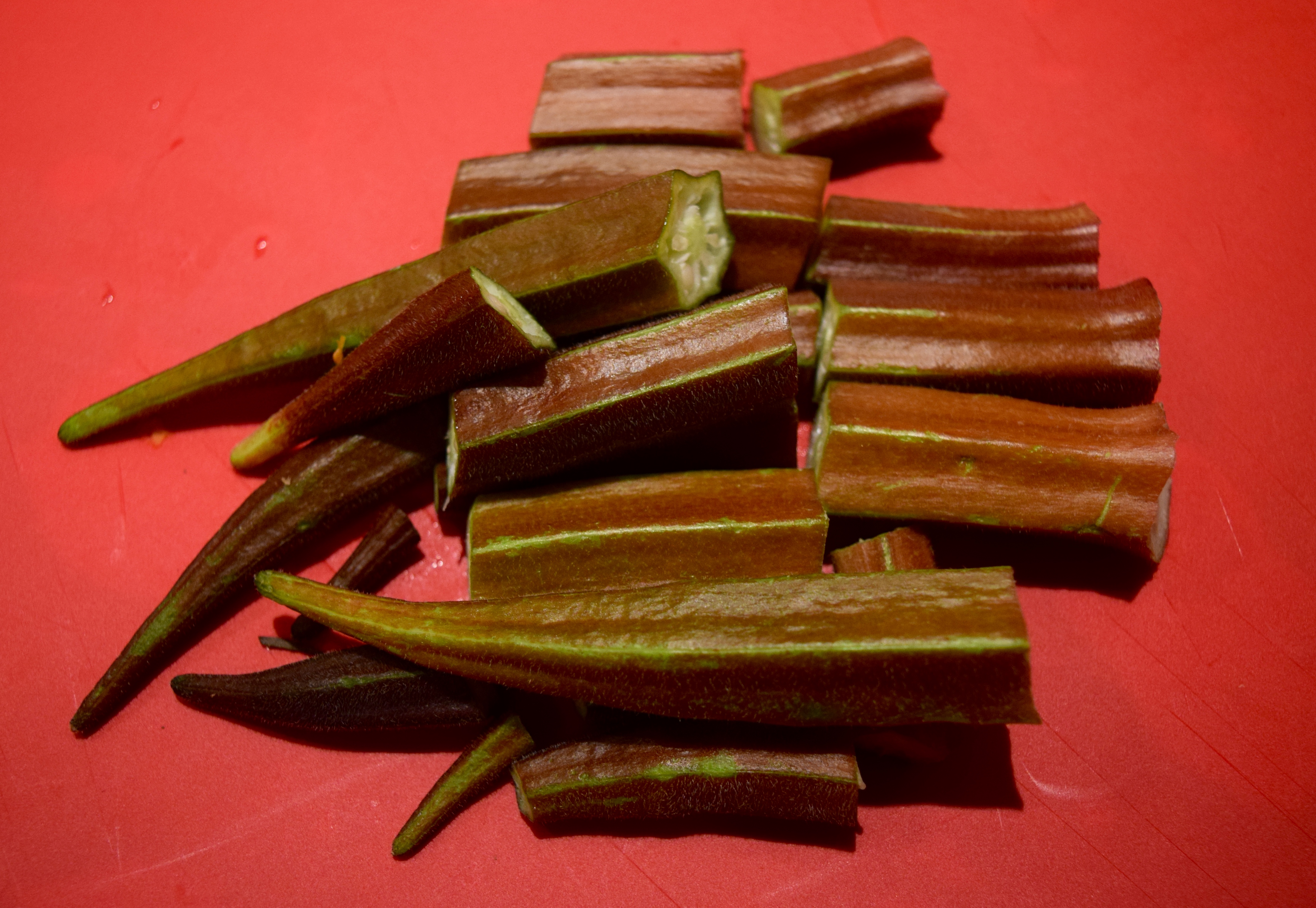
Okra: I’m growing a gorgeous red variety of okra. Red okra’s long pods are generally tender enough to eat, unlike green okra where a long pod is too fibrous to cook. To prep okra: cut off the stem and chop into 3-inch segments.
DSC_0001

Process the vegetables:
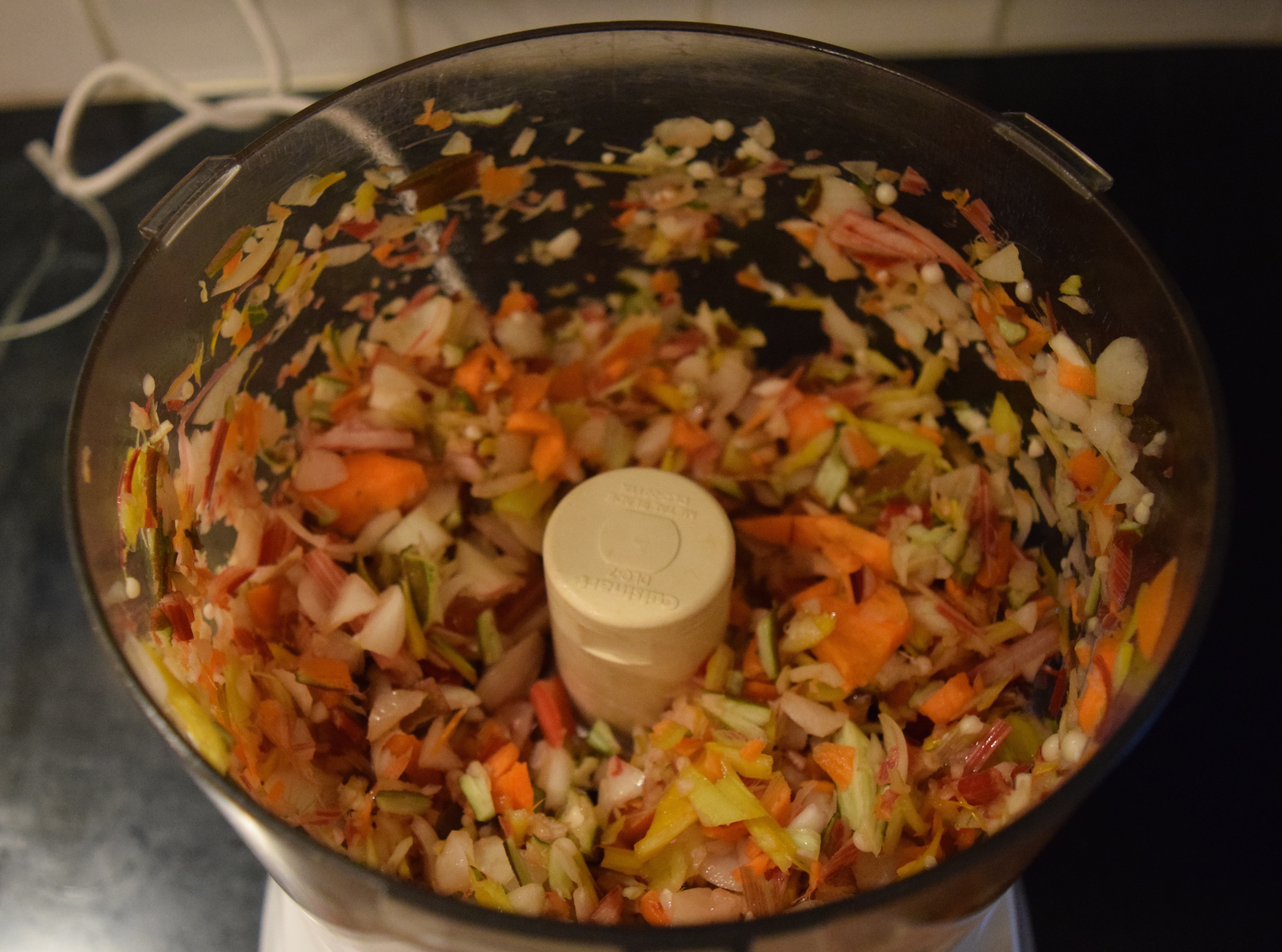
Take all the vegetables, except the herbs, and pulse in a food processor.

DSC_0002  DSC_0003

Sauté vegetables and meat:
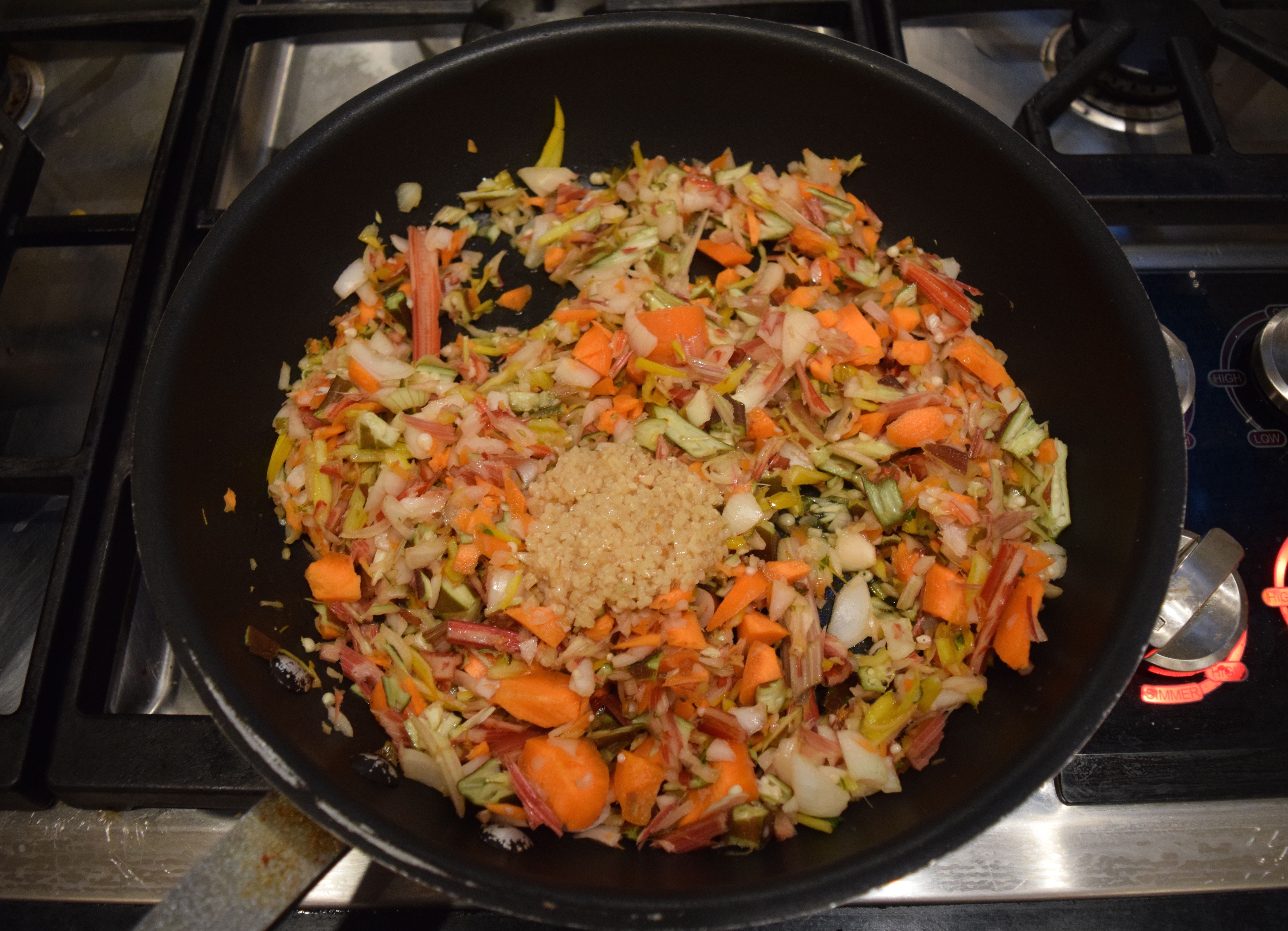
Add olive oil to a 12-inch sauté pan. Add chopped vegetables, garlic, salt, and pepper. Sauté on medium heat for 10 minutes until vegetables become translucent. Do not brown. Set aside.

DSC_0005

In another pan, add ground meat, garlic, salt, pepper, and herbs. Sauté for 5-10 minutes until meat is cooked but not browned. Drain fat.

To make the mashed potato topping:
While the meat filling is cooking, test the potatoes. If tender, remove from heat and drain in a colander reserving about ½ cup of the potato water. Since the food processor is already dirty, I purée my mashed potatoes in it.  Add hot potatoes, milk, butter, and salt to the food processor bowl. Process just until blended. If the mashed potatoes are too pasty, add the reserved potato water and pulse a little longer.

DSC_0011 DSC_0013

To assemble:
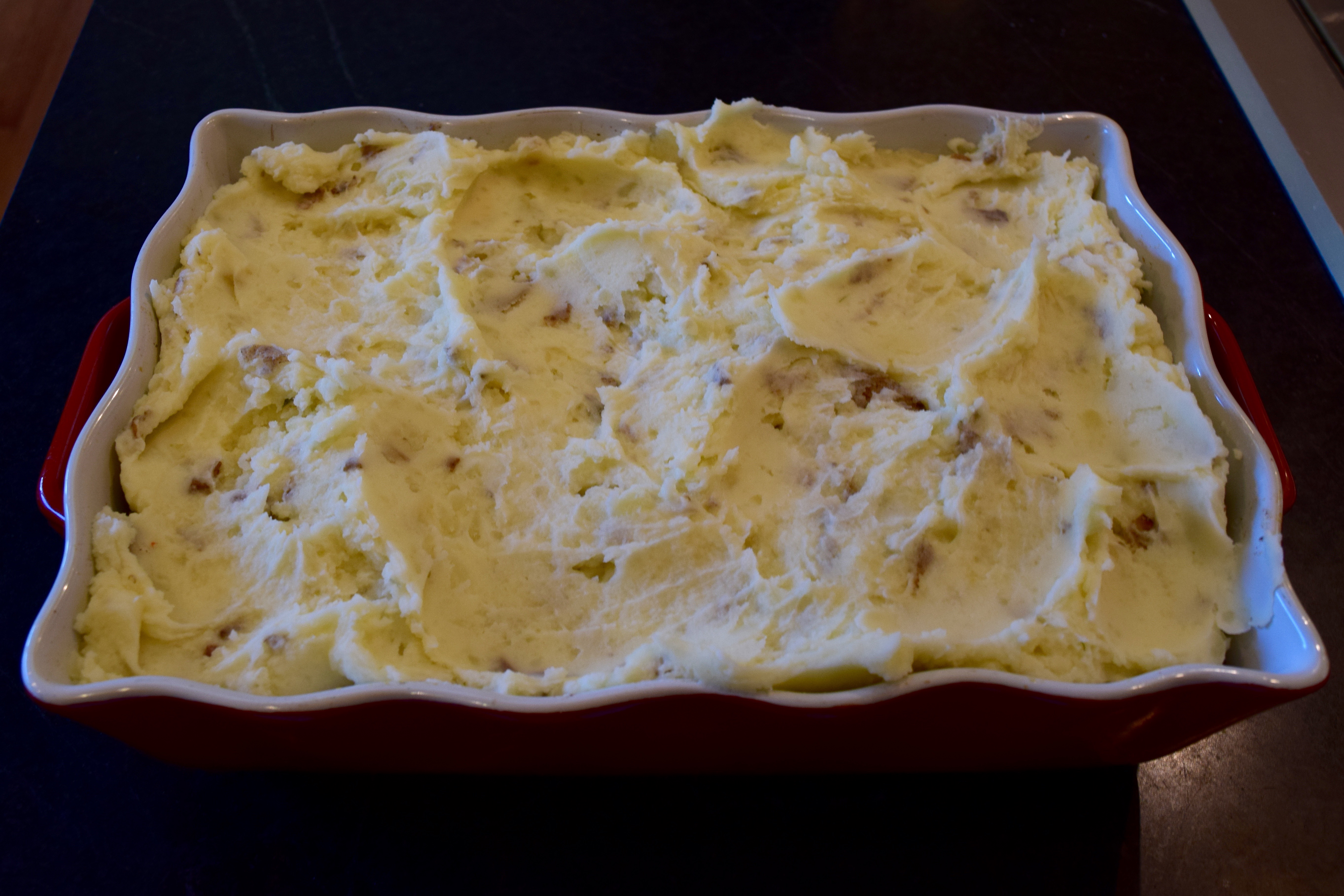
Pour vegetables and meat into a baking dish. Spread the mashed potatoes over the filling with a spatula.

DSC_0025  DSC_0029

Bake for 20-30 minutes. The pie is done when the peaks on the potatoes are lightly browned. In the two pictures below, you can see the difference between when I drained the fat and when I didn’t.  The browned edges around the pie on the right are from fat that bubbled up during baking. Ugh. To avoid that, drain the meat before adding the potatoes.

DSC_0887  DSC_0032

Make it Whole30
Eliminate butter and milk in the mashed potatoes. Substitute 2 tablespoons of olive oil for the butter. My friend Libba suggested substituting ¼ cup of chicken broth for the milk. The extra liquid helped fluff up the potatoes.

Make it for company: double the recipe (Serves 8-12)
We’ve been making this recipe a lot for big family dinners. Here is my husband managing all three pans on the stovetop: vegetables, meat, and potatoes. He was pretty proud of himself.

DSC_0079

Layer all the ingredients in a deep 9 x 13 lasagna pan.DSC_0081

New vegetables we’ve tried:
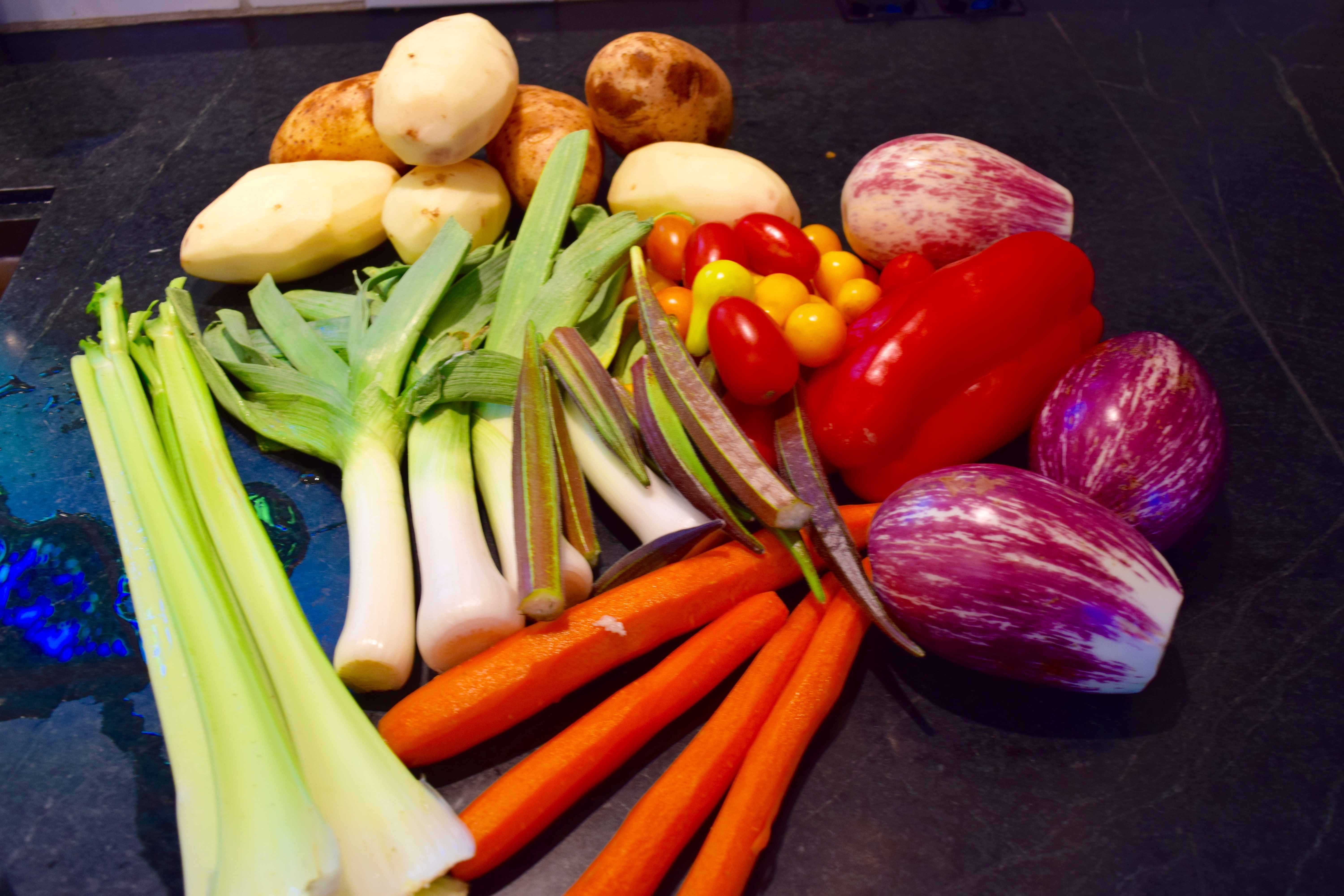
I’ve learned I can pretty much add any vegetable to the mix. This time, we used leeks, a small onion, unpeeled eggplants, an assortment of cherry tomatoes, a sweet red bell pepper, okra, celery, and carrots. In other words, everything in the vegetable drawer of the fridge.

DSC_0076 DSC_0078

Bonus: everyone was in the kitchen helping to prep the veggies. When that happens, I get verklempt.

More comfort food:
Judy’s Mom’s Meatloaf
Chicken Cacciatore, Pollo alla Cacciatora, or Hunter’s Chicken
50 Ways to Make a Frittata
Fresh Marinara Sauce with Pasta and Mozzarella

LET’S STAY CONNECTED!

Follow my photos of vegetables growing, backyard chickens hanging out, and dinner preparations on Instagram at JudysChickens.

Never miss a post: sign up to become a follower of the Blog.

© 2014-2020 Judy Wright. All rights reserved. Photos and text may only be used with written consent.

50 Ways to Make a Frittata

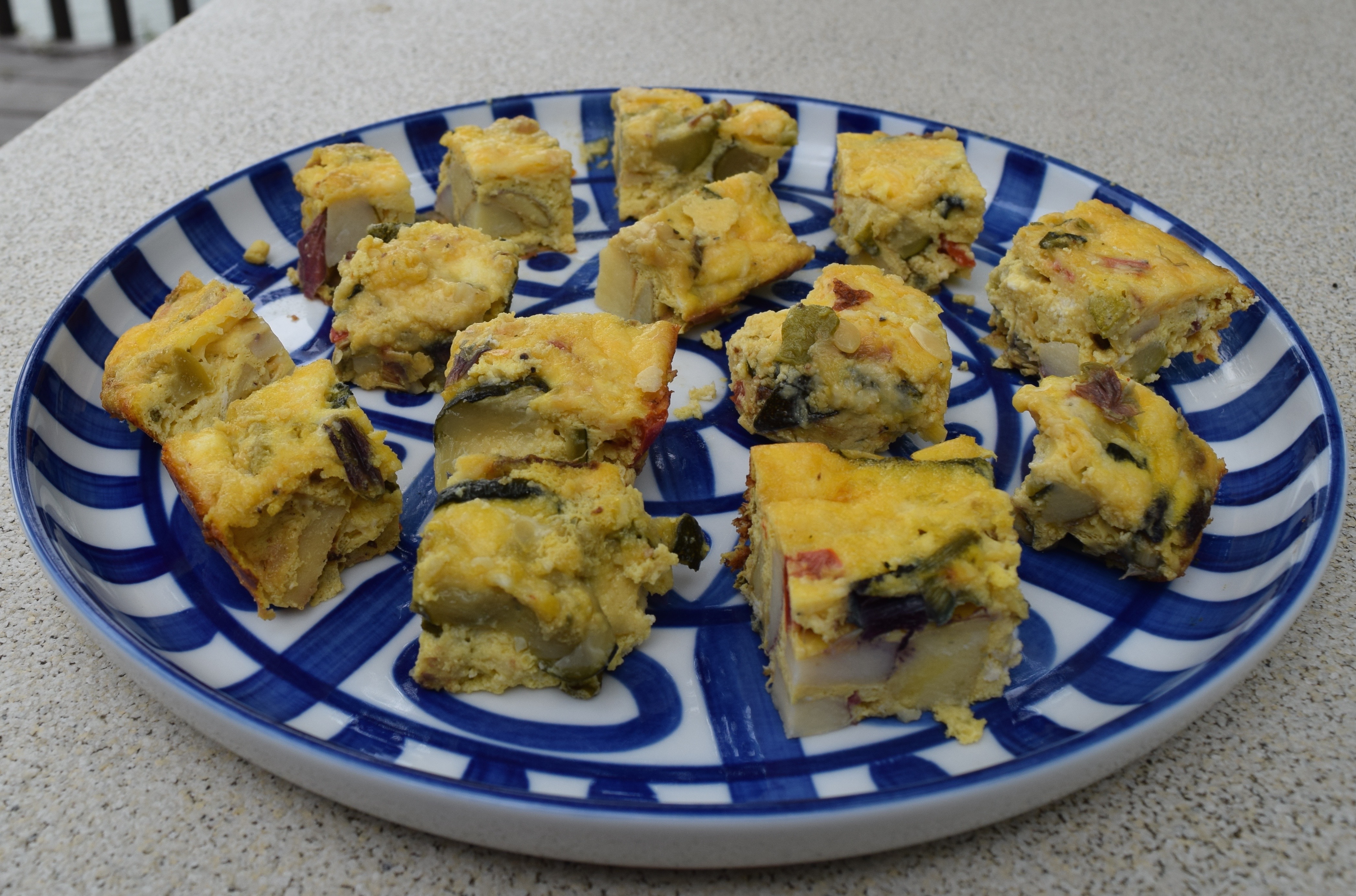
A few months ago, I was visiting Cleveland and took a cooking class at The Western Reserve School of Cooking. One of the dishes we made with owner and chef Catherine St. John was an oven-baked version of the classic Italian frittata. Frittatas can be served for any meal or as an appetizer. They are firm in texture and easily cut into squares when served at room temperature. They also provide a great way to use up leftovers.

DSC_0977

Chef Catherine taught us to sauté the vegetables, pour them into a baking dish, add the egg and cheese mixtures, and bake for 20 minutes.

DSC_0009

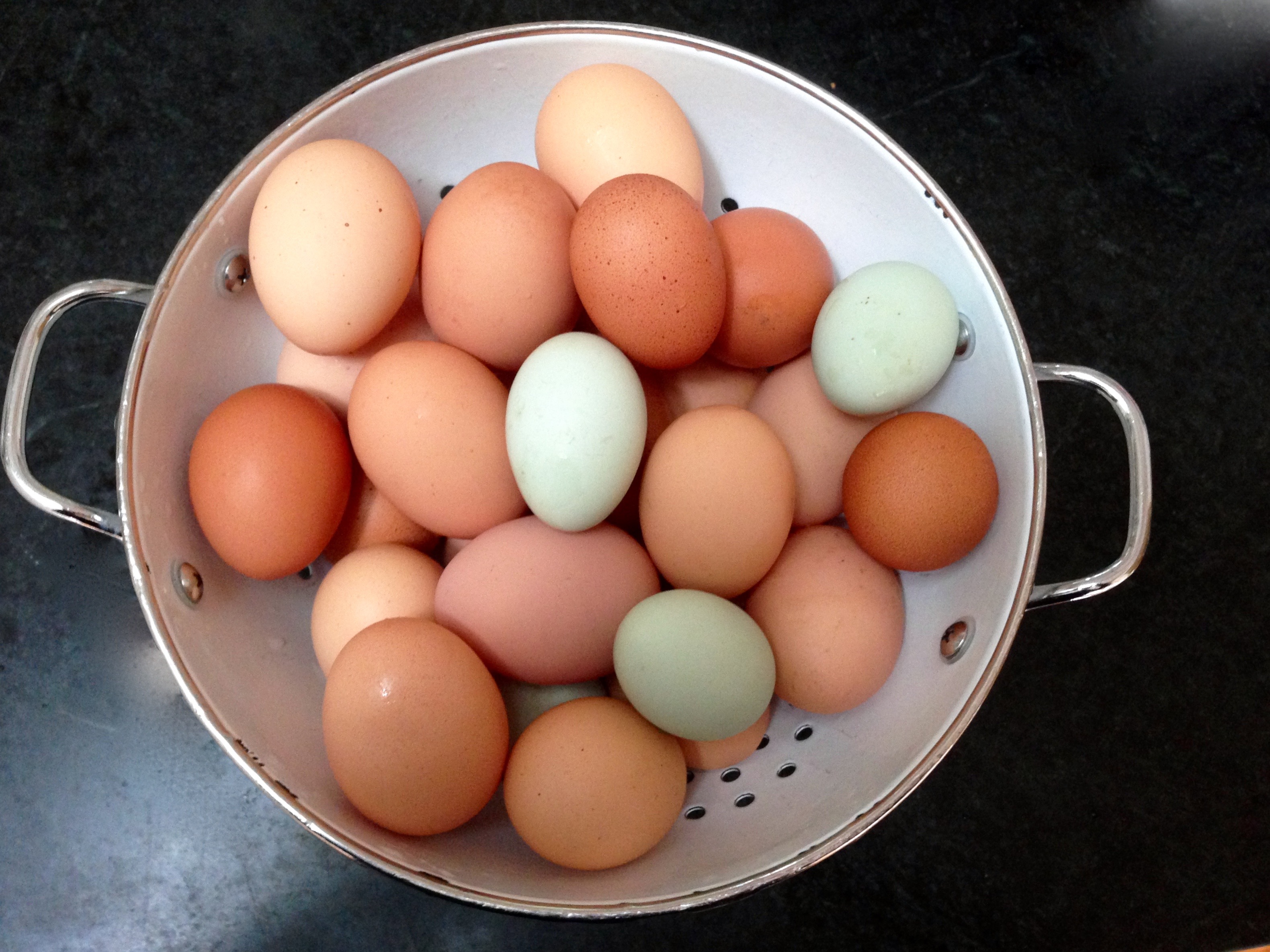
We have many eggs here at Judy’s Chickens, so we make this one-pot meal a lot!

IMG_8581

After making this meal a few times, I developed a foolproof formula for making the dairy mixture of the frittata: 12 large eggs, 1/2 cup whole milk, cream, or ricotta, 1 heaping cup of shredded cheese, and 1/4 cup of Parmesan. Pour this over any medley of cooked vegetables that loosely fills your lasagna pan to about the one-inch mark.

DSC_0747

Here’s a recipe to get you started.

Ingredients:

DSC_0723

The Egg and Cheese Mixture:
12 large eggs
½ cup ricotta, whole milk, or cream
1 tsp salt
½ teaspoon pepper
¼ cup grated Parmesan
1 heaping cup of any cheese, shredded

The Veggie Mixture:
4 cups potatoes (about 4 medium or 1½ pounds), diced or shredded
1½ cups green onions with tops, about 5 sliced
½ red bell pepper, about ½ cup, seeded and diced
1 heaping tablespoon of minced garlic (from the jar is fine)
2 cups cooked leftover vegetables such as zucchini, summer squash, broccoli, or cauliflower, OR any uncooked greens such as spinach, chard, or kale
⅓ cup extra virgin olive oil

Instructions:
Preheat oven to 350º

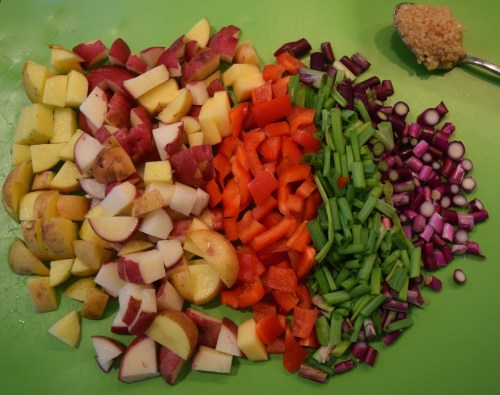
Chop all the fresh veggies. I used buttery Yukon and red potatoes, sweet red bell pepper, green onions with stalks, and minced garlic.

DSC_0730

Sauté garlic, onion, pepper, and potatoes in olive oil, on medium heat, in a 12-inch non-stick skillet for about 10 minutes or until the potatoes are tender but still firm.

DSC_0738

Stir in drained leftover cooked veggies and heat until warm. I used leftover roasted zucchini and summer squash with green onions and garlic. Spread vegetable medley evenly in a lasagna pan.DSC_0747

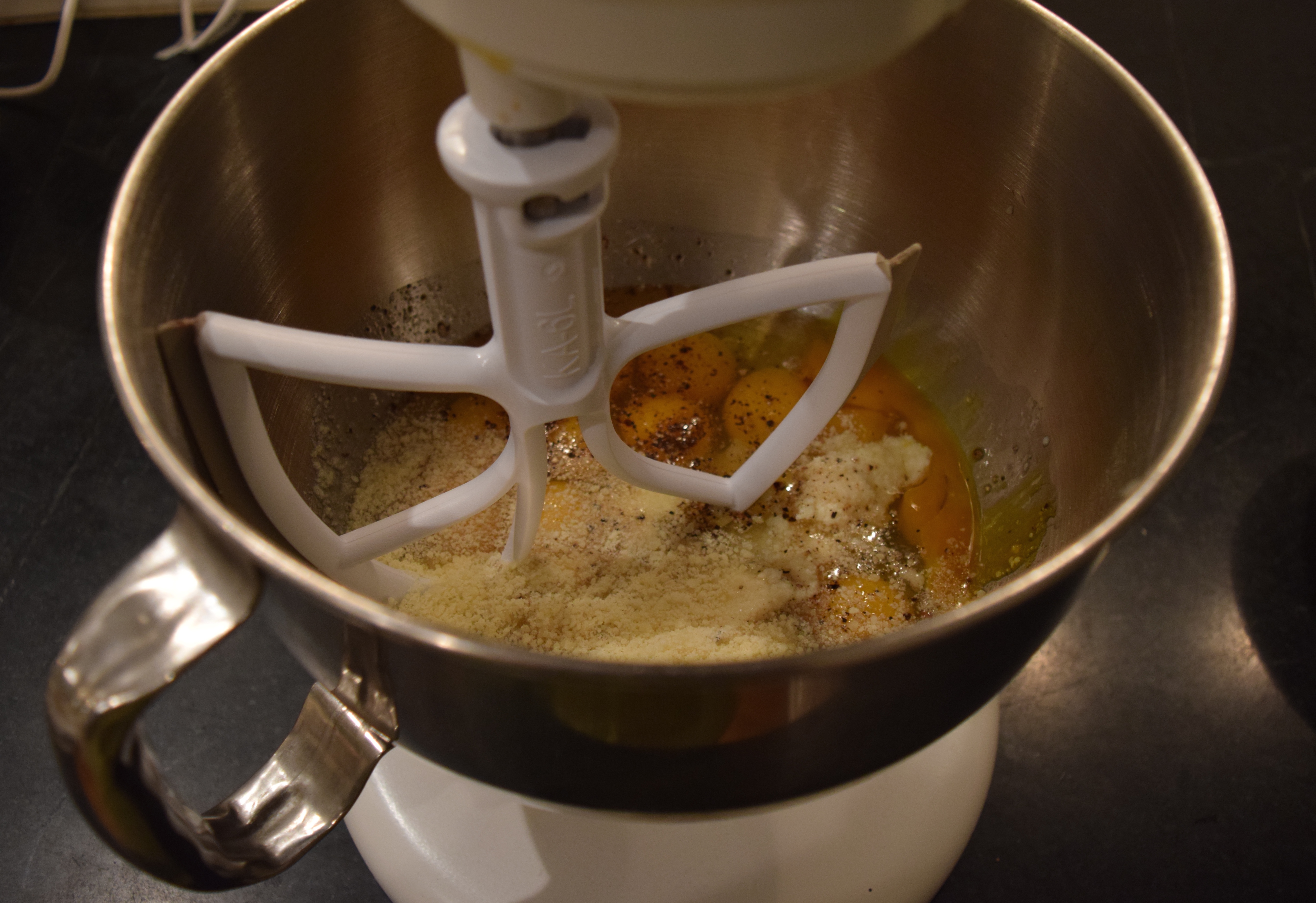
Mix eggs, milk, cream or ricotta, Parmesan, salt, and pepper and pour over vegetables.

DSC_0304 DSC_0745

Add shredded cheese and poke it into the vegetables and egg mixture. DSC_0748

Bake for 30 minutes in a preheated oven. Insert the knife tip in the center to test for doneness. If it comes out clean, remove the frittata from the oven. If not, cook for another 5 minutes and check again. Repeat until done.

DSC_0749

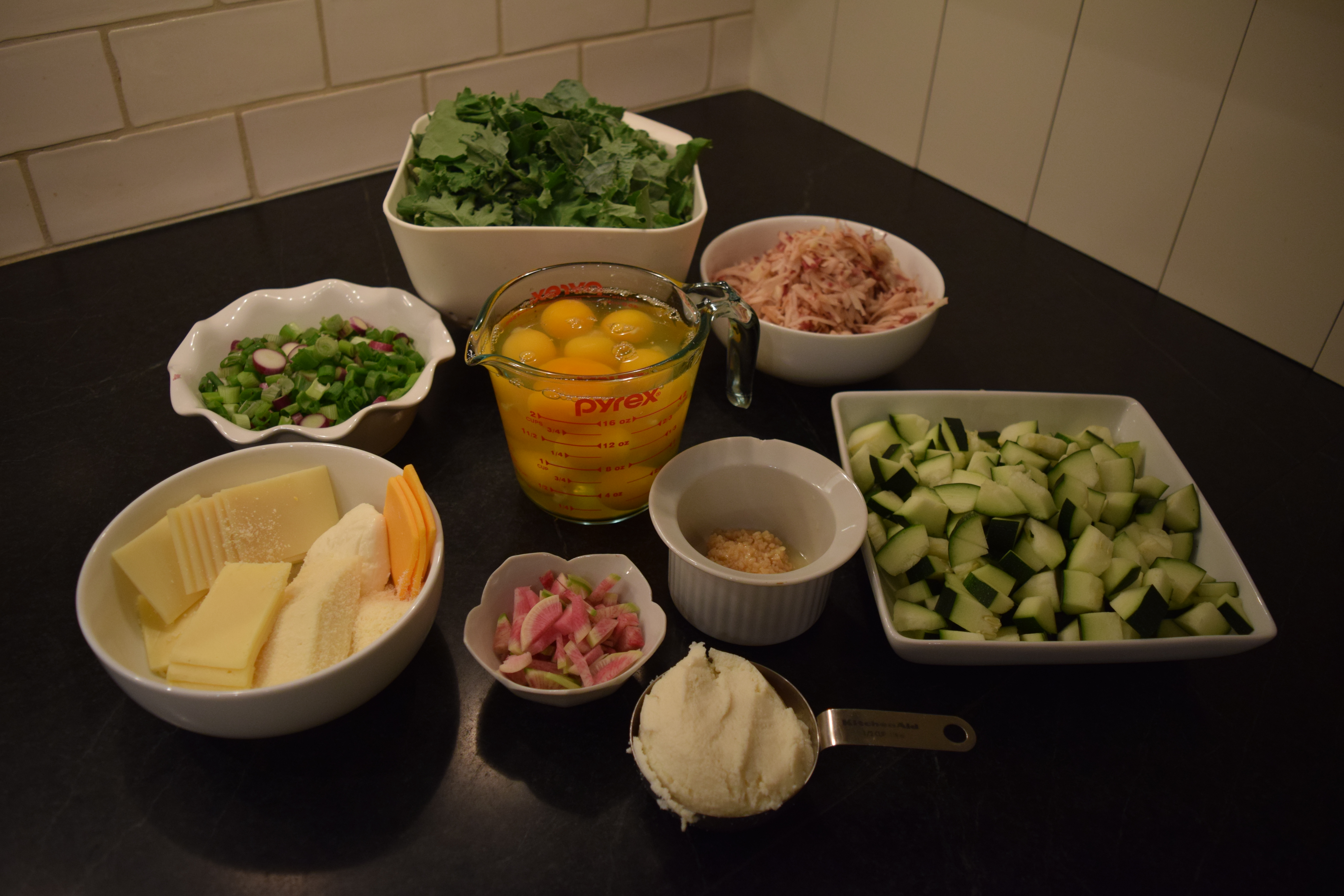
Another frittata version: potatoes, kale, green onion, zucchini, and a lone radish

This was one day’s pickings from the garden. I decided, as a trial, to throw all of it into the frittata along with dairy ingredients to see if it would work. I tried fresh kale. It was delicious.

DSC_0257

Here it is, all prepped.

DSC_0293

Here is how I prepped the vegetables:

Green onions
DSC_0266 DSC_0268 DSC_0270

A lone watermelon radish
DSC_0261  DSC_0263 DSC_0274

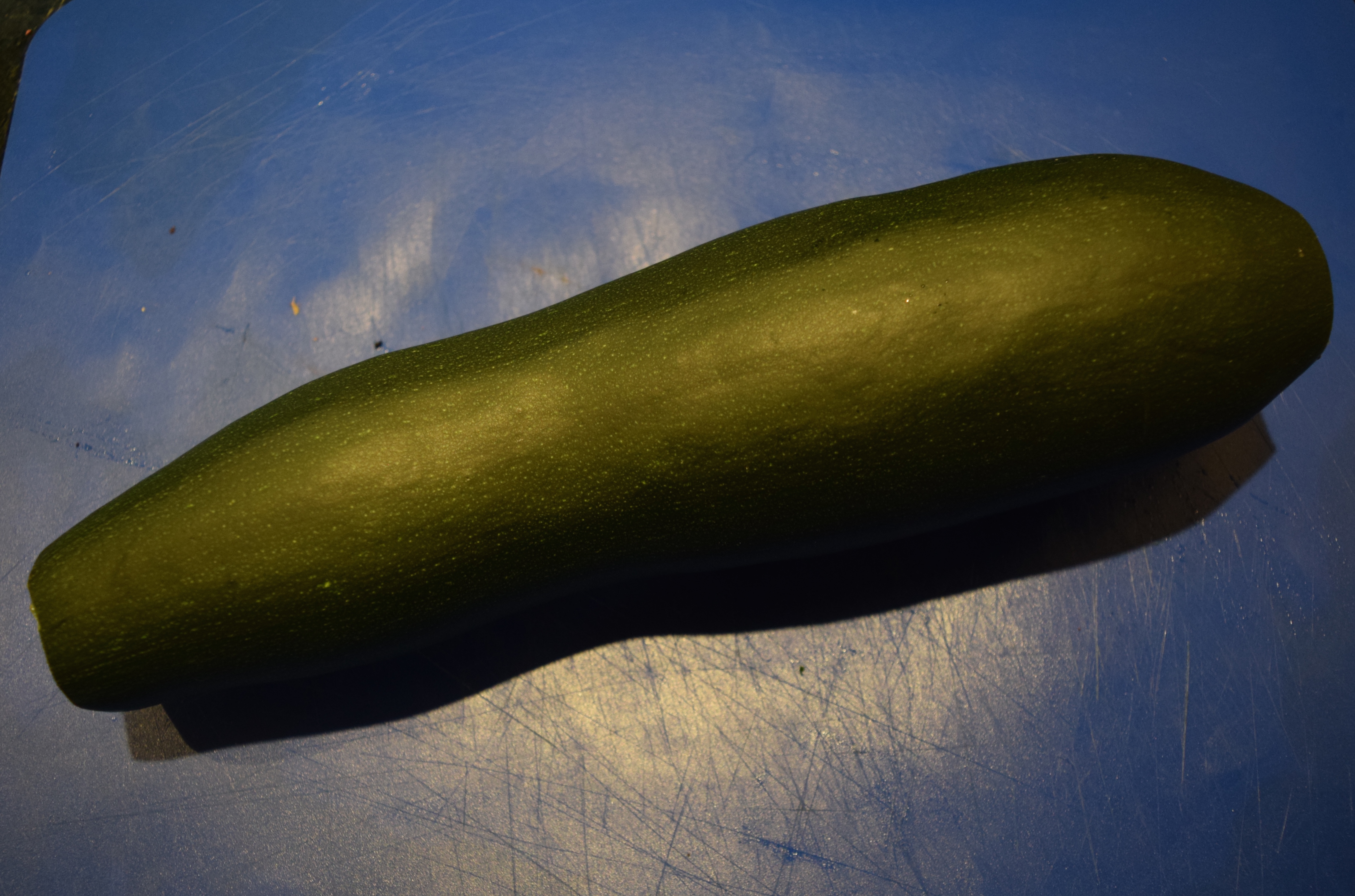
My first zucchini of the season!
DSC_0284 DSC_0285

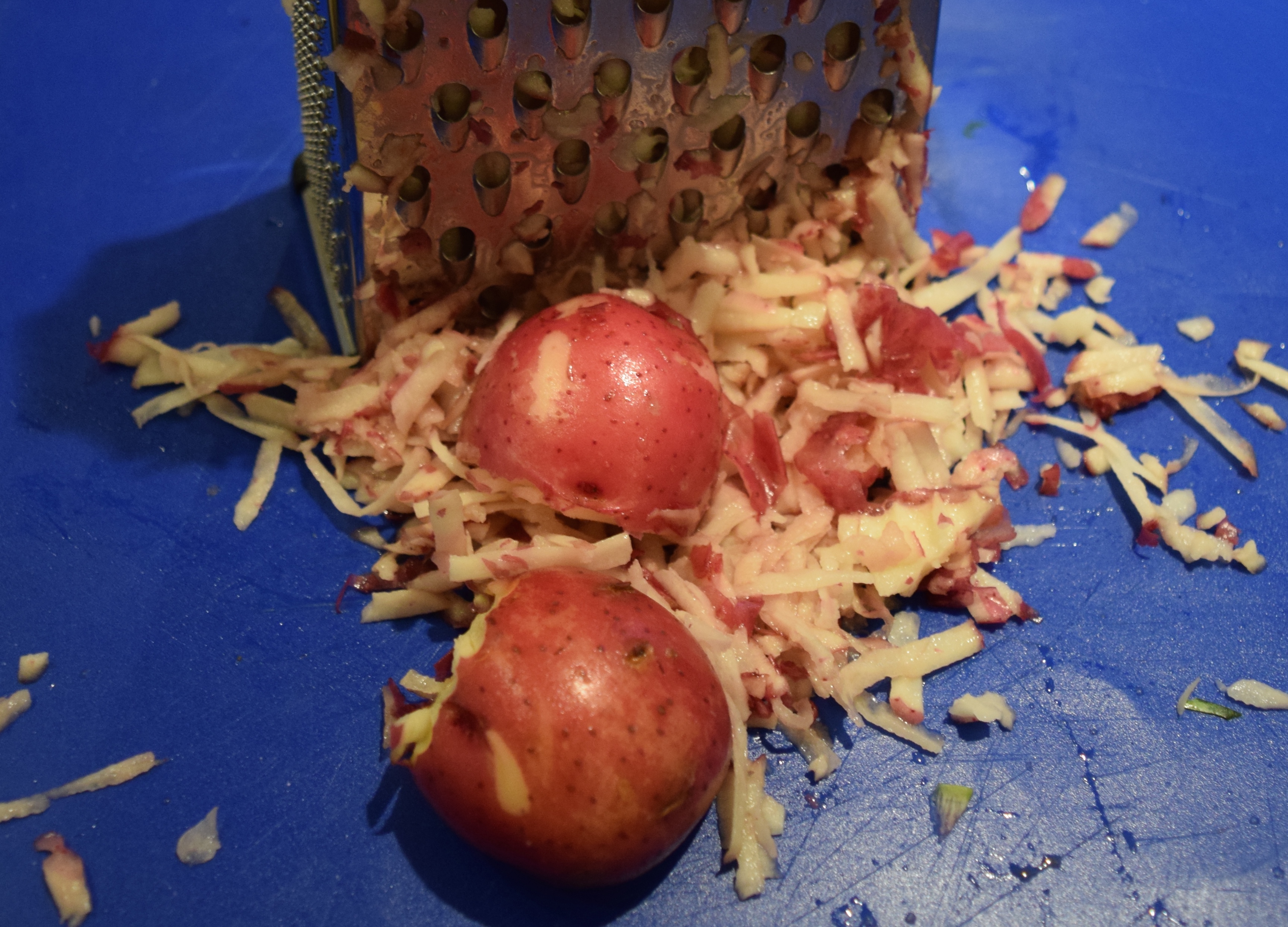
Shredded potatoes
DSC_0277 DSC_0280

I trimmed the tough stem off each kale leaf.

DSC_0282

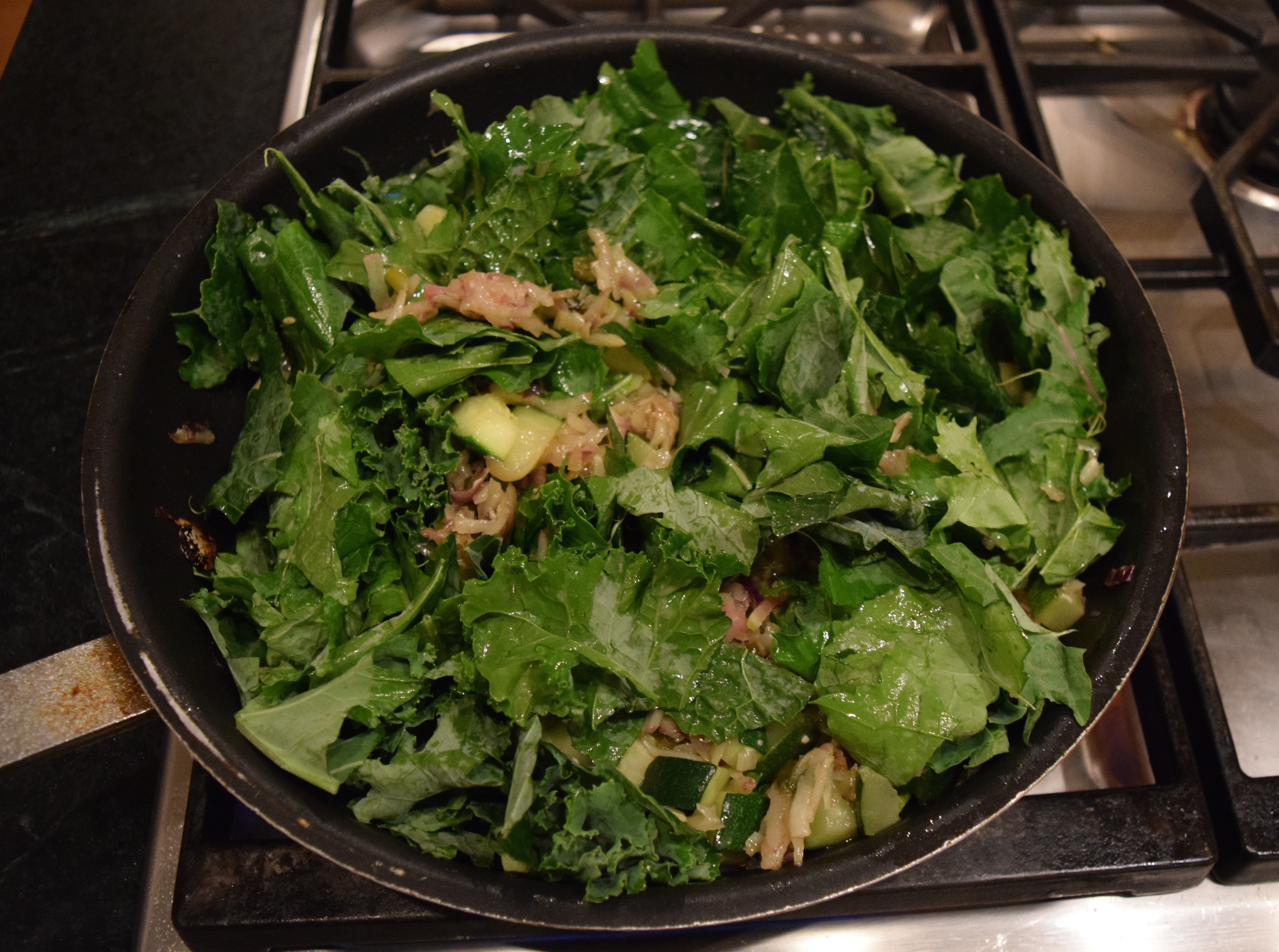
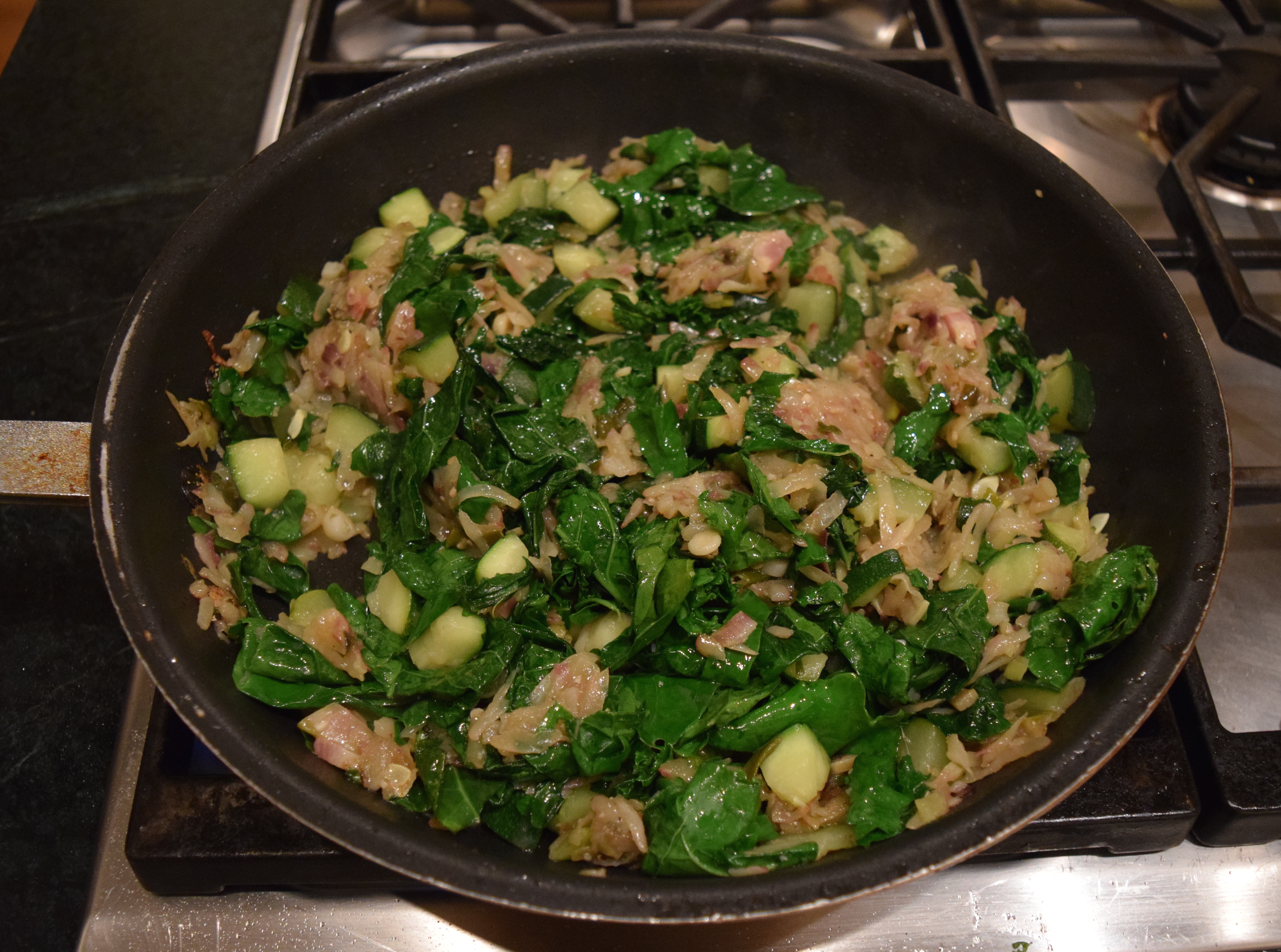
I tore the leaves into 3-inch pieces, added them to the vegetable sauté last, and cooked them for one minute until wilted. Chard, collards, or spinach would also work well here. Be sure to remove the thick stems from the collards or chard.

DSC_0312 DSC_0313

Notice how when the frittata first comes out of the oven, it is like a soufflé, all puffed up and fluffy. It will fall after about 5 minutes. I think the frittata is tastiest when it is still light and fluffy like this, but as I have said, it is still excellent later in the day at room temperature or even cold from the fridge.

DSC_0320

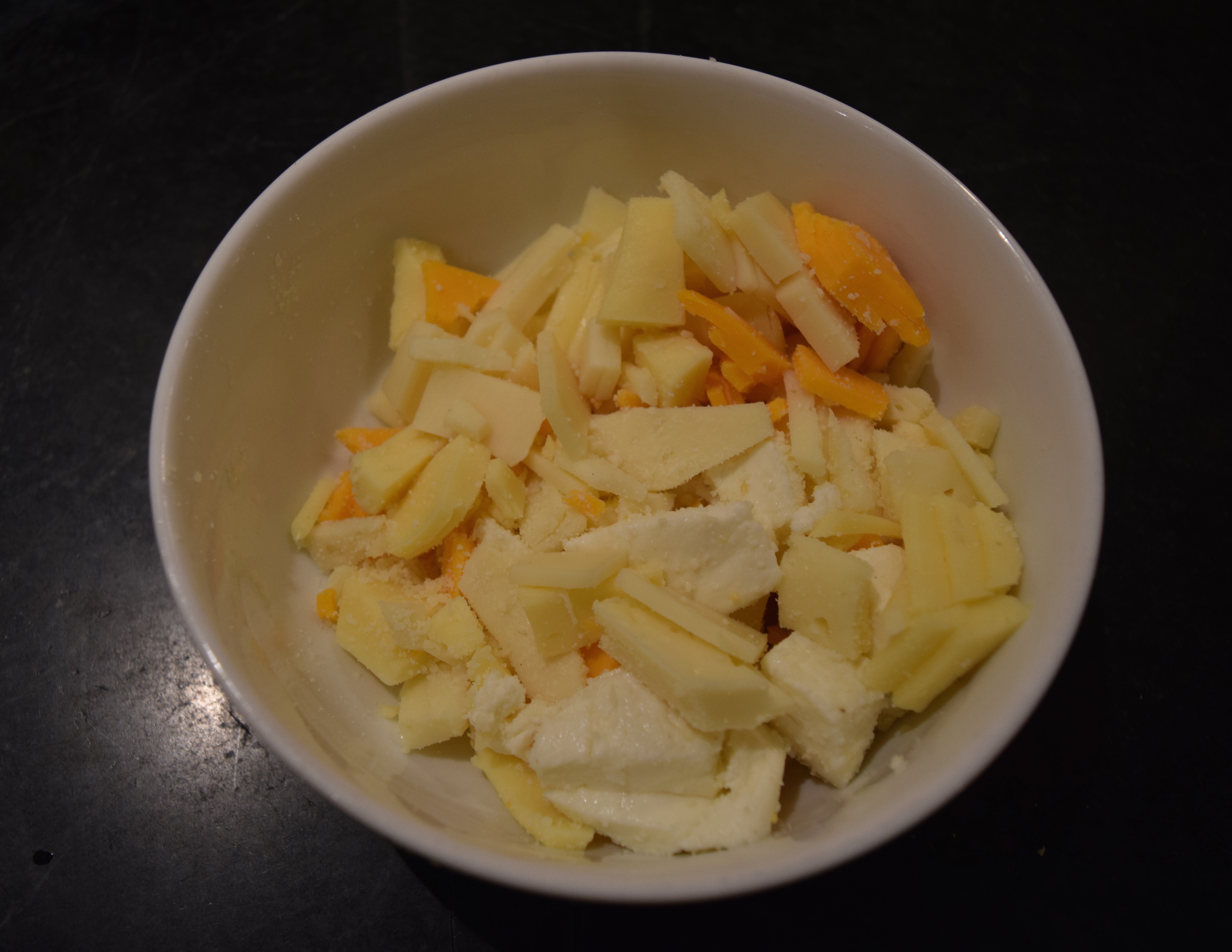
Once, I mixed a bunch of cheeses left over from a cookout and used them for the cheese portion of the recipe. This worked just fine.
DSC_0314

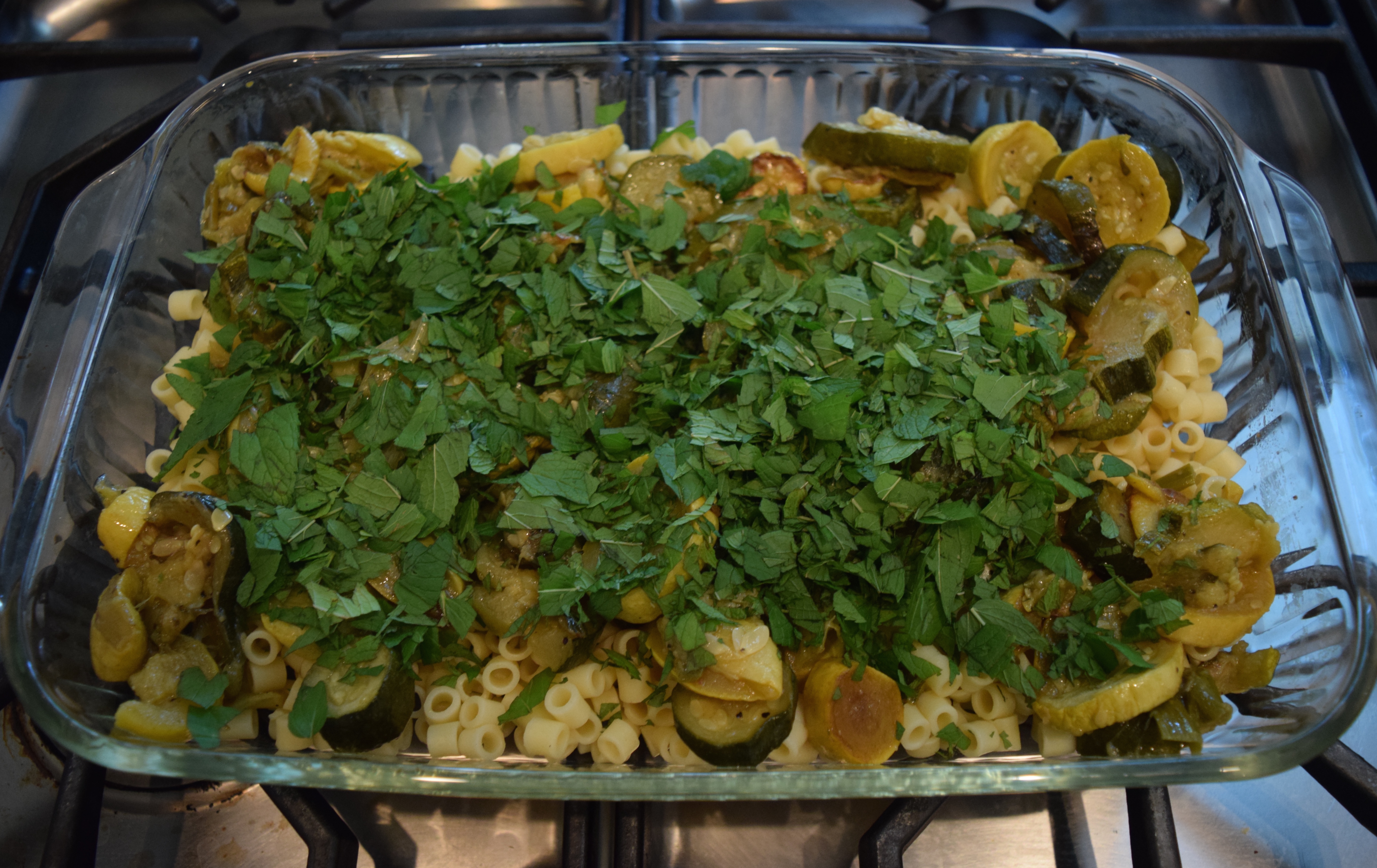
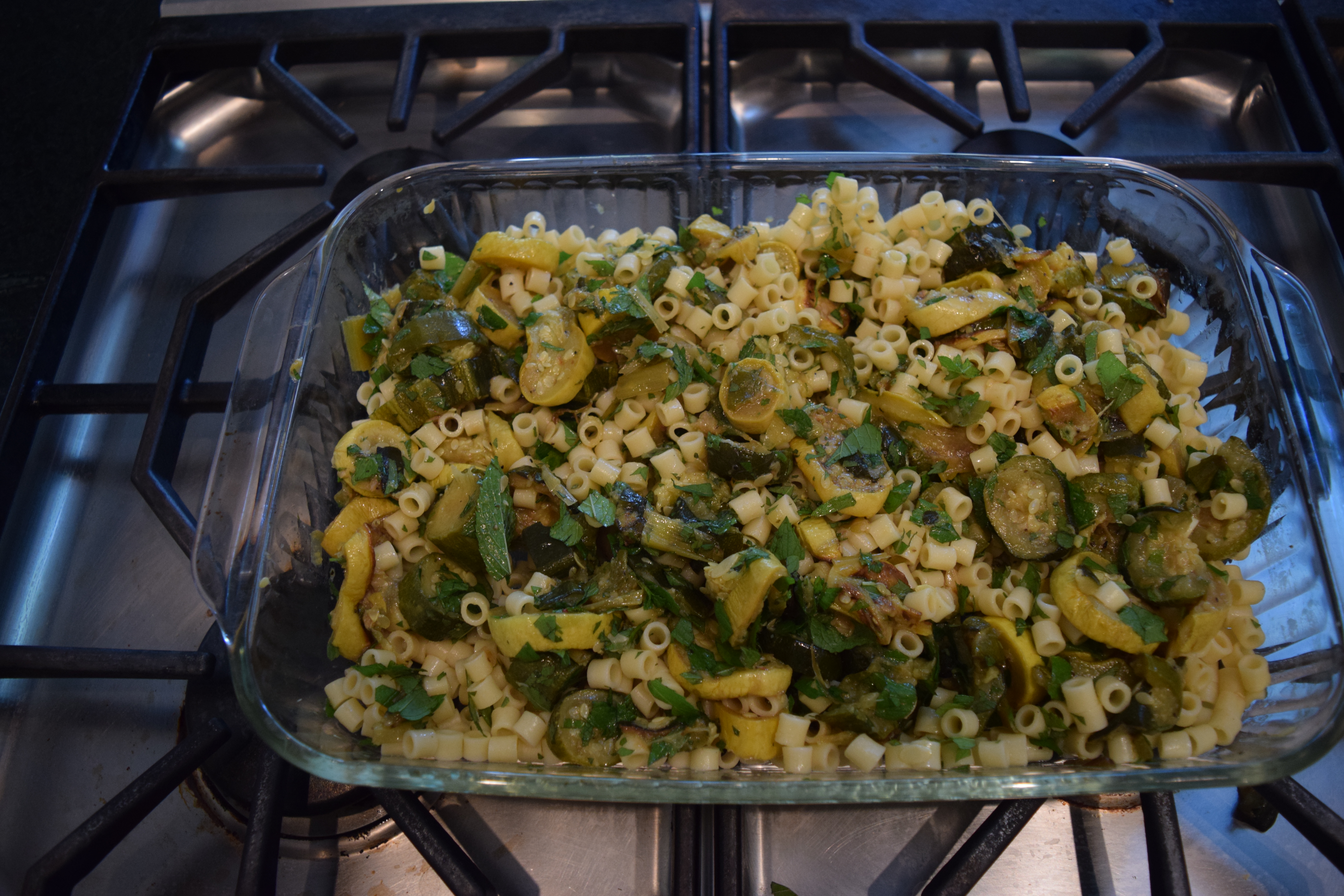
Another frittata version: leftover ditalini pasta and roasted zucchini, summer squash, and leeks, with fresh, chopped mint

I increased the amount of cheese for this version:
12 eggs, 1/2 cup ricotta, 1 teaspoon salt, 1/2 teaspoon pepper, 1 cup Parmesan, 2 cups mozzarella
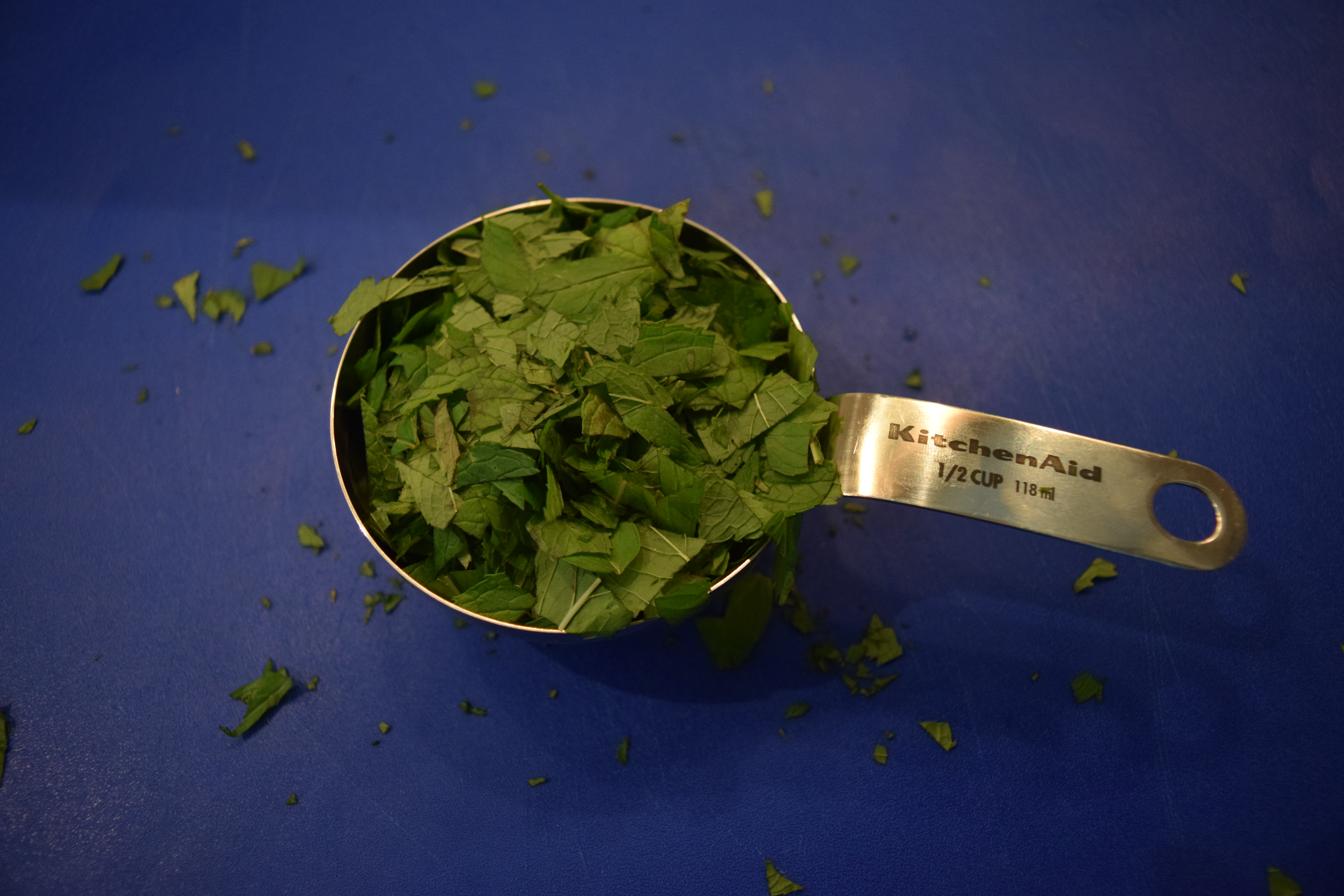
4 cups cooked pasta, 4 cups roasted zucchini with leeks, 1/2 cup chopped mint

DSC_0984

Prepping the mint

DSC_0993 DSC_0995

Prepping the mozzarella

DSC_0001  DSC_0004  DSC_0005

The four stages of combining and baking the frittata:DSC_0998 DSC_0999    DSC_0006 DSC_0012  

Melty goodness!

Other delicious foods to serve at breakfast
Fruit and Nut Bread
The Biscuit King
Very Berry Clafoutis
Quiche Lorraine with Bacon and Kale
Sorghum, Seeds, and Grains Granola
How to Make Grape Jelly (and Grow the Grapes)

LET’S STAY CONNECTED!

Follow my photos of vegetables growing, backyard chickens hanging out, and dinner preparations on Instagram at JudysChickens.

Never miss a post: sign up to become a follower of the Blog.

© 2014-2021 Judy Wright. All rights reserved. Photos and text may only be used with written consent.

Quiche Lorraine with Bacon and Kale

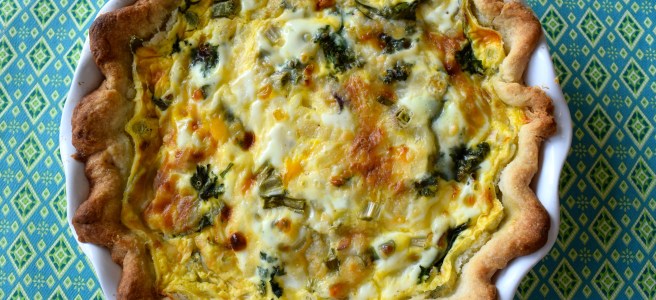
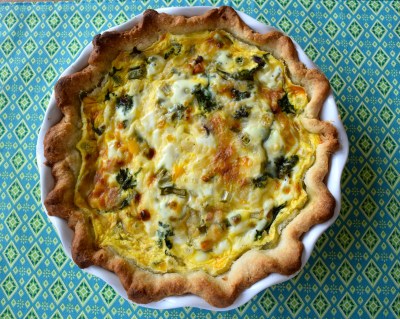
Last year, our friends, Maribeth and Michael, hosted an impromptu and festive Easter Brunch. I volunteered to bring something eggy. The morning of the brunch, I looked at what I had in the fridge: eggs, cheese, and bacon, with green onions and kale growing in the backyard. I decided on quiches. Easter Quiche

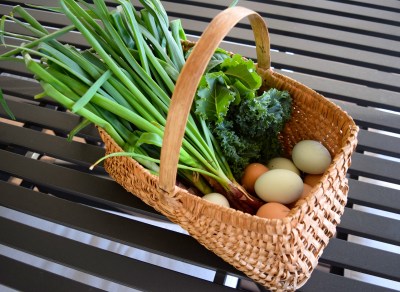
I had a Trader Joe’s pie crust in the freezer. All I needed from the grocery store was heavy cream. Easy-peasy. It doesn’t take much to make a quiche which is just a mixture of custard (eggs and cream), cheese, vegetables, bacon if desired, and pie crust. You can easily make do with what you have on hand: mushroom and onion, spinach and goat cheese, tomato and corn, whatever you have in the fridge. This week, I went for the kale and green onion version because once again, I had both growing in my winter garden.

Easter Quiche
The kale and green onions wintered-over under hoops covered with agricultural fabric as I described here.
Easter Quiche
Yield:  This recipe makes 2 single-crust quiches.

Ingredients:
2  9 inch pie crusts (I love Trader Joe’s frozen pie crusts)
1 pound of bacon, crumbled
1 cup sliced green onions
1 cup chopped kale or spinach
1 cup Swiss cheese, shredded
1 cup Gruyere cheese, shredded
10 large eggs, beaten with a fork or blender
4 cups whole milk (ok), or half-and-half (better), or heavy cream (best!)
1 teaspoon sea salt
1/4 teaspoon cayenne pepper
a pinch or two of freshly ground nutmeg

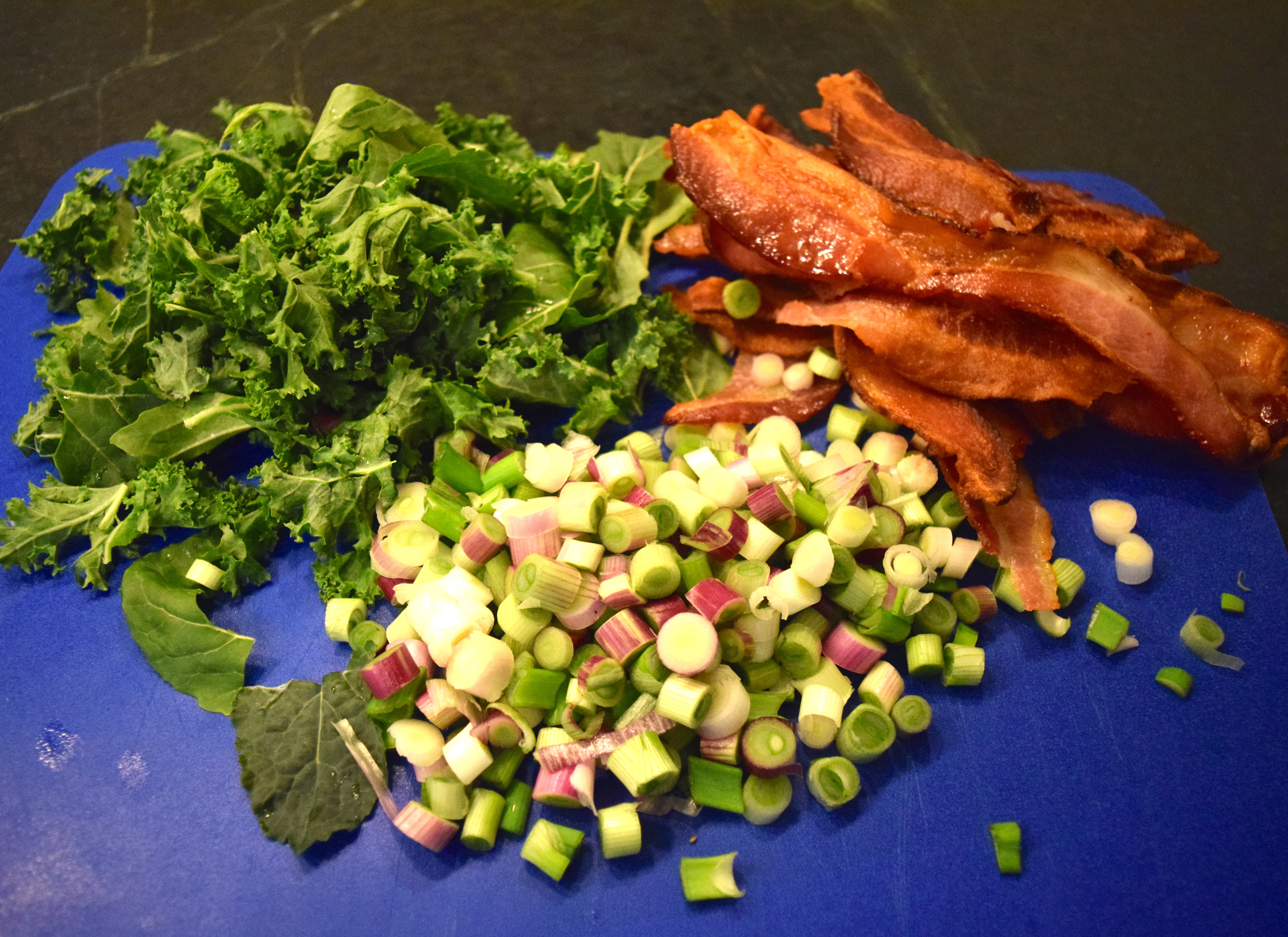
Mise en Place:
Easter Quiche
To prepare bacon:  
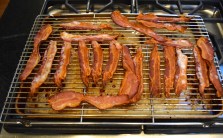
Here’s an easy way to cook a pound of bacon without making a mess. Preheat oven to 375º. Place a sheet of parchment paper or foil on a 13 x 18-inch baking pan. Set the bacon on a cooling rack and place it over the lined baking pan. Cook bacon for about 15 minutes, or until golden brown. When done, throw parchment paper in the trash as soon as it is cool enough to handle, before it has a chance to stick to the bottom of the pan. No messy splatter to deal with or dirty pans.
Easter Quiche Easter Quiche Easter Quiche
Wash and slice green onions. Wash, spin, and chop kale leaves.
Easter Quiche

Instructions for putting it all together:

Preheat oven to 425º.

To make the custard: beat eggs together first and then add cream, salt, pepper, and nutmeg.
Easter Quiche
Place a single pie crust in each pie plate. Flute edges to make them look pretty. If using Trader Joe’s brand, keep the plastic wrap on the crust while you roll it out and transfer it from the countertop to the pie plate.
Easter Quiche
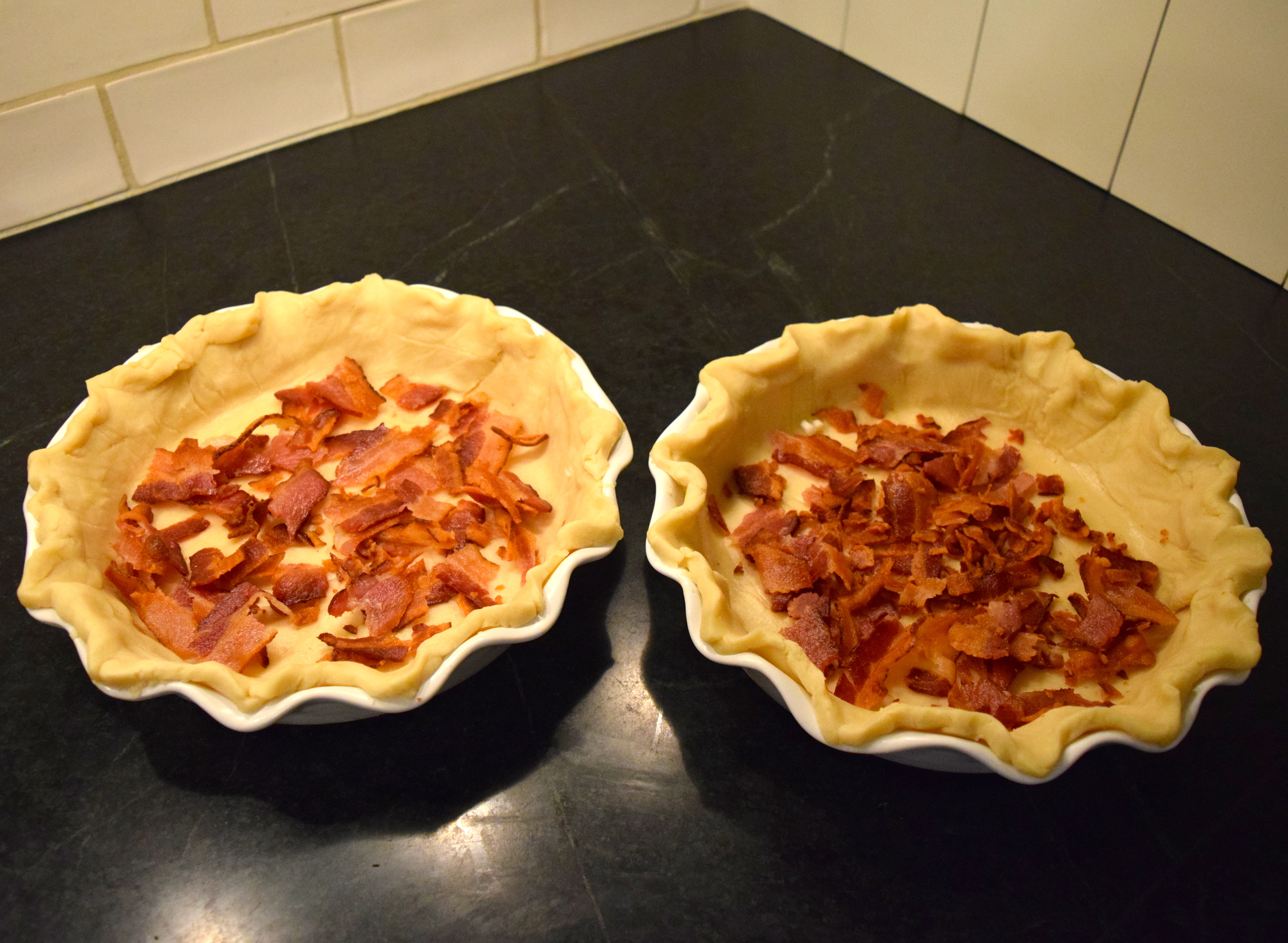
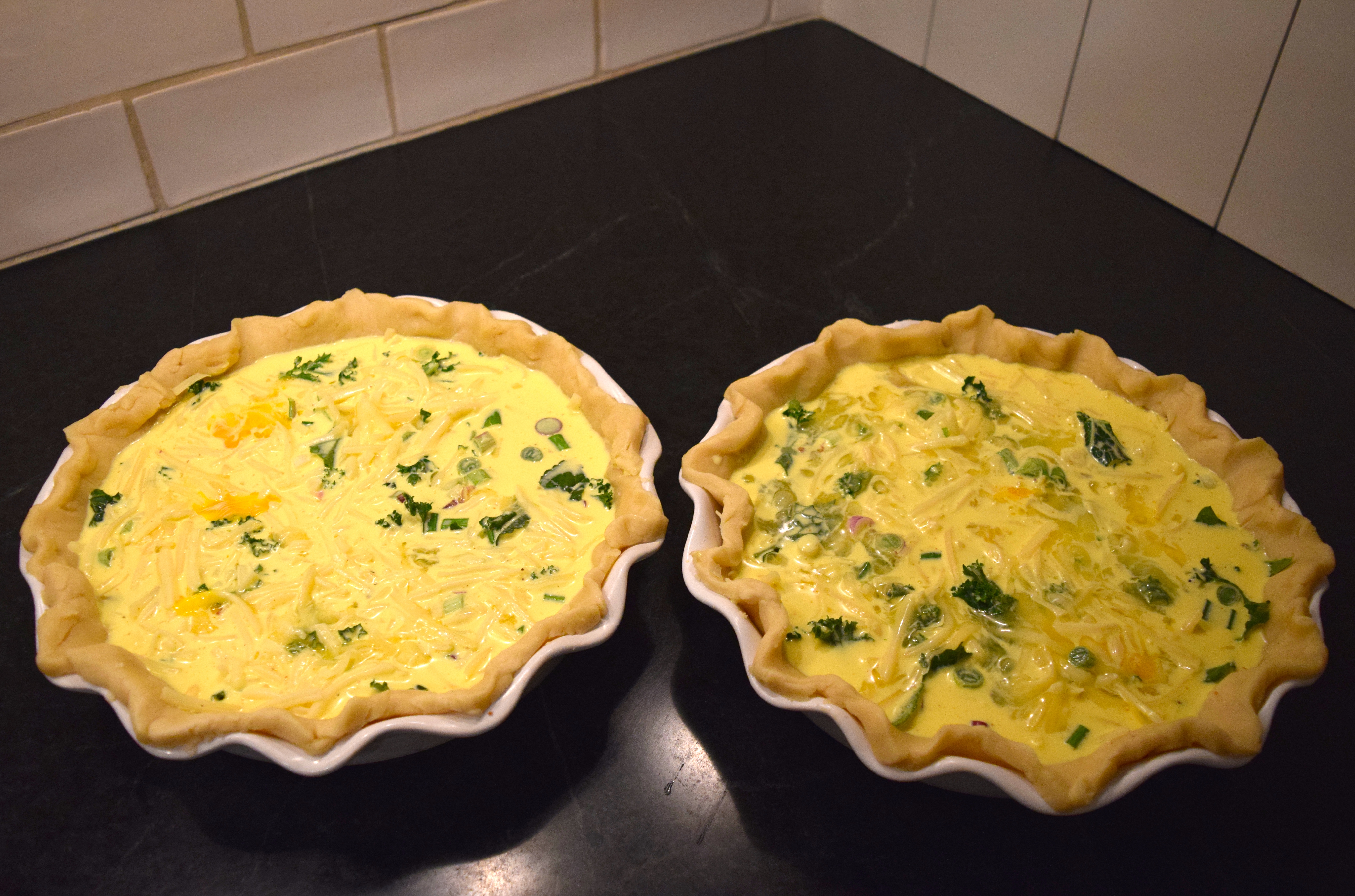
Layer pie ingredients as follows:
Bacon
Easter Quiche
Onions and Kale
Easter Quiche
Cheese
Easter Quiche
Egg Mixture
Easter Quiche
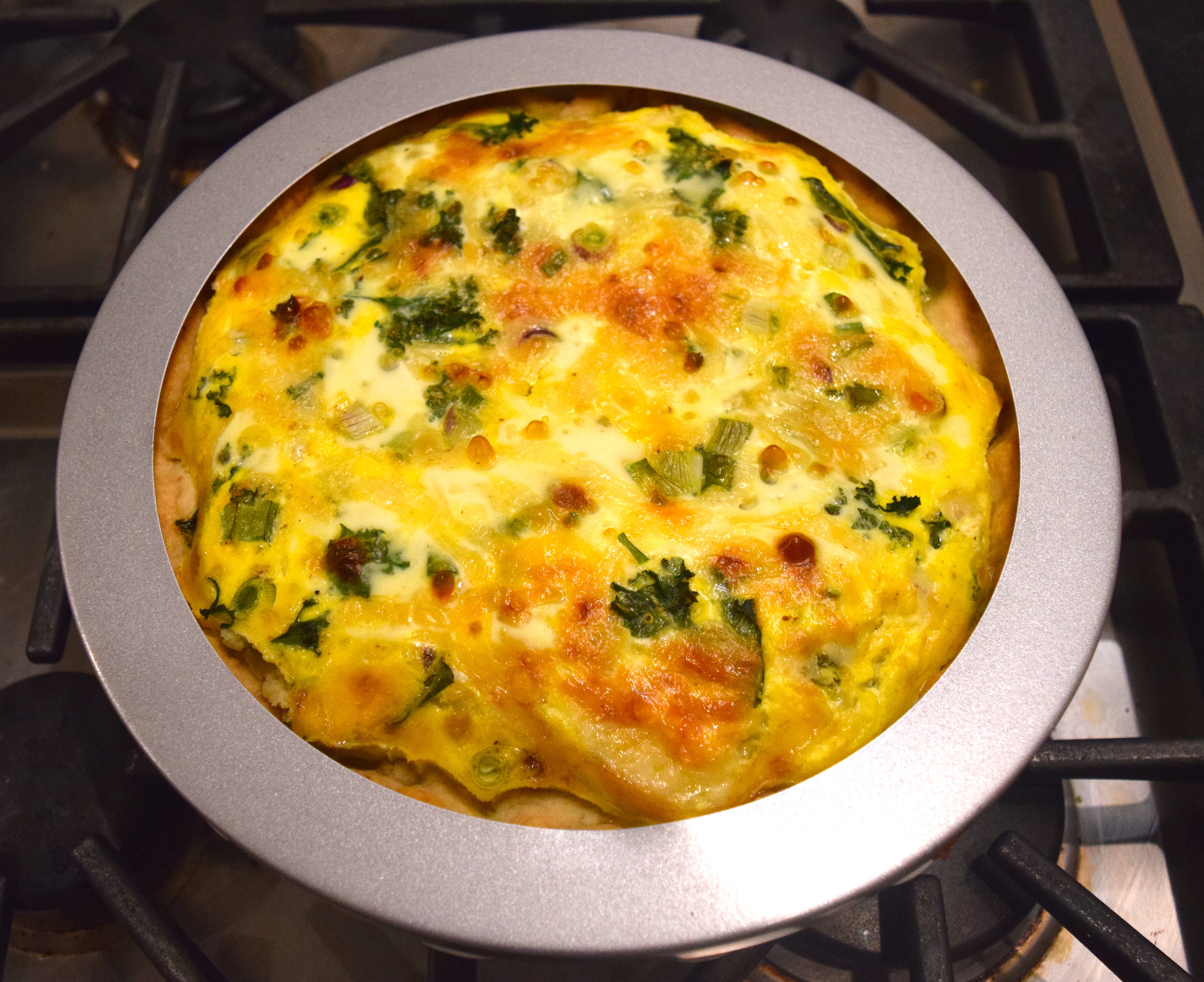
Bake pies at 425º to ensure that the pie crusts cook. Undercooked, doughy crusts are not very appetizing. After 20 minutes, lower the oven temperature to 350º to cook the custard interior. When you reduce the heat, take pies out of the oven and line their edges with foil or pie plate shields to keep crust rim from burning. Bake for about 25-30 minutes more. A knife inserted in the center should come out clean. Note to self: purchase another 9″ pie crust shield– they are so much easier to use than foil.
Easter Quiche Easter Quiche
Let quiche rest about 15 minutes before serving. You can make the day before and reheat in the oven.

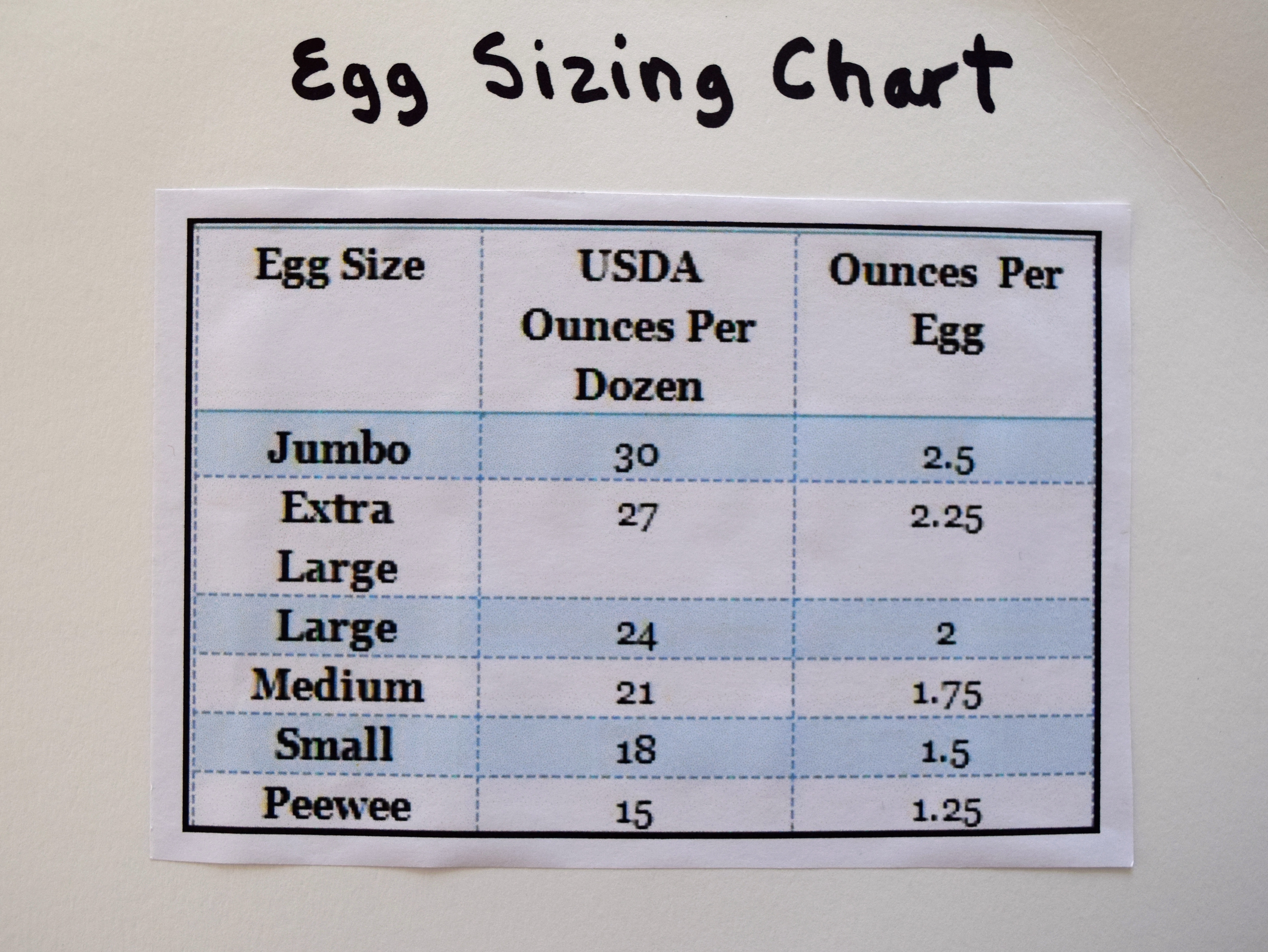
How big IS that egg, or a few words about egg sizes.
DSC_0895
In the olden days, farmers would gather eggs from their hen houses and use this Jiffy Way Egg Scale to measure the egg’s weight and grade, from small to extra large, for marketing purposes.
My friend, Patty, gave me this scale with the marketing logo “DeKalb Chix” printed on it. I treasure it!

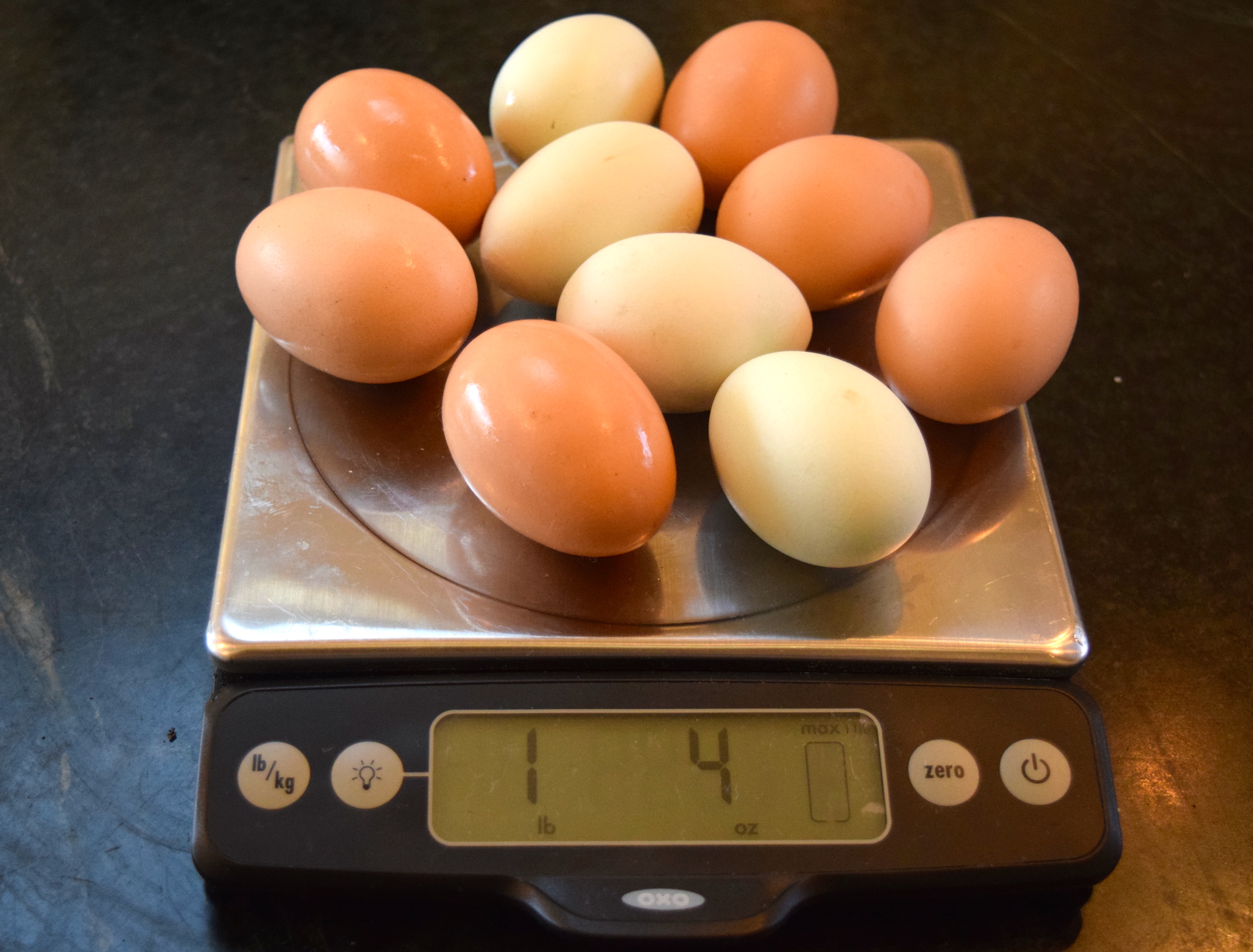
Our chicken eggs range in size from medium to extra large, so often times I have to weight them to get the right amount of eggs for a recipe.
DSC_0764
Medium to extra-large.
DSC_0767
A little more or less volume won’t matter with a quiche, but it would definitely matter with a cake or pastry recipe where the ratio of dry to liquid ingredients needs to be accurate. This recipe called for 20 ounces. I use my modern digital scale for weighing!
Easter Quiche
The more you know…

LET’S STAY CONNECTED!

Follow my photos of vegetables growing, backyard chickens hanging out, and dinner preparations on Instagram at JudysChickens.

Never miss a post: sign up to become a follower of the Blog.

© 2014-2017 Judy Wright. All rights reserved. Photos and text may only be used with written consent.